Fargo
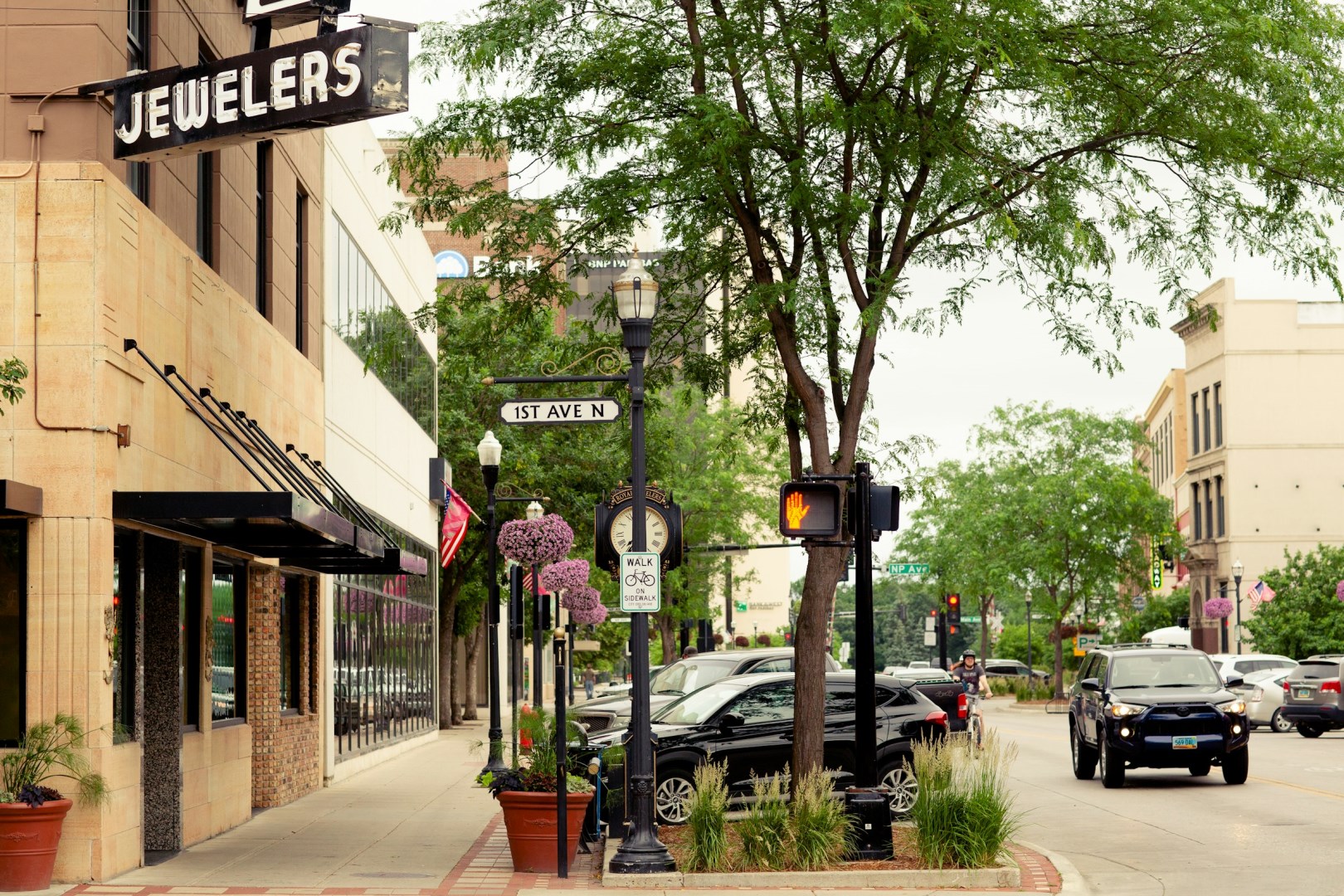
Fargo is the largest city in North Dakota and sits along the Red River of the North, which forms the boundary between North Dakota and Minnesota. The city is the urban center of the Red River Valley, a fertile agricultural region shaped by rich prairie soils and broad, level terrain. Downtown Fargo combines historic brick buildings with restaurants, cafés, galleries, boutiques, and public art. The Fargo-Moorhead area also includes West Fargo and neighboring Moorhead, Minnesota, creating a region

Maceio
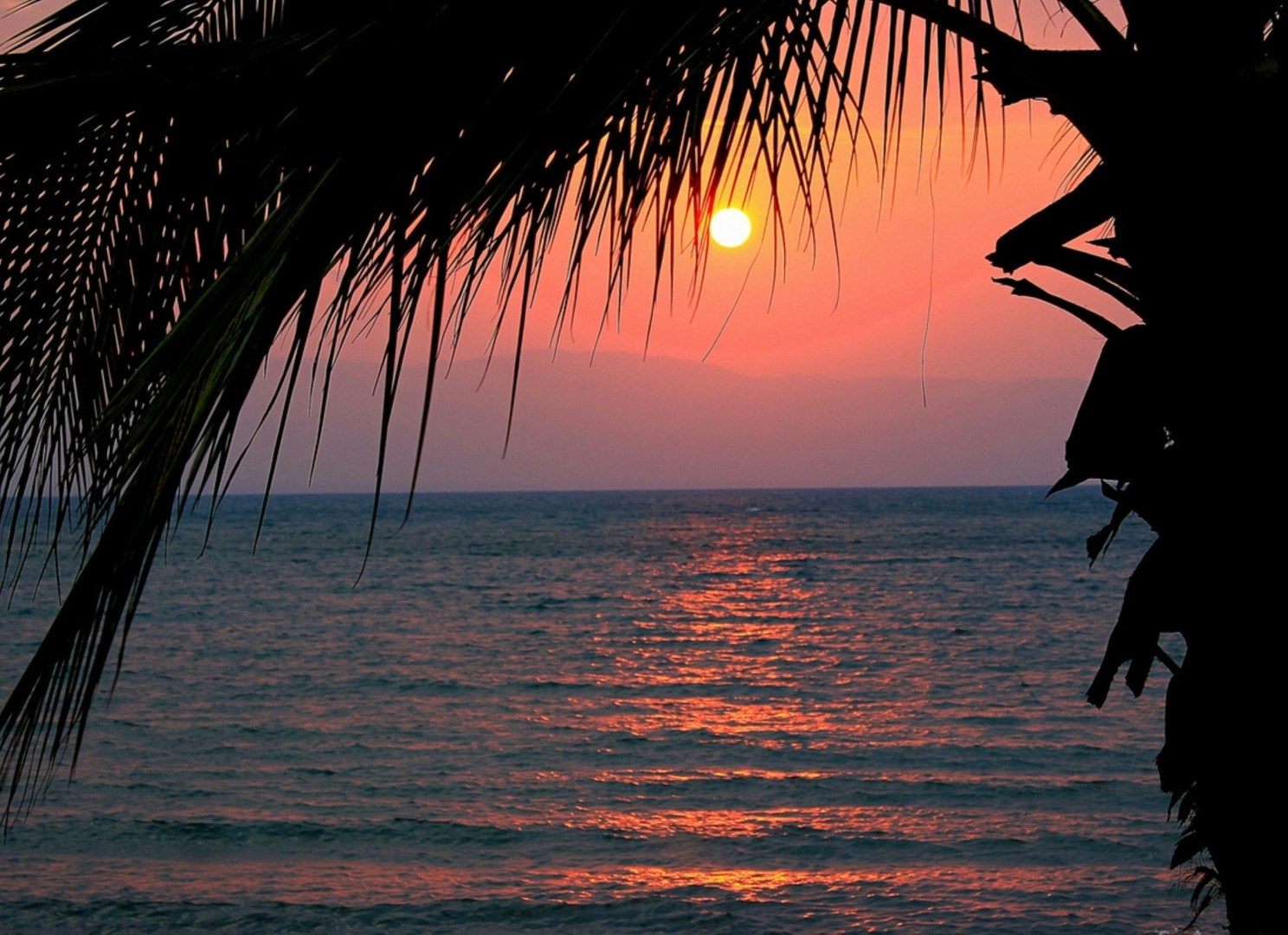
Located on the central coast of the Atlantic this area has fabulous beaches and transparent green water and is a popular resort destination.
Hyderabad
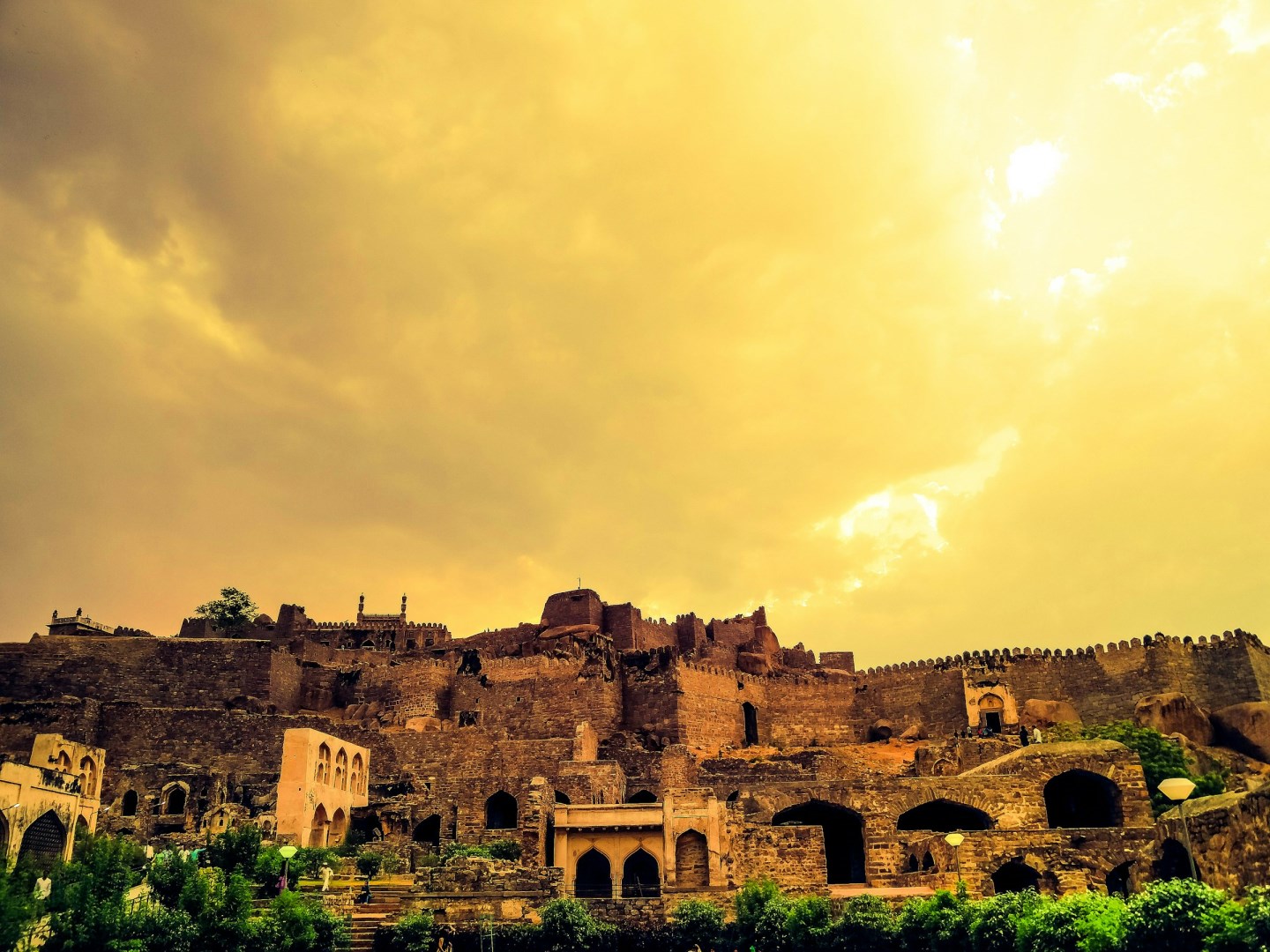
Hyderabad is the capital of Telangana in southern India, built around the Musi River and shaped by a long history of Deccan kingdoms, Islamic architecture, Hindu traditions, and modern technology. The city combines historic neighborhoods with expanding business districts, universities, markets, and residential areas. Its older quarters are centered around landmarks such as Charminar and the Mecca Masjid, while newer Hyderabad is known for its technology and pharmaceutical industries. Granite out
Perugia
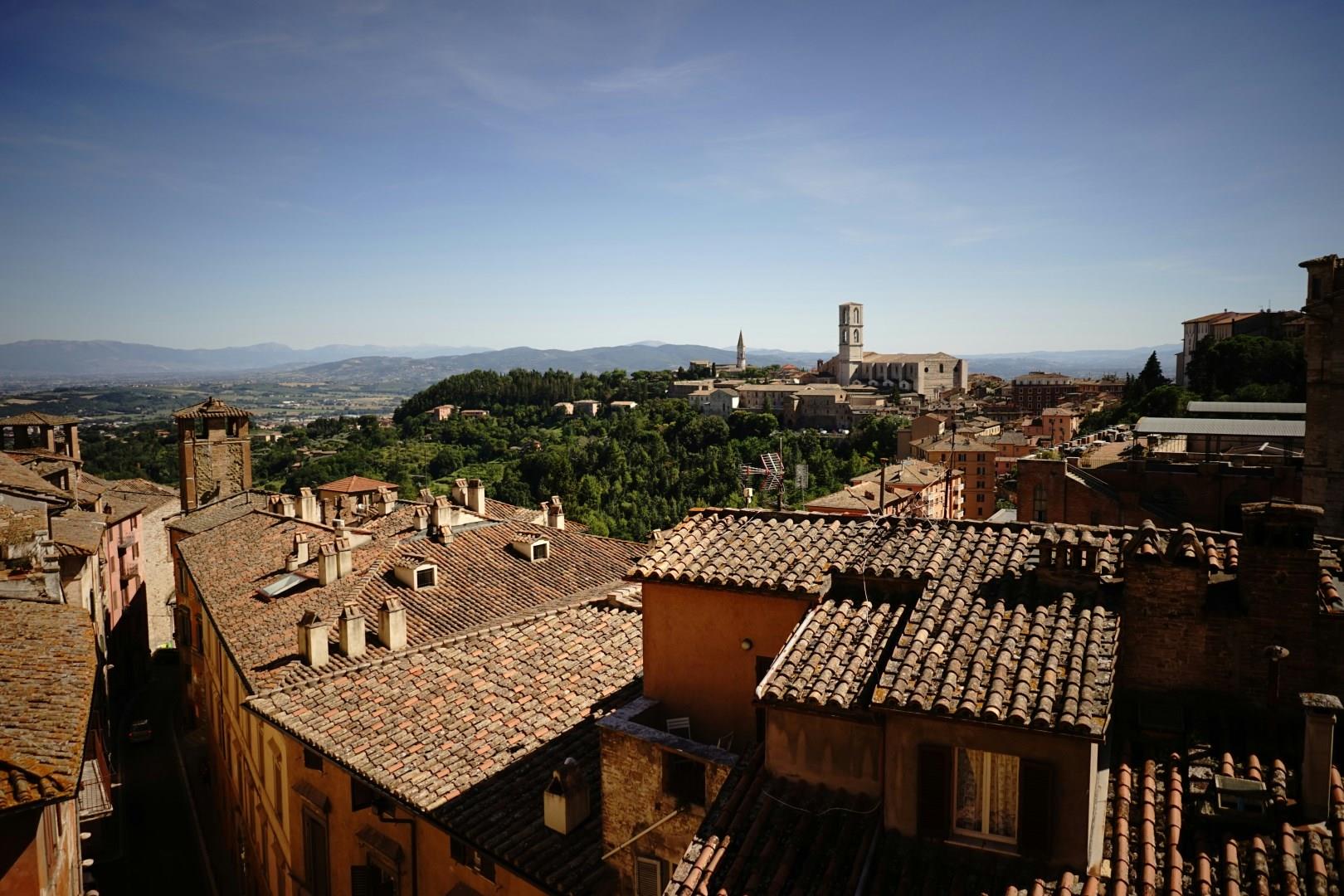
Perugia, the capital of Italy’s Umbria region, is a city built across hills and centuries. Originally settled by the Etruscans more than 2,500 years ago, it still holds remnants of their civilization, including one of the largest surviving Etruscan arches in Italy named Arco Etrusco, which greets visitors at the city’s entrance. Walking through the narrow streets of the historic center reveals layers of Roman, medieval, and Renaissance architecture, all woven together within ancient stone walls.
Letterkenny
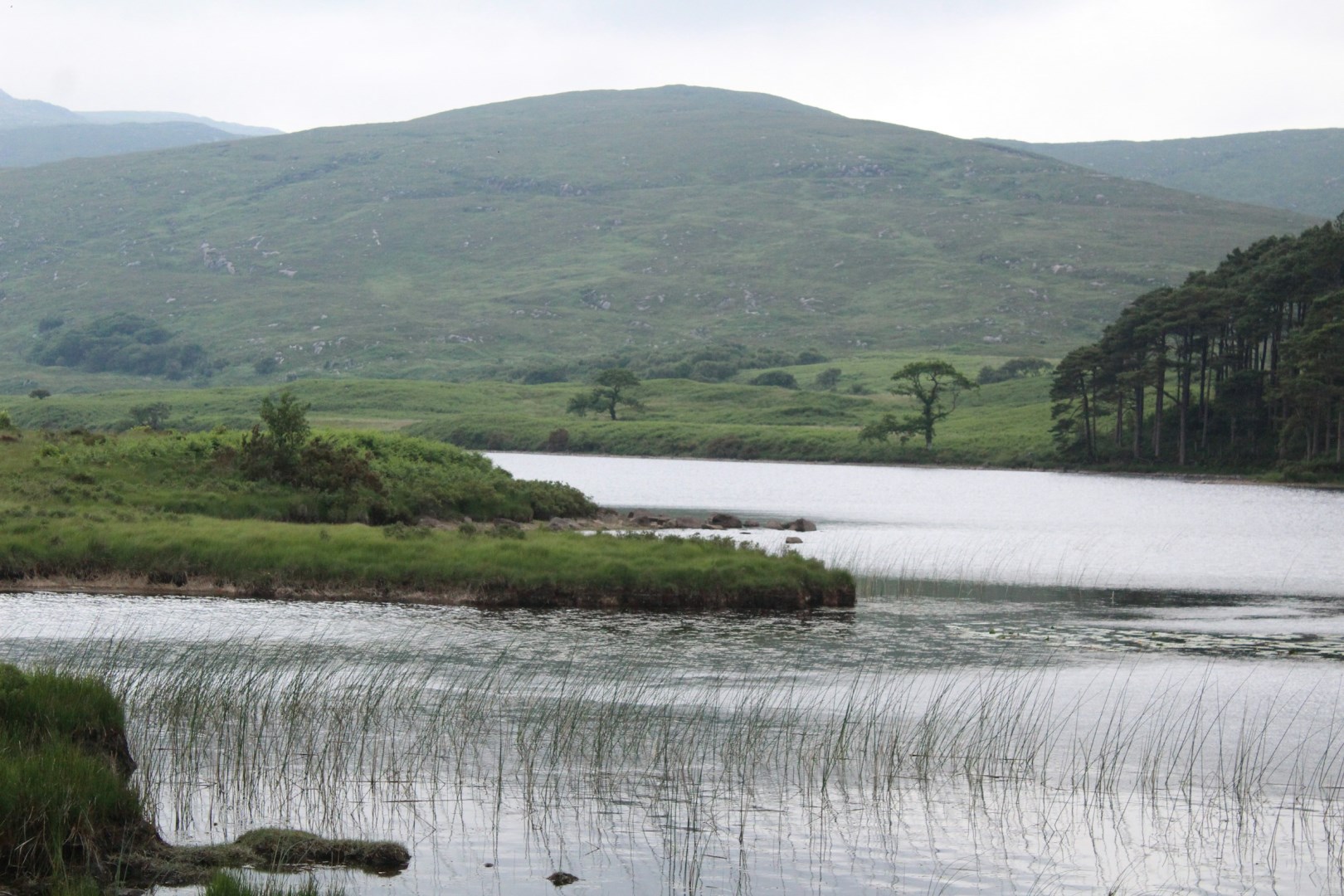
Letterkenny, the largest town in County Donegal, Ireland, is a vibrant hub where traditional charm meets modern amenities. Set amidst the picturesque landscapes of Donegal, Letterkenny serves as a gateway to the rugged beauty of the Wild Atlantic Way. This bustling town offers a mix of cultural attractions, outdoor activities, and local charm that will captivate any traveler.