Mâcon is a riverside town in the Saône et Loire department of southern Burgundy, set where the Saône River curves gently through the countryside. Walking through the town naturally leads visitors from the riverfront toward its historic streets, where the past seems to linger in every corner. In the heart of Mâcon’s historic district, pedestrians find streets lined with notable sites.
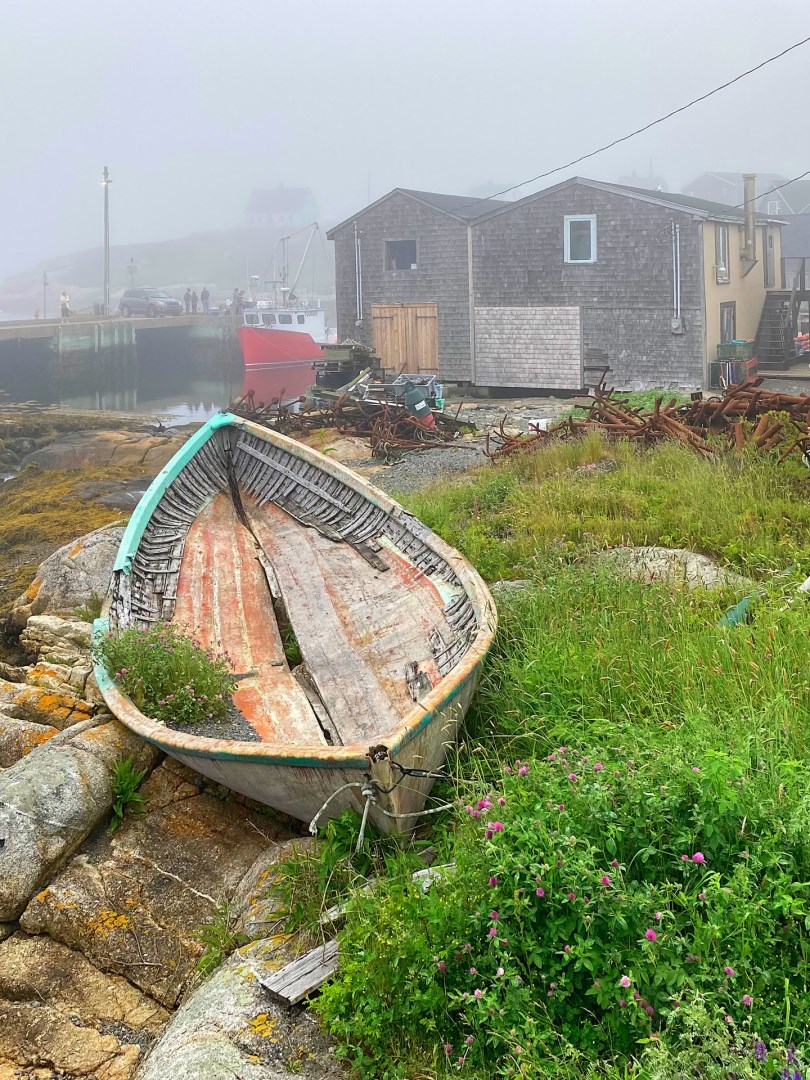
Peggy's Cove is a small coastal community on the eastern shore of St. Margarets Bay in Nova Scotia, known for its granite shoreline, working harbour, and distinctive lighthouse. Large exposed rocks surround the village, shaped by glaciers and Atlantic weather, while spruce and fir forests cover the inland areas.
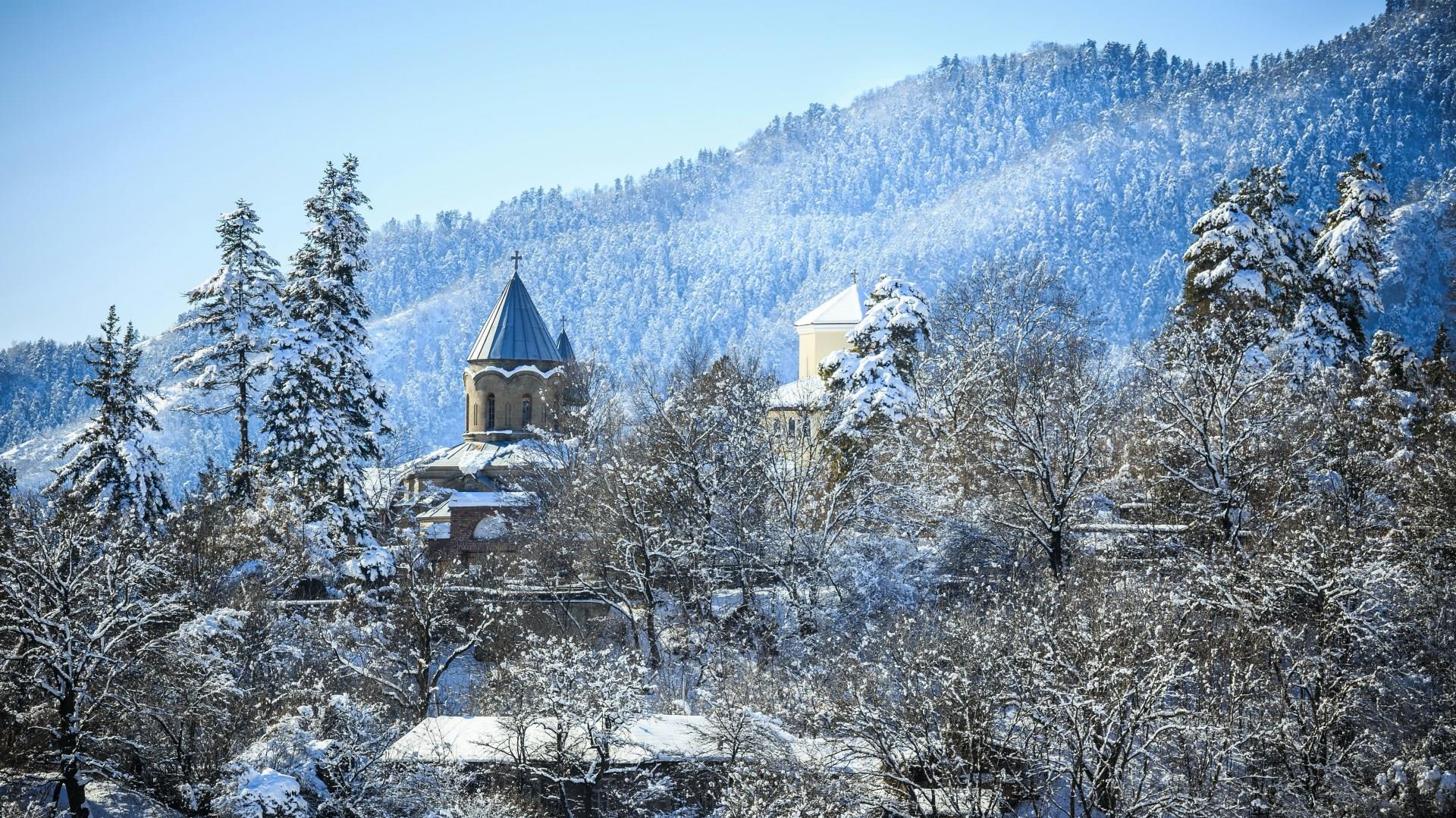
Borjomi sits high in the center of Georgia, in a long valley along the Borjomula River surrounded by forested mountains. For centuries its mineral springs have drawn people to the region, but it wasn’t until the 1800s that the water became known to the wider world when Russian officers stationed here shared its crisp, naturally fizzy taste and believed health-boosting properties with visitors.
Pécs, Hungary, is a city that seamlessly blends history, culture, and a vibrant modern atmosphere. Nestled at the foot of the Mecsek Mountains in southern Hungary, Pécs boasts a rich heritage that dates back over 2,000 years. Visitors are often captivated by the city’s unique blend of Roman, Ottoman, and Hungarian influences.
Nature is never far in Helsinki. Locals swim in the sea, walk forested trails, and gather mushrooms or berries all within city limits. One popular local habit is heading to the sauna, and the city offers several open-to-the-public options. Löyly, located on the waterfront, combines traditional wood-burning saunas with a sleek, modern design. In winter, visitors can even pair a sauna session with a quick dip through a hole cut in the ice for an experience both shocking and strangely calming.
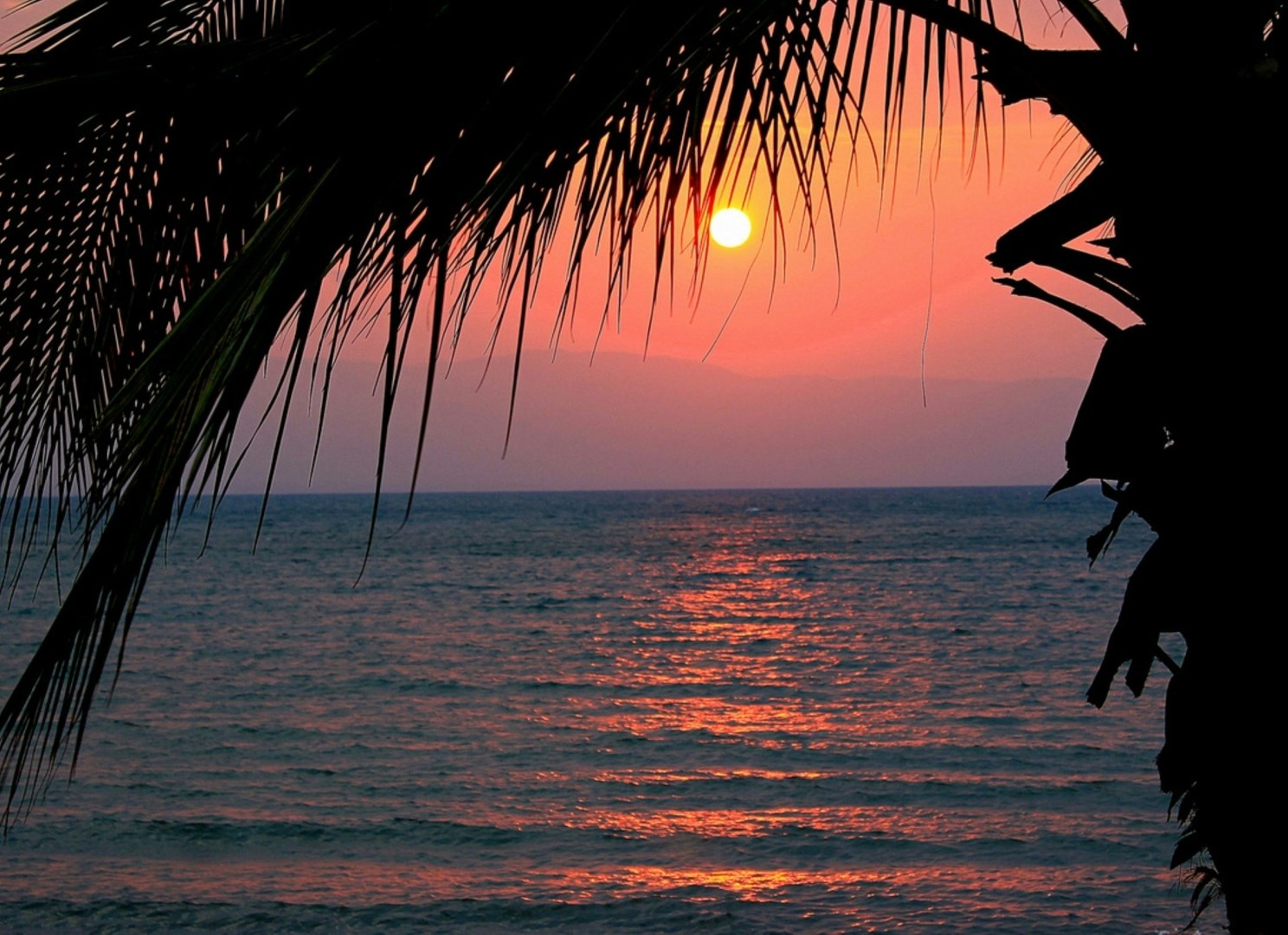
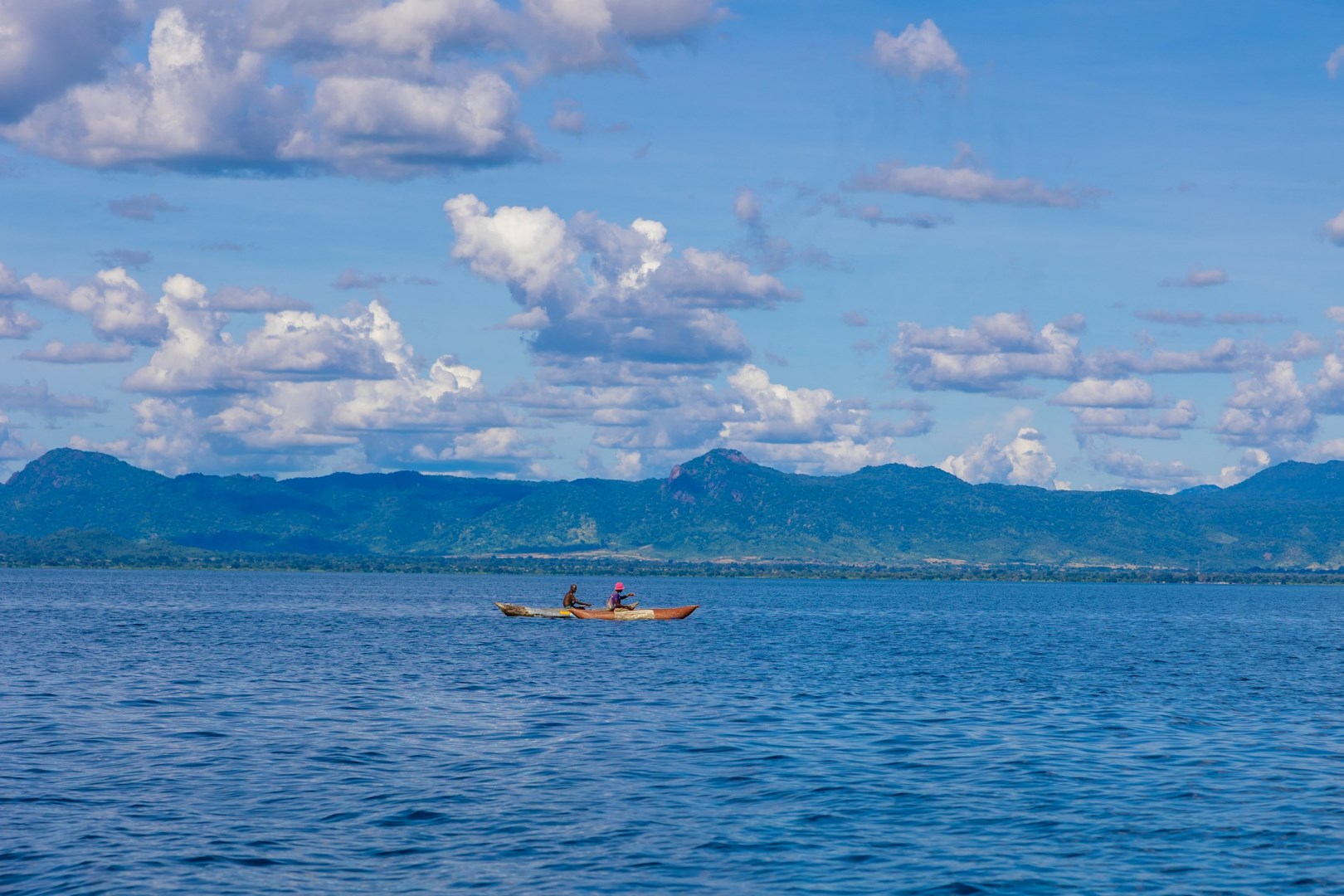
Lake Malawi - The Lake of Stars - is an immense inland sea of fresh, crystal clear water in which tropical fish abound. Its shores and the deserted islands which dot its surface are home to a variety of game and an abundance of exotic birdlife. Local fishermen leisurely paddle their traditional "mokoros", or dugouts, across its expanse, and the sun drenched serenity is but enhanced by the shriek of a Fish Eagle or the grunting of distant hippo.
Lake Malawi is one of a series of lakes in Africa's Rift Valley. It is the ninth largest lake in the world, with a surface area of about 30,000 square km, a length of about 580 km, and is approximately 704 meters deep. Lake Malawi has a very diverse bottom, ranging from rocky, to sandy, to heavily planted areas. As with Lake Tanganyika, the lower layers of the lake are completely devoid of oxygen and uninhabitable by fish. It was reported in "African Cichlids of Lakes Malawi and
Tanganyika-12th Ed." that there are 225 known species of cichlids in the lake, with 40+ species of non-cichlids. Lake Malawi's fish population is a prime food source for many Malawi inhabitants. Lake Malawi National Park, opened in 1980 near Monkey Bay, was put in place to protect the many cichlid species of the lake from extinction due to over-fishing and
collection for export.
Other Popular Destinations in Malawi
Lilongwe
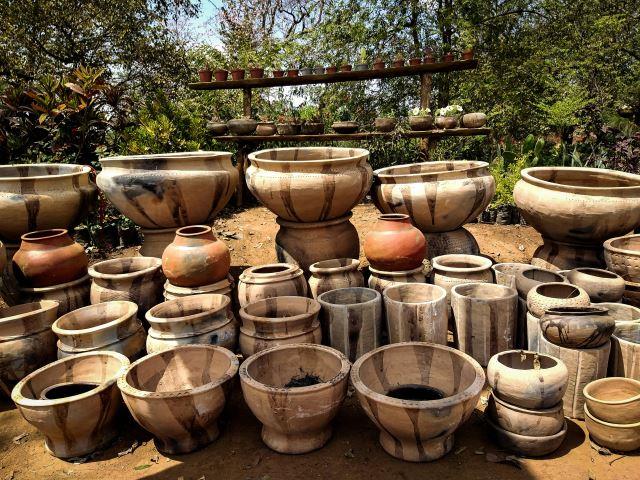
Lilongwe, the capital of Malawi, blends modern development with a laid-back atmosphere, offering visitors an introduction to the country’s culture and daily life. Markets are at the heart of Lilongwe’s character, with the bustling Old Town Market standing out as a must-visit. Here, traders sell everything from fresh produce and local crafts to colorful fabrics and handmade goods.
Zomba
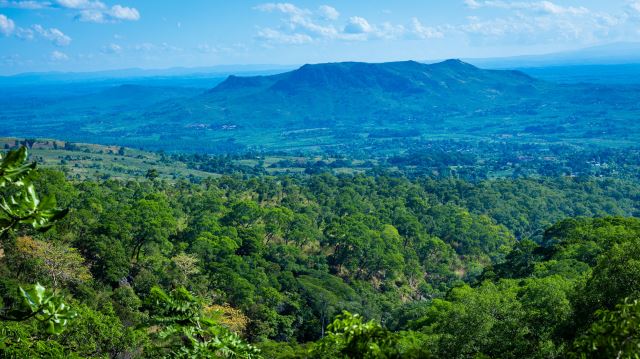
Zomba is a city in southern Malawi situated at the foot of the Zomba Plateau, a large mountain massif rising above the surrounding Shire Highlands. The city is known for its tree-lined streets, cooler climate, and access to forested mountain landscapes. Zomba Plateau dominates the local scenery, with steep slopes, streams, waterfalls, and broad viewpoints overlooking the plains below.