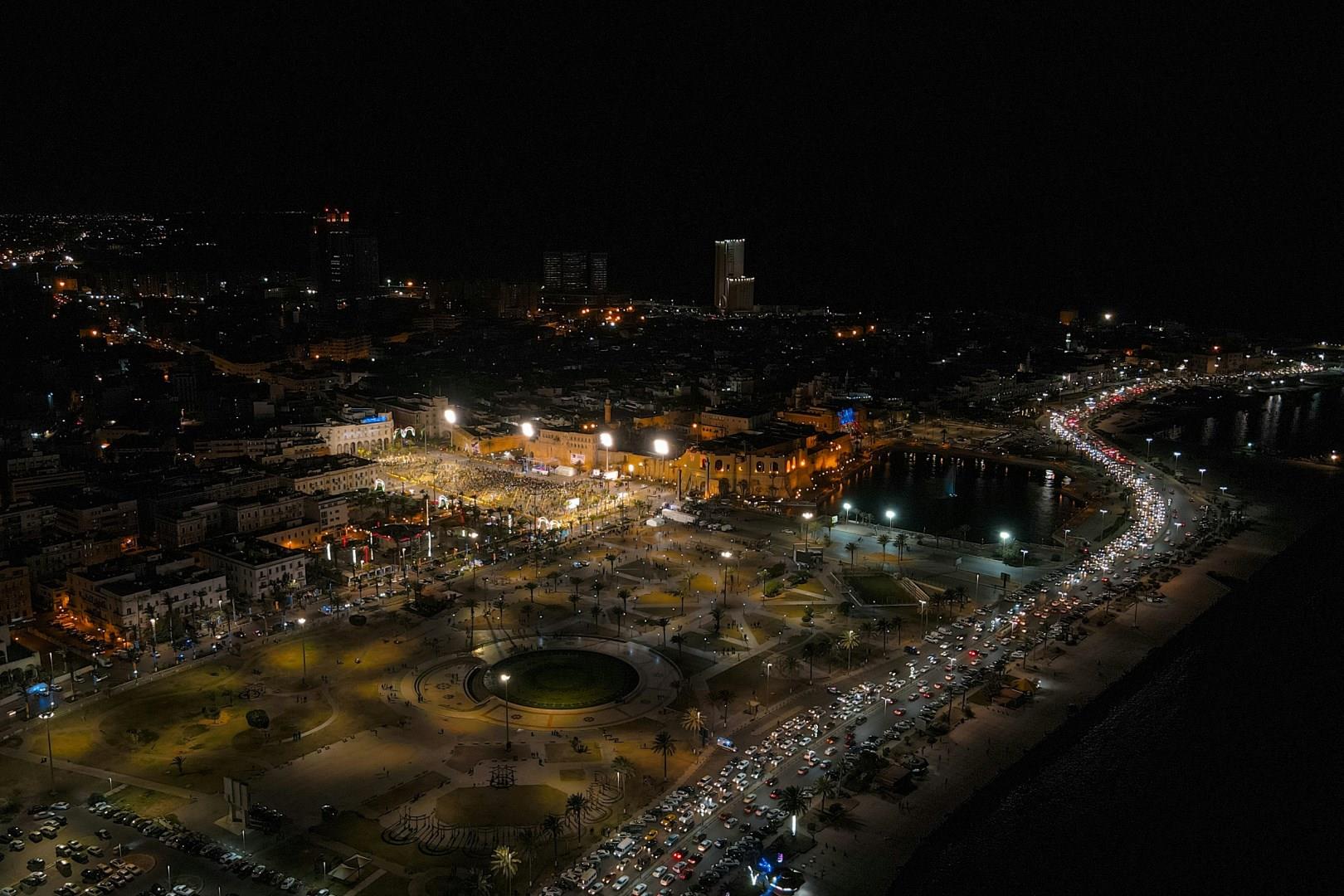
Libya, located in North Africa along the Mediterranean coast, is a country of vast deserts, ancient history, and dramatic landscapes. Much of its terrain is dominated by the Sahara Desert, with sand dunes, rocky plateaus, and oases shaping life across the country.
Ceske Budejovice, the vibrant capital of the South Bohemian Region in the Czech Republic, is a city rich in history and culture. Its most famous landmark is the magnificent Black Tower, offering panoramic views of the city and the surrounding countryside. This 72-meter-tall Gothic tower, completed in the 16th century, is a prime example of the city's architectural heritage source.
Dominica, known as the “Nature Island of the Caribbean,” is a haven for eco-tourists and adventure seekers. Nestled between the French islands of Guadeloupe and Martinique, this lush island boasts a remarkable landscape of volcanic mountains, dense rainforests, and stunning waterfalls. Dominica’s most iconic natural wonder is the Boiling Lake, the second-largest hot spring in the world.
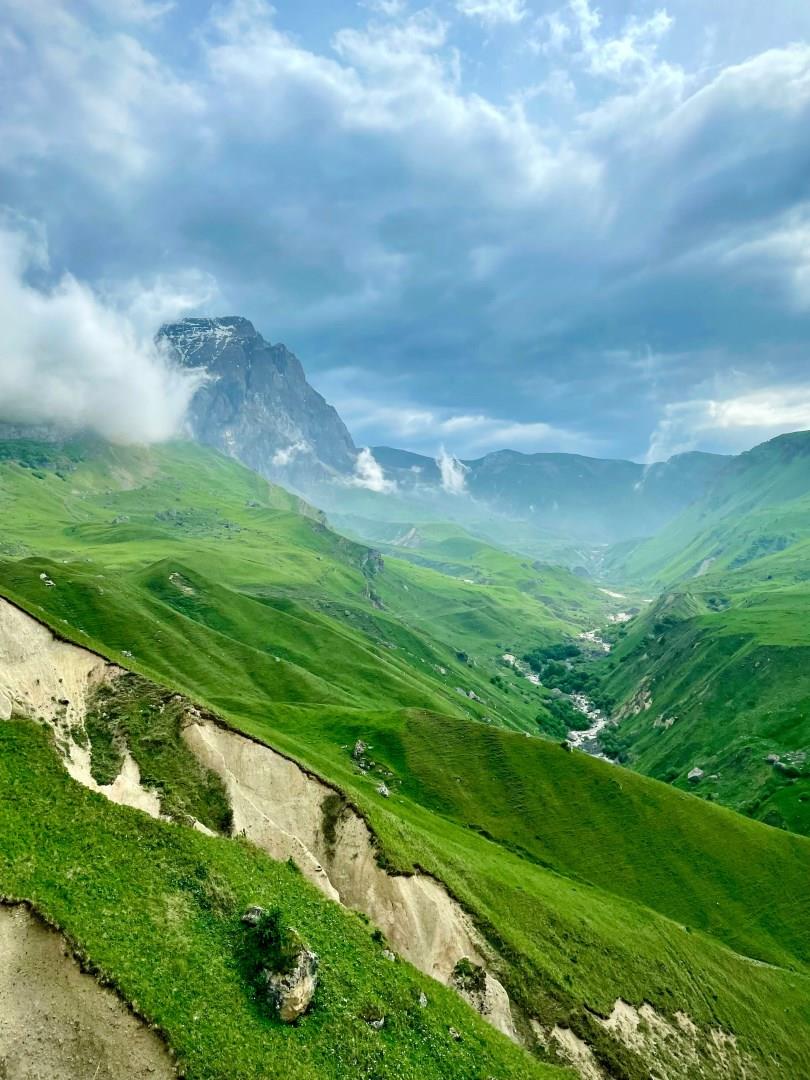
Azerbaijan, often called the “Land of Fire,” sits at the crossroads of Europe and Asia along the Caspian Sea. Its capital, Baku, blends futuristic architecture with centuries-old history.
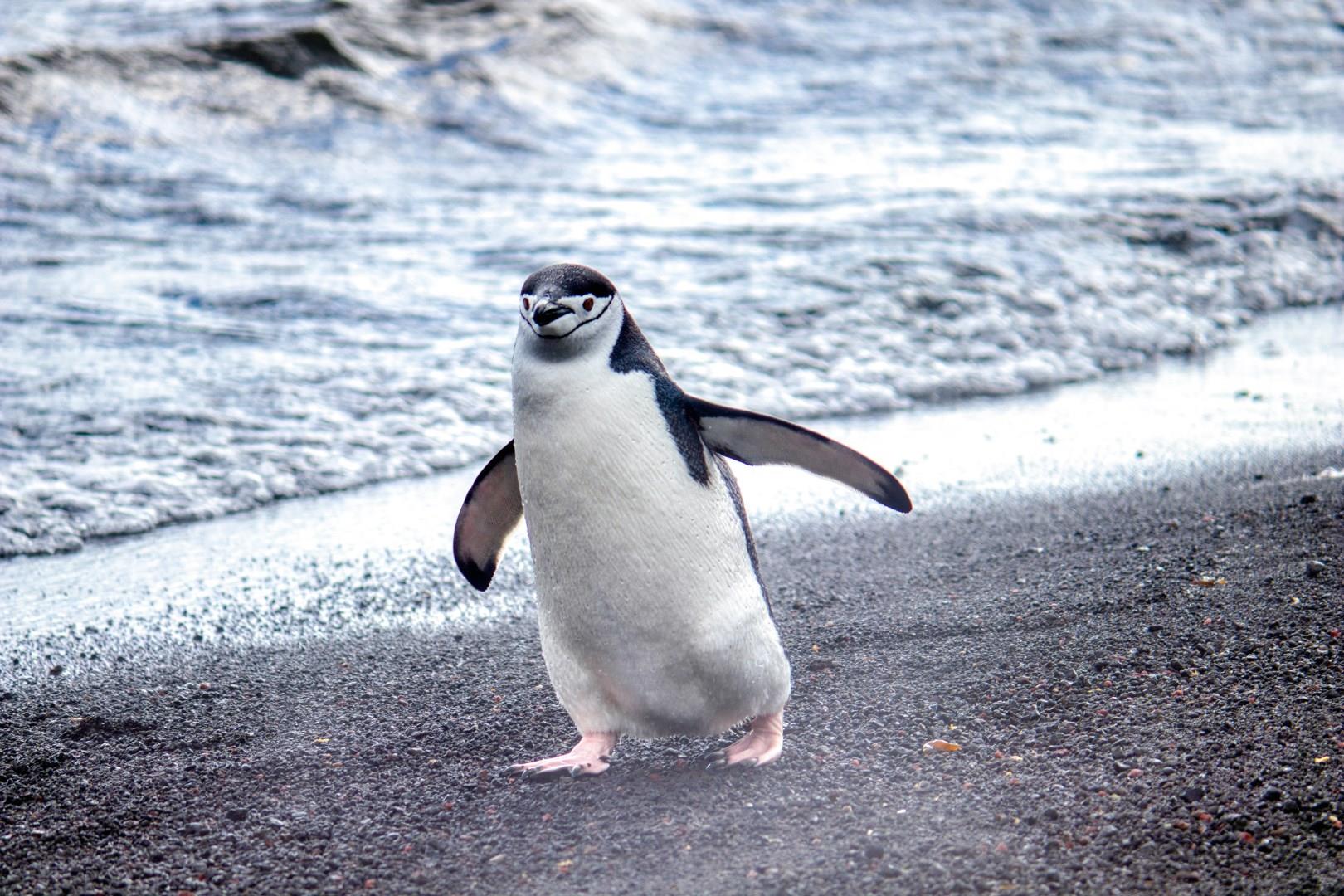
Elephant Island, a remote outcrop off the coast of Antarctica, is not your average travel destination. Known for its dramatic cliffs, towering glaciers, and wild, ice-laced seas, this island is both stark and unforgettable. Located 245 kilometers northeast of the Antarctic Peninsula, Elephant Island is rarely visited except by specialized expedition cruises.
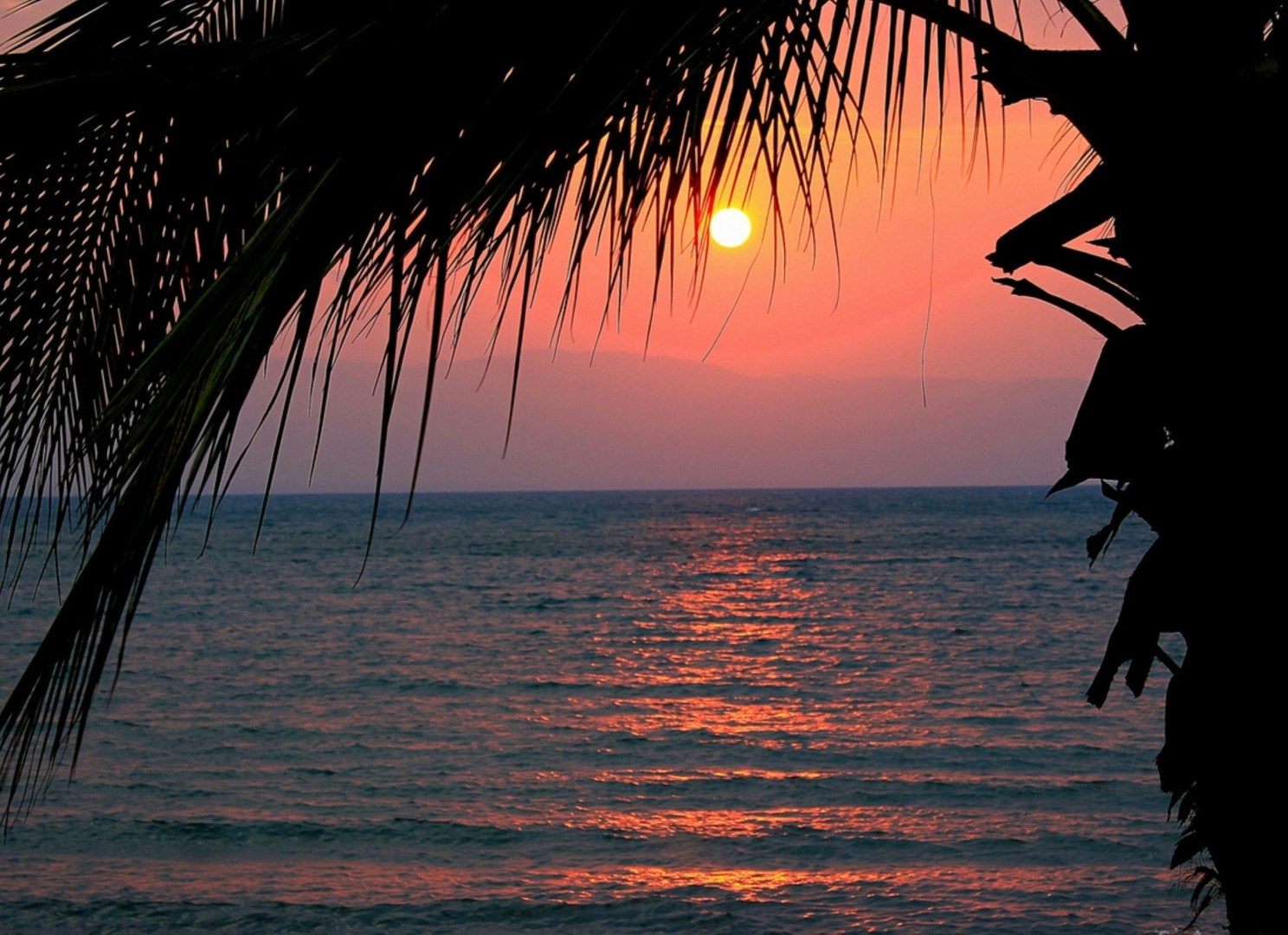
Lake Malawi - The Lake of Stars - is an immense inland sea of fresh, crystal clear water in which tropical fish abound. Its shores and the deserted islands which dot its surface are home to a variety of game and an abundance of exotic birdlife. Local fishermen leisurely paddle their traditional "mokoros", or dugouts, across its expanse, and the sun drenched serenity is but enhanced by the shriek of a Fish Eagle or the grunting of distant hippo.
Lake Malawi is one of a series of lakes in Africa's Rift Valley. It is the ninth largest lake in the world, with a surface area of about 30,000 square km, a length of about 580 km, and is approximately 704 meters deep. Lake Malawi has a very diverse bottom, ranging from rocky, to sandy, to heavily planted areas. As with Lake Tanganyika, the lower layers of the lake are completely devoid of oxygen and uninhabitable by fish. It was reported in "African Cichlids of Lakes Malawi and
Tanganyika-12th Ed." that there are 225 known species of cichlids in the lake, with 40+ species of non-cichlids. Lake Malawi's fish population is a prime food source for many Malawi inhabitants. Lake Malawi National Park, opened in 1980 near Monkey Bay, was put in place to protect the many cichlid species of the lake from extinction due to over-fishing and
collection for export.
Other Popular Destinations in Malawi
Lilongwe
Lilongwe, the capital of Malawi, blends modern development with a laid-back atmosphere, offering visitors an introduction to the country’s culture and daily life. Markets are at the heart of Lilongwe’s character, with the bustling Old Town Market standing out as a must-visit. Here, traders sell everything from fresh produce and local crafts to colorful fabrics and handmade goods.