Ouidah is a coastal city in southern Benin, situated between the Atlantic Ocean and a network of lagoons and wetlands. It is one of the country’s most historically significant destinations and is known for its connections to the Atlantic slave trade, religious traditions, and cultural heritage.
Set in the heart of the Aegean Sea, Skyros, Greek island, stands apart from its neighboring islands with a character shaped by both rugged landscapes and quiet coastal life. As part of the Sporades group, it offers a mix of pine-covered hills in the north and drier, open terrain in the south. The main town, Skyros Town, rises along a hillside crowned by a whitewashed monastery and a medieval-style castle, creating a striking view from the harbor below.
Asmara, the capital of Eritrea, is a city where time seems to have paused in the mid-20th century. Known for its remarkably preserved Italian modernist architecture, the city has earned recognition as a UNESCO World Heritage Site.
San Nicolas, known as Aruba’s “Sunrise City,” offers a completely different vibe from the island’s resort-heavy northwest coast. Located at the southeastern tip, this former oil refinery town has reinvented itself as the cultural heart of Aruba, filled with vibrant street art, local galleries, and a strong sense of community.
Nestled in the scenic Borgarfjörður region of Iceland, Reykholt is a quaint village steeped in historical significance and natural beauty. While it is well known as a center of learning and culture during the medieval period, Reykholt is also famed for its stunning landscapes and geothermal activity. The town's nearby hot springs, including the historic Snorralaug, a medieval bathhouse, offer a unique opportunity to soak in waters that have been enjoyed for centuries.
Photo Credit: Photo by Matheus Oliveira on Unsplash
Photo Credit: Photo by Andre Antonelli on Unsplash
Photo Credit: Photo by Yuudai Sam on Unsplash
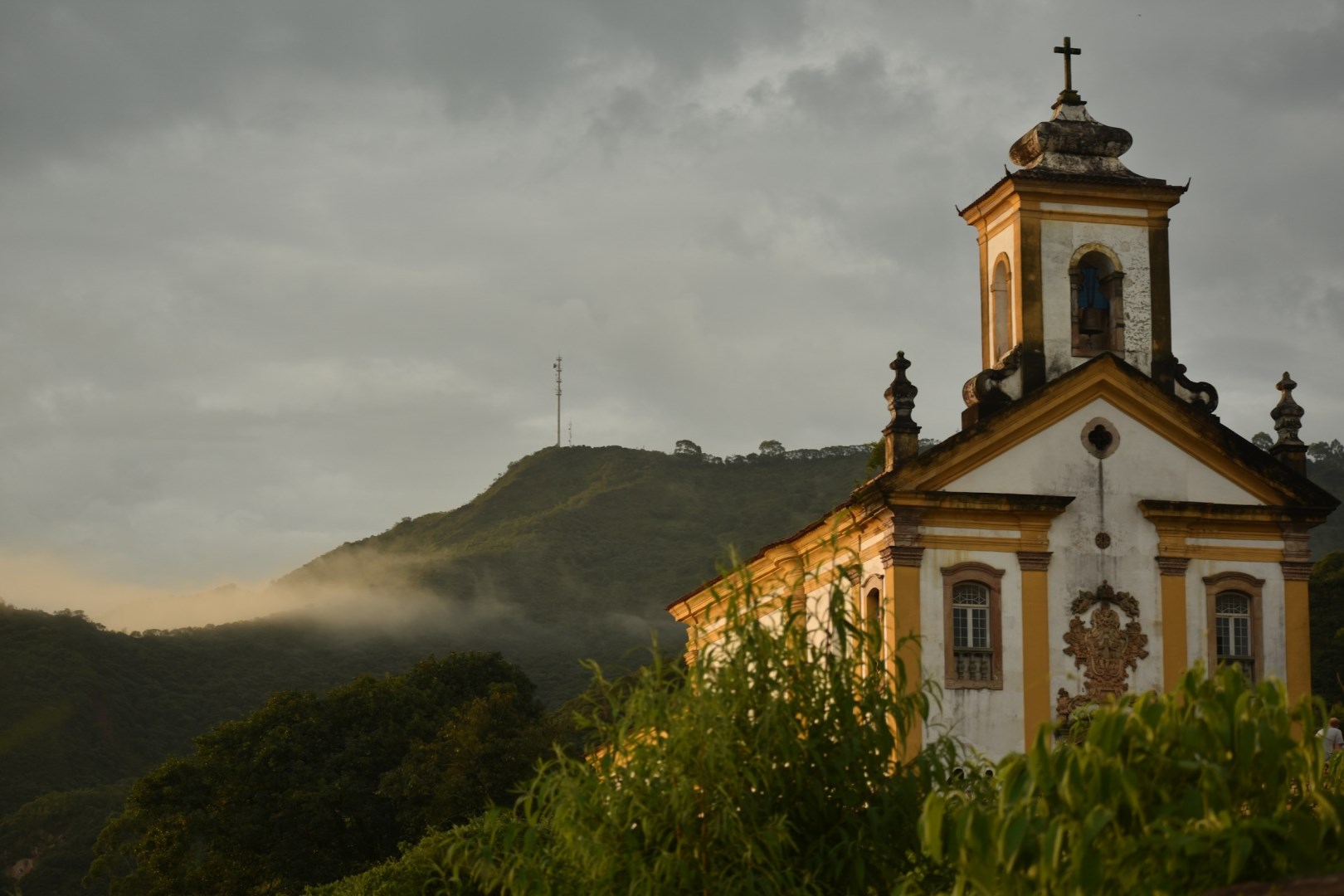
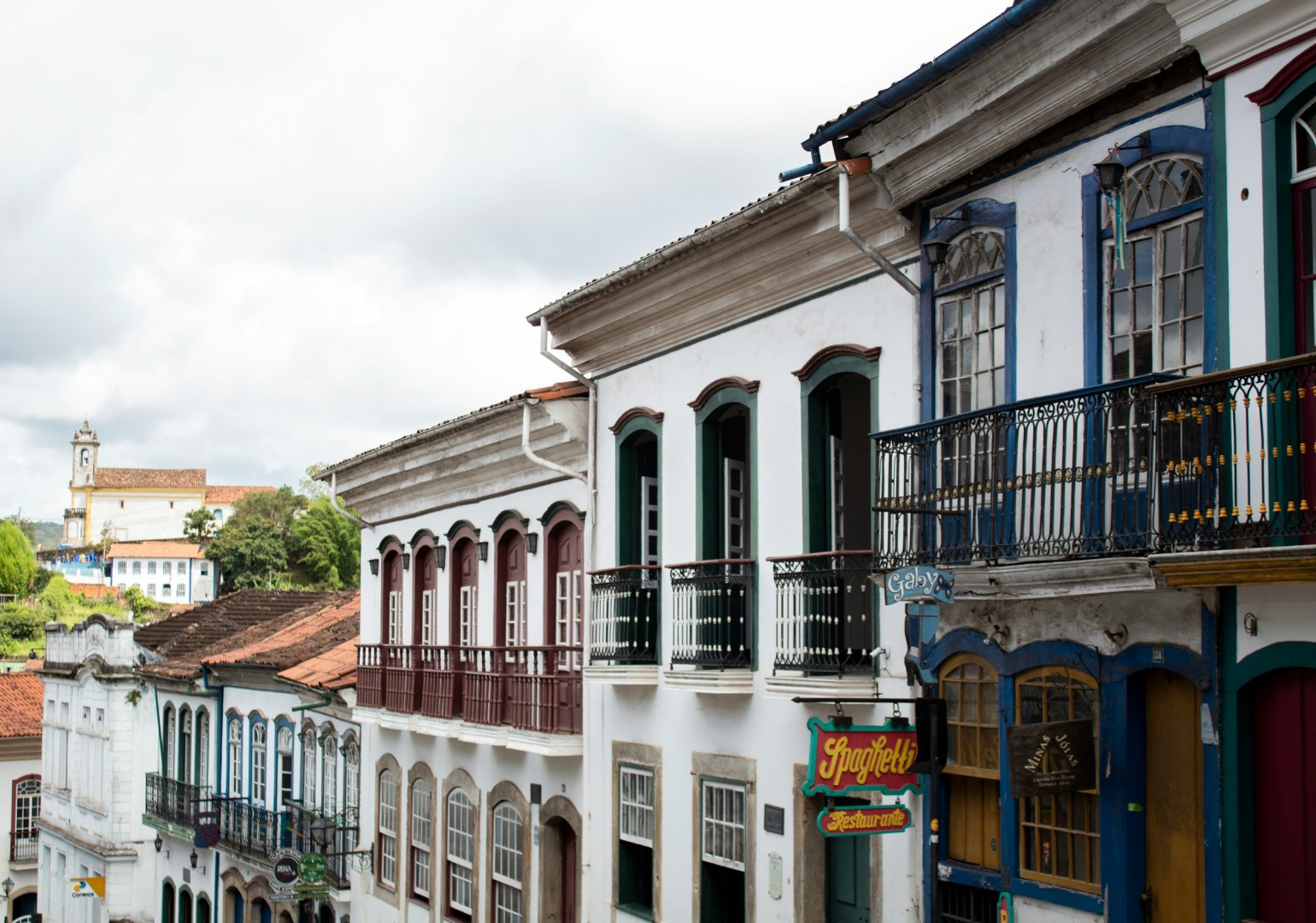
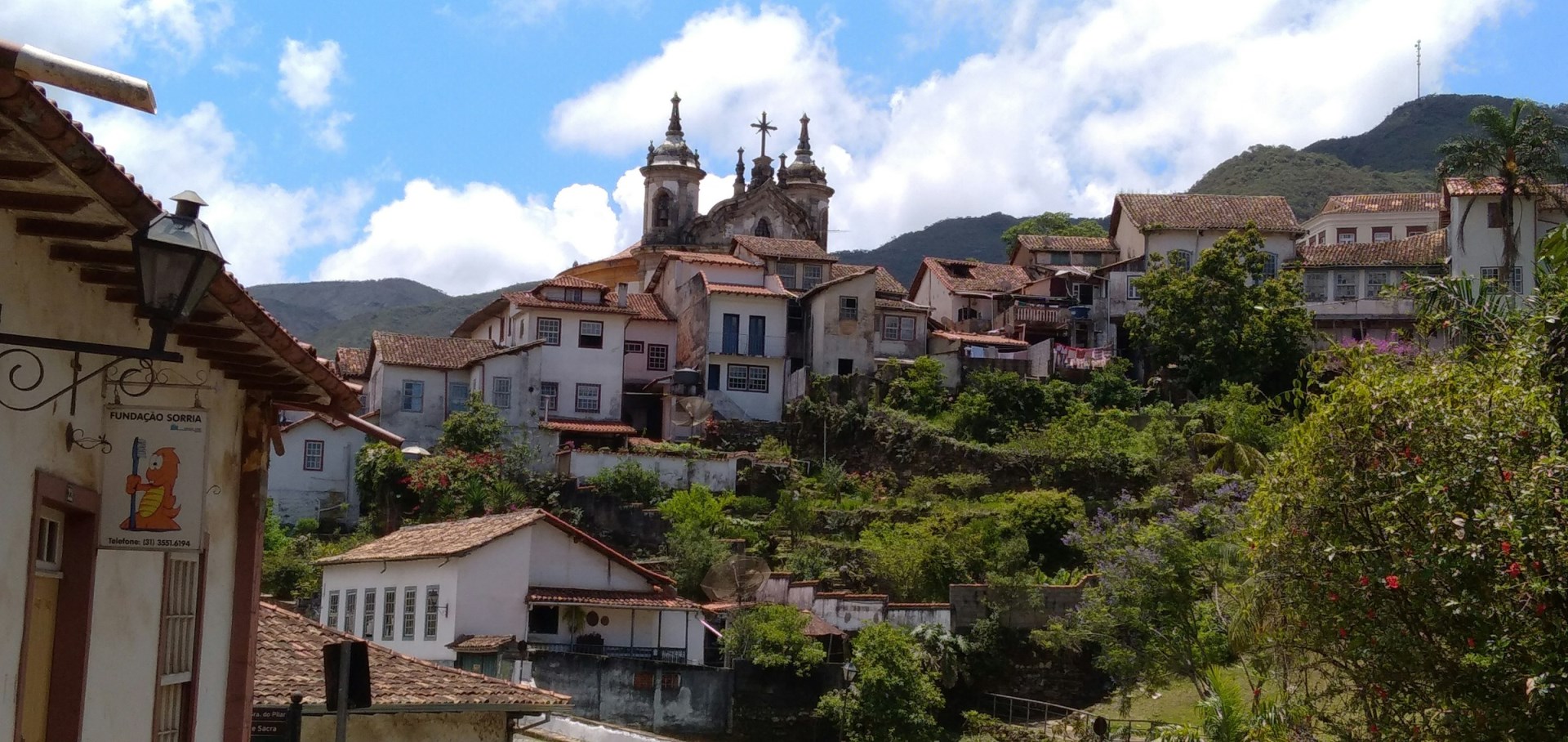
In Ouro Preto you will learn about the history of civilization. Walking around on the streets of Ouro Preto is an adventur full of discovery! With just a little time, you can wander freely between a world of history and that of actuality, with limits outlined by colonial architecture that now houses charming inns, restaurants, museums, shops, and more. Let's talk about attractions: Ouro Preto has eleven historic churches and more than eight museums, including the famous Museum of Minerology, the Casa dos Contos, and the Museum of the Inconfidência. The colonial era gold mines are open to visitors, as well as are many art galleries, the oldest opera house in South America, and much more. These are some of the reasons the city proudly bears the "Cultural Patrimony for All Mankind" title bestowed on it by Unesco. Ouro Preto is actually quite cosmopolitan and multifaceted. It is inhabited by hospitable, communicative, and justifiably proud people. In its soul, the city guards the symbols of creation and liberty. Due to its rich ecology and natural beauty, the region is also of interest to naturalists. Ouro Preto is also famous for its romantic atmosphere. It has a good infrastructure for turists, delicious regional cuisine, local folk art and handicrafts, and various social and cultural events. In case you have a little extra time, you shouldn't leave without visiting the eleven nearby villages in the surrounding municipal district.