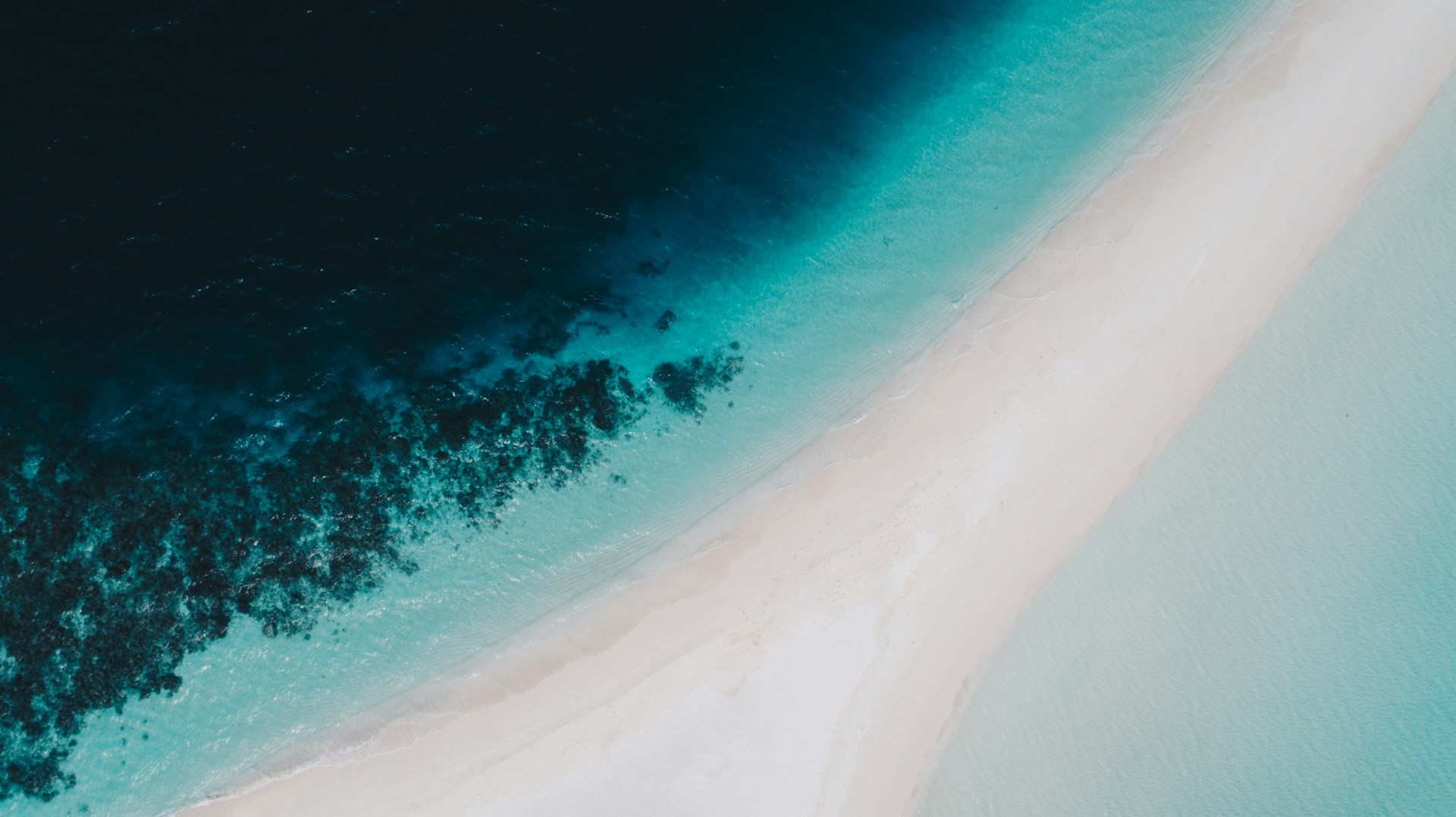
South Malé Atoll, also known as Kaafu Atoll, lies immediately south of Malé and is among the most accessible island regions in the Maldives. Its islands range from established local communities to private resort islands, surrounded by lagoons, coral reefs, sandbanks, and channels. Maafushi, Gulhi, Guraidhoo, and Thulusdhoo are well-known inhabited islands in the wider Malé atoll region, while resort islands provide a different style of stay.
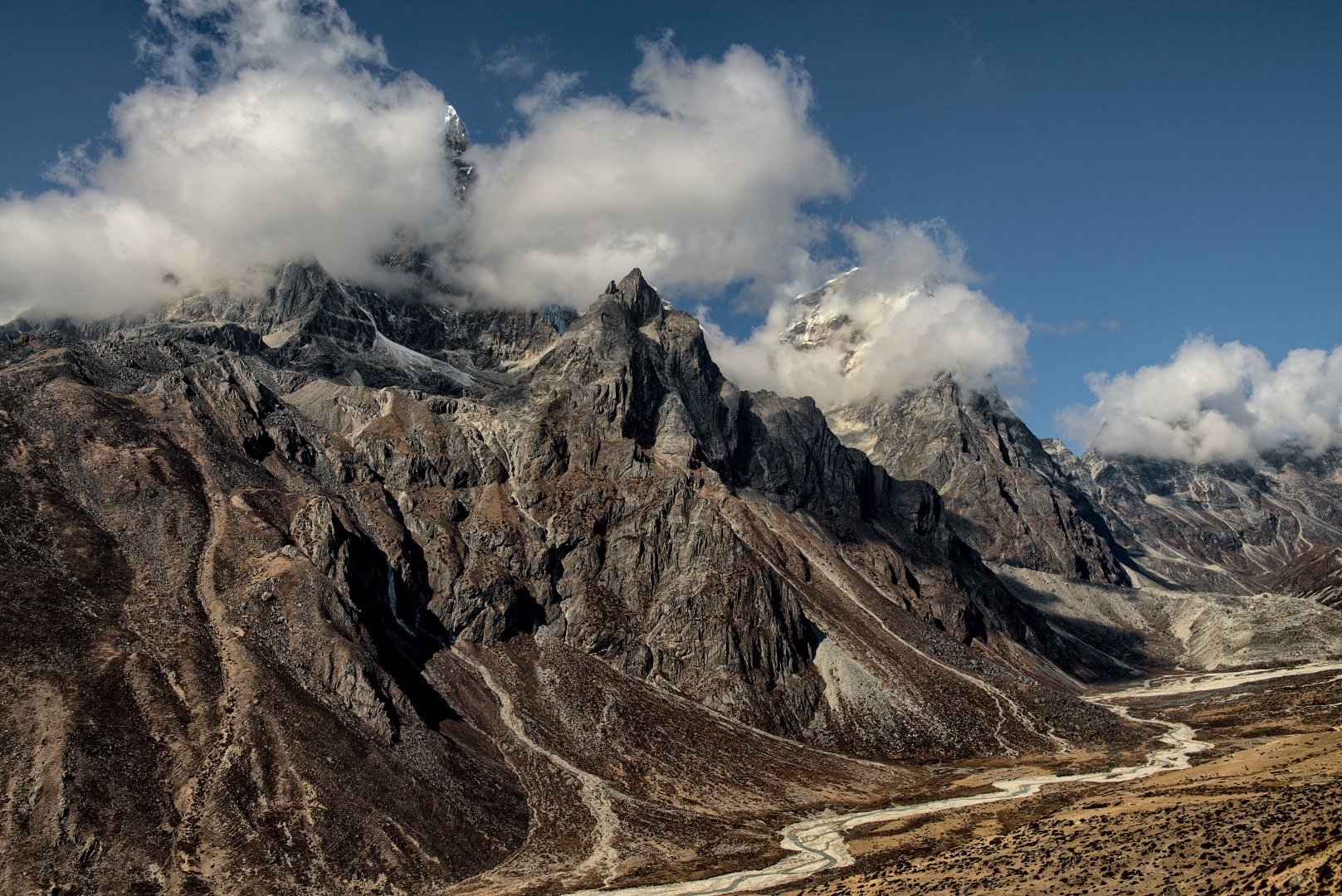
High in the Khumbu region, Lobuche sits in a stark alpine setting along the trail toward Mount Everest. Surrounded by rocky terrain and glacial formations, the village stands close to the Khumbu Glacier, where the landscape shifts into shades of gray, white, and deep blue. The air here is thin and crisp, and the silence is often broken only by the wind moving across the valley.
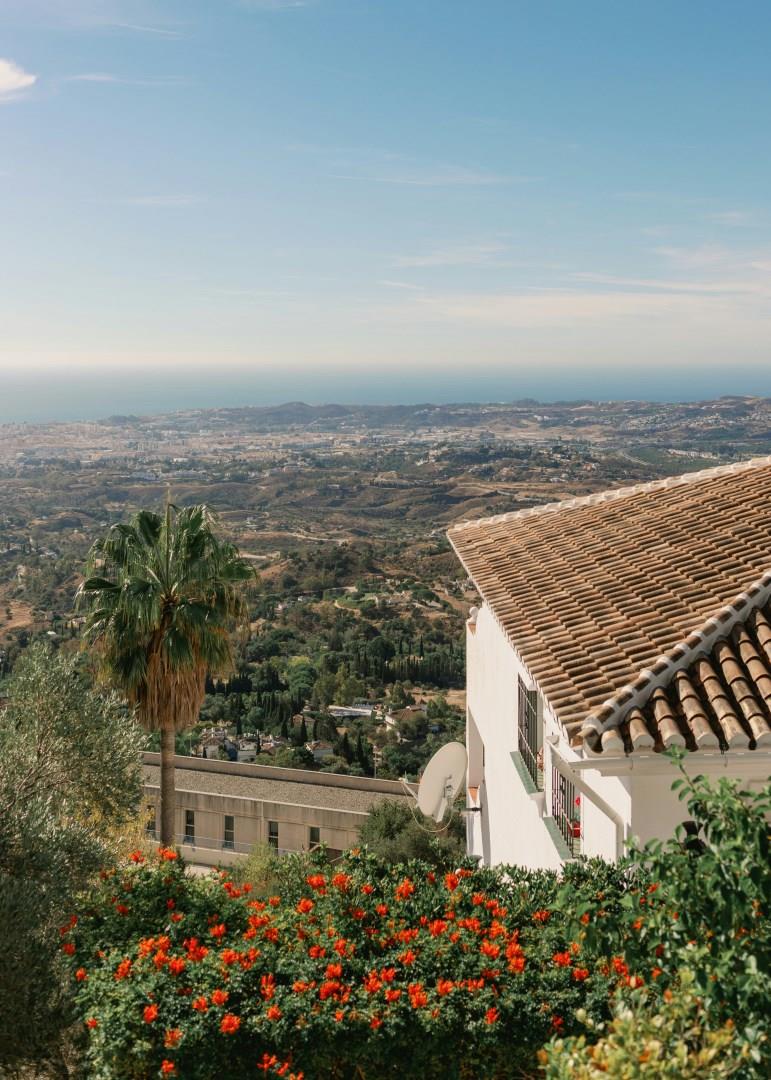
Mijas, perched on the hillside above the Costa del Sol, blends centuries of Andalusian tradition with views that stretch across the Mediterranean. The whitewashed buildings of Mijas Pueblo reflect sunlight from narrow cobbled streets that wind through small plazas, each with its own fountain, chapel, or overlook. The town’s layout still follows Moorish-era planning, and remnants of the old wall (La Muralla) offer shaded walks lined with native plants and panoramic views over the coast.
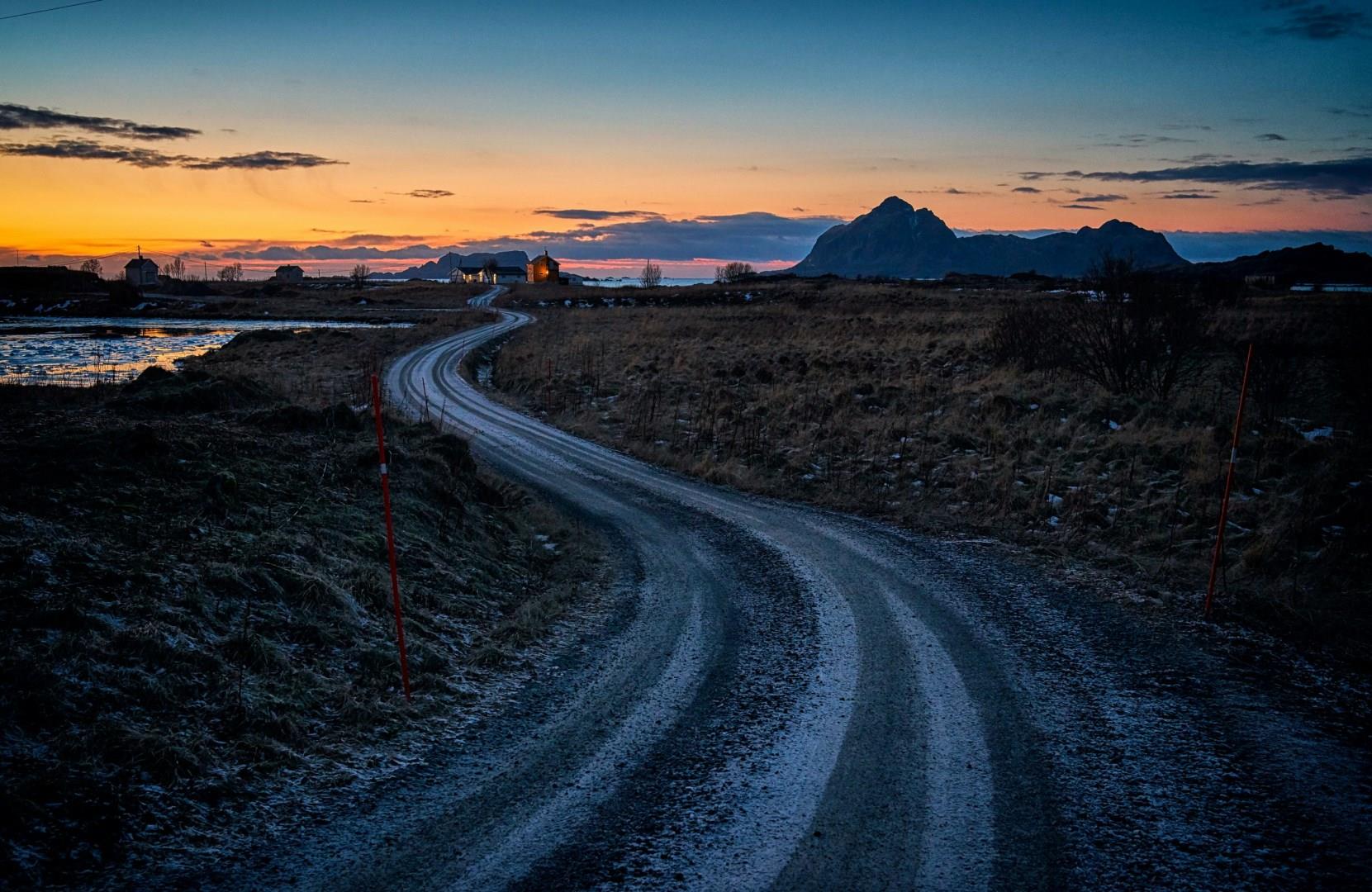
Vesteralen is a coastal archipelago in northern Norway, located just north of the Lofoten Islands, known for its wide-open landscapes, dramatic skies, and strong ties to the sea. Historically shaped by fishing and seafaring, the region’s communities developed around sheltered harbors and seasonal fisheries, particularly for cod.
Photo Credit: Photo by Matheus Oliveira on Unsplash
Photo Credit: Photo by Andre Antonelli on Unsplash
Photo Credit: Photo by Yuudai Sam on Unsplash
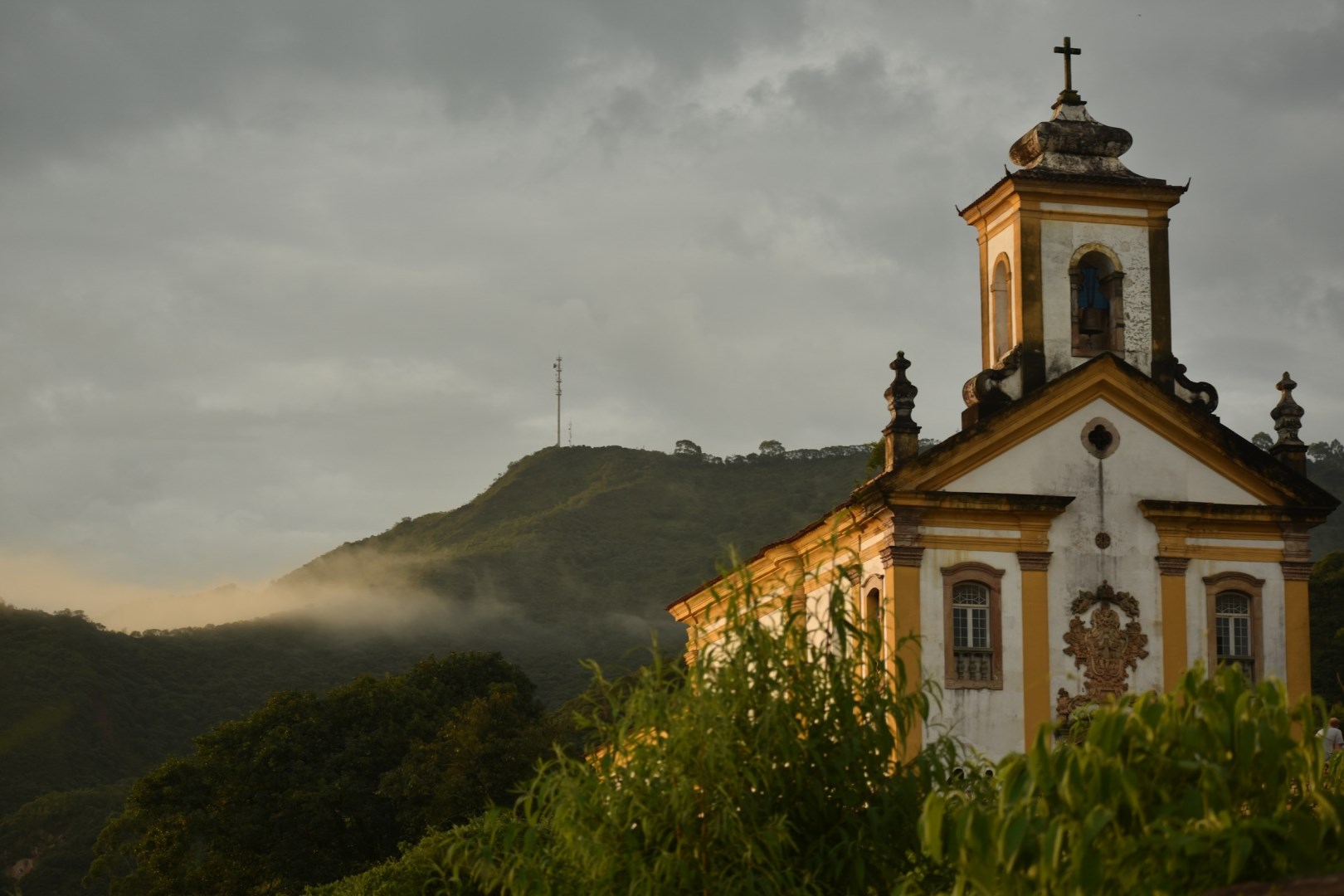
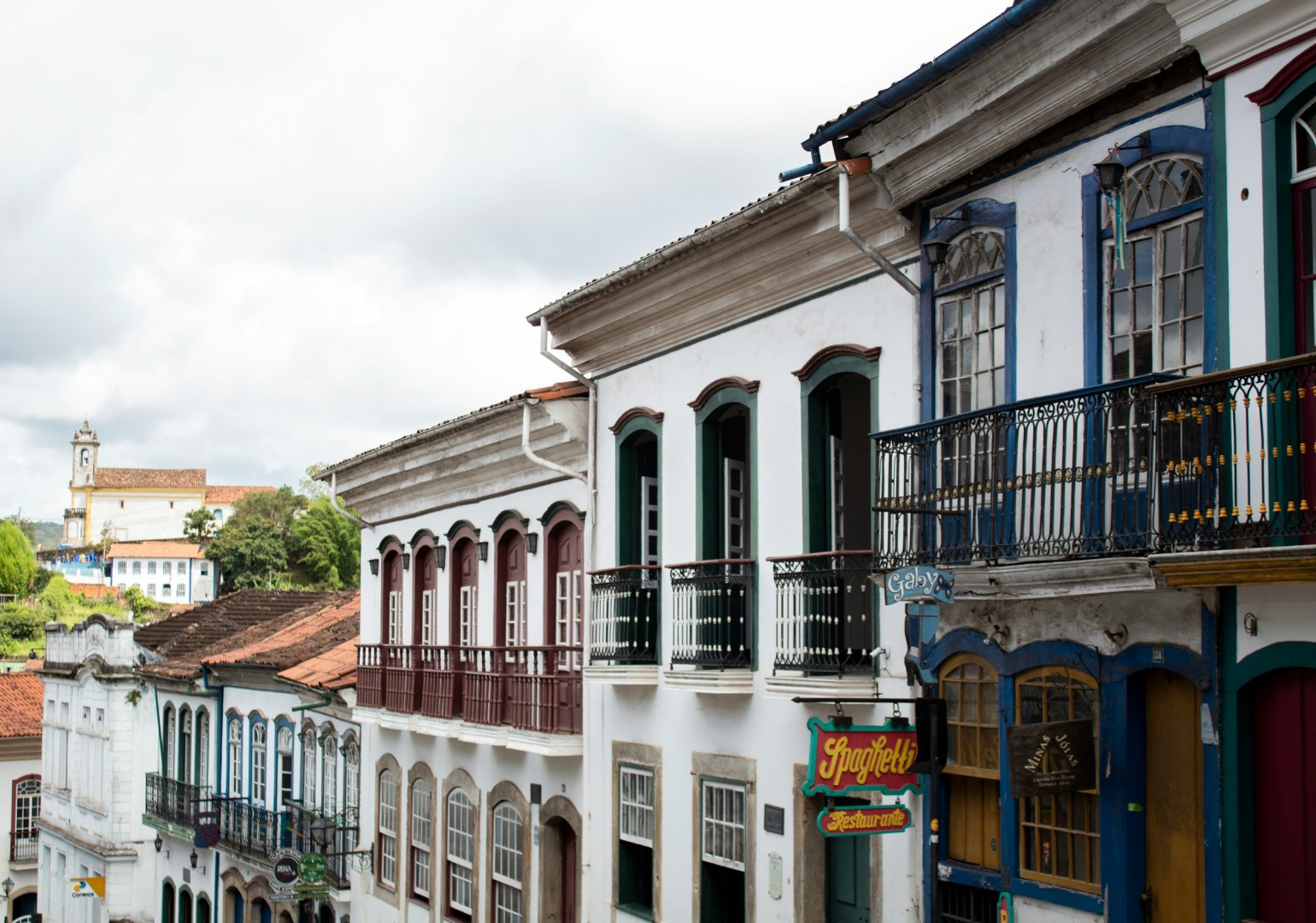
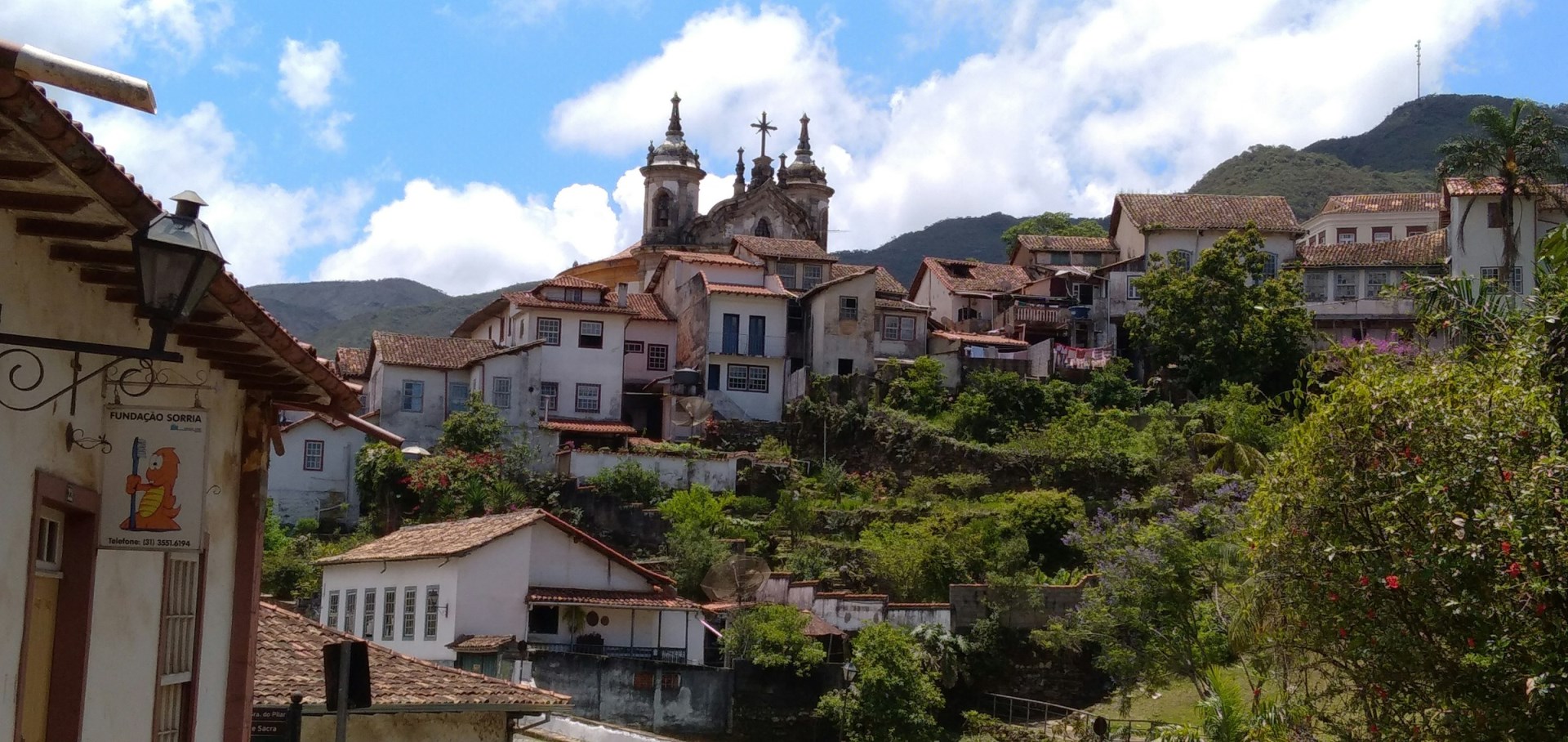
In Ouro Preto you will learn about the history of civilization. Walking around on the streets of Ouro Preto is an adventur full of discovery! With just a little time, you can wander freely between a world of history and that of actuality, with limits outlined by colonial architecture that now houses charming inns, restaurants, museums, shops, and more. Let's talk about attractions: Ouro Preto has eleven historic churches and more than eight museums, including the famous Museum of Minerology, the Casa dos Contos, and the Museum of the Inconfidência. The colonial era gold mines are open to visitors, as well as are many art galleries, the oldest opera house in South America, and much more. These are some of the reasons the city proudly bears the "Cultural Patrimony for All Mankind" title bestowed on it by Unesco. Ouro Preto is actually quite cosmopolitan and multifaceted. It is inhabited by hospitable, communicative, and justifiably proud people. In its soul, the city guards the symbols of creation and liberty. Due to its rich ecology and natural beauty, the region is also of interest to naturalists. Ouro Preto is also famous for its romantic atmosphere. It has a good infrastructure for turists, delicious regional cuisine, local folk art and handicrafts, and various social and cultural events. In case you have a little extra time, you shouldn't leave without visiting the eleven nearby villages in the surrounding municipal district.
Other Popular Destinations in Brazil
Amazon Rainforest
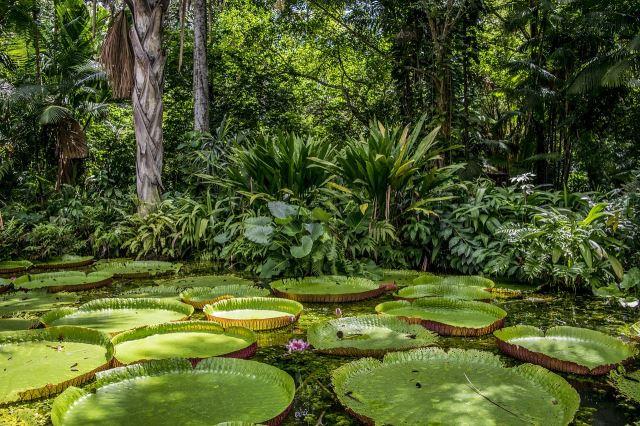
Exploring the Amazon Jungle in Brazil is like venturing into the heart of a living, breathing world. The Amazon Rainforest, often referred to as the "lungs of the Earth," is a lush, sprawling expanse that teems with extraordinary biodiversity.
Rio de Janeiro
Exhilarating Rio de Janeiro, the vibrant South American destination and cultural capital, abounds with iconic landmarks, beaches, and attractions. Christ the Redeemer, the hundred-foot mosaic statue atop Corcovado Mountain, overlooks the glittering coastline and is instantly recognizable, having become an enduring symbol of the city itself. Its arms stretching wide, the prominent figure beckons you to explore this inviting locale.