Maui, both second youngest and second largest of the Hawaiian Islands, is home to the world's largest dormant volcano, Haleakala, meaning "House of the Sun." Last erupting about 200 years ago, it makes up the eastern end of the island. Maui was formed by volcanic activity from Haleakala on the east and the West Maui Mountains to the west. The connecting isthmus between the two spots was formed from joining lava from both and gives Maui its nickname, the Valley Isle.
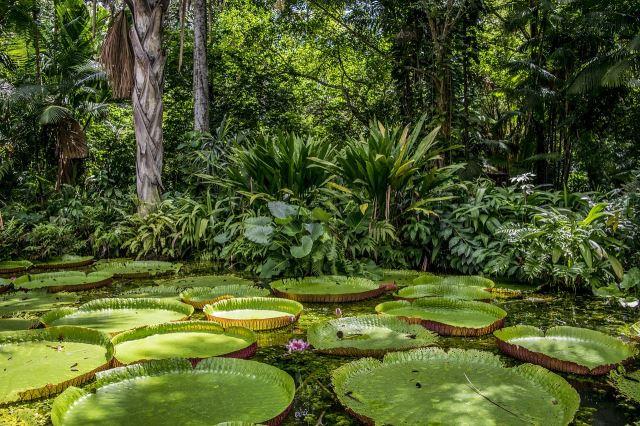
Although not accessible by road, it is Peru's most important commerical center in the east. It is on the Amazon which is wide enough to allow freighters at their busy port. The 1880's saw the rubber boom and recently oil has been the boom.
Mount Gambier is located midway between Adelaide and Melbourne. The city is built on its slopes, in the center of the largest pine plantation in Australia.
Sofia, Bulgaria’s capital, is a city where the past meets the present in a symphony of ancient history, stunning architecture, and vibrant urban life. At the heart of Sofia lies the Alexander Nevsky Cathedral, one of the largest Eastern Orthodox cathedrals in the world. With its golden domes and elaborate frescoes, this architectural marvel serves as a symbol of Bulgarian identity and a must-see attraction.
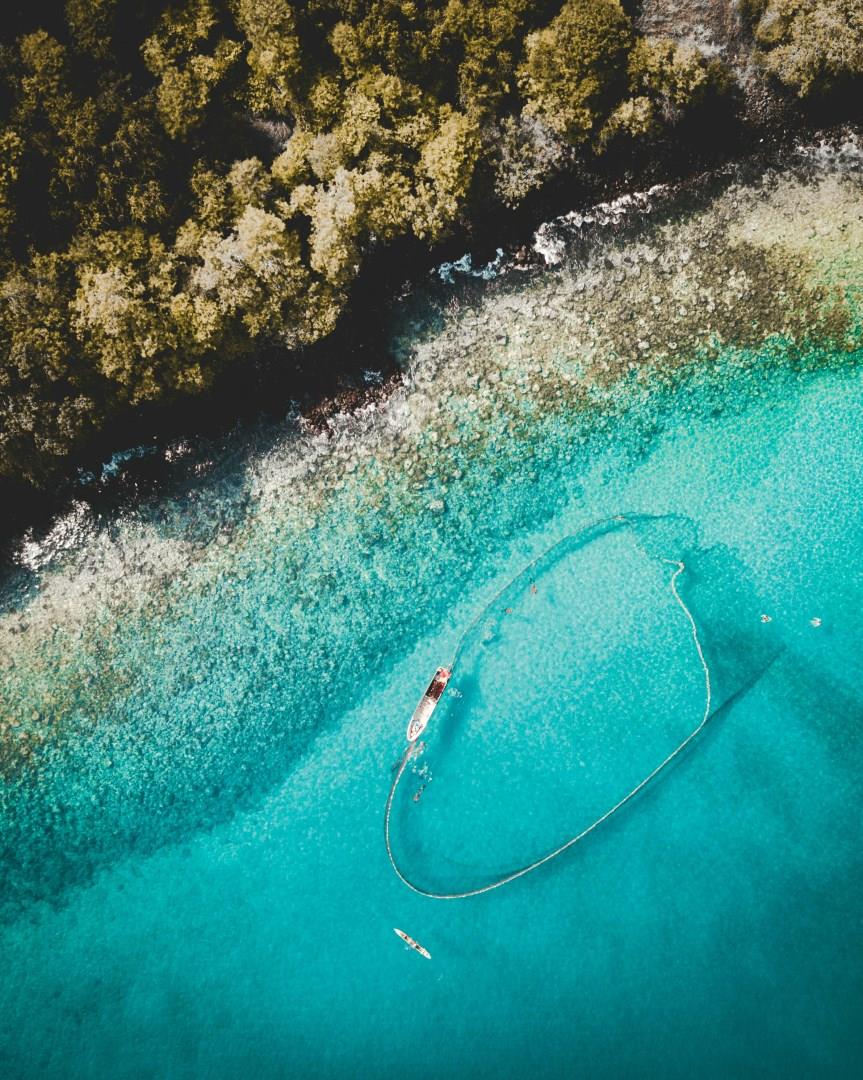
Guam, a vibrant island territory in the Western Pacific, offers travelers more than just sandy beaches and turquoise water. As the largest island in Micronesia, Guam has a dynamic past that’s shaped its present. Evidence of ancient Chamorro settlements can be found at sites like Latte Stone Park, where limestone pillars dating back over a thousand years stand tall.
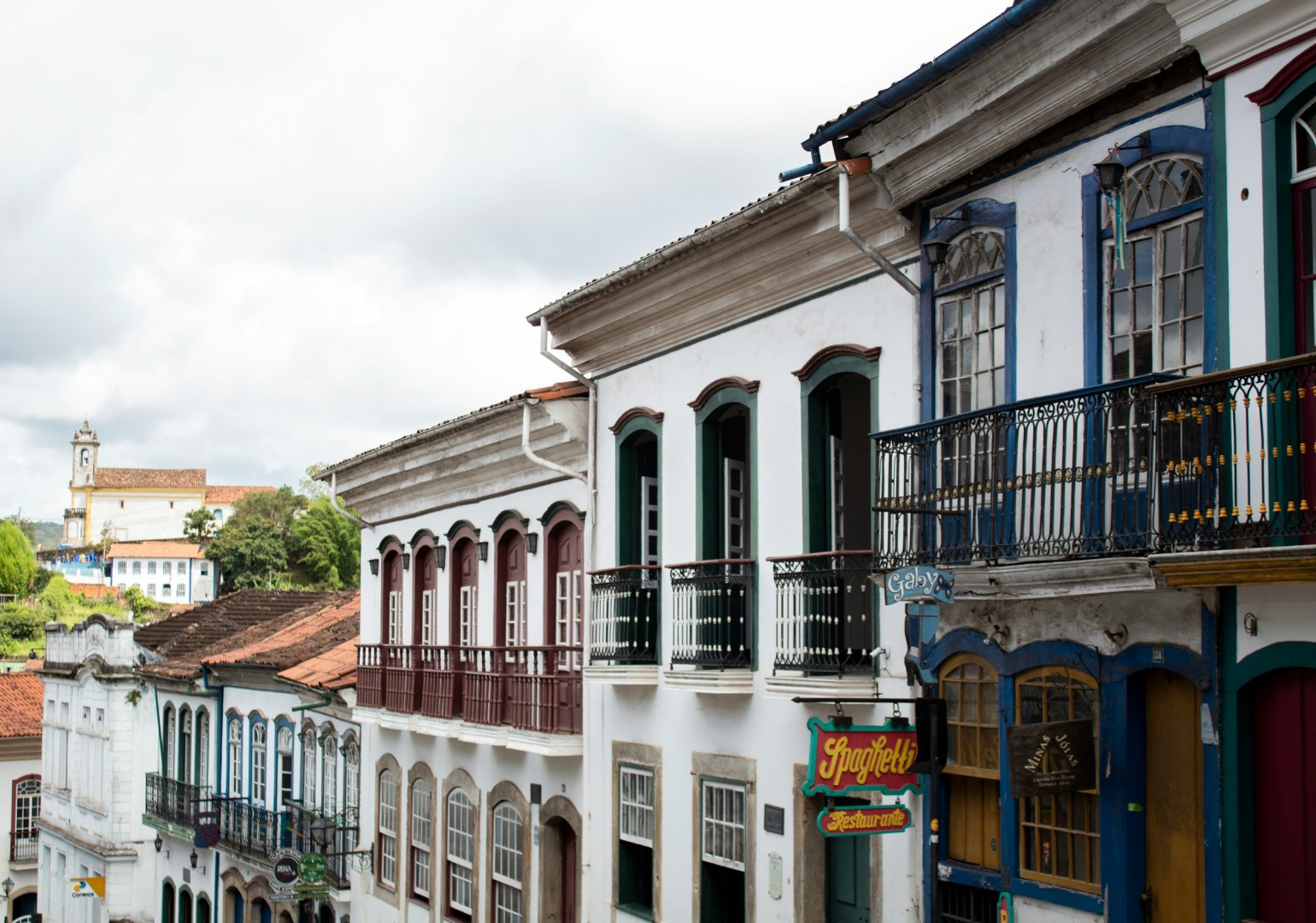
Photo Credit: Photo by Matheus Oliveira on Unsplash
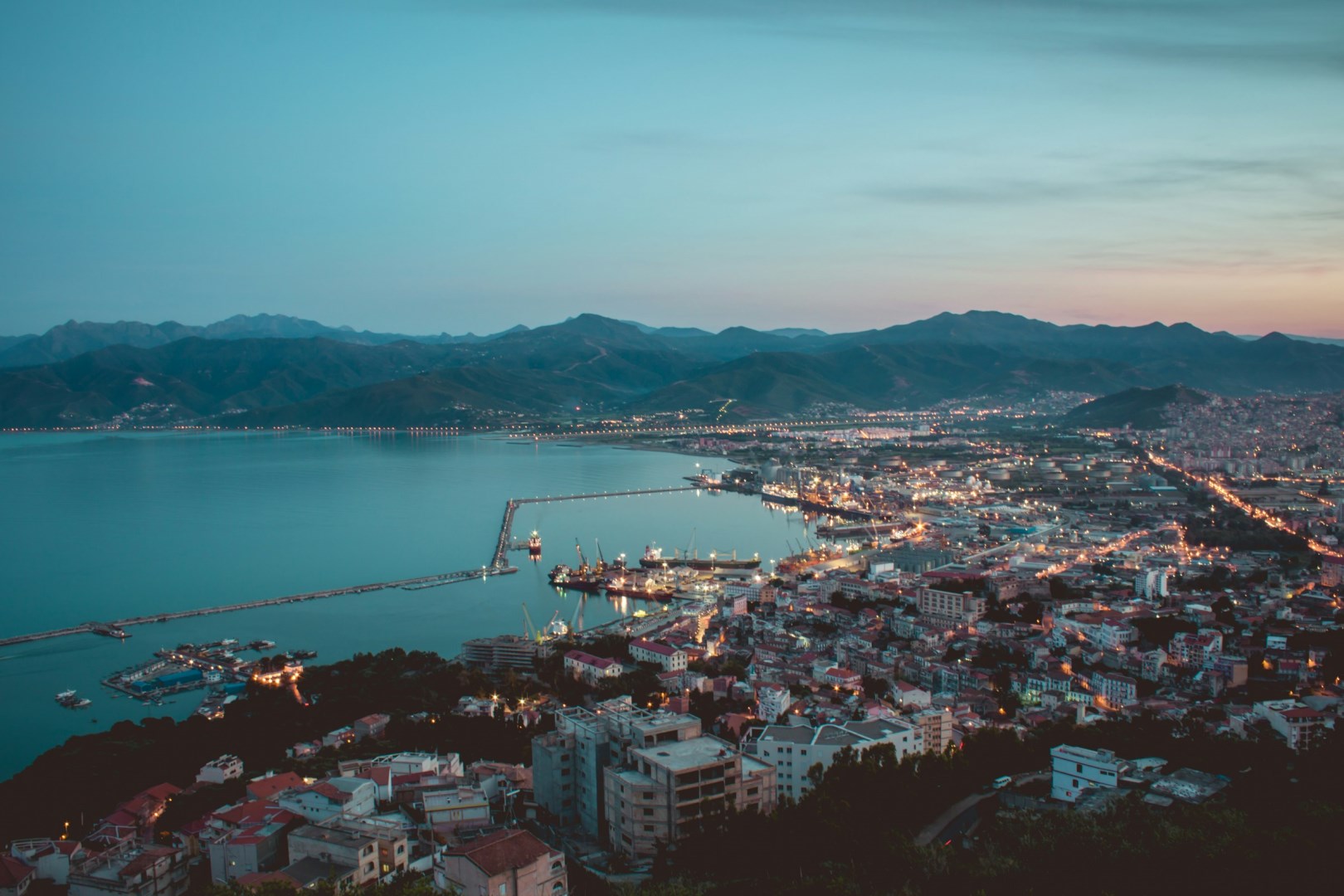
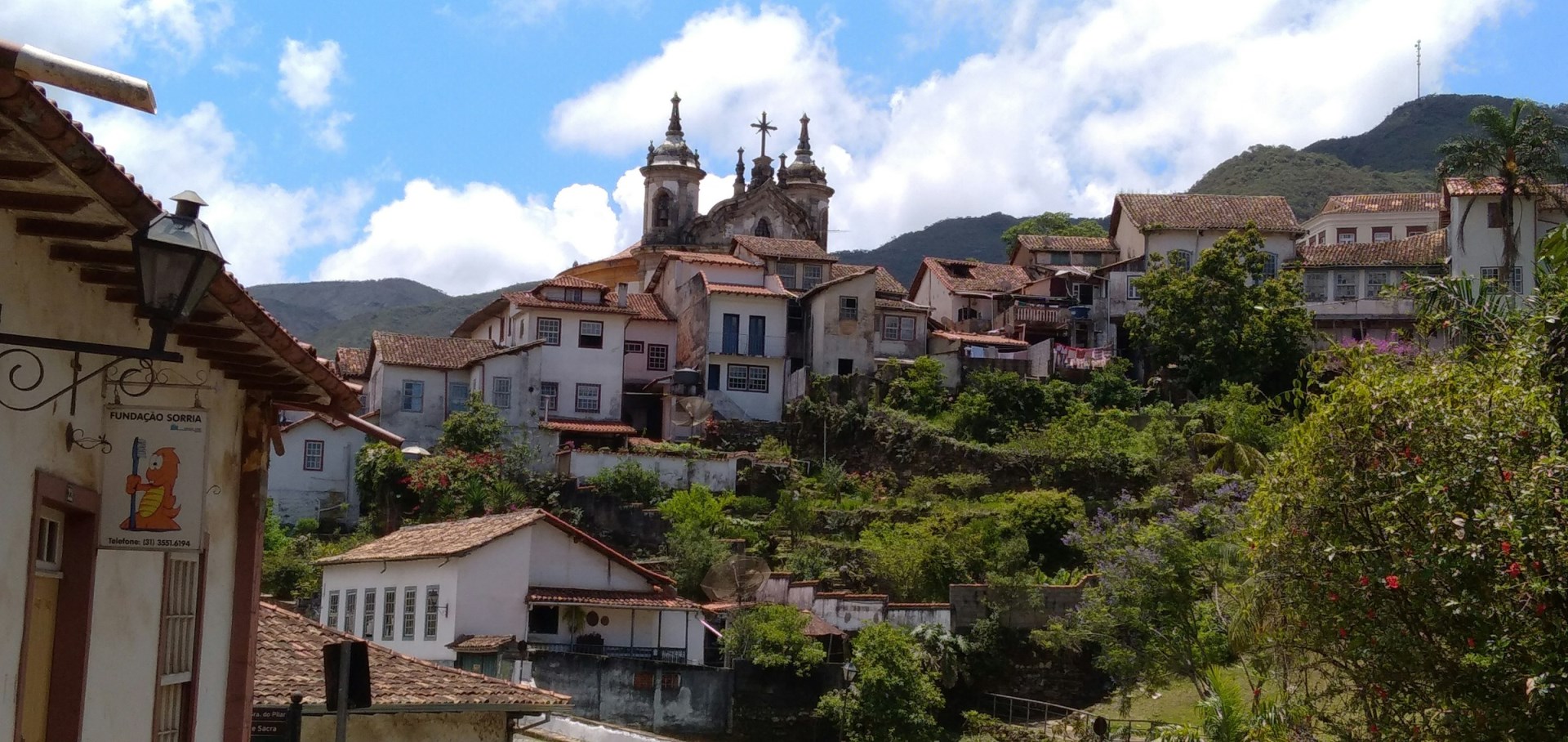
Photo Credit: Photo by Andre Antonelli on Unsplash
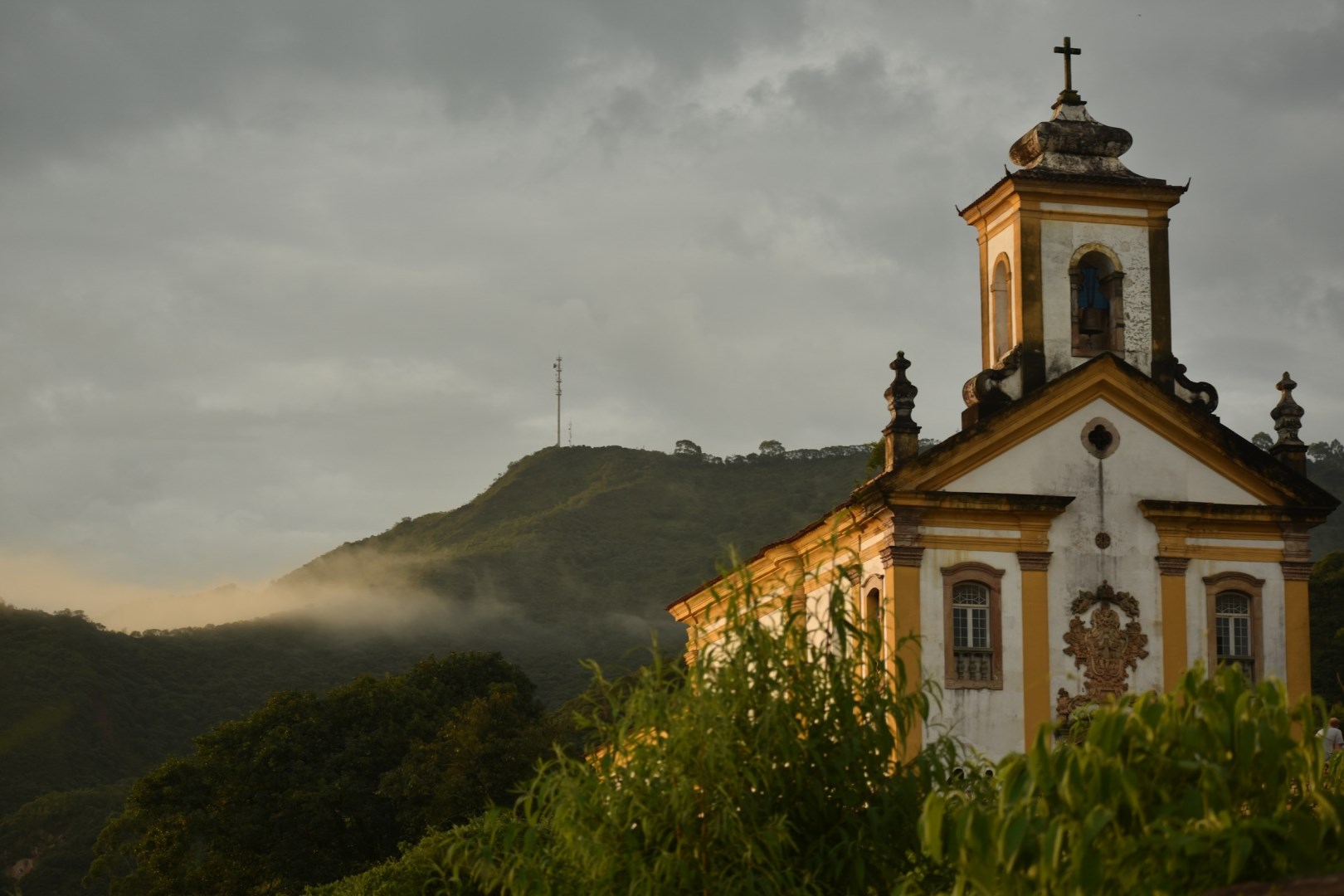
In Ouro Preto you will learn about the history of civilization. Walking around on the streets of Ouro Preto is an adventur full of discovery! With just a little time, you can wander freely between a world of history and that of actuality, with limits outlined by colonial architecture that now houses charming inns, restaurants, museums, shops, and more. Let's talk about attractions: Ouro Preto has eleven historic churches and more than eight museums, including the famous Museum of Minerology, the Casa dos Contos, and the Museum of the Inconfidência. The colonial era gold mines are open to visitors, as well as are many art galleries, the oldest opera house in South America, and much more. These are some of the reasons the city proudly bears the "Cultural Patrimony for All Mankind" title bestowed on it by Unesco. Ouro Preto is actually quite cosmopolitan and multifaceted. It is inhabited by hospitable, communicative, and justifiably proud people. In its soul, the city guards the symbols of creation and liberty. Due to its rich ecology and natural beauty, the region is also of interest to naturalists. Ouro Preto is also famous for its romantic atmosphere. It has a good infrastructure for turists, delicious regional cuisine, local folk art and handicrafts, and various social and cultural events. In case you have a little extra time, you shouldn't leave without visiting the eleven nearby villages in the surrounding municipal district.