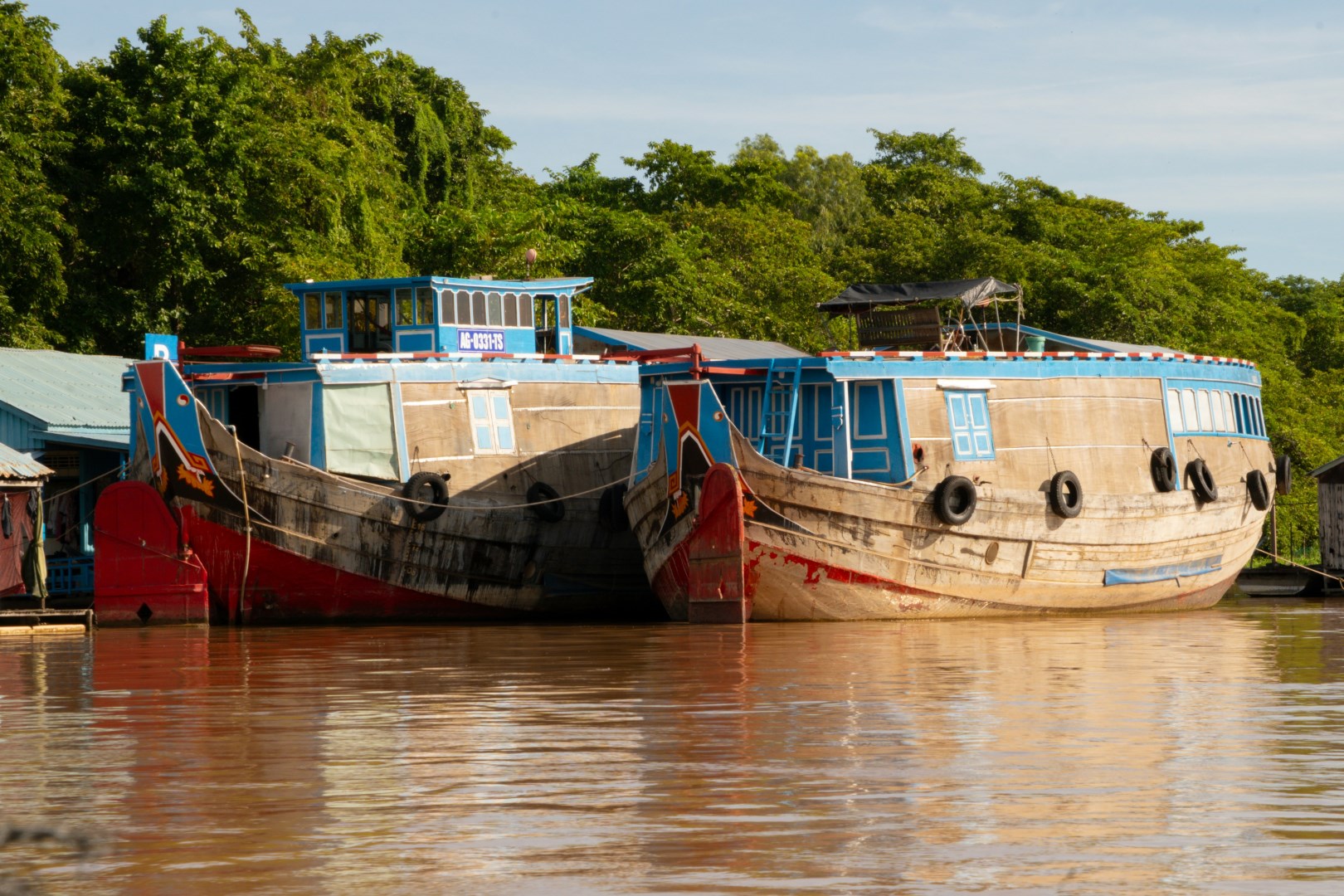
Chau Doc
Chau Doc is a riverside city in Vietnam’s An Giang Province, close to the border with Cambodia and the waterways of the Mekong Delta. The city is known for its floating fish farms, canal networks, and active river trade that connects nearby rural communities.

Tangier
Located on the north coast of Morocco near the Strait of Gibraltar, Tangier is a cultural capital replete with historic sites, colorful architecture, and splendid beaches. An essential stop is the Ancien Medina, a walled collection of winding streets and alleys filled with cafes and shops leading to the Kasbah, a former palace and mosque that also houses a museum.
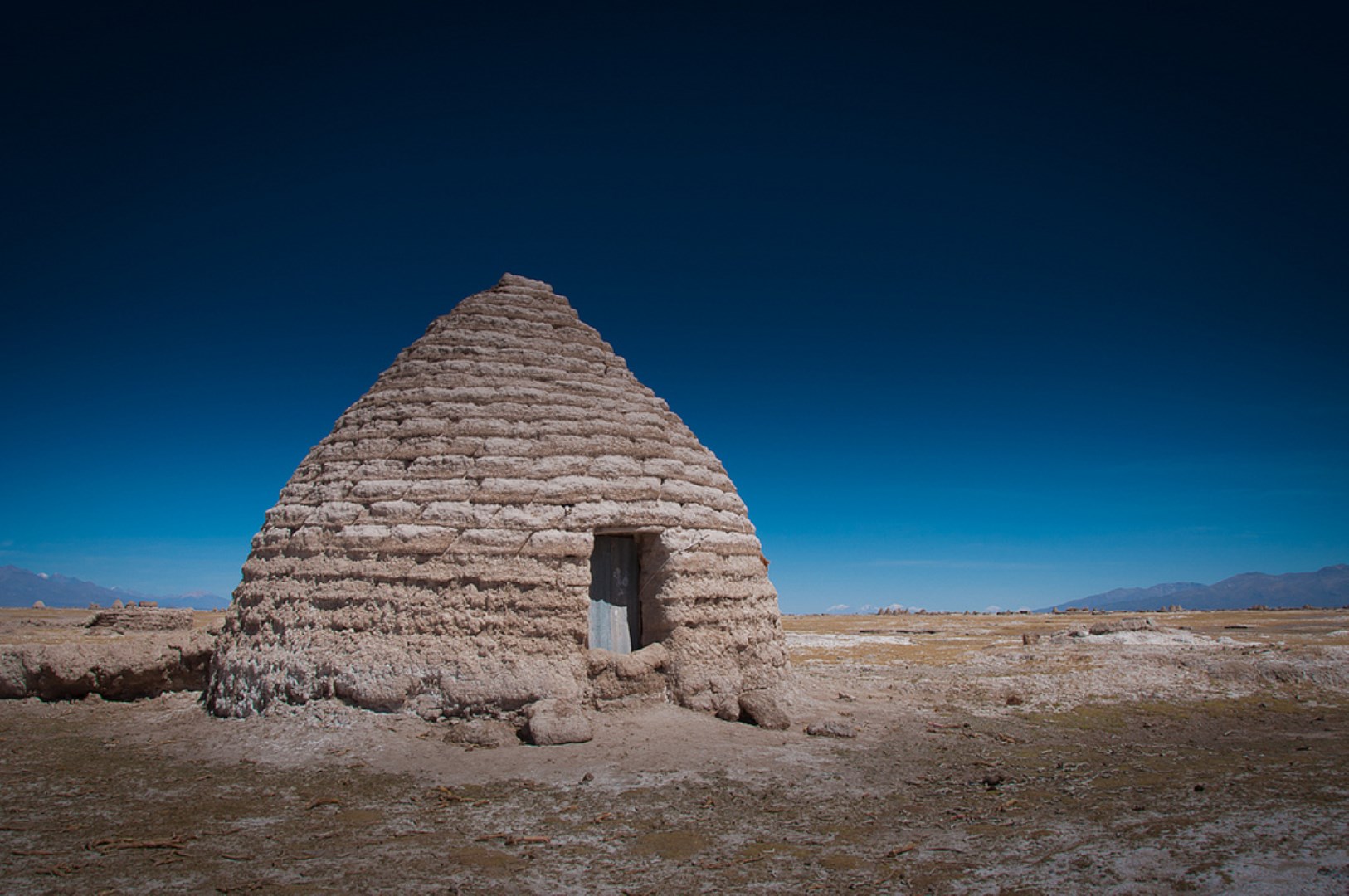
Oruro
Oruro, city in western Bolivia, capital of Oruro Department, located on a plateau about 3700 m (about 12,140 ft) above sea level. Oruro is a major railroad junction and an important commercial and processing center in a mineral, especially tin, mining area. Industries in the city include tin smelting and shoe and clothing manufacture. The Technical University of Oruro (1892) is here. Oruro was settled about 1595 by Spaniards interested in its silver deposits.
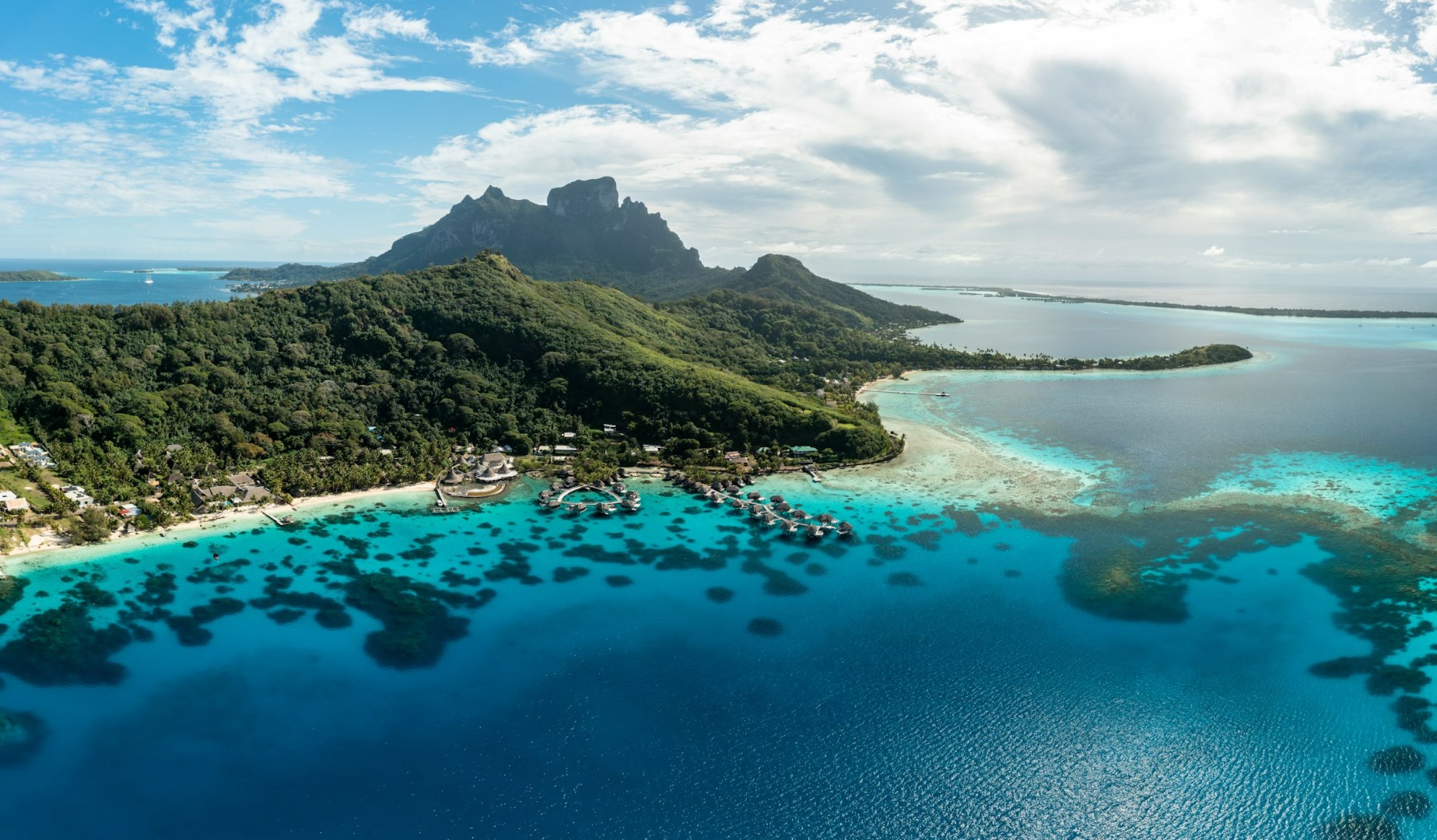
Bora Bora
Bora Bora, often referred to as the "Jewel of the South Seas," is the epitome of tropical luxury. Nestled in the Society Islands of French Polynesia, this idyllic island is famed for its stunning turquoise lagoon, ringed by a barrier reef and dotted with overwater bungalows.
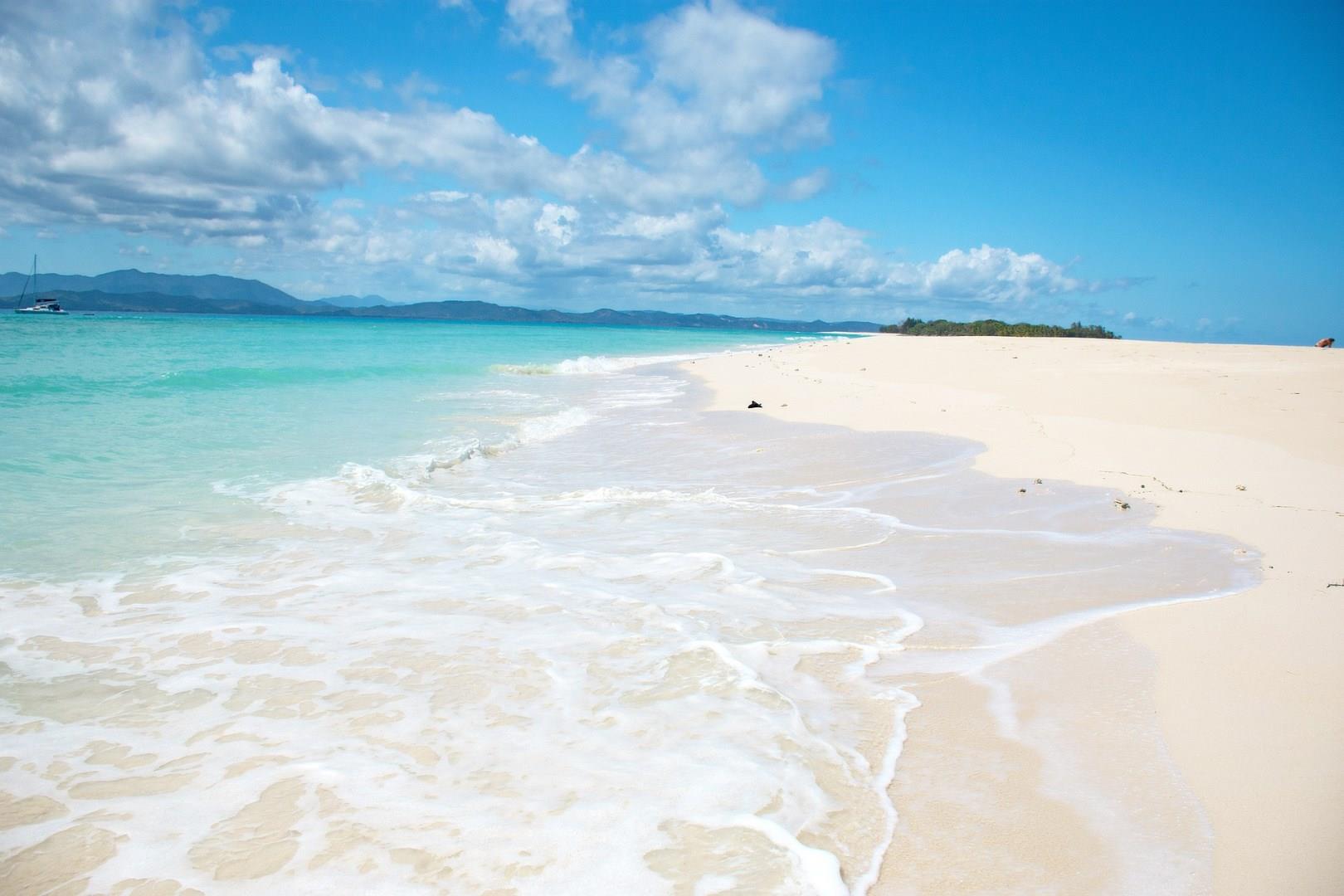
Nosy Iranja
Nosy Iranja, a tropical paradise off the northwest coast of Madagascar, is a must-visit destination for travelers seeking an untouched escape. Known for its stunning natural beauty, Nosy Iranja is actually composed of two islands, Nosy Iranja Be and Nosy Iranja Kely, connected by a striking sandbar that appears at low tide. Visitors can stroll across the white sands with crystal-clear turquoise waters on either side, creating an otherworldly experience of walking between two islands.