Michigan
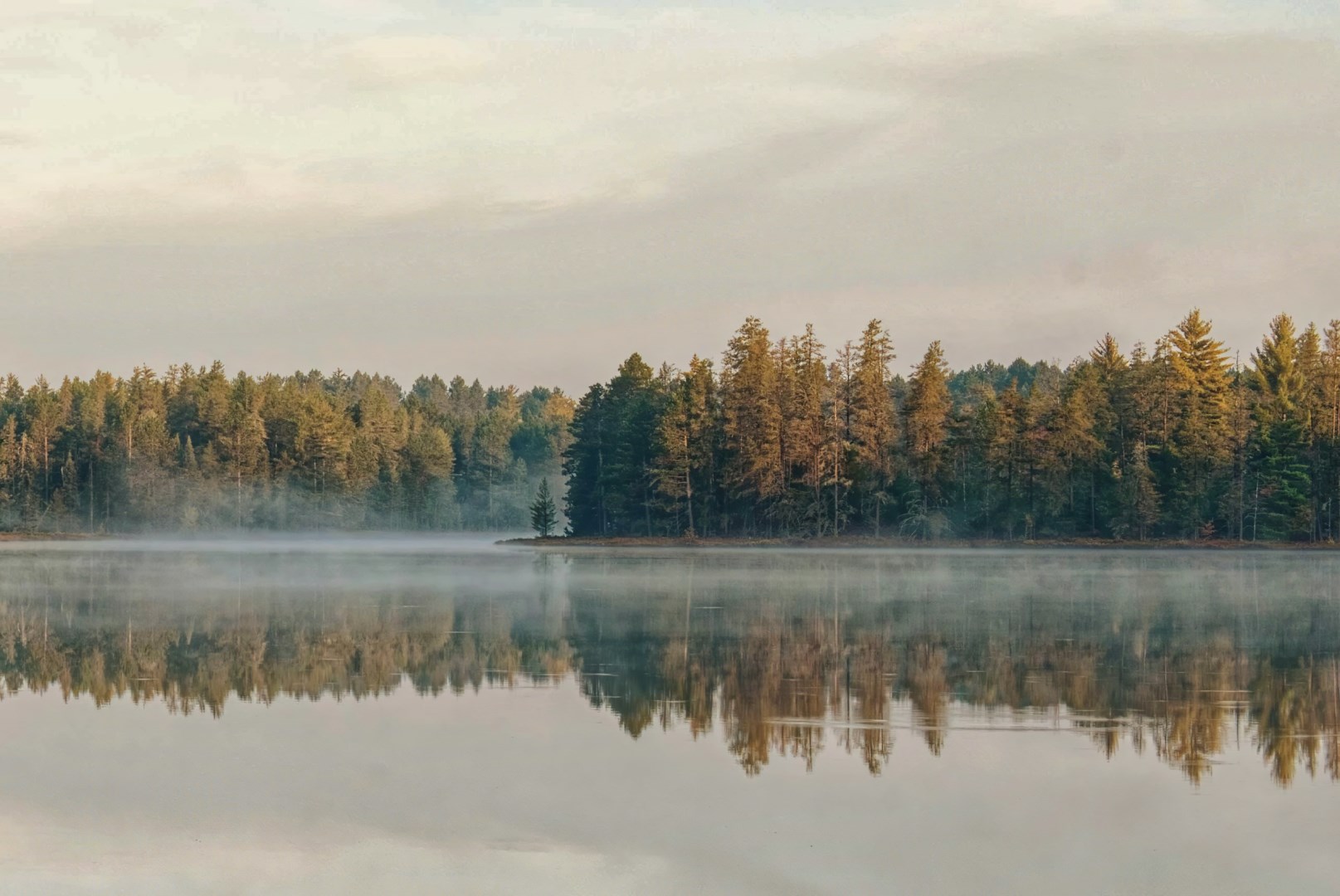
Michigan offers a diverse array of attractions that cater to all types of travelers. The state's natural beauty is showcased in its expansive Great Lakes coastline, including the stunning shores of Lake Michigan, Lake Huron, and Lake Superior. Visitors can explore the breathtaking scenery of the Sleeping Bear Dunes National Lakeshore, renowned for its towering sand dunes and picturesque lake views. This natural wonder provides ample opportunities for hiking, beachcombing, and wildlife watching.

Seoul
Seoul, the capital of South Korea, is a city where history and modernity coexist. Ancient palaces like Gyeongbokgung and Changdeokgung stand amid skyscrapers and contemporary architecture, offering a glimpse into the country’s rich heritage. The city’s neighborhoods, from Insadong’s traditional streets to Gangnam’s sleek districts, showcase its cultural and economic diversity.

Cancún
Cancún sits on the northeastern tip of Mexico’s Yucatán Peninsula, where the Caribbean Sea meets a narrow stretch of sand shaped by ancient Maya trade routes and modern development. While widely known as a resort destination, Cancún’s roots trace back to a quiet fishing area near important pre-Hispanic sites, with nearby Isla Mujeres and the mainland serving as part of a broader coastal network connected to inland Maya cities.

Serbia
Serbia is a country where centuries-old monasteries sit just a short drive from lively cities, and where the past is never far from daily life. In Belgrade, the capital, Kalemegdan Fortress offers panoramic views where the Danube meets the Sava River. This fortress has witnessed more than 100 battles and been rebuilt many times over two millennia. Within its walls are Roman ruins, an open-air military museum, and quiet park paths perfect for wandering between centuries of layered history.

Hilo, Hawaii
Hilo, the charming and laid-back gateway to Hawaii’s Big Island, offers an authentic Hawaiian experience steeped in natural beauty, history, and culture. As the largest town on the east side of the island, Hilo sits at the foot of two majestic volcanoes: Mauna Loa, the world's largest volcano, and Mauna Kea, a dormant volcano that hosts some of the world's most advanced astronomical observatories.