Bremerhaven
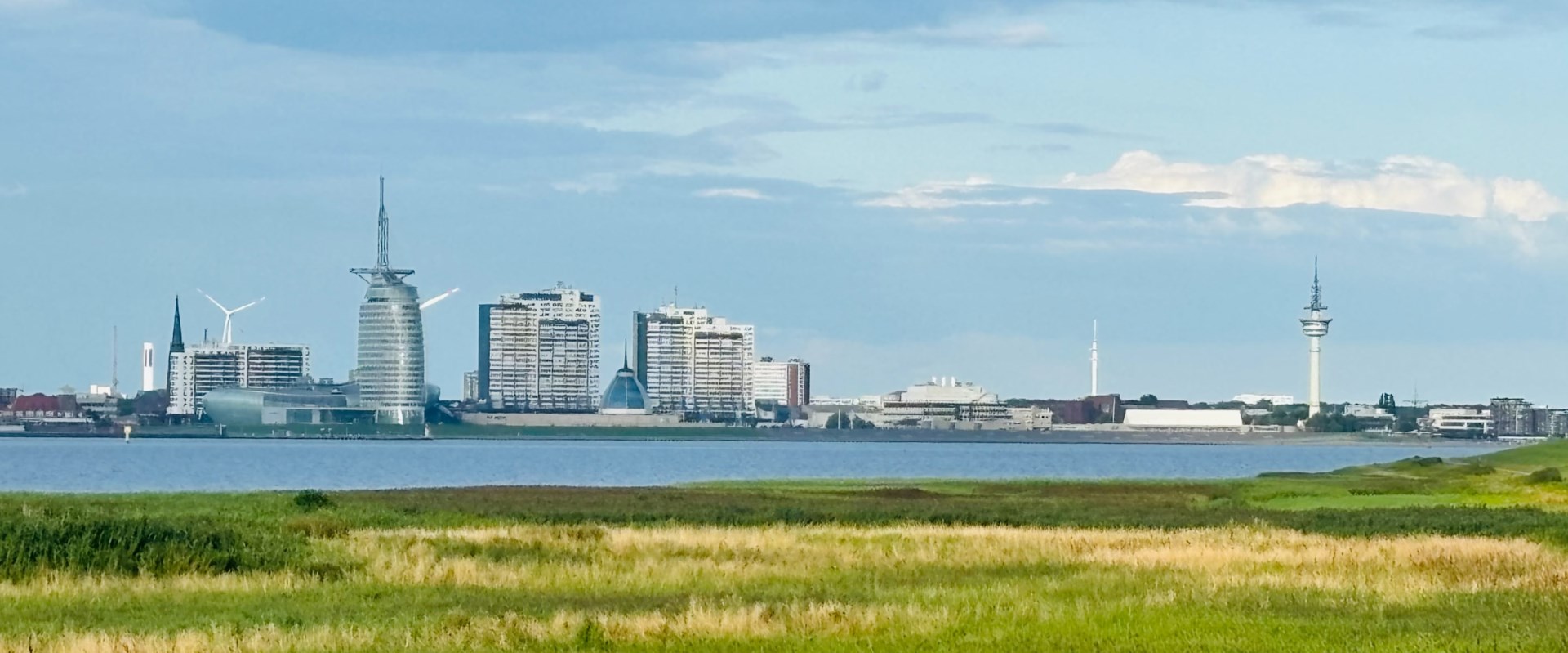
Bremerhaven, a port city on Germany’s North Sea coast, is known for its maritime heritage, bustling harbor, and cultural attractions. Founded in 1827 to serve as a gateway for Bremen’s shipping industry, it has grown into a major center for trade, logistics, and seafaring culture.

Kingman
Kingman is a city in northwestern Arizona, set among the rugged mountains and high desert of Mohave County. Its location along historic U.S. Route 66 has made it an important stopping point for travelers crossing the Southwest, while its position between the Colorado River and the high country gives the city a varied surrounding landscape. Historic downtown Kingman contains preserved storefronts, murals, museums, and roadside landmarks that reflect its transportation heritage.
Litchfield National Park
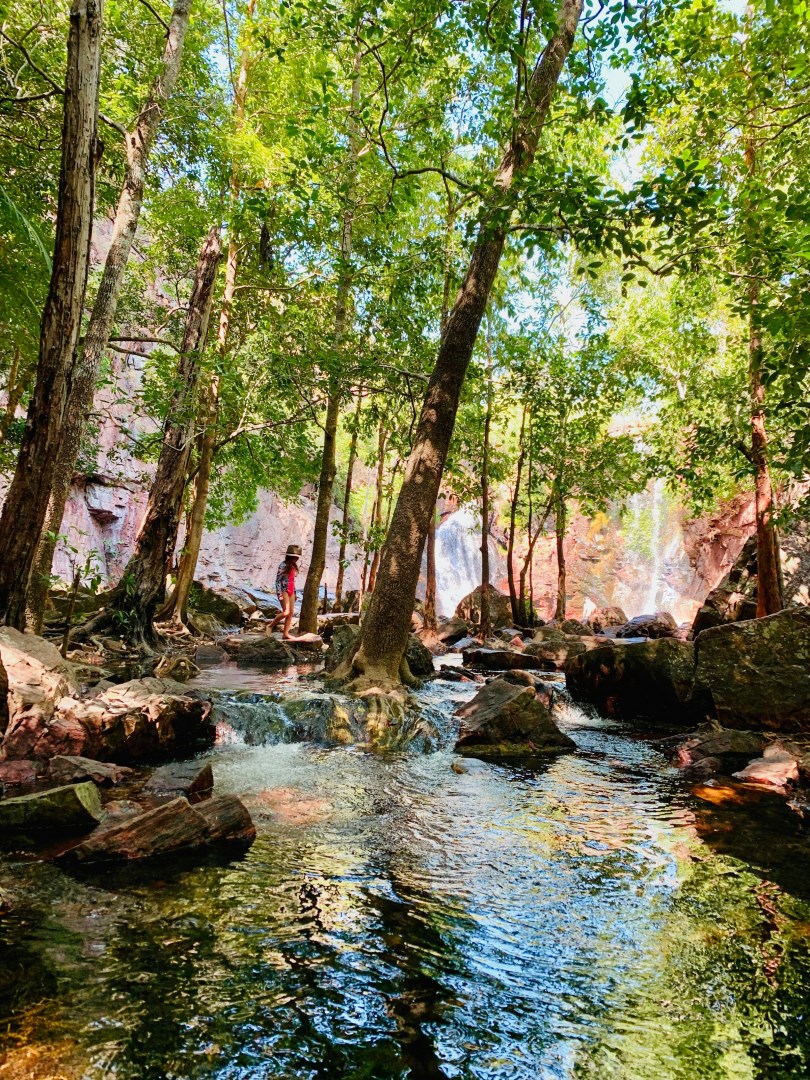
With it's sandstone escarpments, patches of monsoon rainforest, permanent crystal clear waterholes, spectacular waterfalls and historic ruins, Litchfield National Park is a fantastic vacation destination.

Veracruz
Veracruz, Mexico, is a vibrant port city rich in history and culture. Founded in 1519 by Hernán Cortés, it is Mexico’s oldest city, and its historic center, with its colorful colonial buildings and bustling Zócalo, reflects its deep historical roots. Visitors can explore the impressive San Juan de Ulúa Fortress, a massive colonial-era fort that once served as a prison and a key military base.

Volterra
Nestled in the heart of Tuscany, Volterra offers a captivating journey through time with its well-preserved medieval charm and Etruscan roots. The city's history is evident as you wander through its narrow, winding streets, flanked by ancient walls that date back to the Etruscan period. The Roman Theater, built in the 1st century AD, is a testament to the city's significance in antiquity and provides an evocative glimpse into Volterra’s storied past.