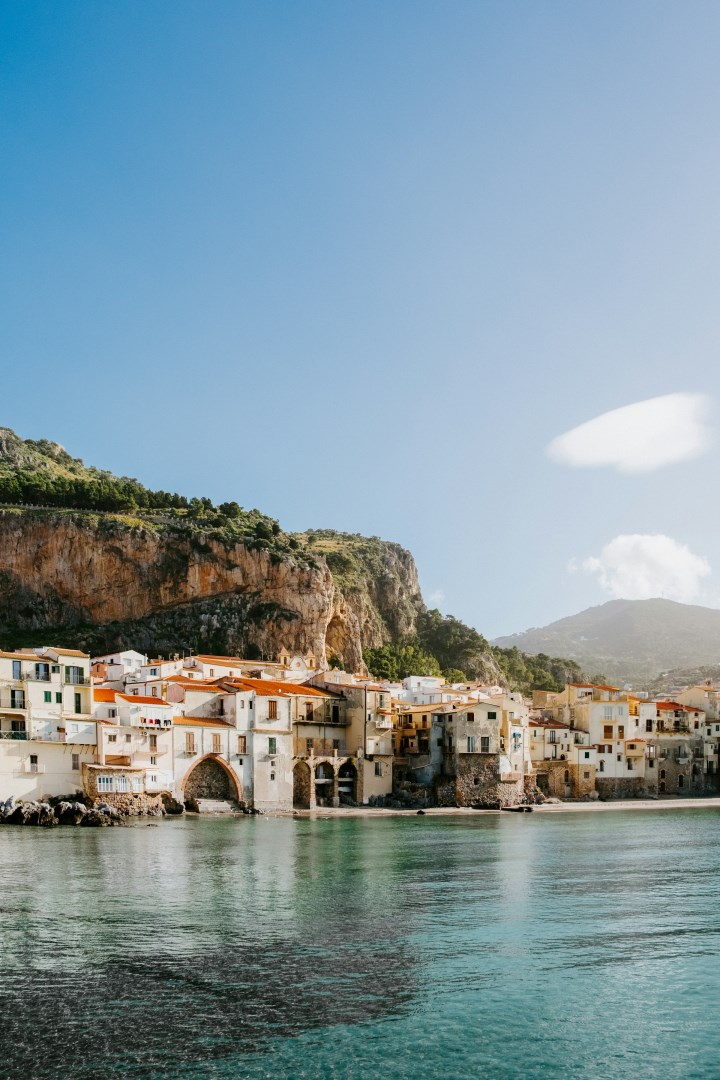
Cefalù is a coastal town on Sicily’s northern shore, set between the Tyrrhenian Sea and the steep slopes of La Rocca, the large limestone outcrop that rises directly behind the historic center. Its old town is arranged around narrow stone streets leading toward Piazza Duomo, while a sandy beach stretches beside the settlement below the town walls. The combination of a compact historic core, prominent mountain, and seafront gives Cefalù a distinctive physical setting.
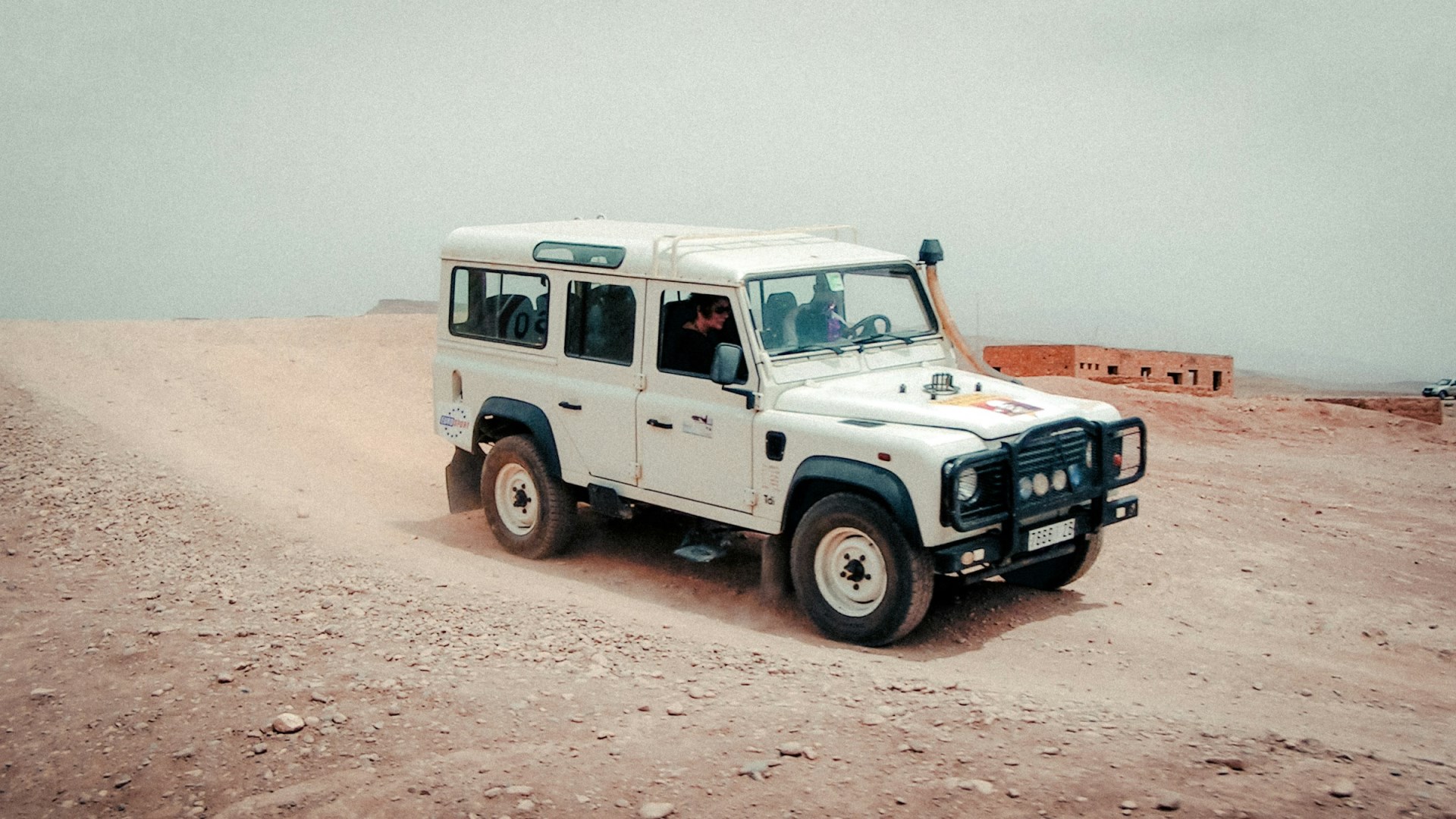
Set along the edge of the Anti-Atlas and the northern reaches of the desert, Tata offers a landscape shaped by sun, stone, and water. The town sits within a wide oasis valley, where palm groves stretch across the land in sharp contrast to the surrounding dry hills. Life here depends on careful use of water, and visitors quickly notice how every field and garden is planned with purpose. The result is a setting that feels both remote and deeply connected to the land.
Located on the west bank of the Nile, Dendera is home to the famous Dendera Temple Complex, one of the best-preserved ancient Egyptian temples. The Temple of Hathor features impressive reliefs and intricate carvings that draw visitors interested in Egyptology and ancient history.
A visit to Angkor Ban offers a unique opportunity to step back in time and witness a Cambodia that remains untouched by modern development. Whether admiring the historic wooden houses, visiting the temple, or engaging with friendly locals, travelers will find this riverside village a rewarding cultural experience.
Photo Credit: Safaga, located on the Red Sea coast of Egypt, is a gem for those seeking both relaxation and adventure. Known for its beautiful beaches and crystal-c
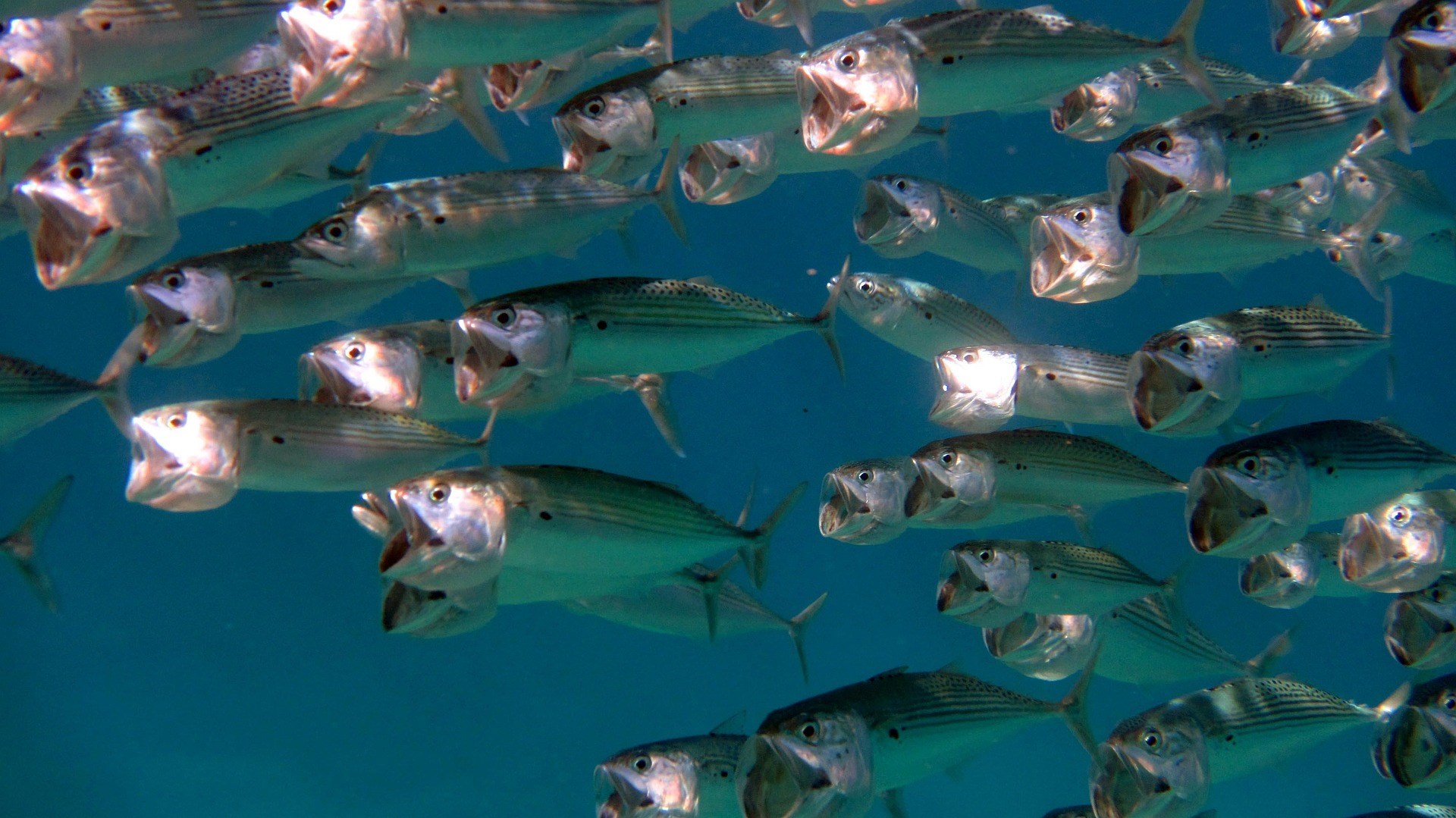
Safaga, located on the Red Sea coast of Egypt, is a gem for those seeking both relaxation and adventure. Known for its beautiful beaches and crystal-clear waters, Safaga is a top destination for scuba diving and snorkeling enthusiasts. The vibrant coral reefs and diverse marine life of the Red Sea make it a paradise for underwater exploration.
The town's appeal extends beyond the water. Safaga’s laid-back atmosphere, combined with its proximity to Luxor, makes it a convenient base for exploring ancient Egyptian history. A day trip to the temples and tombs of Luxor is easily achievable from Safaga, allowing visitors to experience the grandeur of the Valley of the Kings and Karnak Temple without the crowds typically found in Luxor itself.
Safaga also boasts therapeutic qualities, with its mineral-rich waters known for their healing properties. The town has a reputation as a health resort due to the therapeutic benefits of its sea and sand, which are said to be excellent for skin and respiratory conditions. Spa treatments and wellness retreats make this destination a haven for those seeking relaxation and rejuvenation.
For an optimal visit, consider traveling between October and April when the weather is pleasantly warm and perfect for both diving and exploring the historical sites nearby. This period also sees fewer tourists, providing a more serene experience.
Fun Fact: Safaga is not only known for its underwater treasures but also for its kite surfing opportunities. The steady winds and warm waters make it an ideal spot for this thrilling sport, drawing enthusiasts from around the world to its shores
Other Popular Destinations in Egypt
Cairo
Upon the banks of the mighty Nile River, the renowned city of Cairo stands tall as an iconic world capital and a well-preserved relic of antiquity. Immerse yourself in this historically significant city, replete with architectural wonders, mesmerizing artifacts, and sprawling markets humming with energy.
Aswān
Nestled along the tranquil banks of the Nile River, Aswan, Egypt, is a city where ancient history and natural beauty converge in an enchanting landscape. Often referred to as the gateway to Nubia, Aswan is a haven for those seeking to explore Egypt's rich heritage while basking in a serene, almost mystical atmosphere. The city's ancient roots are palpable as you stroll through its vibrant streets, where the echoes of Pharaonic, Roman, and Islamic eras linger in every corner.