Pitlochry
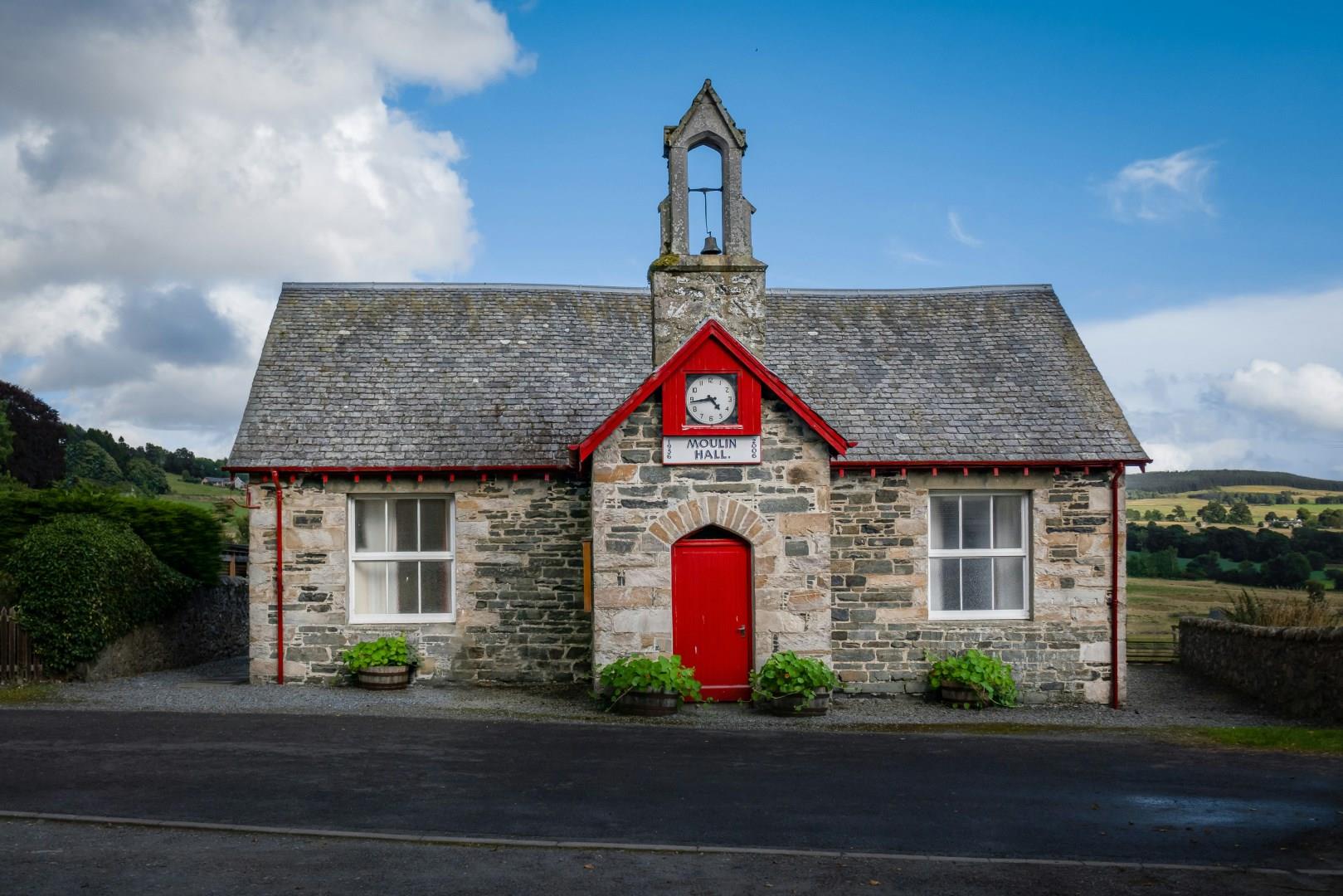
Pitlochry, a charming town in the heart of the Scottish Highlands, is celebrated for its Victorian architecture, scenic surroundings, and welcoming atmosphere.
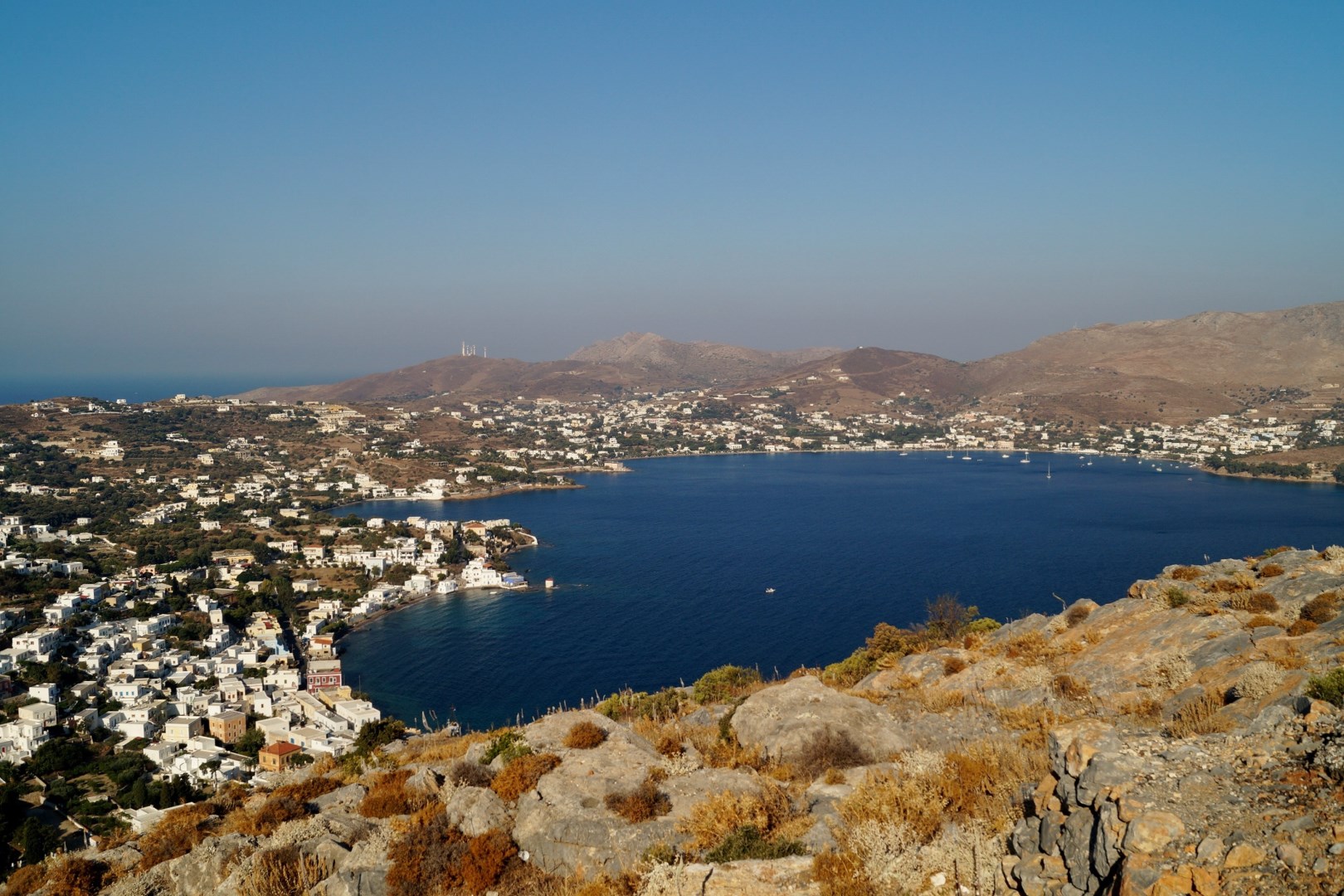
Leros Island
Leros Island, Greece, rests quietly in the Aegean Sea, offering a combination of sun-drenched beaches and historical landmarks that invite exploration. The main town, Agia Marina, spreads along a natural harbor, where fishing boats and small yachts sway gently against the backdrop of colorful houses climbing the hillside. Winding streets reveal a mix of architecture, from traditional whitewashed homes to neoclassical buildings.

Cachi
Cachi is a small mountain town in Argentina’s Salta Province, set in the northern Calchaquí Valleys at more than 2,000 meters above sea level. Its historic center has cobbled streets, raised sidewalks, adobe buildings, and a central square surrounded by traditional architecture. The town sits beneath the peaks of the Nevado de Cachi and among stands of tall cardon cacti, creating a distinctive highland landscape.
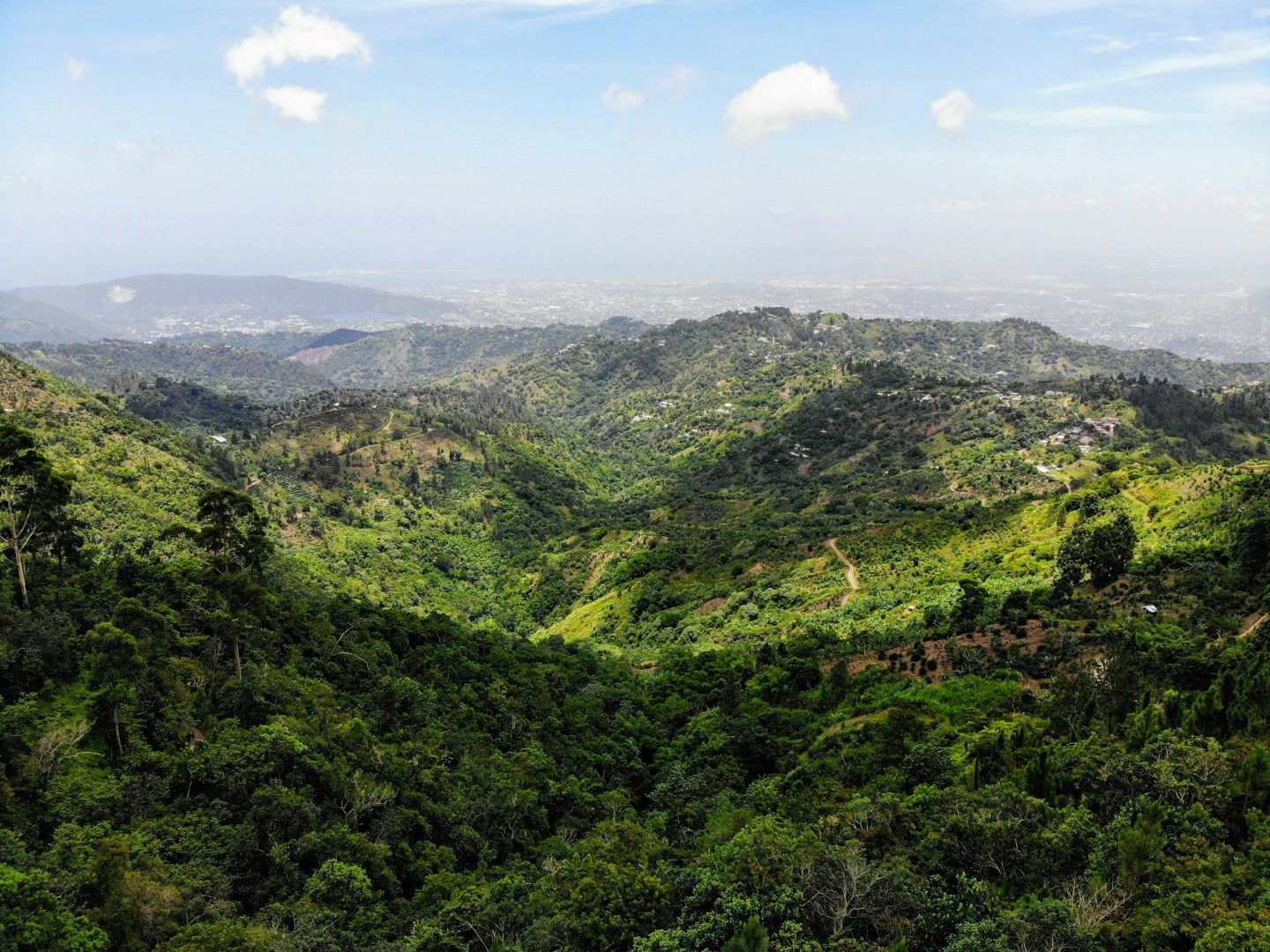
Blue Mountains
The Blue Mountains form Jamaica’s highest mountain range, rising across the eastern part of the island between Kingston, Saint Andrew, Saint Thomas, and Portland. The range is known for steep ridges, deep valleys, cloud forest, waterfalls, and cool mountain conditions that contrast with Jamaica’s coastal plains. Blue Mountain Peak is the highest point on the island, while numerous smaller communities and farms occupy the slopes.
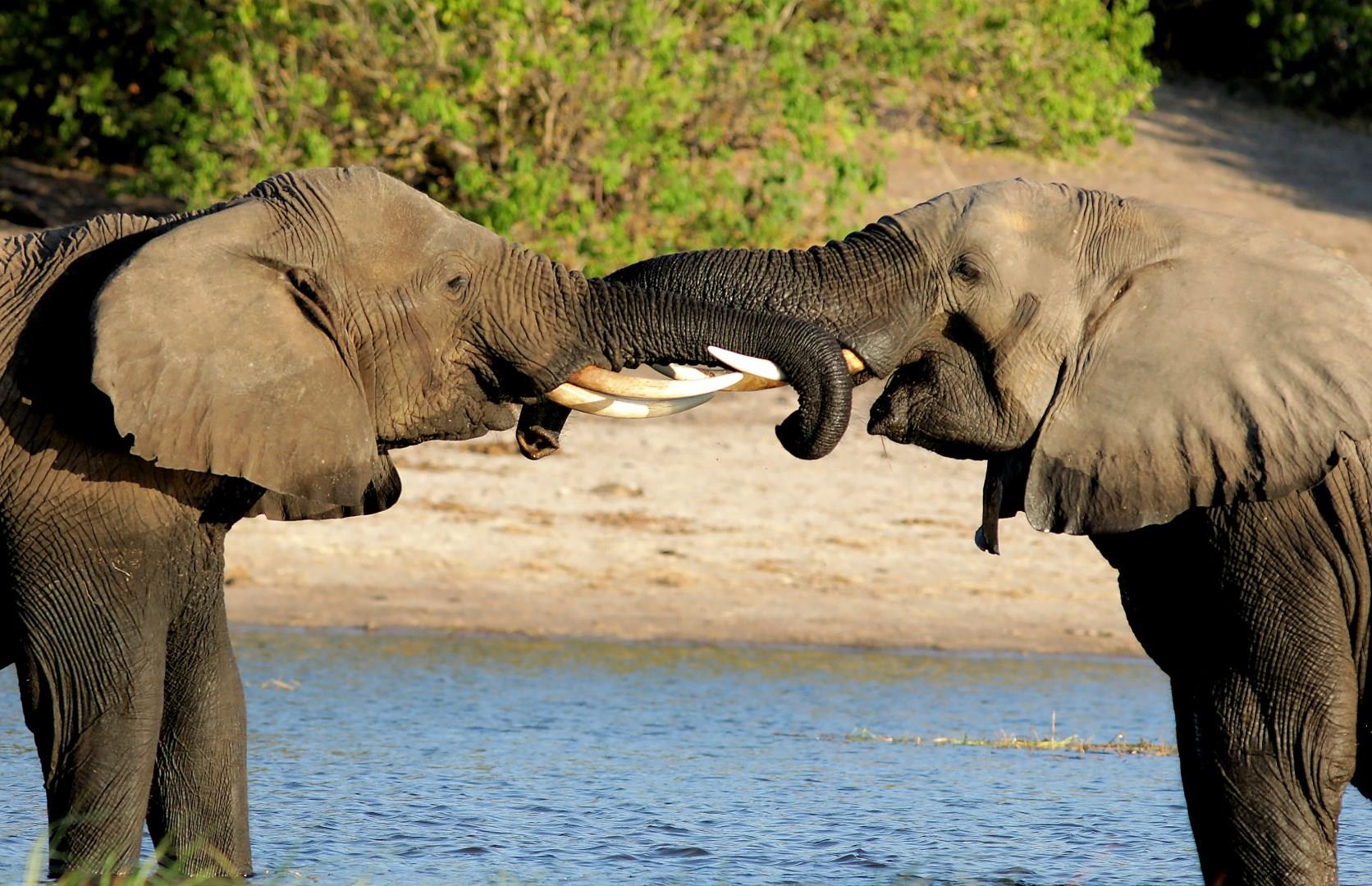
Kasane
Kasane sits at Botswana’s northeastern edge, where the Chobe River meets the borders of Namibia, Zambia, and Zimbabwe. Its development is closely tied to river transport, regional trade, and wildlife management.