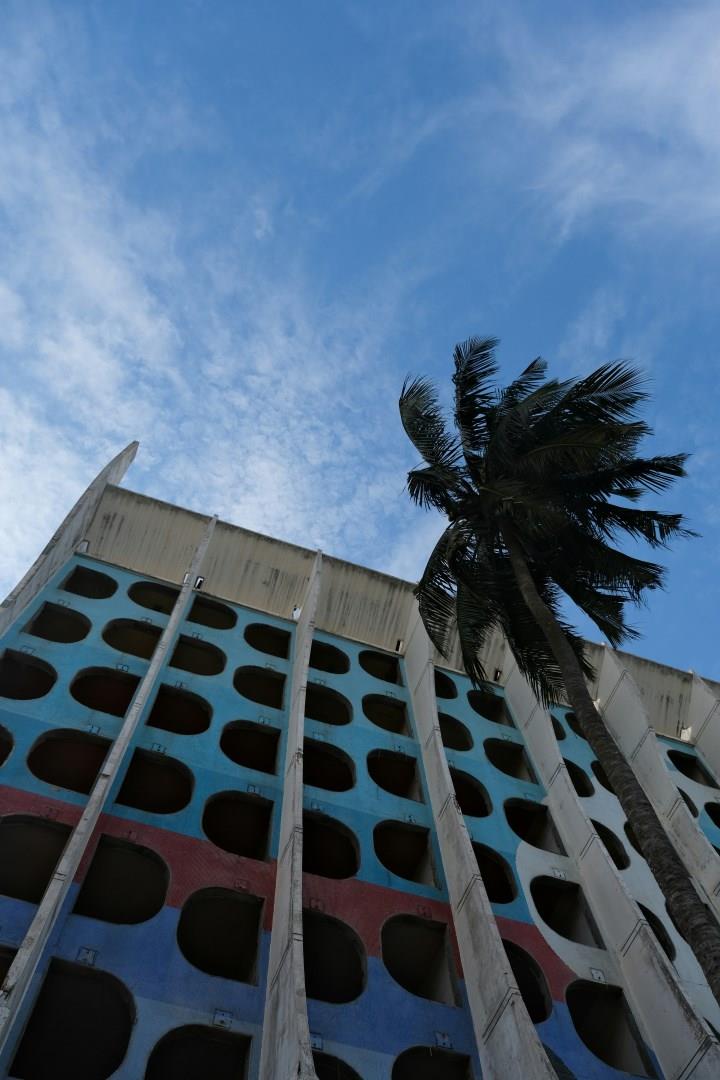
Lome
Lomé, the capital city of Togo, sits along the Gulf of Guinea and serves as both the political and cultural heart of the country. Lomé’s coastline features beaches where locals gather and where visitors can enjoy views of the Atlantic Ocean.

Inca Trail
The Inca Trail is a historic mountain route in Peru’s Cusco Region that leads through the Andes to Machu Picchu. The best-known route begins near Piscacucho, follows a network of stone paths through high valleys and mountain passes, and ends at Intipunku, or the Sun Gate, overlooking the archaeological site.

Otavalo
Otavalo is a city in Ecuador’s Imbabura Province, set in a high Andean valley surrounded by mountains, farmland, and volcanic landscapes. It is best known for its Indigenous Kichwa population and its long-standing textile and craft traditions. The city sits between Imbabura and Mojanda volcanoes, with the peaks of the surrounding Andes visible from many parts of the valley.

Krems
Discover the charm and history of Krems, Austria, a city nestled along the picturesque Danube River and the gateway to the enchanting Wachau Valley. With origins dating back to Roman times, Krems is a treasure trove of historical and cultural wonders.

Riomaggiore
Riomaggiore, a charming village in Italy's famed Cinque Terre, is a gem of the Ligurian coast. With its colorful houses cascading down steep cliffs towards the azure Mediterranean, this picturesque town offers a postcard-perfect escape. Founded in the 13th century, Riomaggiore is rich in history, with medieval churches like the Church of San Giovanni Battista, built in 1340, reflecting its ancient past.