Angola
Angola is one of Africa’s most surprising travel destinations, where modern cities meet ancient traditions and landscapes range from dramatic waterfalls to endless Atlantic beaches. In the capital of Luanda the waterfront promenade known as the Marginal buzzes with music, food stalls, and sunset views. A short drive away, the Fortress of São Miguel panoramic views of the bay.
Kolsai Lakes National Park
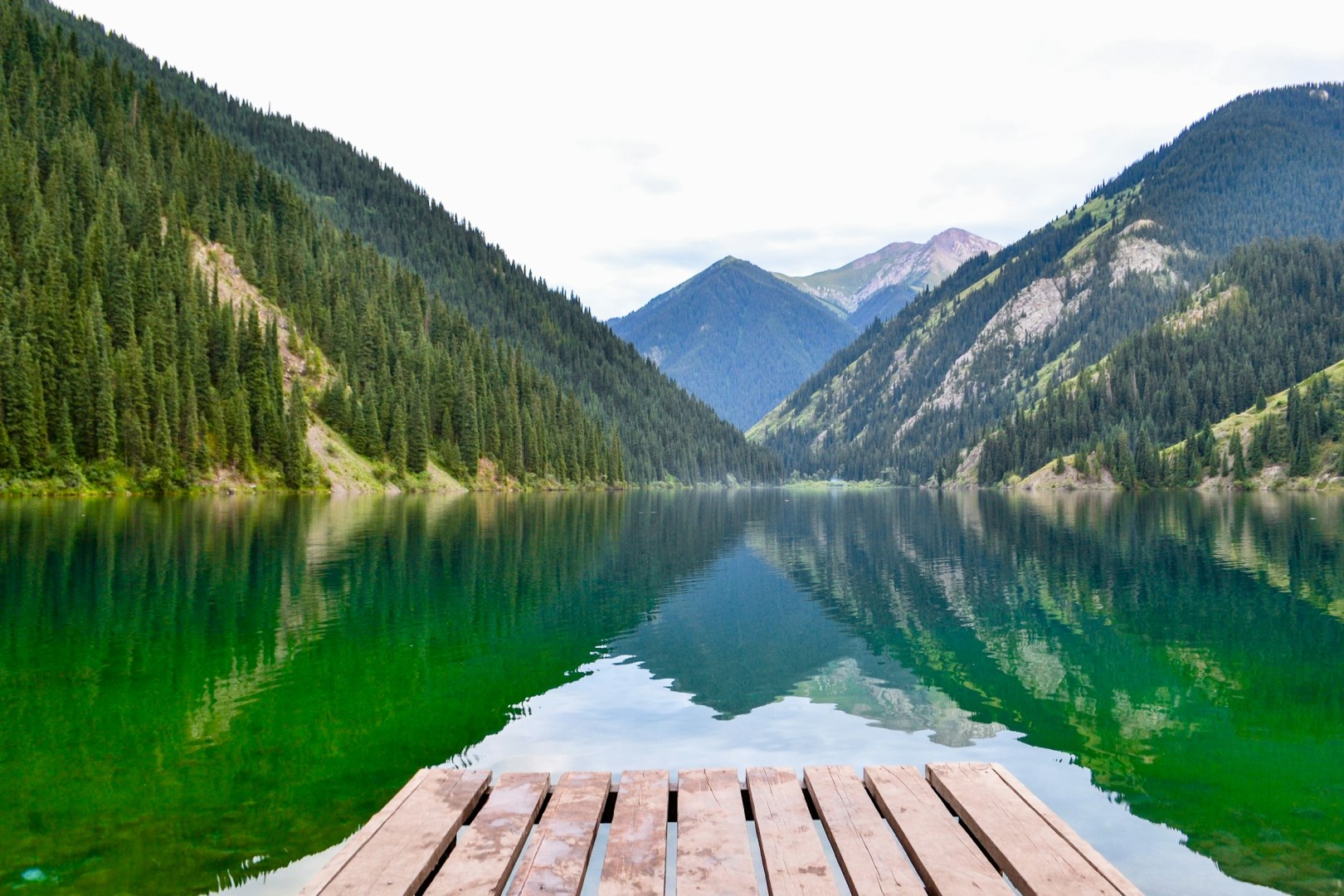
Kolsai Lakes National Park is a protected mountain area in southeastern Kazakhstan, located in the northern Tian Shan east of Almaty. The park is centered on a chain of alpine lakes surrounded by steep forested slopes, rocky peaks, and mountain valleys. The three Kolsai Lakes occupy different elevations along the Kolsai River, with the landscape changing from coniferous forest at lower levels to alpine terrain higher in the mountains.

Savonlinna
Savonlinna, Finland, is a captivating destination nestled in the heart of the Finnish Lakeland region, renowned for its breathtaking natural beauty and rich cultural heritage. The city’s star attraction is Olavinlinna Castle, a medieval fortress built in 1475, which remains one of the best-preserved castles in Northern Europe.
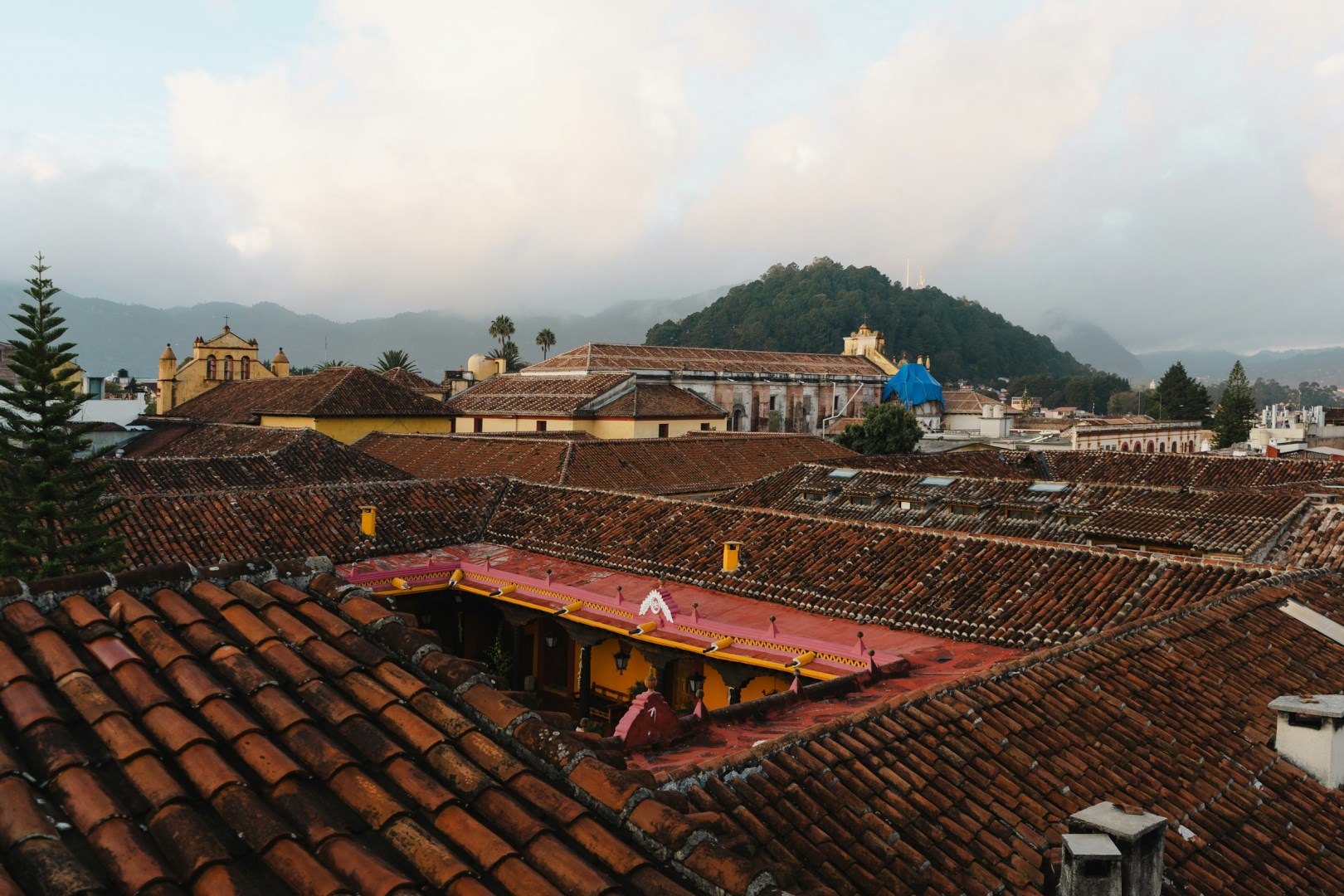
San Cristobal
With its blend of colonial elegance, vibrant indigenous traditions, and stunning natural landscapes, San Cristóbal de las Casas offers a truly immersive travel experience.
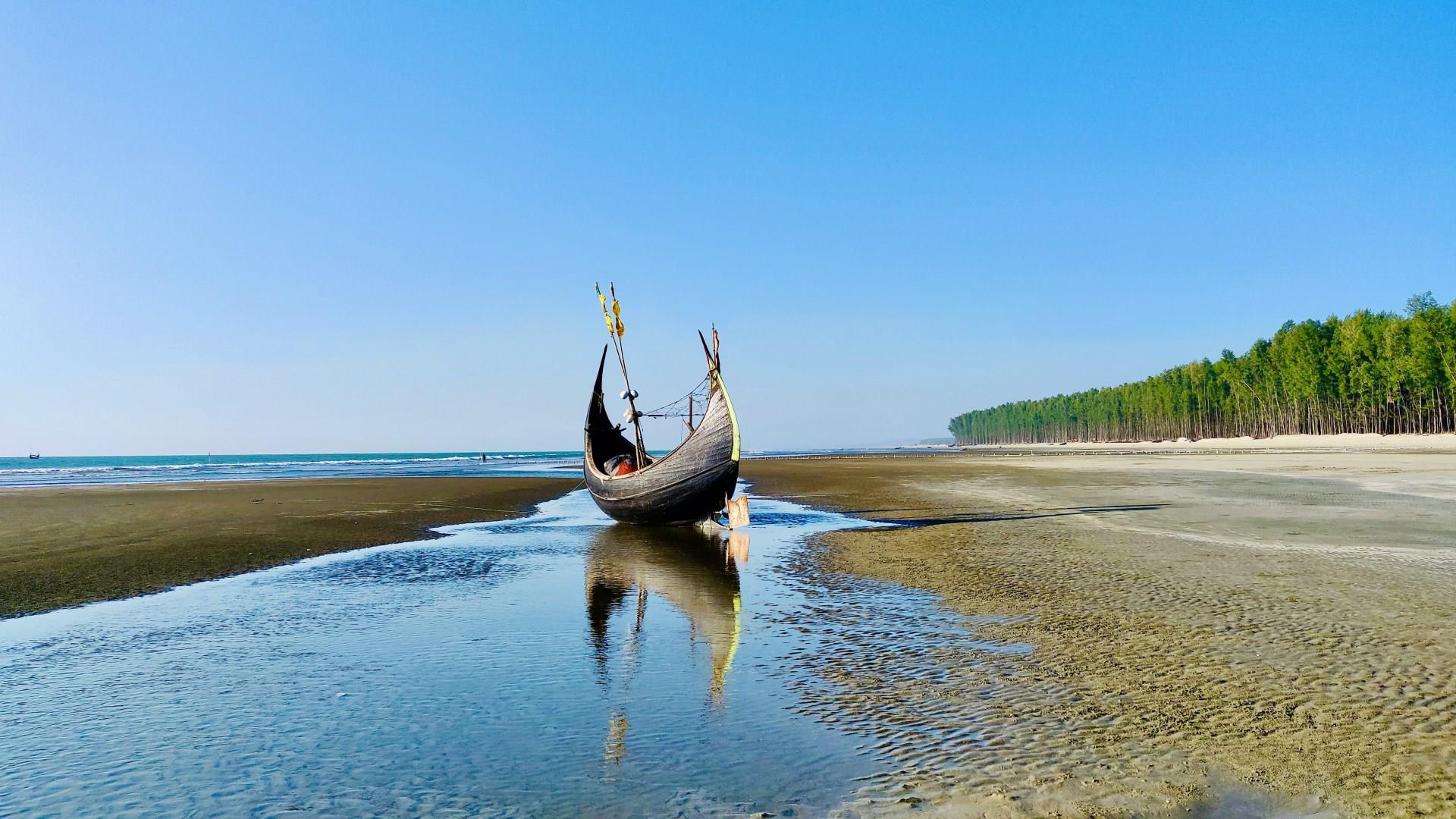
Bangladesh
Bangladesh, set in the heart of South Asia, is known for its lush greenery and waterways. It is often described as the “land of rivers,” with the Ganges, Brahmaputra, and Meghna weaving through its landscapes.