Chile
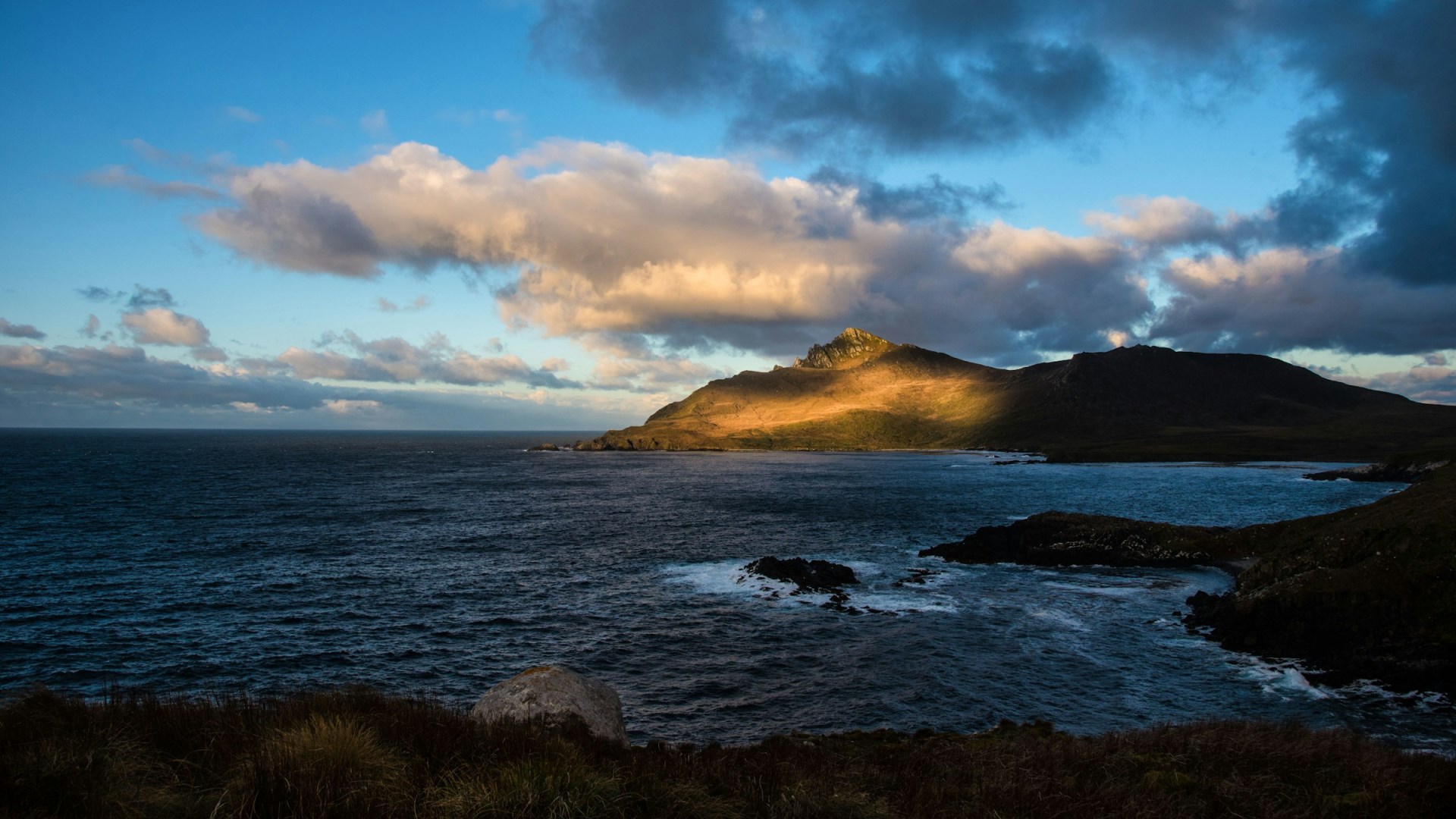
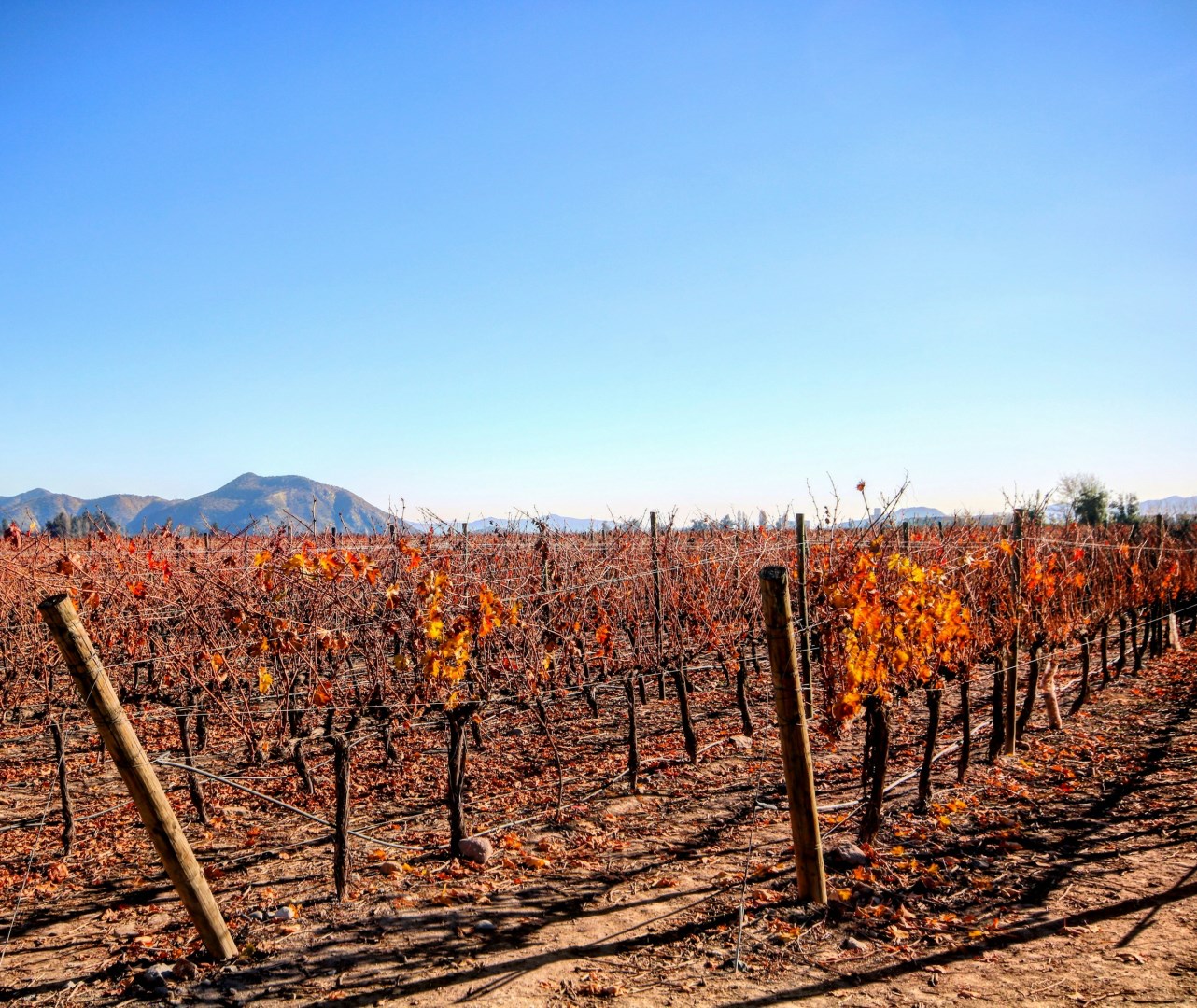
Stretching over 4,200 kilometers along the southwestern coast of South America, Chile is a country of dramatic contrasts and hidden surprises. From the world’s driest desert in the north to the icy fjords of Patagonia in the south, Chile offers a landscape that constantly reinvents itself. Visitors can walk through the Atacama Desert, where NASA tests Mars rovers, or gaze at the clearest night skies on Earth from the high-altitude observatories near San Pedro de Atacama.
Paamiut
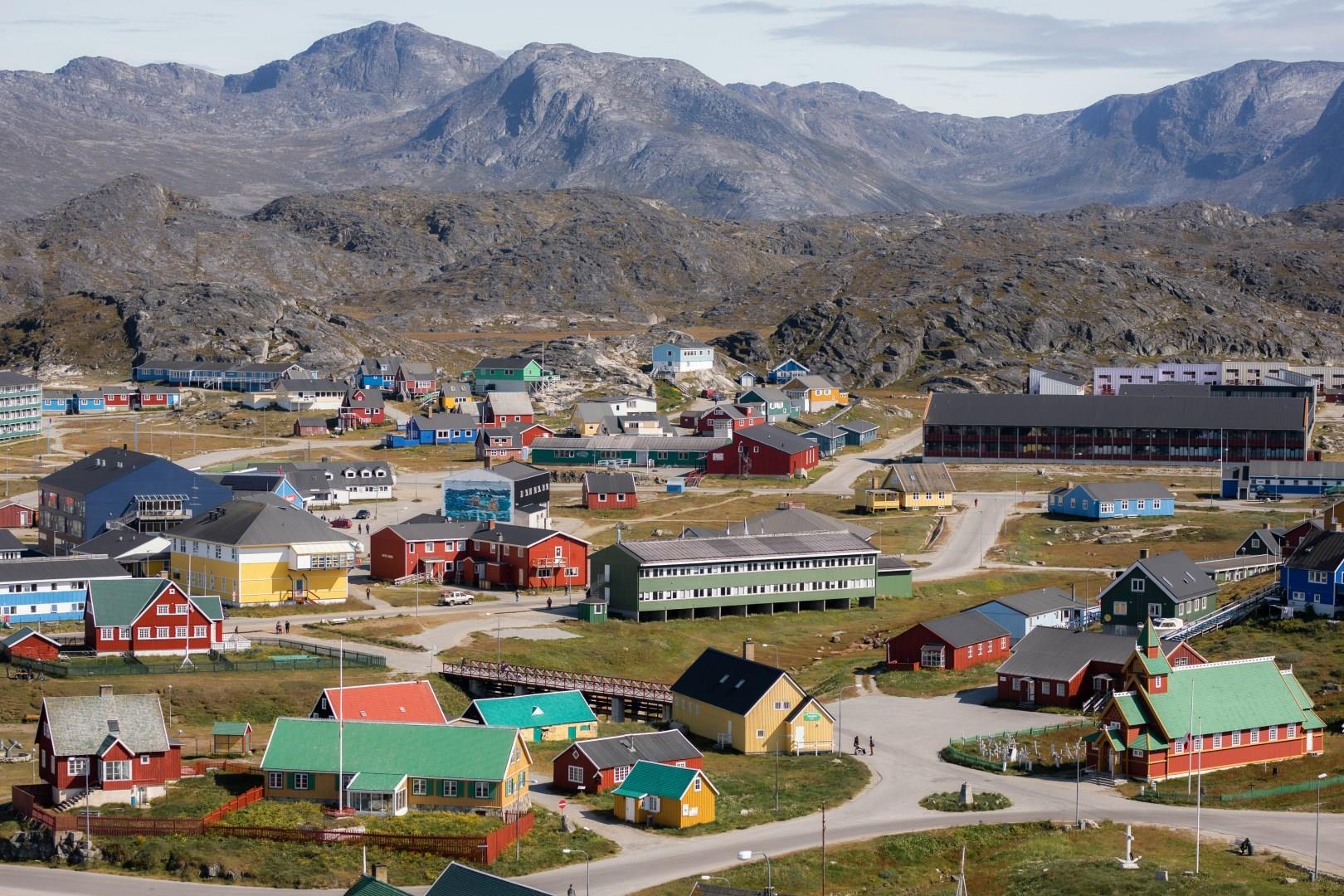
Paamiut lies on Greenland’s southwest coast, where the Labrador Sea meets a rocky, fjord-cut shoreline. Established in the 18th century as a Danish trading post and mission, the town developed around fishing and sealing, activities that continue to shape daily life.
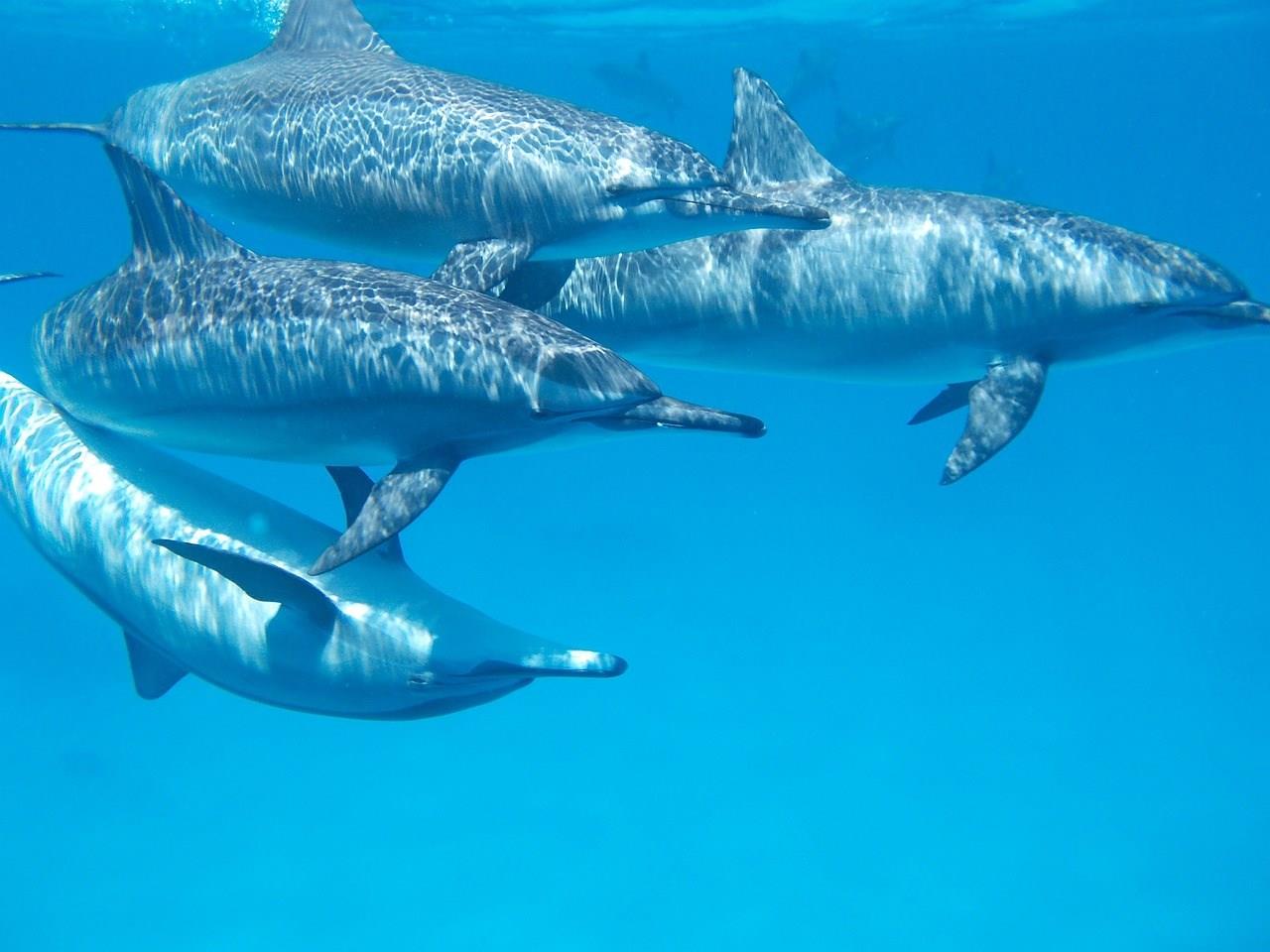
Pacific Ocean
The Pacific Ocean is both the largest and the deepest ocean on Earth. It extends from the Americas in the east to Asia and Australia in the west, and from the Artic Ocean in the north to Antarctica in the south.
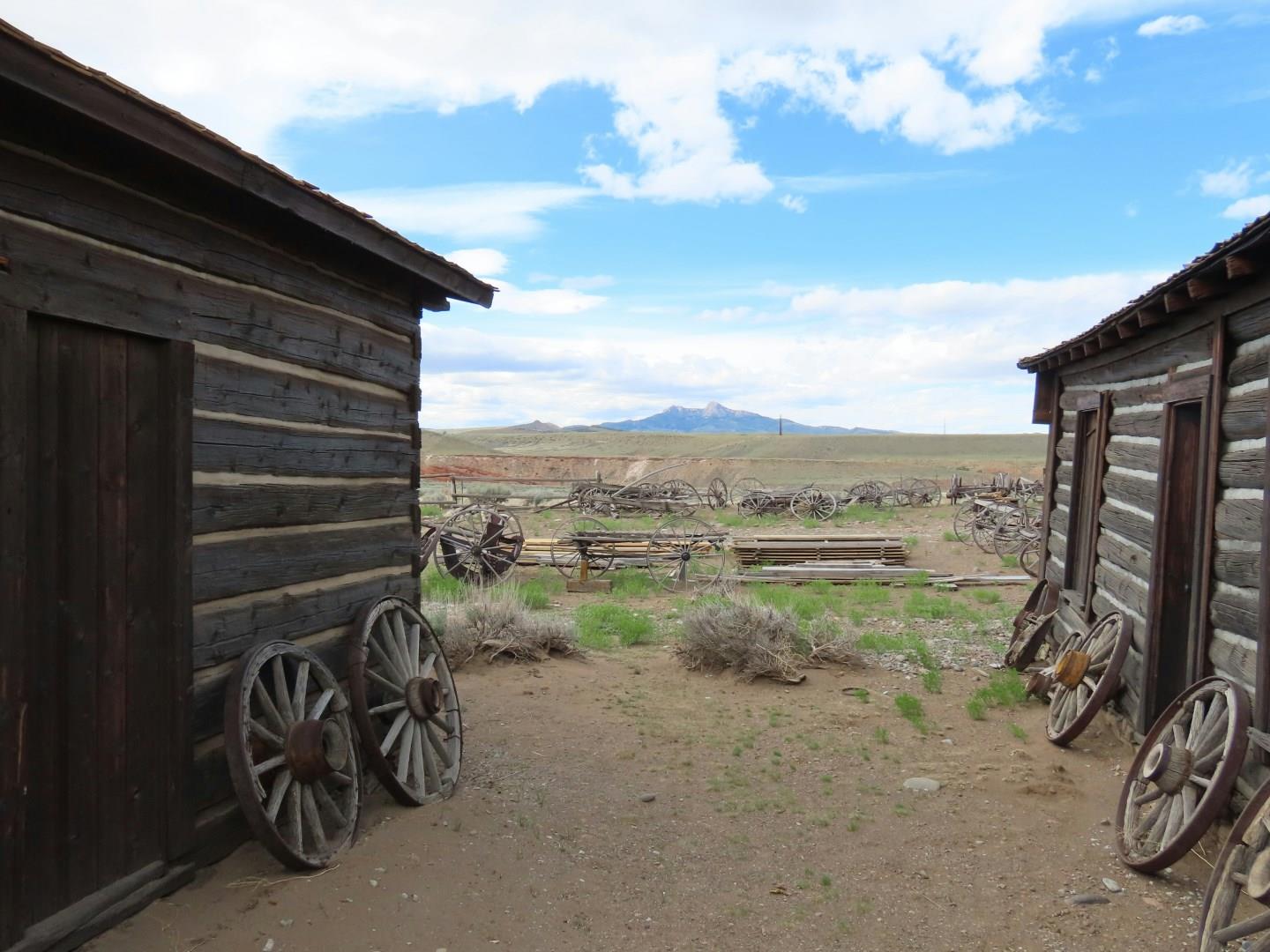
Cody
Cody, Wyoming, is a gateway to the American West, known for its connection to the legendary Buffalo Bill Cody and the pioneering spirit of the region.
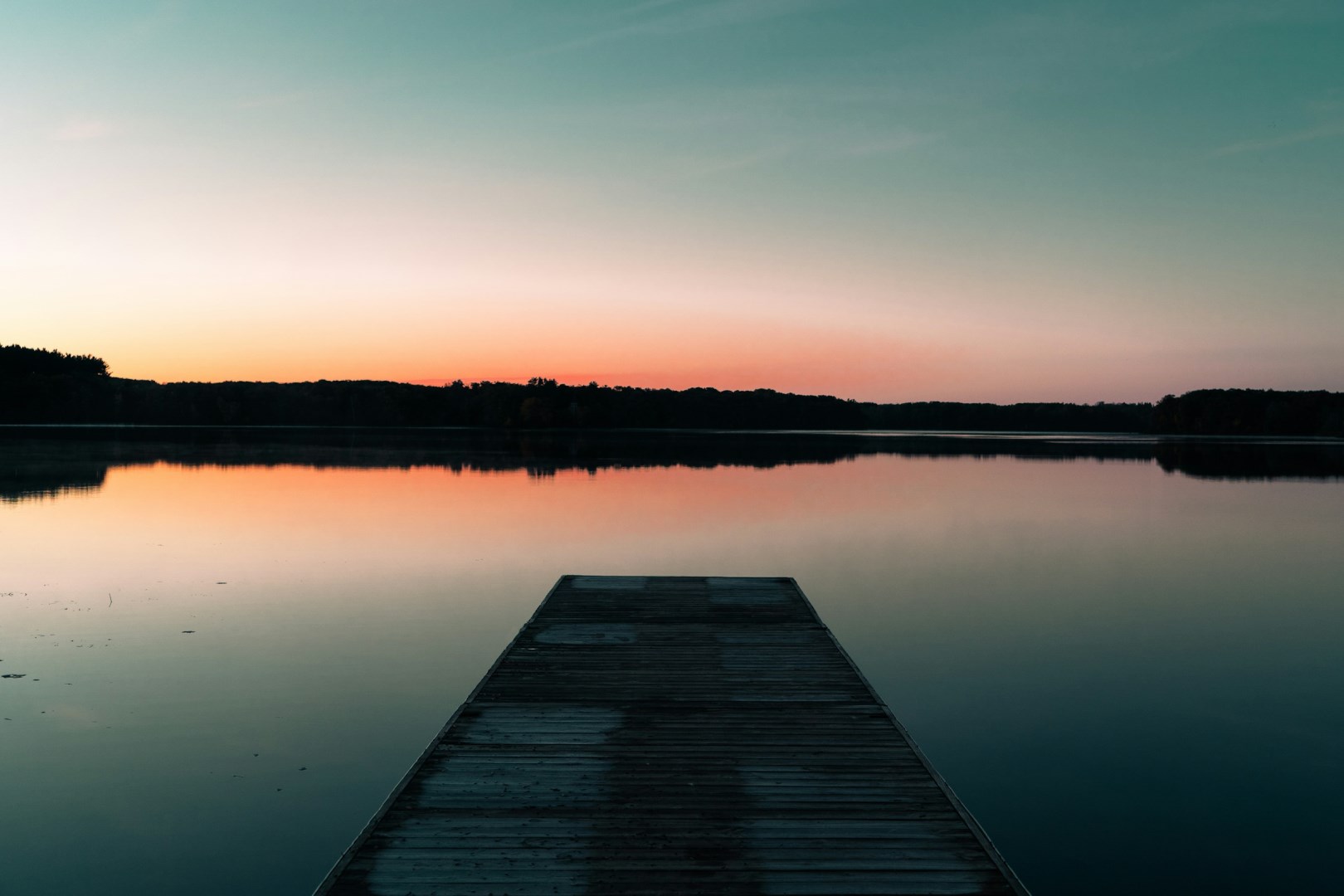
Minnesota
Minnesota, often known as the "Land of 10,000 Lakes," offers an array of natural and cultural attractions that make it a must-visit destination. In Minneapolis, the largest city, you'll find a vibrant arts scene complemented by the picturesque beauty of the Chain of Lakes. The Minneapolis Institute of Arts houses a diverse collection ranging from ancient to contemporary works, while the Walker Art Center's Sculpture Garden showcases iconic pieces like the Spoonbridge and Cherry.