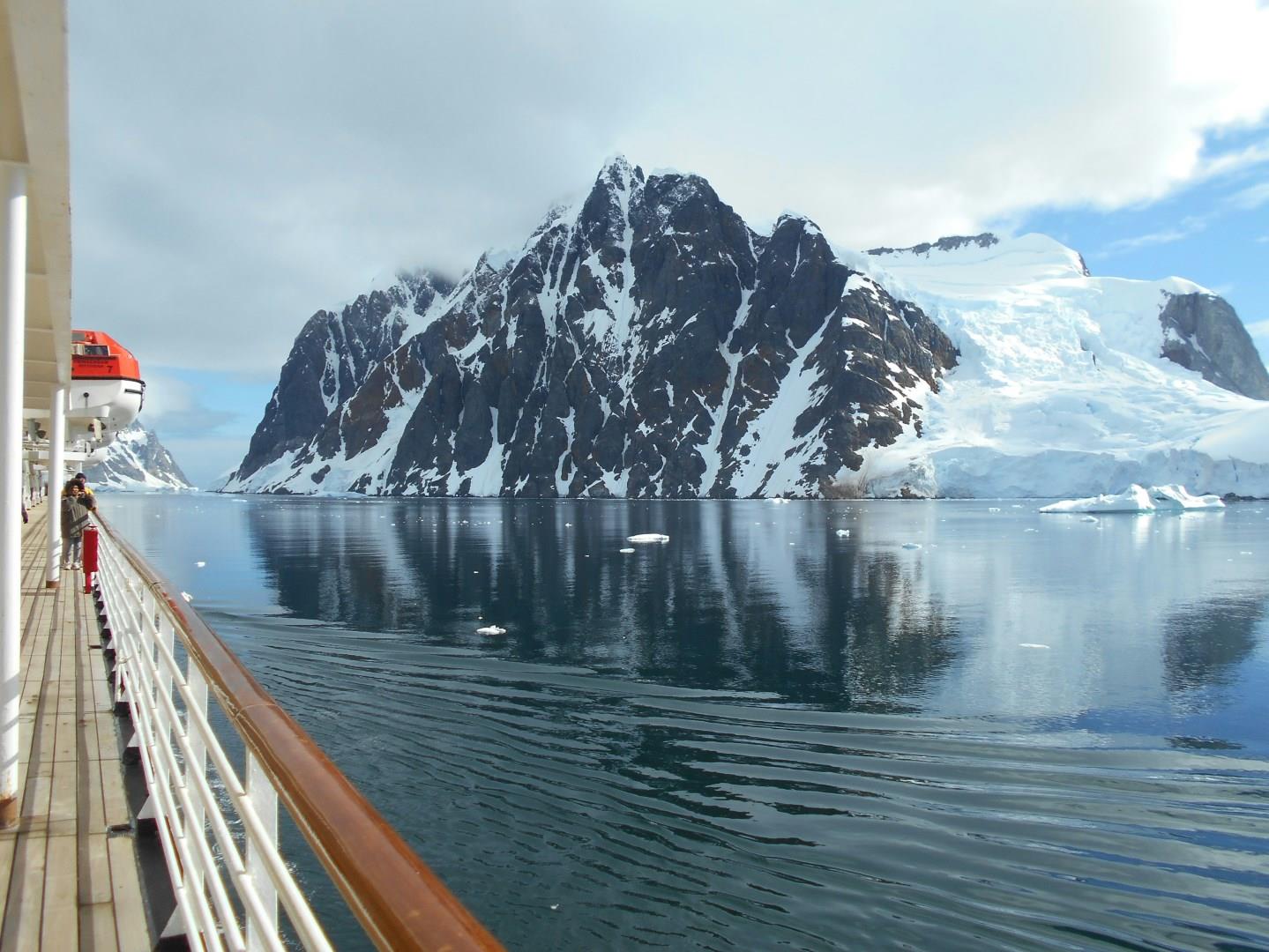
Coromandel Peninsula
The Coromandel Peninsula on New Zealand’s North Island is a place where coastline and culture come alive in ways that stay with visitors long after they’ve left. Stretching for about 110 kilometers between the Hauraki Gulf and the Bay of Plenty, this region has deep roots that go back to the arrival of Māori long before Europeans stepped ashore.

Zadar
Set on the Adriatic Sea, Zadar, Croatia, is a major Dalmatia historical center and a tourism magnet. Walk ancient streets, see Roman ruins and enjoy white-sand beaches.

Guerrero
Pacific coast Mexican state highlighted by the popular city of Acapulco, with its vibrant nightlife and beaches.
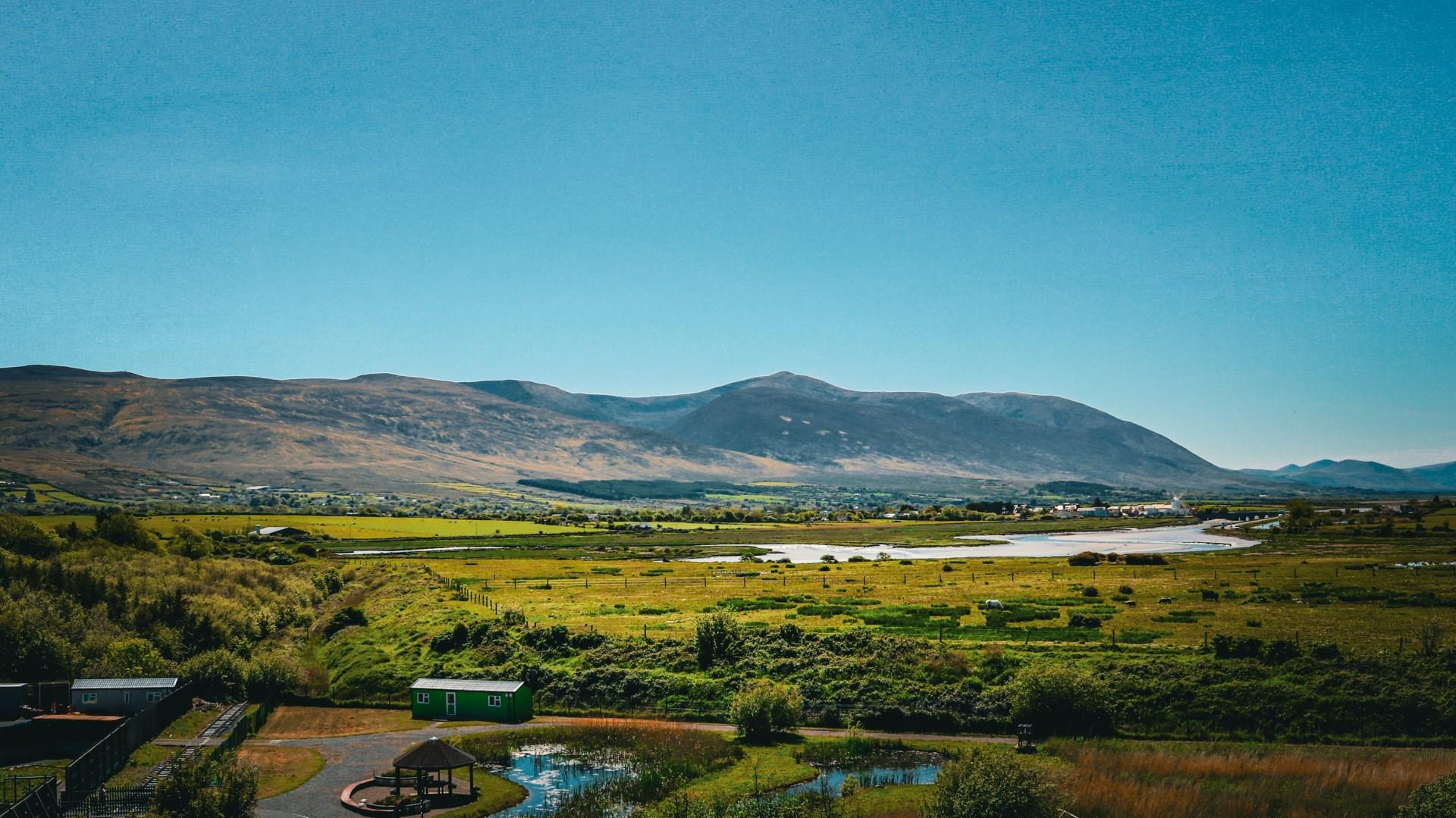
Tralee
Tralee is the county town of Kerry, set between Tralee Bay and the foothills of the Dingle Peninsula in southwest Ireland.

Limerick
Nestled along the banks of the majestic River Shannon in western Ireland, Limerick is a city where history and modern life blend seamlessly, offering a unique and authentic Irish experience that captures the charm and spirit of the Emerald Isle. With origins stretching back to the Viking era, Limerick offers an intriguing glimpse into the past with plenty to explore.