Lobuje
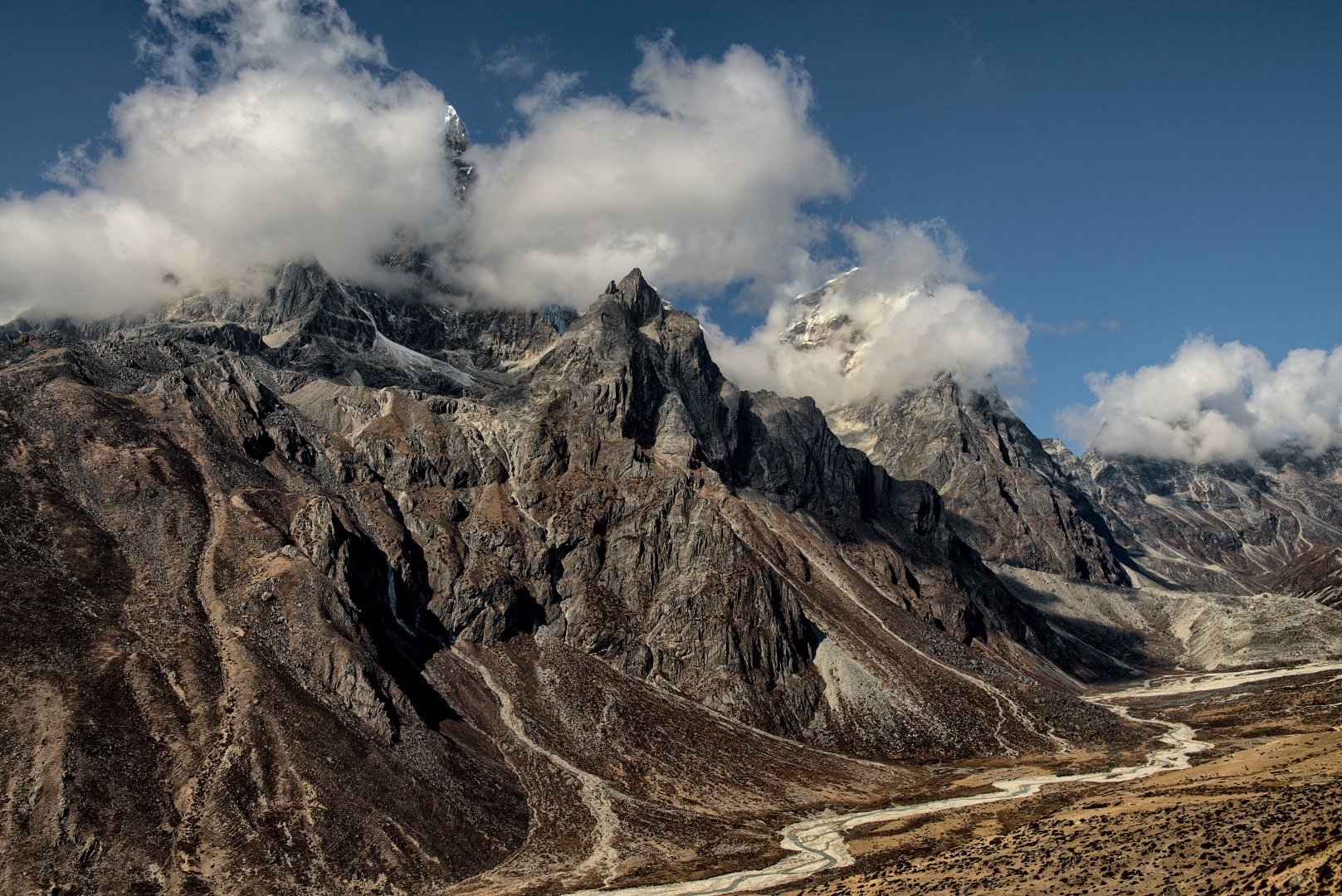
High in the Khumbu region, Lobuche sits in a stark alpine setting along the trail toward Mount Everest. Surrounded by rocky terrain and glacial formations, the village stands close to the Khumbu Glacier, where the landscape shifts into shades of gray, white, and deep blue. The air here is thin and crisp, and the silence is often broken only by the wind moving across the valley.
Pakistan
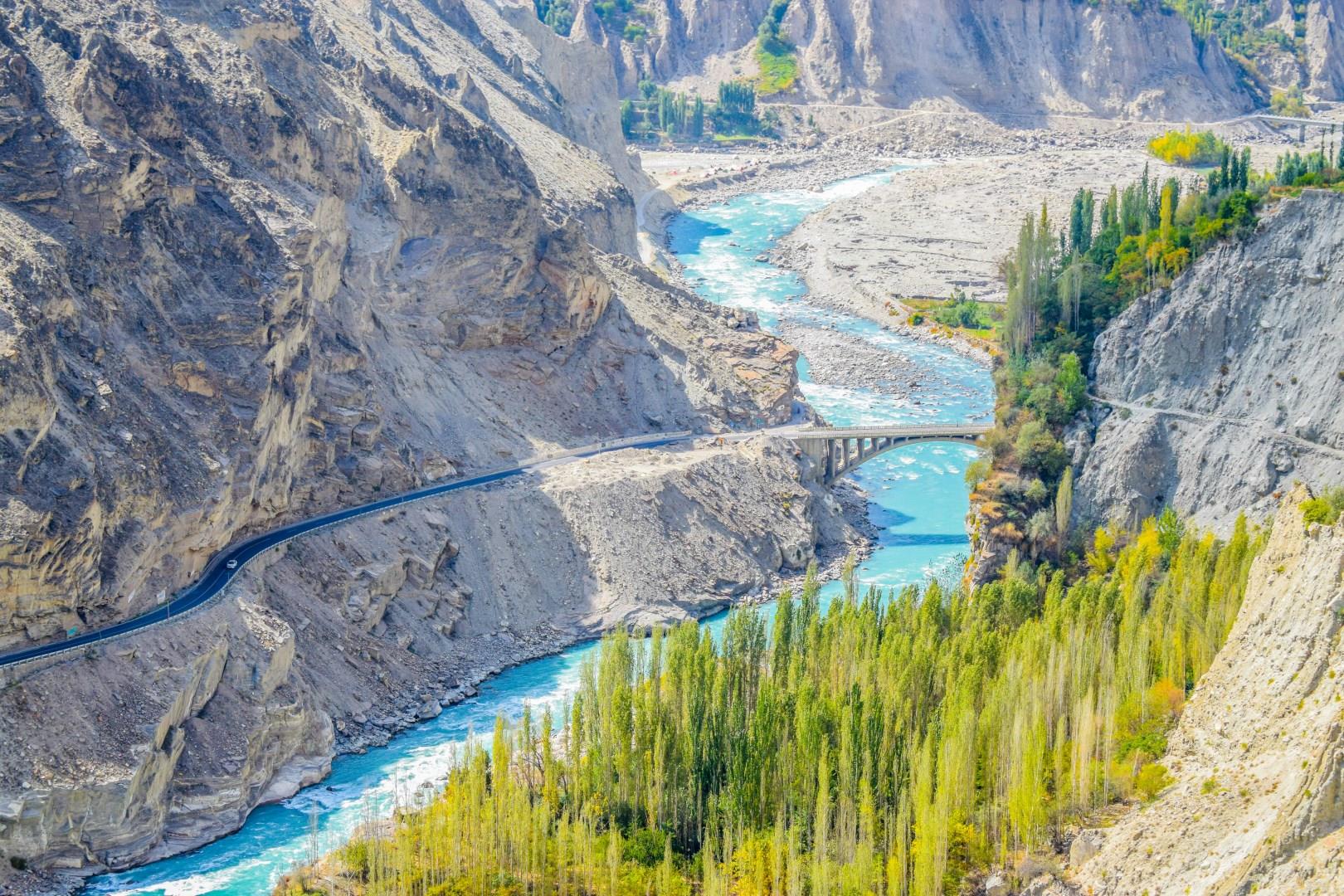
Pakistan is a country of remarkable diversity, combining mountains, deserts, rivers, and coastal areas. The northern regions feature some of the world’s highest peaks, including K2, while the southern plains are home to fertile agricultural land and the port city of Karachi.
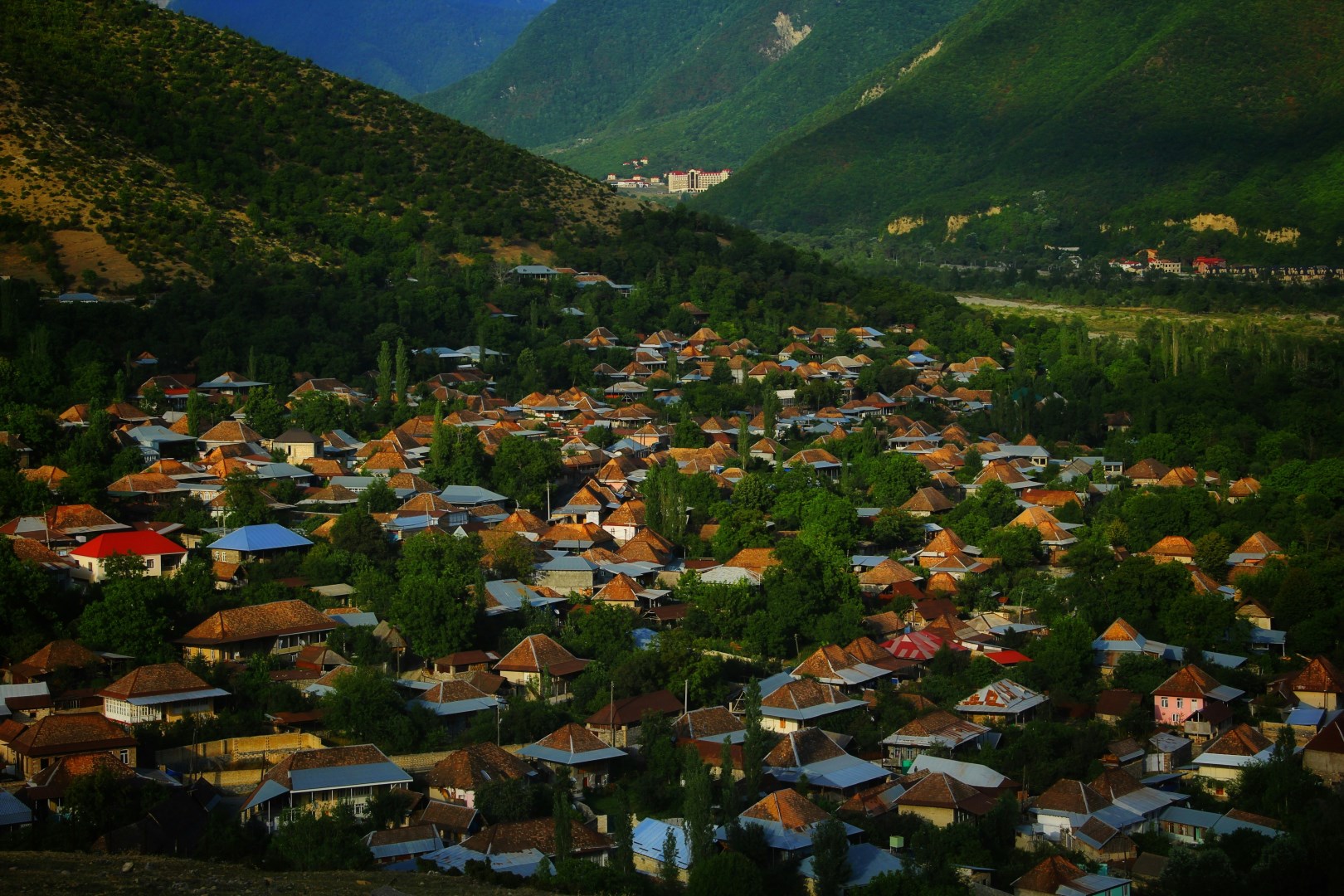
Sheki
Sheki is a historic city in northwestern Azerbaijan, located near the forested foothills of the Greater Caucasus Mountains. It developed as an important trading center along Silk Road routes connecting the Caucasus with Persia and Central Asia.
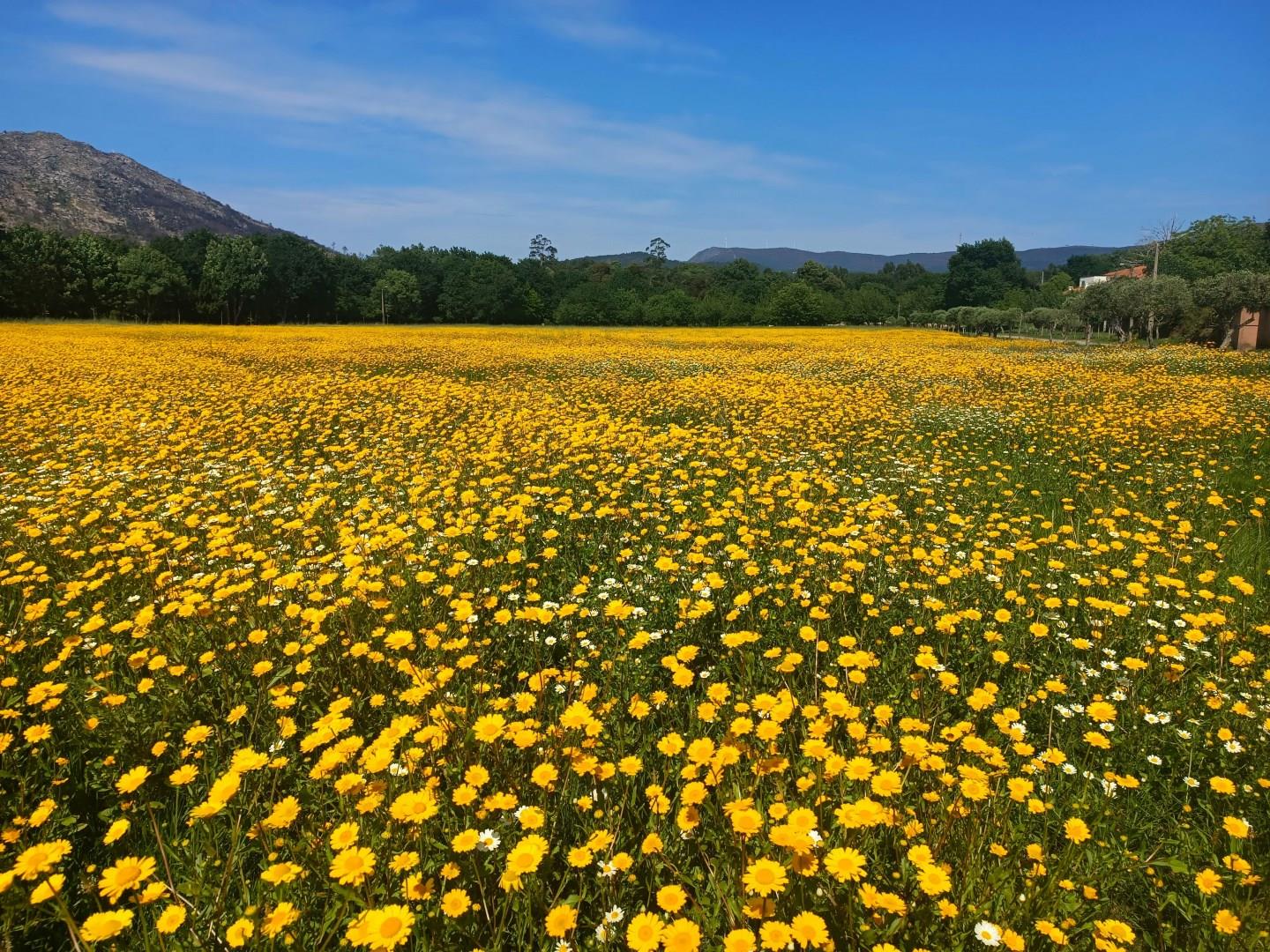
Caminha
Caminha sits at Portugal’s northern edge, where the Minho River meets the Atlantic and marks the border with Spain. Its history is closely tied to defense and trade, visible in remnants of medieval walls and a compact historic center that once guarded the river mouth.
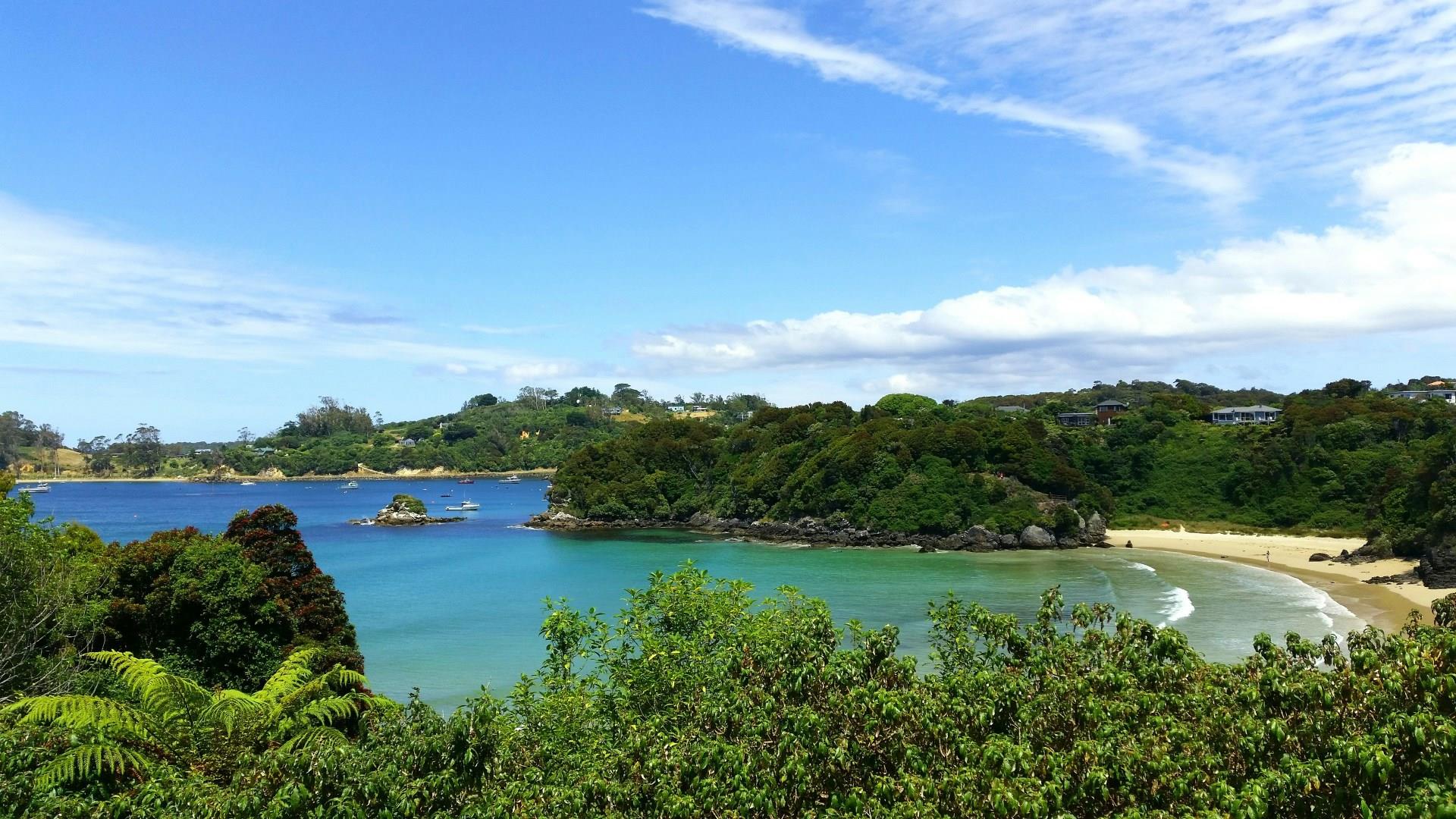
Stewart Island / Rakiura
Stewart Island, known in Māori as Rakiura, lies off the southern coast of New Zealand and is the country’s third-largest island.