Kaunas
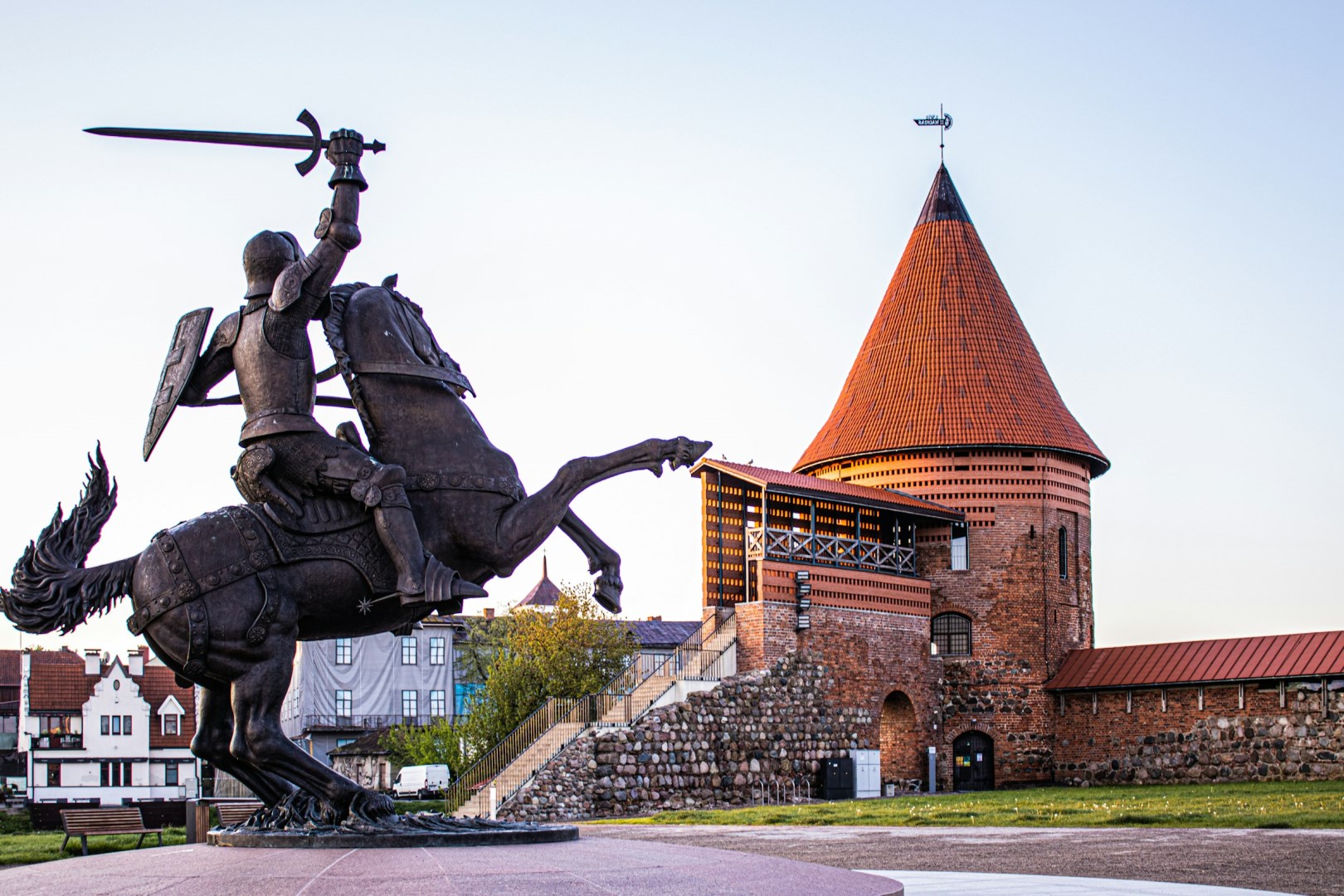
Kaunas is Lithuania’s second-largest city, located at the confluence of the Nemunas and Neris rivers in the country’s central region. Its historic center combines a compact Old Town of Gothic, Renaissance, and Baroque buildings with the broader streets and distinctive architecture of the New Town. Kaunas Castle, standing near the river confluence, is one of the city’s best-known landmarks, while Laisvės Alėja forms a long pedestrian boulevard through the central districts.
Tata
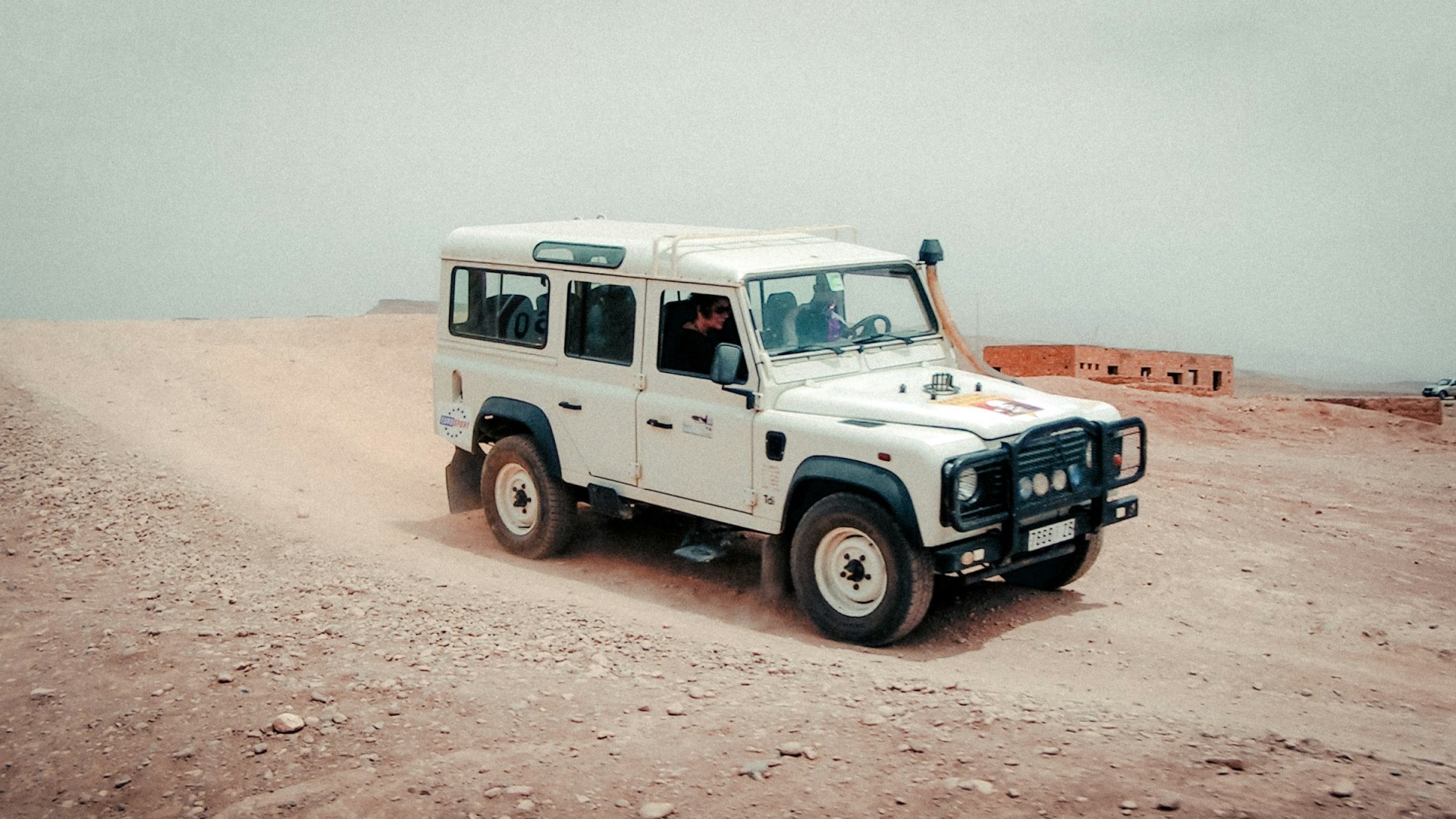
Set along the edge of the Anti-Atlas and the northern reaches of the desert, Tata offers a landscape shaped by sun, stone, and water. The town sits within a wide oasis valley, where palm groves stretch across the land in sharp contrast to the surrounding dry hills. Life here depends on careful use of water, and visitors quickly notice how every field and garden is planned with purpose. The result is a setting that feels both remote and deeply connected to the land.
Madaba
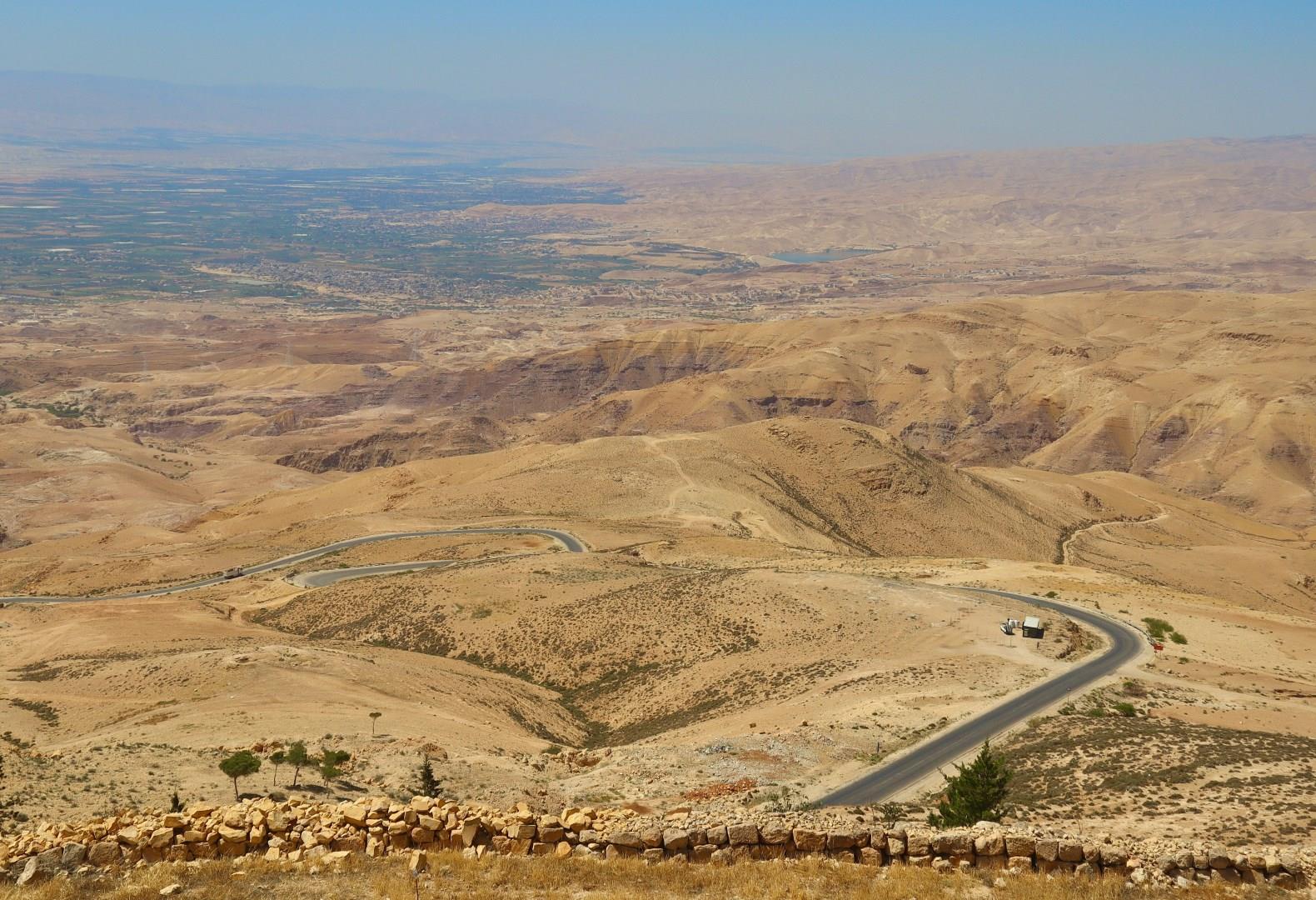
Madaba sits on Jordan’s central plateau, known for a long history that stretches from biblical times through the Roman and Byzantine periods.

Boothbay Harbor
Boothbay Harbor is a small fishing village located close to the ocean. To experience the classic flavor of Maine, the outlying areas are a must-see.
Hikone
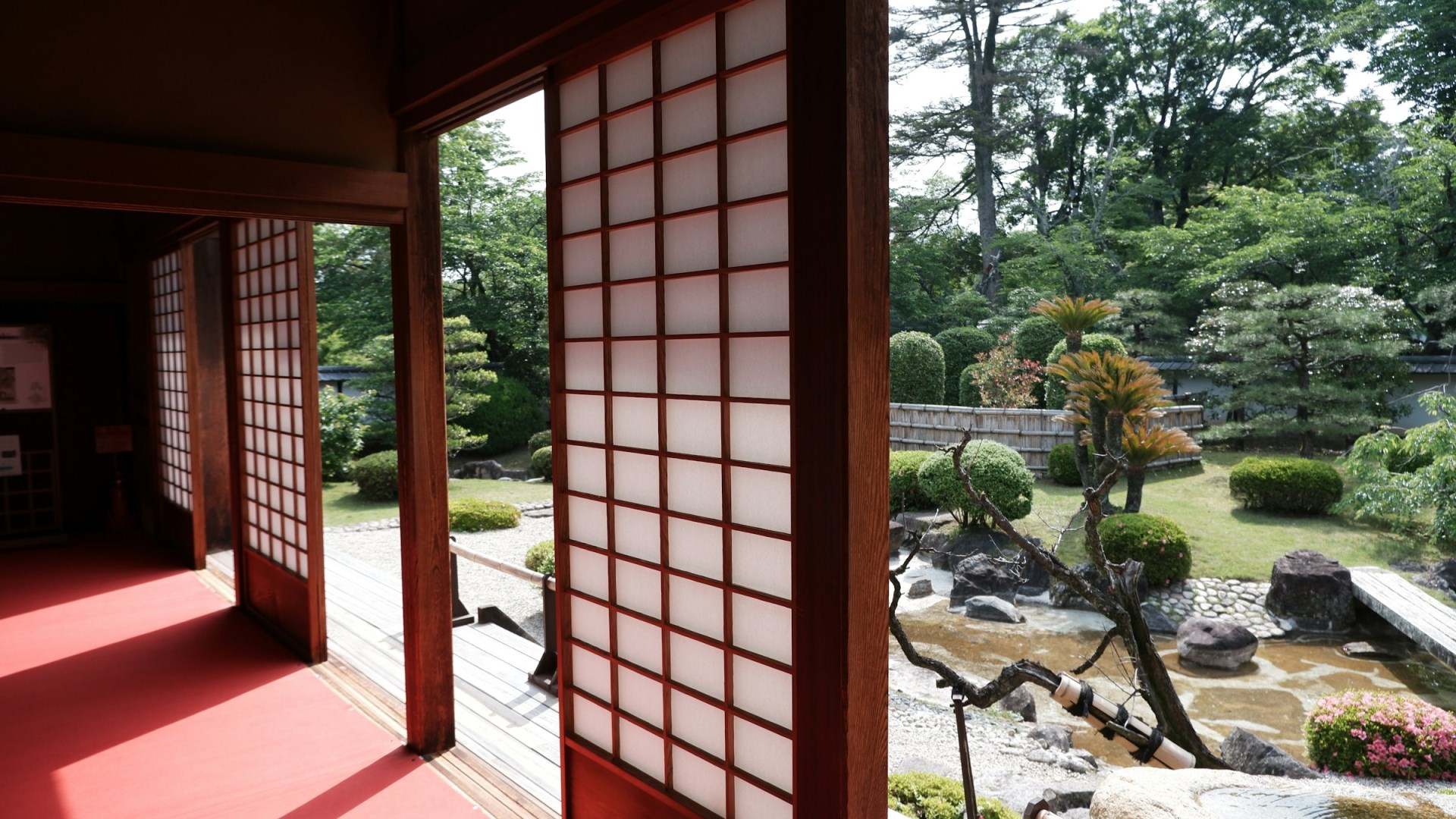
Hikone is a city in Shiga Prefecture on the eastern shore of Lake Biwa, Japan's largest lake. Its location combines a historic castle town with lakeside landscapes, wooded hills, and traditional neighborhoods. Hikone Castle, a National Treasure, is the city's best-known landmark and remains surrounded by moats, stone walls, and gardens.