Iron Gates
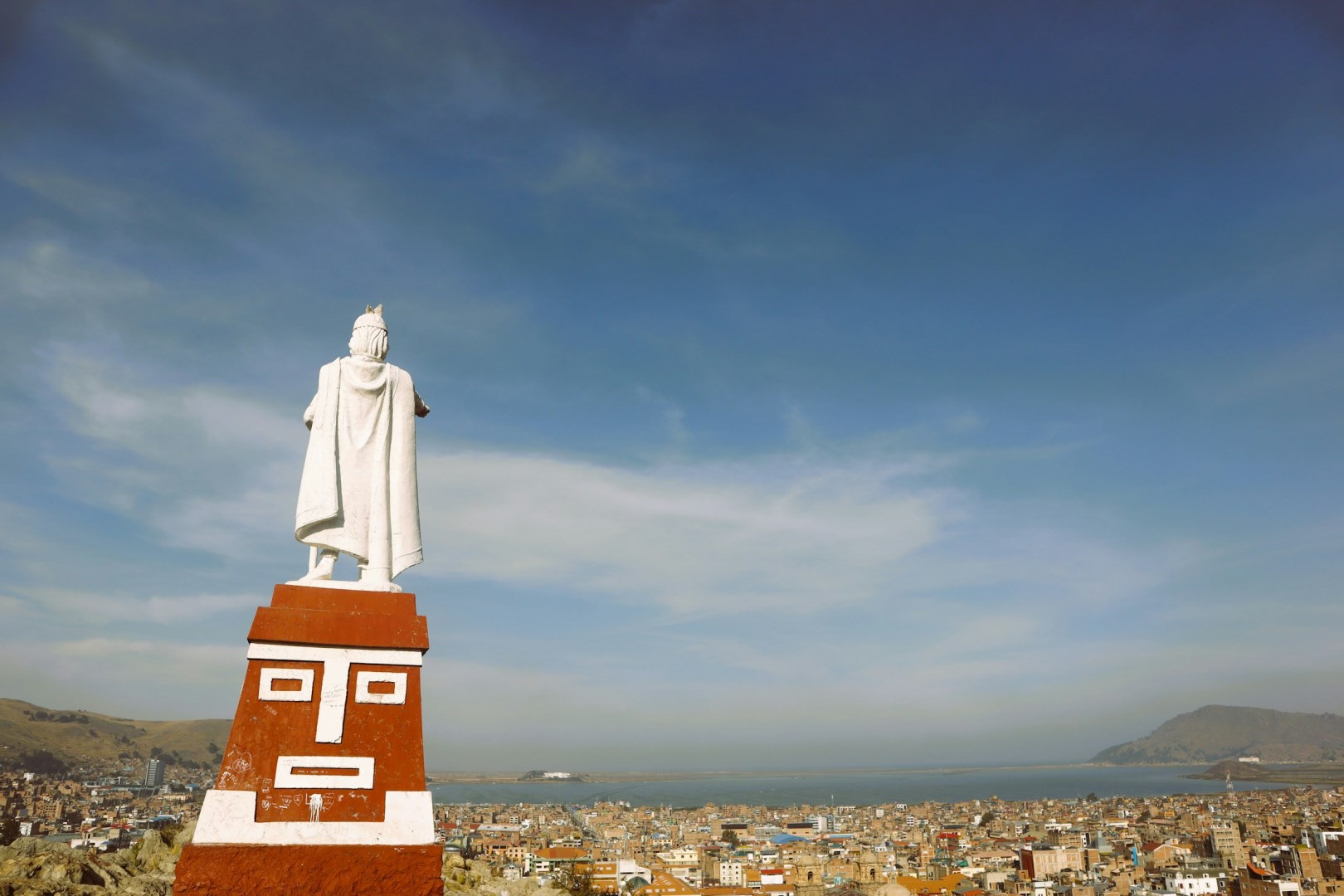
The Iron Gates, a dramatic gorge along the Danube River, is a spectacular natural wonder straddling the border between Romania and Serbia. This striking geological formation carves its way through the Carpathian Mountains, creating breathtaking views that captivate all who visit.
Bulawayo
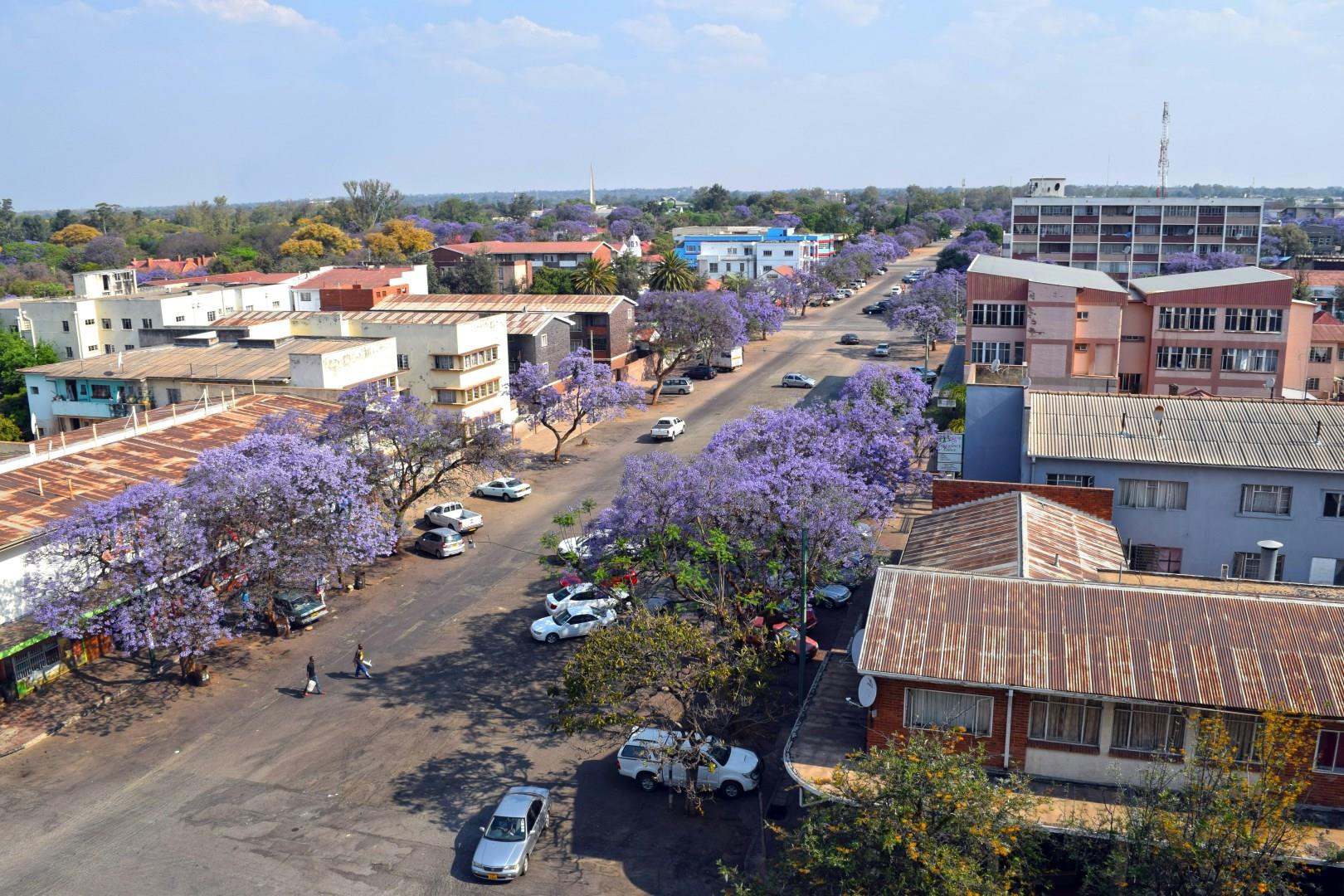
Bulawayo is Zimbabwe’s second-largest city and a place where industrial heritage and deep cultural roots intersect. Founded near the former capital of the Ndebele kingdom, the city carries strong historical significance tied to King Lobengula and the resistance to colonial expansion.
Deshaies
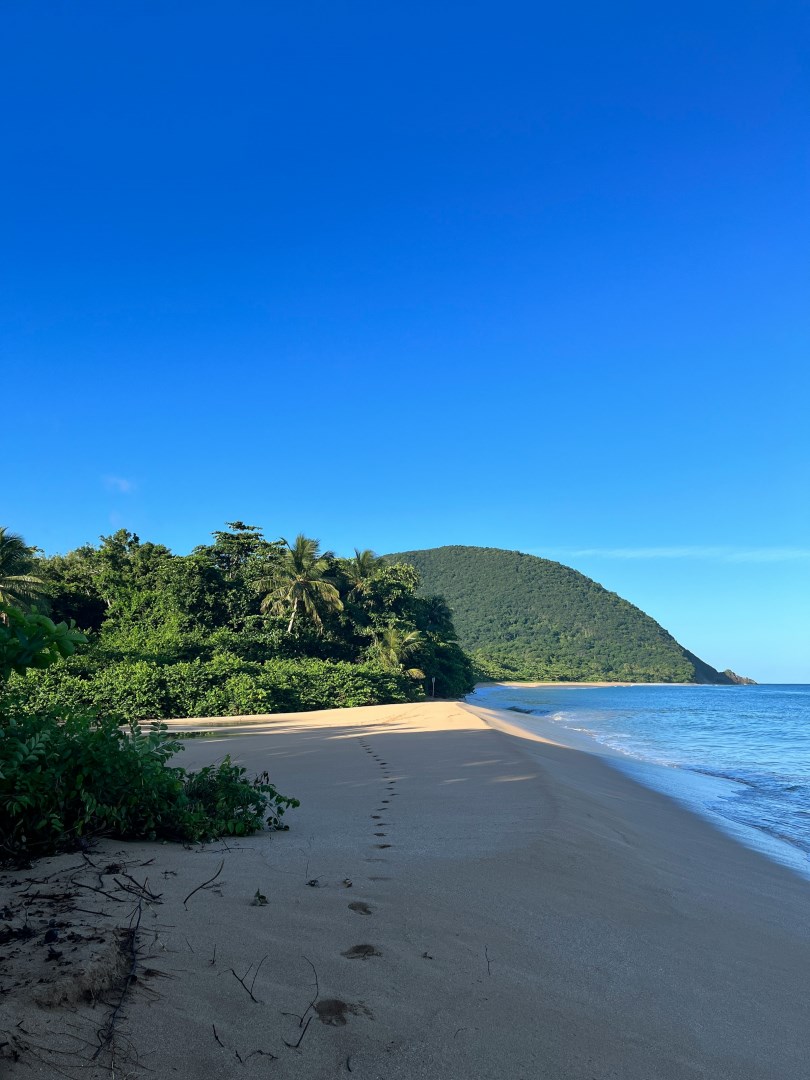
Deshaies, a picturesque village on the northwest coast of Guadeloupe, offers a quintessential Caribbean experience with its stunning beaches, lush landscapes, and charming local culture. Nestled between verdant hills and the sparkling Caribbean Sea, this town is renowned for its idyllic scenery and relaxed atmosphere. One of its main attractions is the beautiful Plage de Grande-Anse, a long, golden-sand beach perfect for swimming, sunbathing, and enjoying the vibrant marine life.

Slovakia
Slovakia is a country shaped by mountains, castles, and centuries of shifting borders. Tucked in the heart of Europe, it offers visitors a chance to explore medieval towns, alpine peaks, and deep-rooted traditions still practiced in daily life. Bratislava, the capital, sits along the Danube River and is one of the few national capitals that borders Austria and Hungary.
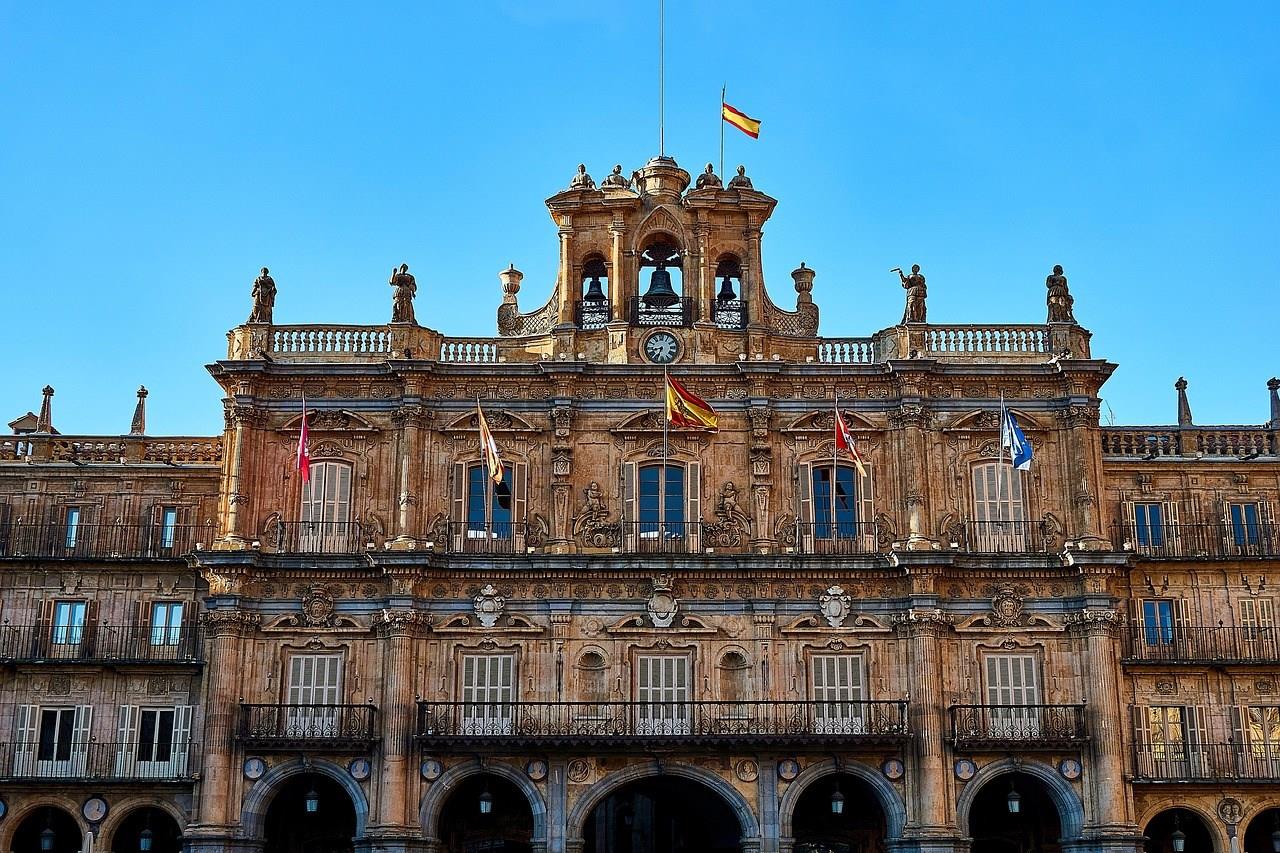
Salamanca
Salamanca, often called the “Golden City” for the warm glow of its sandstone buildings, is a place where centuries of stories are etched into every wall. Visit its historic center to wander through cobbled streets lined with architectural marvels. The University of Salamanca, founded in 1218, is one of the oldest in Europe and still buzzes with student life.