Worcester
Worcester, Massachusetts is located on the Blackstone River, near Lake Quinsigamond. Points of interest include: the American Antiquarian Society; the Worcester Art Museum; the Worcester Historical Museum; the John Woodman Higgins Armory; and the Worcester Science Center, with collections on the biological and physical sciences; and the Worcester
Music Festival.
Music Festival.

Brown Bluff
Brown Bluff is a distinctive coastal landmark on the east side of the Tabarin Peninsula, overlooking the southwestern Antarctic Sound. Its defining feature is a long beach of cobbles and volcanic ash backed by steep, red-brown cliffs that rise toward an ice-capped, flat-topped mountain. The cliffs are made of volcanic tuff and contain rounded volcanic bombs, giving the shoreline a rugged geological character. Glaciers and permanent ice border the site, while brash ice can sometimes spread across
Modesto
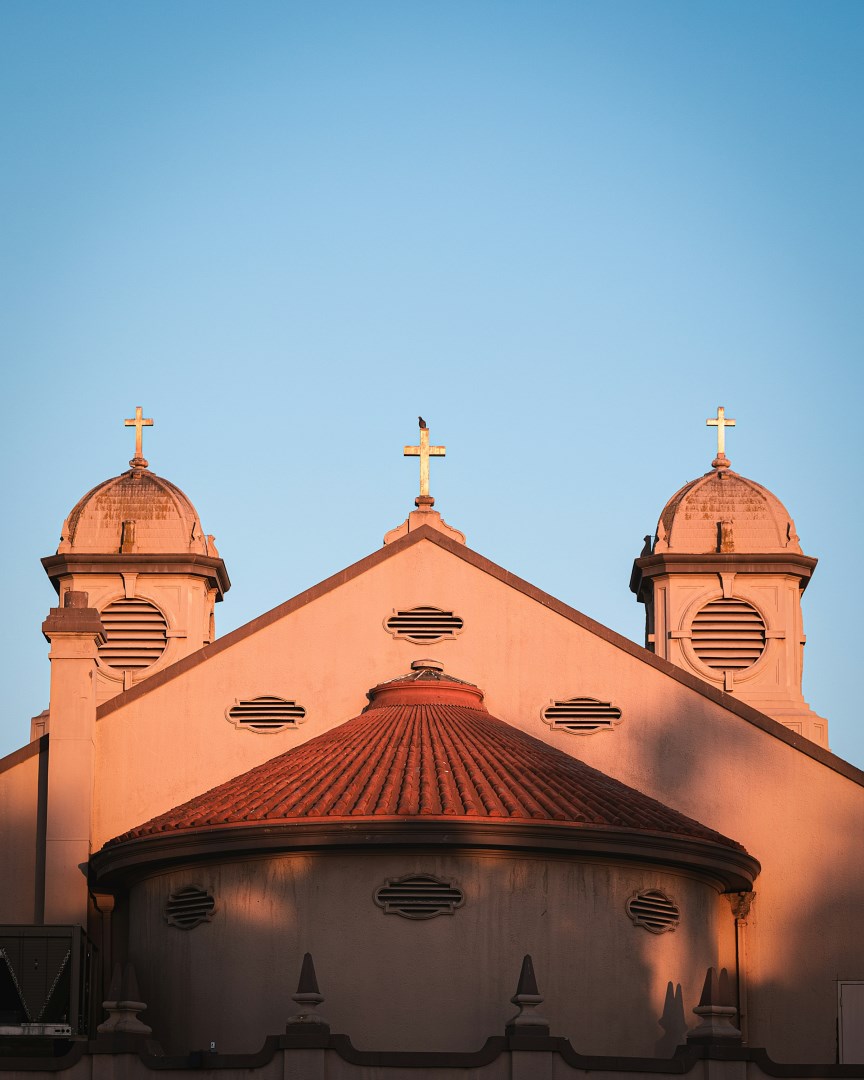
Modesto is a city in California’s Central Valley, located along the Tuolumne River between the Sierra Nevada and the Coast Range. The city is surrounded by some of the state’s most productive agricultural land, with orchards, vineyards, dairies, and fields extending across the surrounding countryside. Modesto’s urban center includes historic neighborhoods, downtown businesses, parks, and cultural venues, while the Tuolumne River provides a natural corridor through the region.

Le Havre
Le Havre is a captivating port city in Normandy, France where the English Channel meets the Seine River. Having evolved from a small fishing village into a bustling maritime hub, it is a blend of rich history, modern architecture, and stunning natural beauty. The city's historic roots are especially evident in landmarks such as the Graville Abbey, one of the oldest monuments in the area, and the impressive St. Joseph's Church, a modern architectural marvel designed by Auguste Perret.

Novi Sad
Novi Sad, Serbia’s second-largest city, sits along the banks of the Danube River and has long served as a cultural meeting point in the Balkans. Its centerpiece is Petrovaradin Fortress, a massive 18th-century stronghold nicknamed the "Gibraltar on the Danube." The fortress is known not just for its historic architecture but also for its network of underground tunnels and the iconic clock tower where the hands are reversed, meaning the large hand shows the hour.