Stellenbosch, a charming town in South Africa’s Western Cape, is a haven for wine lovers and history enthusiasts alike. Established in 1679, Stellenbosch boasts well-preserved Cape Dutch architecture and a vibrant cultural scene. Its tree-lined streets are dotted with historical buildings, boutique shops, and artisanal cafes. A visit to the Stellenbosch Village Museum offers a glimpse into the town’s rich heritage, showcasing restored buildings from the 18th and 19th centuries.
Sabi Sands Nature Reserve, located in South Africa’s Mpumalanga province, is one of the country’s most renowned private game reserves. Sharing an unfenced boundary with the Kruger National Park, it offers visitors a chance to see Africa’s iconic wildlife in an environment that feels both wild and exclusive. The reserve is particularly famous for its sightings of the Big Five (lion, leopard, elephant, buffalo, and rhino) often spotted during guided game drives at dawn and dusk.
Madurai is a major city in the southern Indian state of Tamil Nadu, known for its long-standing role as a center of religion, trade, and learning. Set along the Vaigai River, it has grown into a busy urban area while retaining a strong connection to its temple-centered layout.
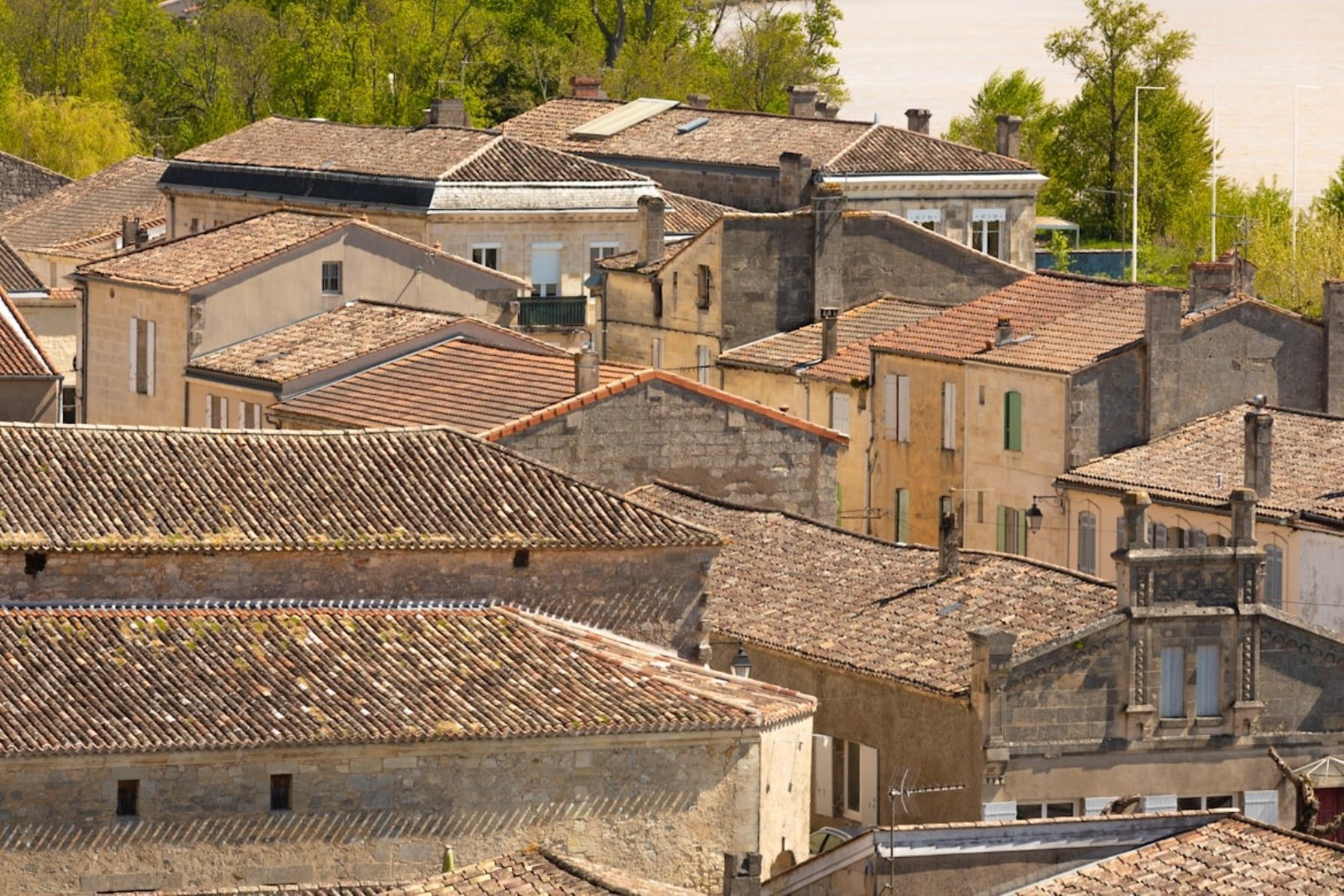
Libourne, located in northern Gironde, is a picturesque town known for its rich history and vibrant wine culture. Founded in 1270 as a bastide by Roger de Leybourne, Libourne has long been a key port for the wine trade, particularly for the renowned vineyards of Saint-Émilion and Pomerol. Visitors can explore the charming town center, which features the beautiful Place Abel-Surchamp, surrounded by traditional arcades and lively farmers markets. The town hall, with its grand interior and historic
Ishasha, a hidden gem in southwestern Uganda, offers travelers a serene yet thrilling experience within Queen Elizabeth National Park. Known for its famous tree-climbing lions, this remote section of the park attracts wildlife enthusiasts eager to witness these majestic creatures lounging in the branches of fig and acacia trees. The landscape of Ishasha is stunning, with vast savannahs stretching out towards the horizon, dotted with rivers that attract herds of elephants, buffalo, and antelopes.
Photo Credit: Photo by Carter Obasohan on Unsplash
Photo Credit: Photo by Mircea Muntean on Unsplash
Photo Credit: Photo by martin bennie on Unsplash
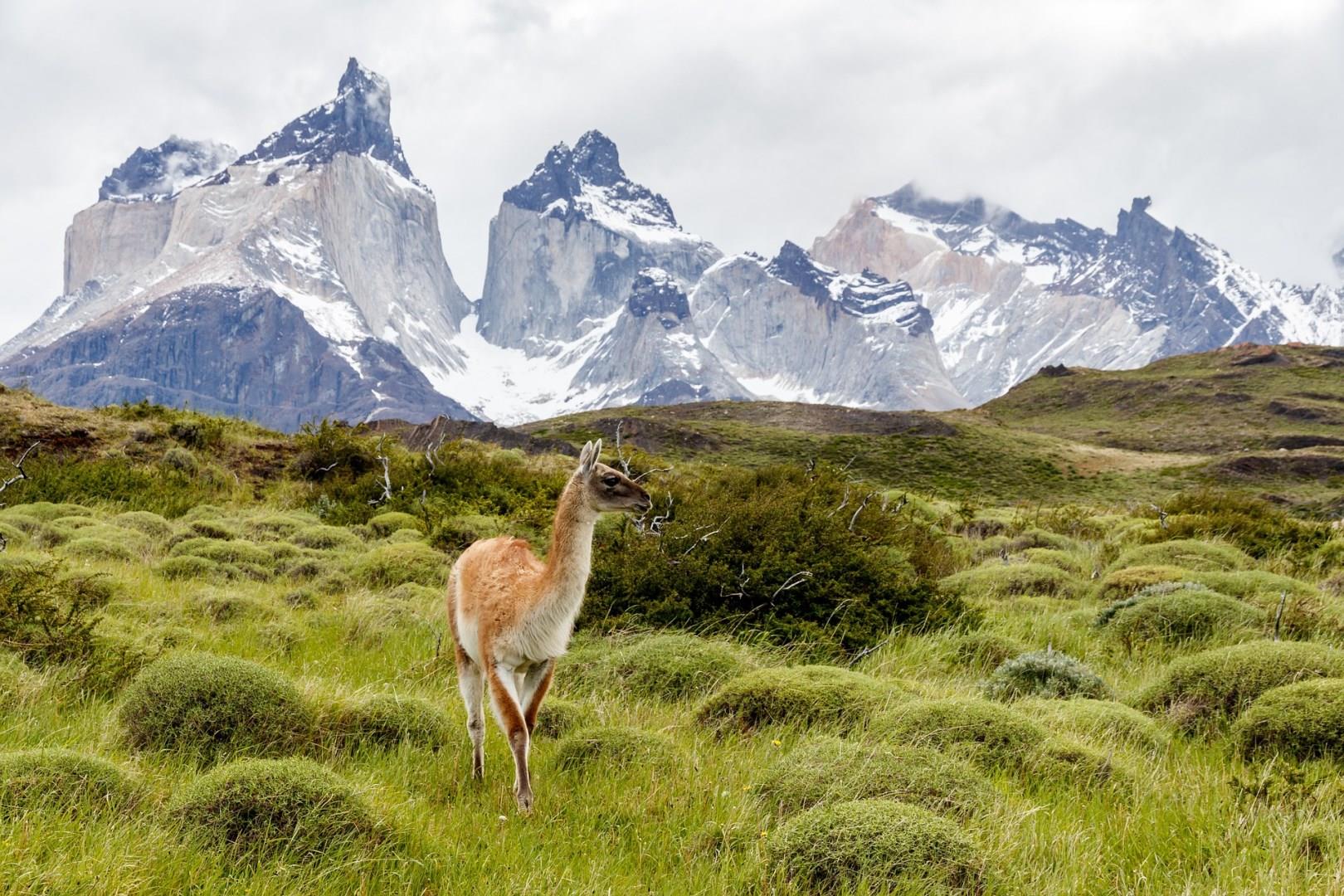
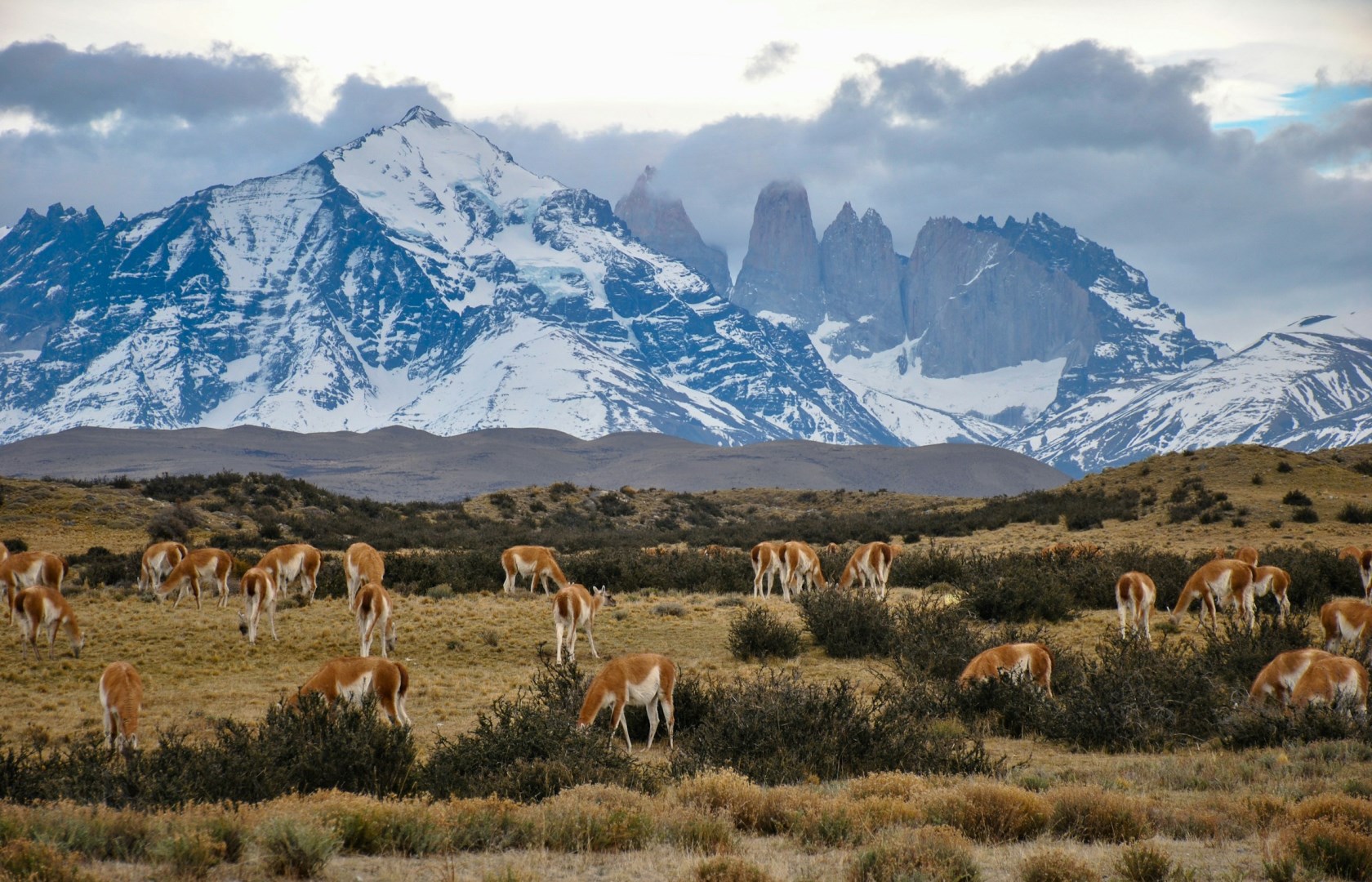
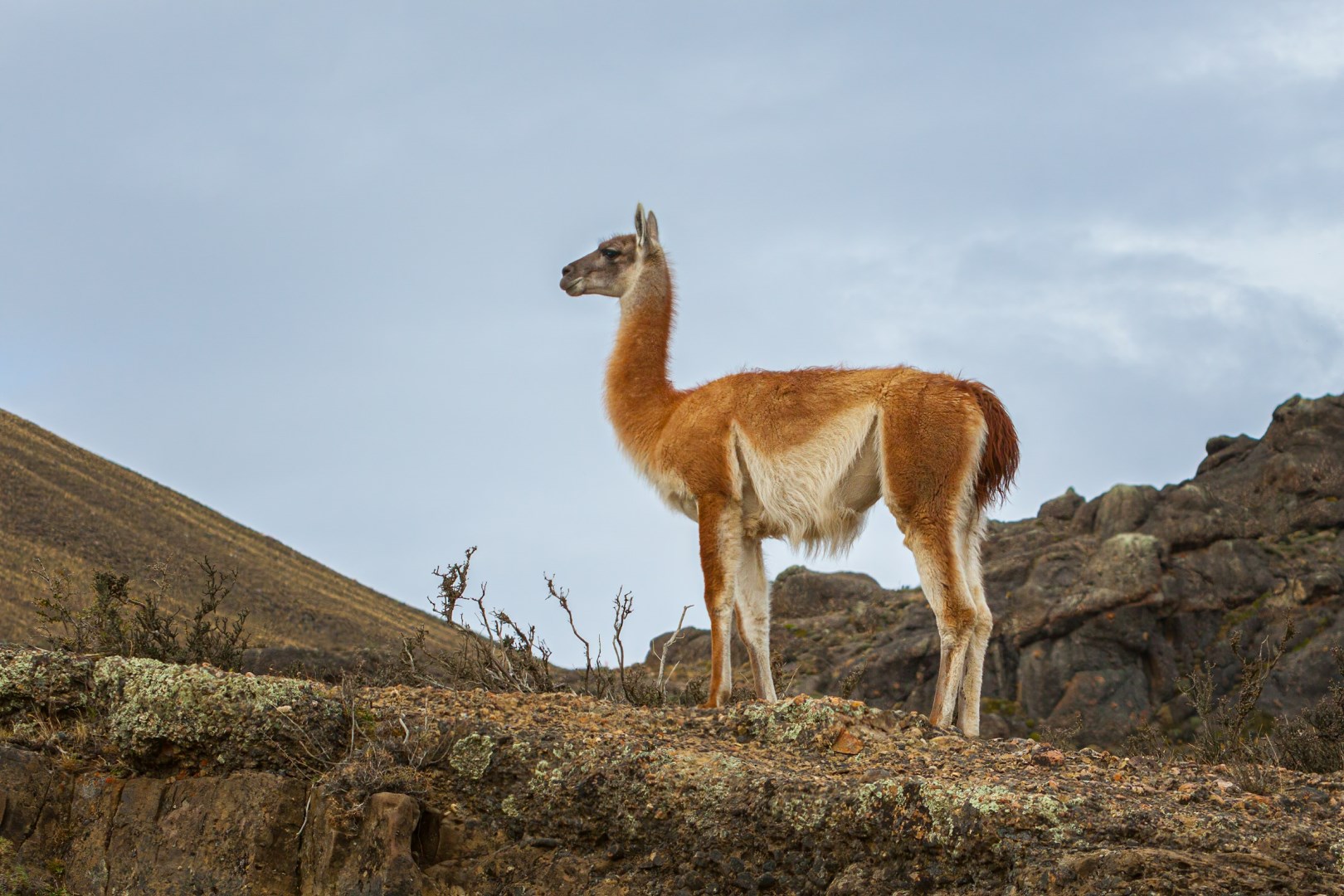
Guanacos
Photo Credit: Photo by Alex Wolowiecki on Unsplash
Photo Credit: Photo by Torres del Paine Arcoíris on Unsplash
Photo Credit: Photo by Baptiste Azais on Unsplash
Guanaco
Photo Credit: Photo by Chris Stenger on Unsplash
Photo Credit: Photo by Carter Obasohan on Unsplash
Photo Credit: Photo by Akshay Nanavati on Unsplash
Photo Credit: Photo by Milan Malfait on Unsplash
Photo Credit: Photo by Simone Dinoia on Unsplash
Photo Credit: Photo by Karla Robinson on Unsplash
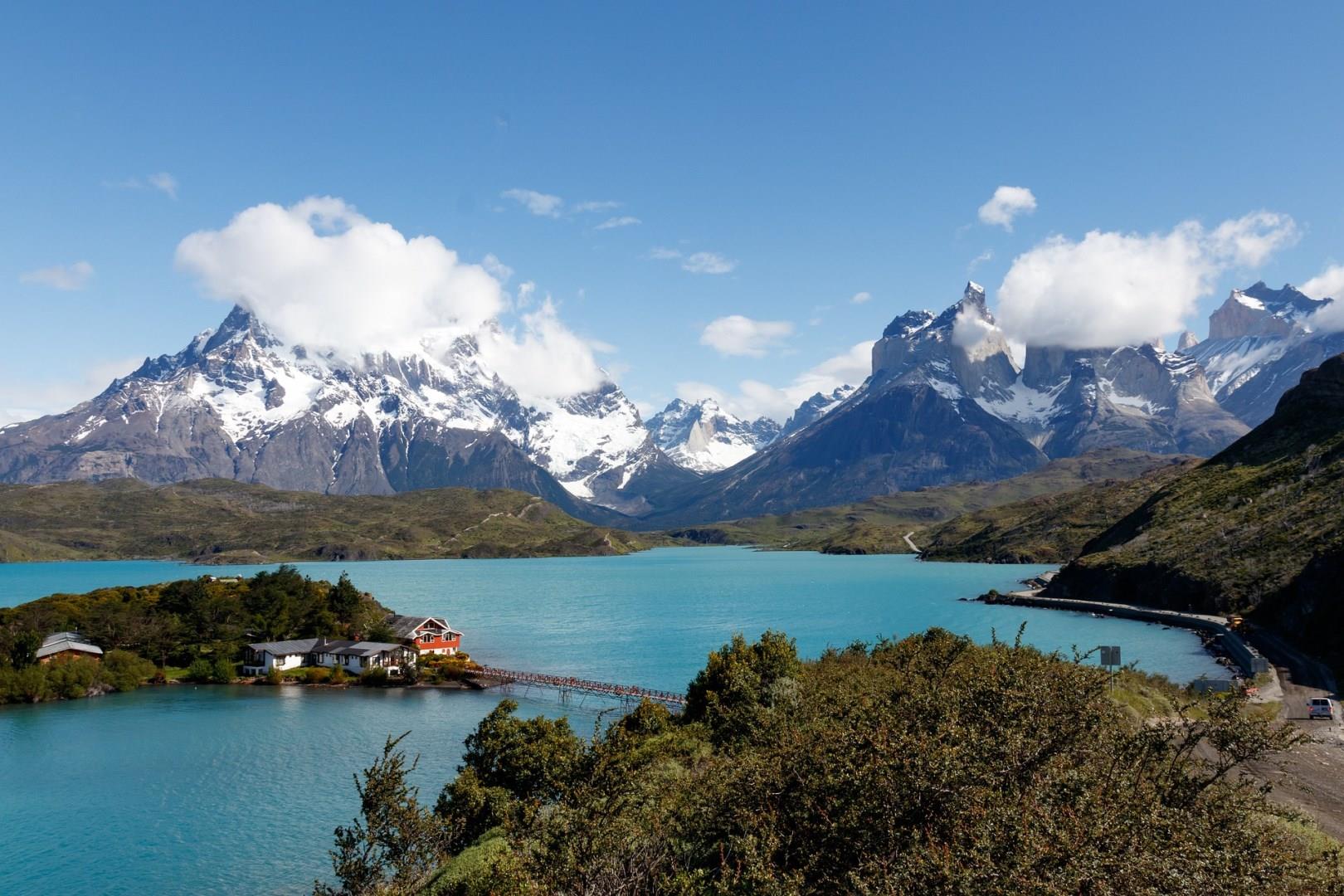
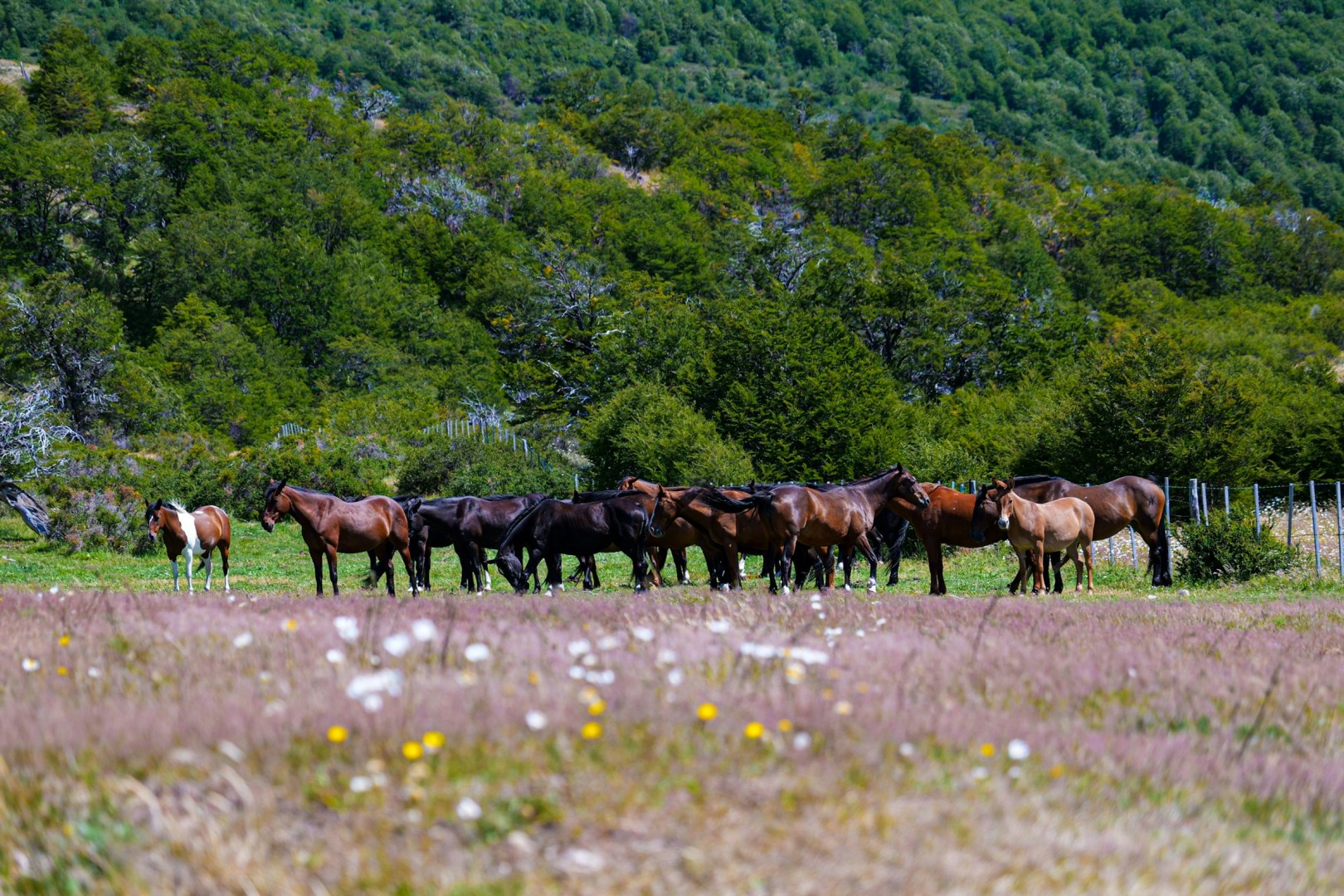
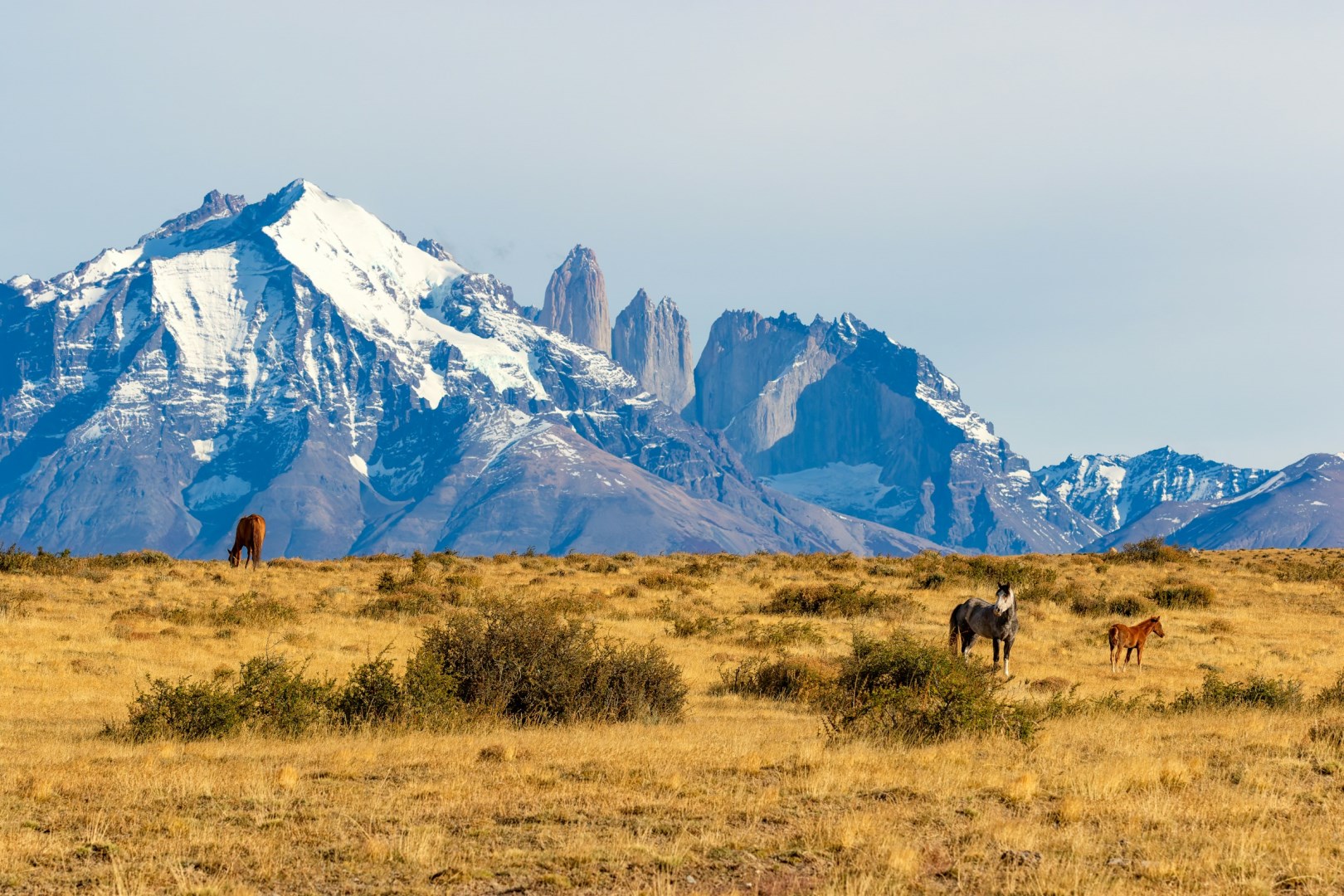
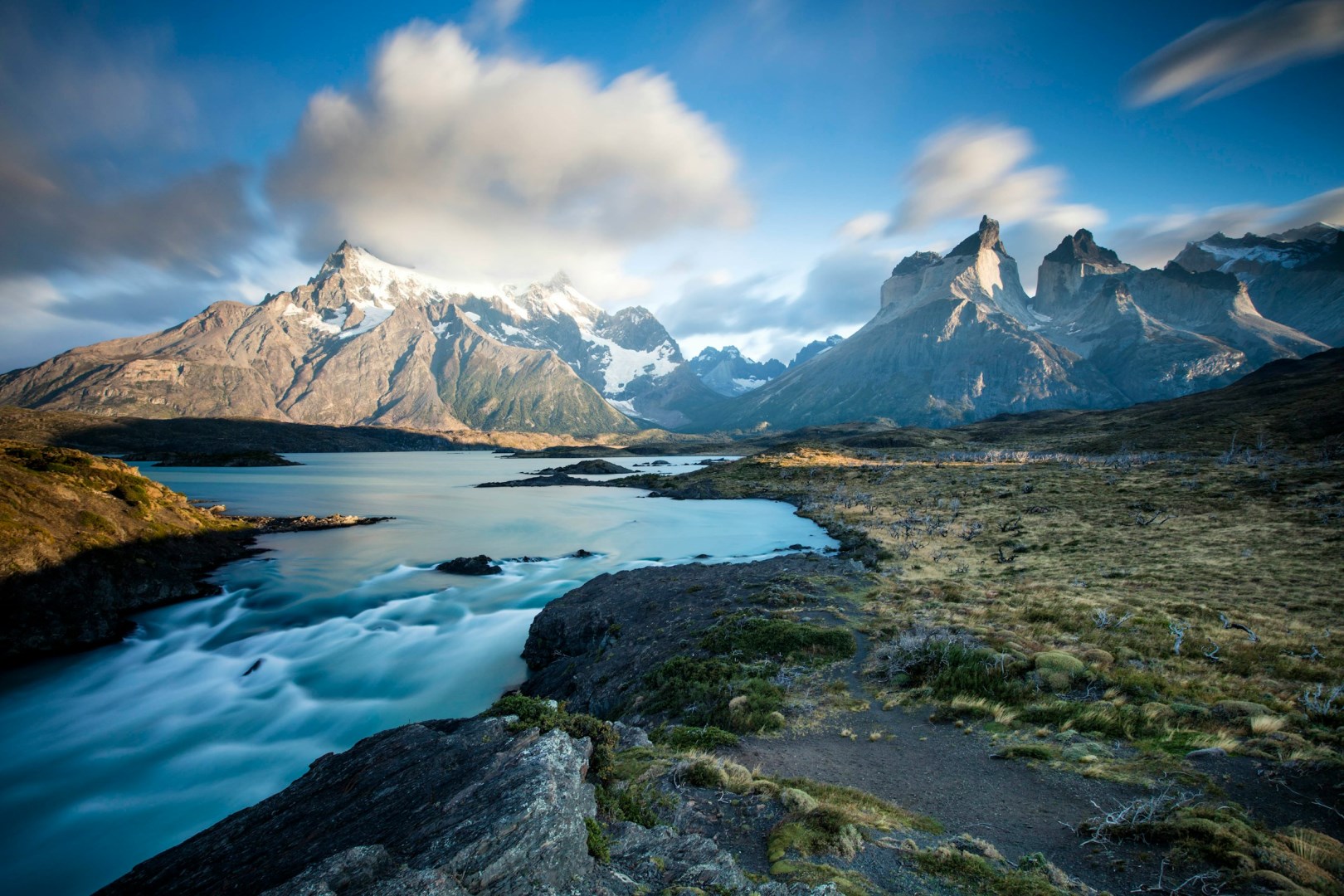
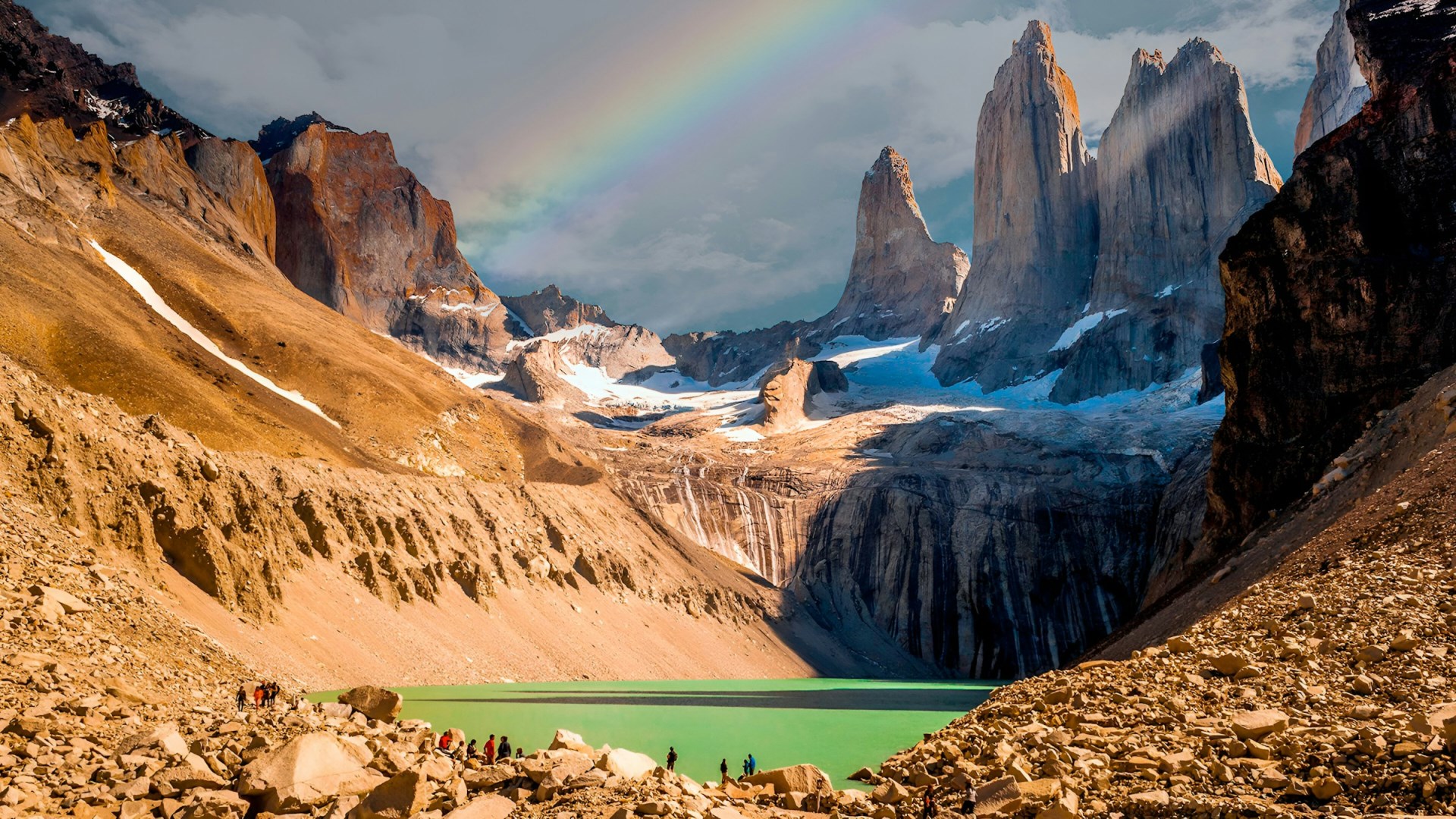
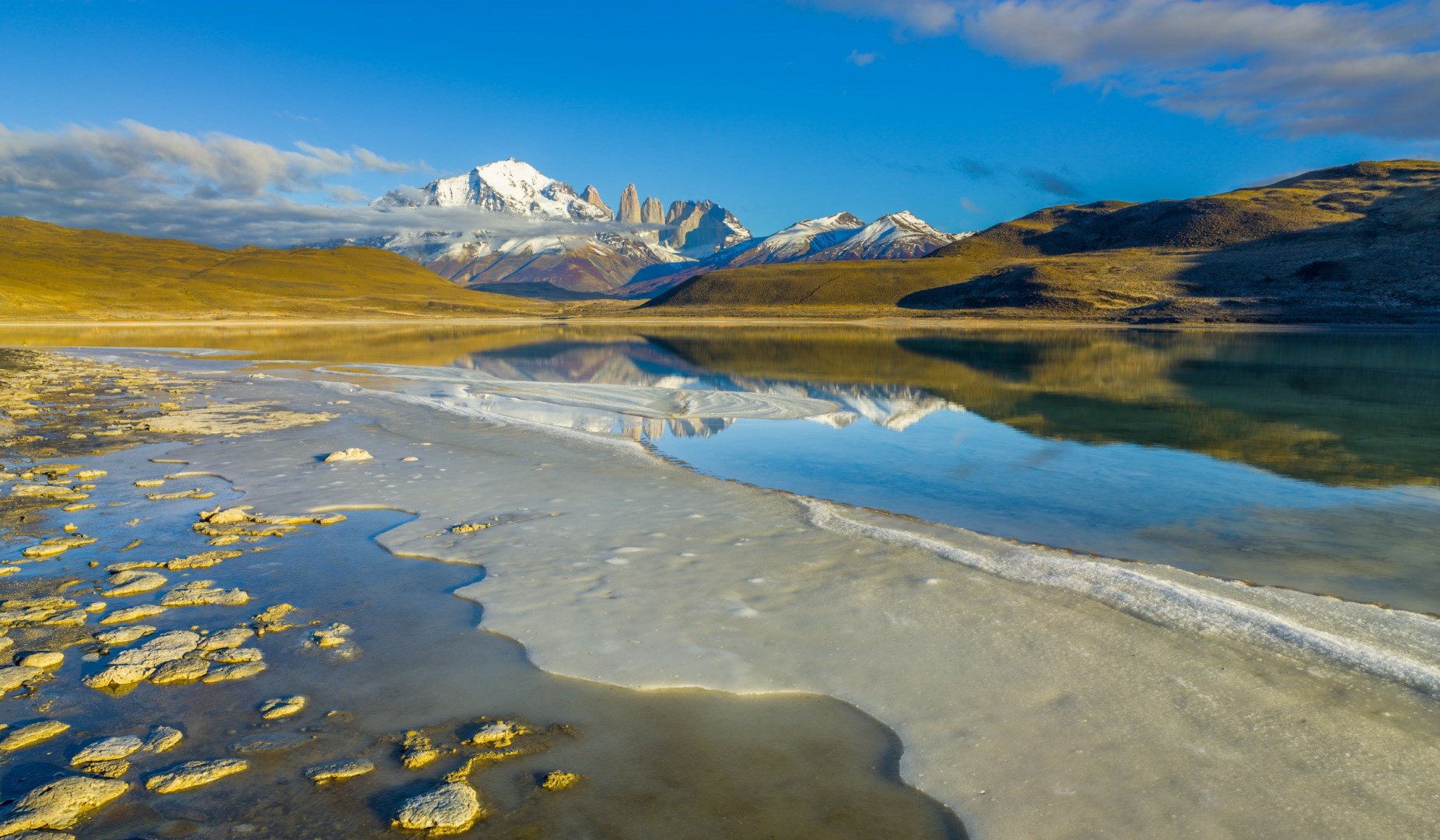
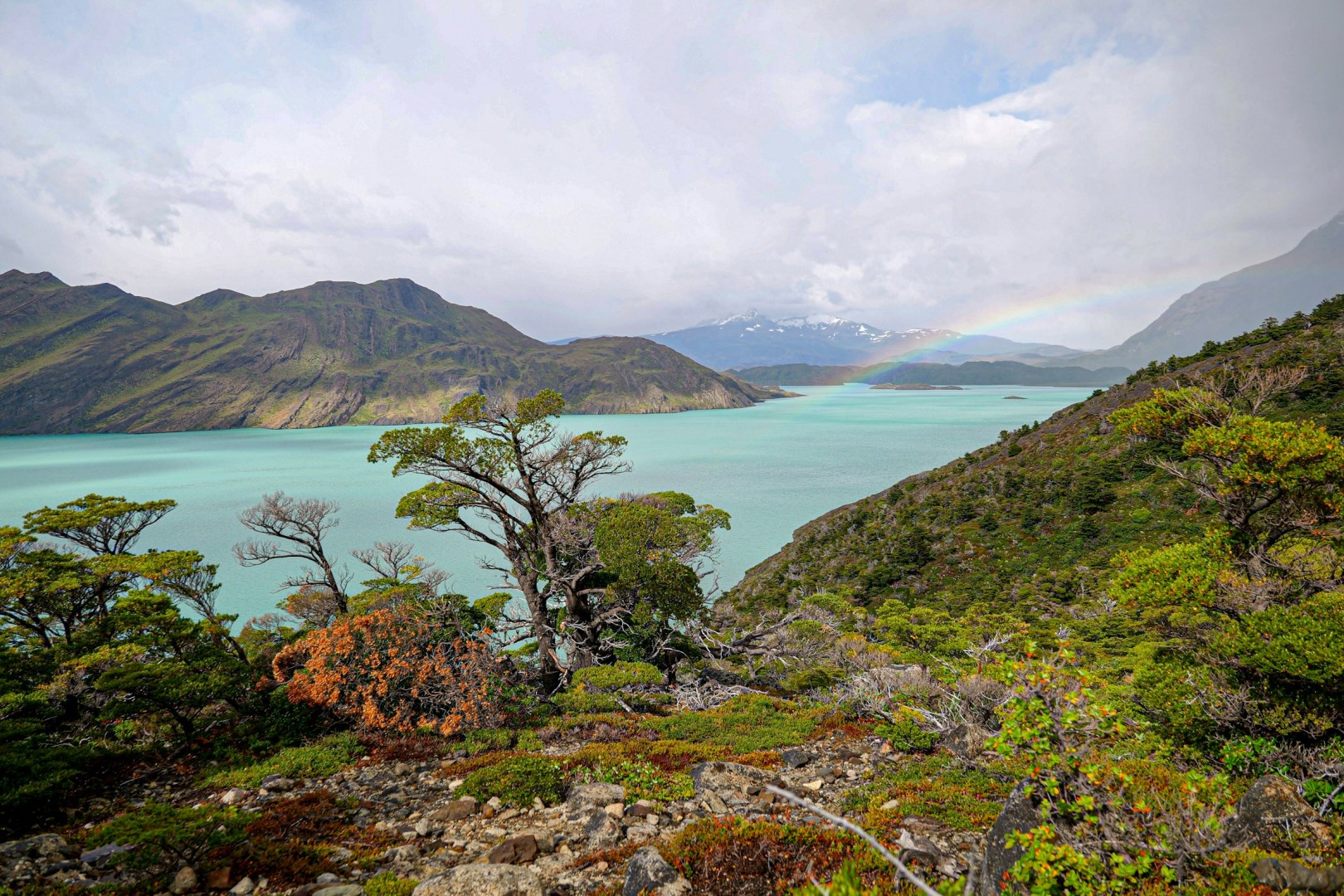
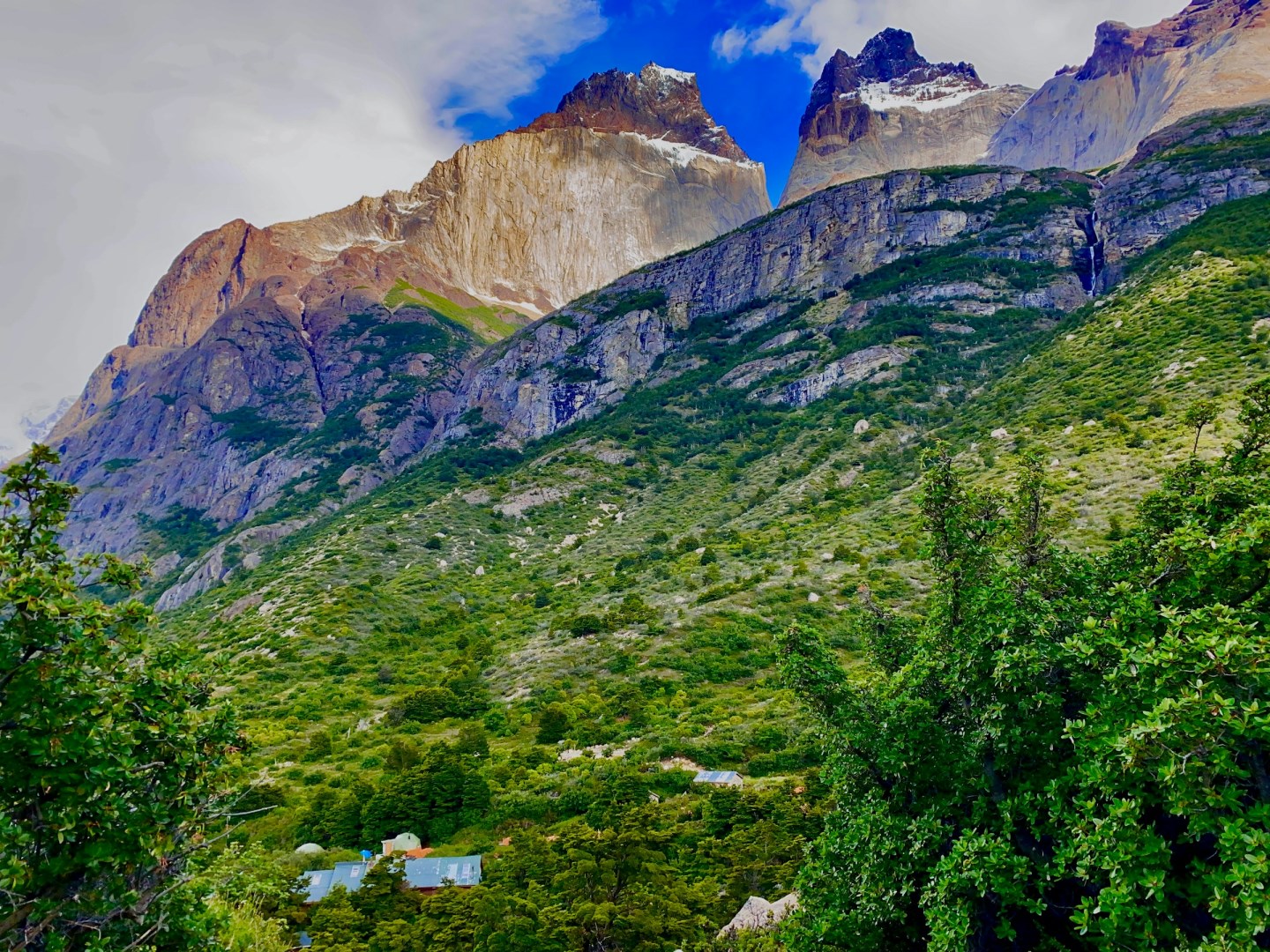
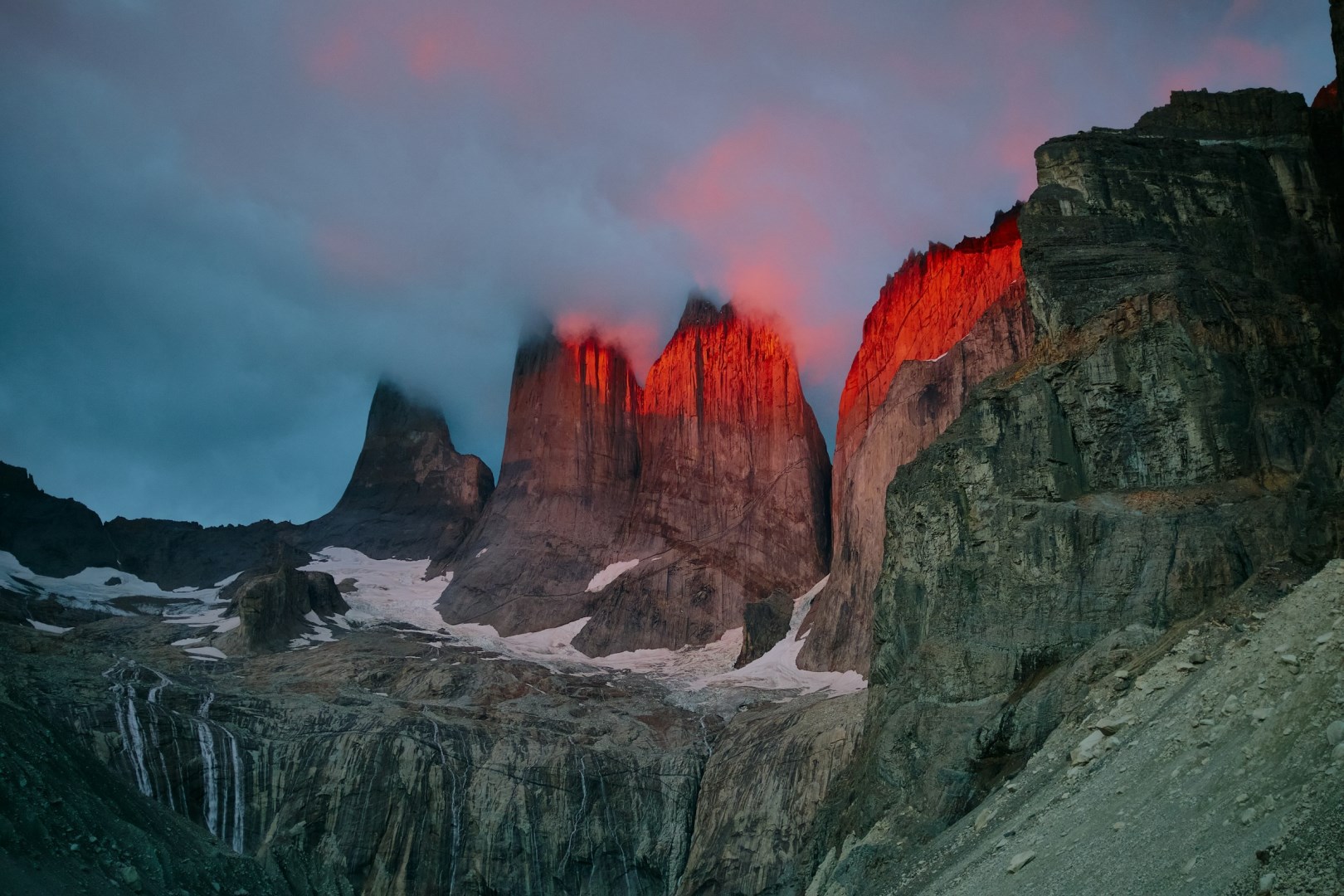
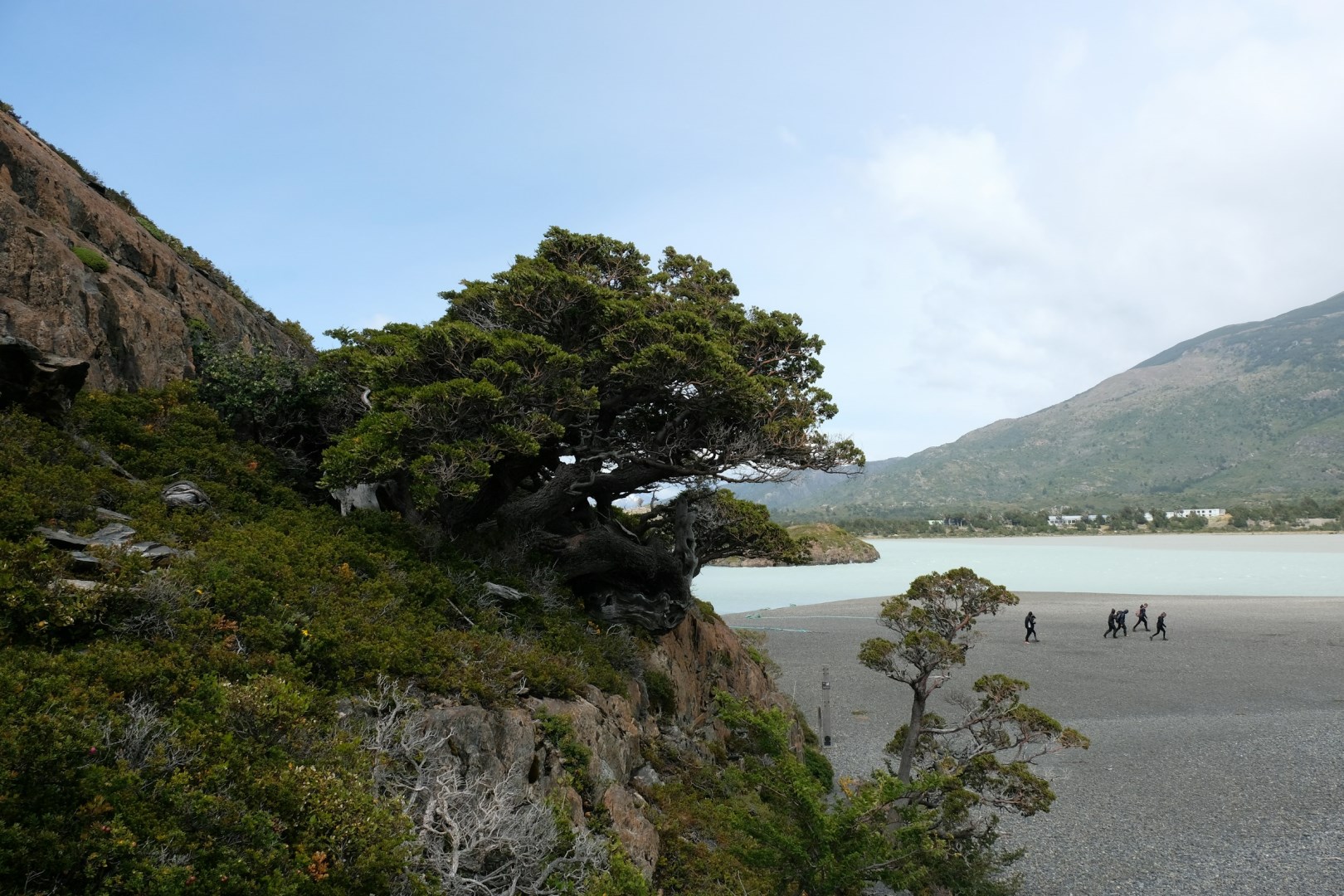
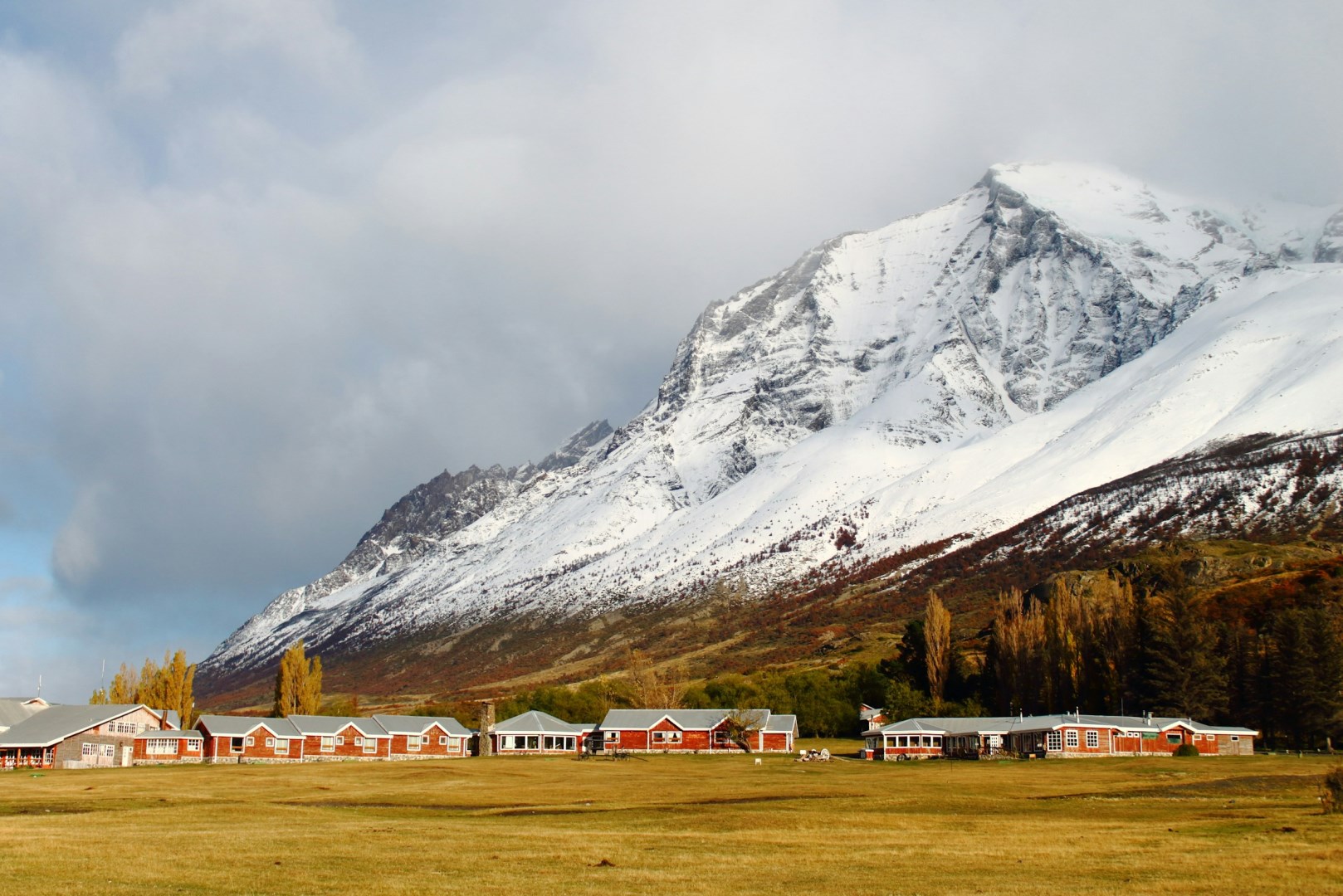
This is a wild and beautiful area unlike anywhere else in the world. Torres del Paine lies between the central spine of the Andes, nearly buried under a massive ice cap and the steppes of Southern Patagonia. The mountains that comprise Paine Massif are not high for the Andes, but they are precipitous. What makes individual mountains so dramatic is that from most places in the park entire peaks can be seen-from base to summit-and they appear to leap into the clouds from the floor of the valley. With its 450,000 acres, Torres del Paine truly is a world-class park because of its completeness, having every feature one could hope for in a temperate zone park. It has, like all truly great parks, that indefinable element in its character to which visitors respond.