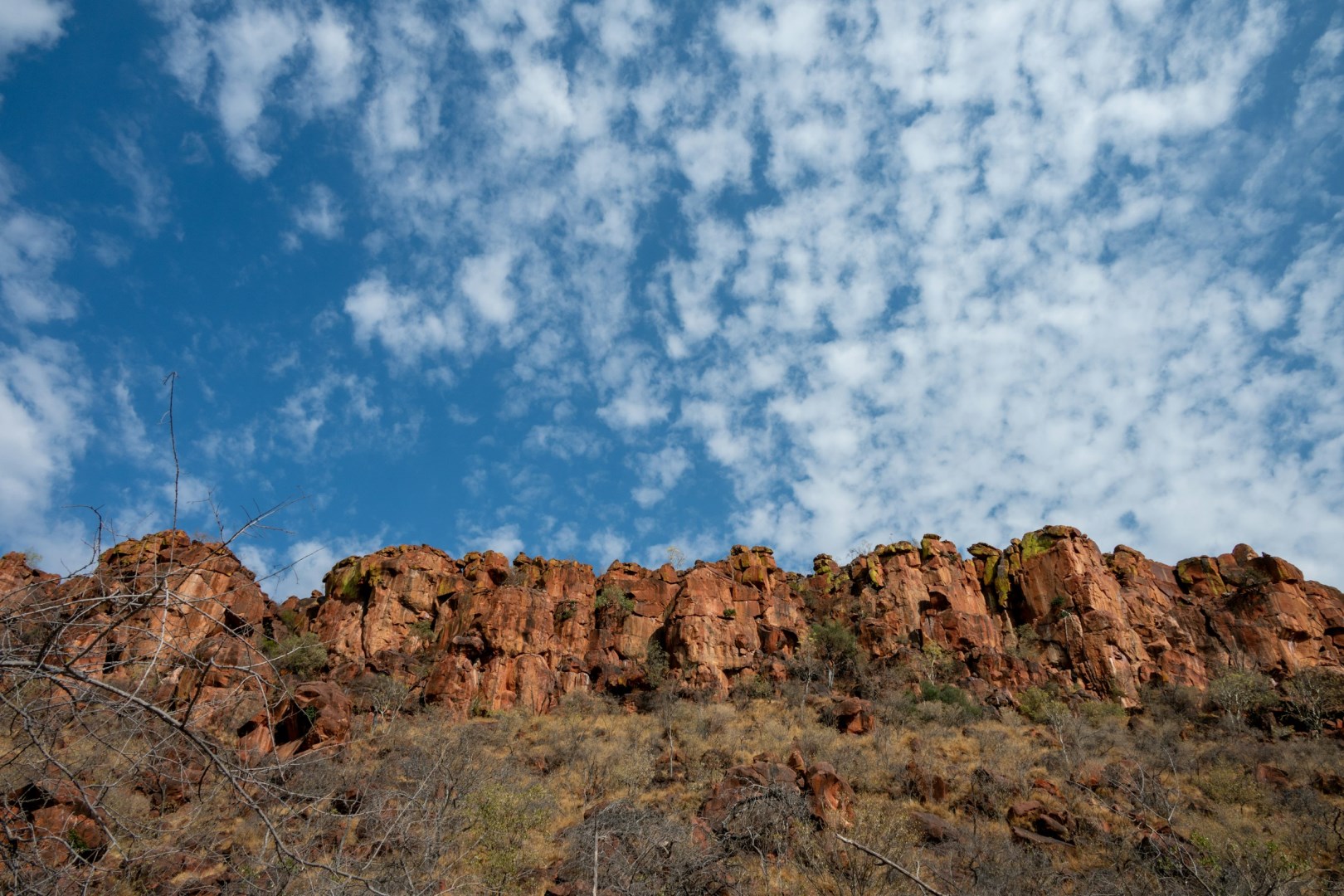
Waterberg Plateau National Park is a protected area in central Namibia, known for its long sandstone plateau rising above surrounding savanna and thornbush. The porous sandstone supports permanent springs at the base of the plateau, creating greener habitats than those found across much of the surrounding region.
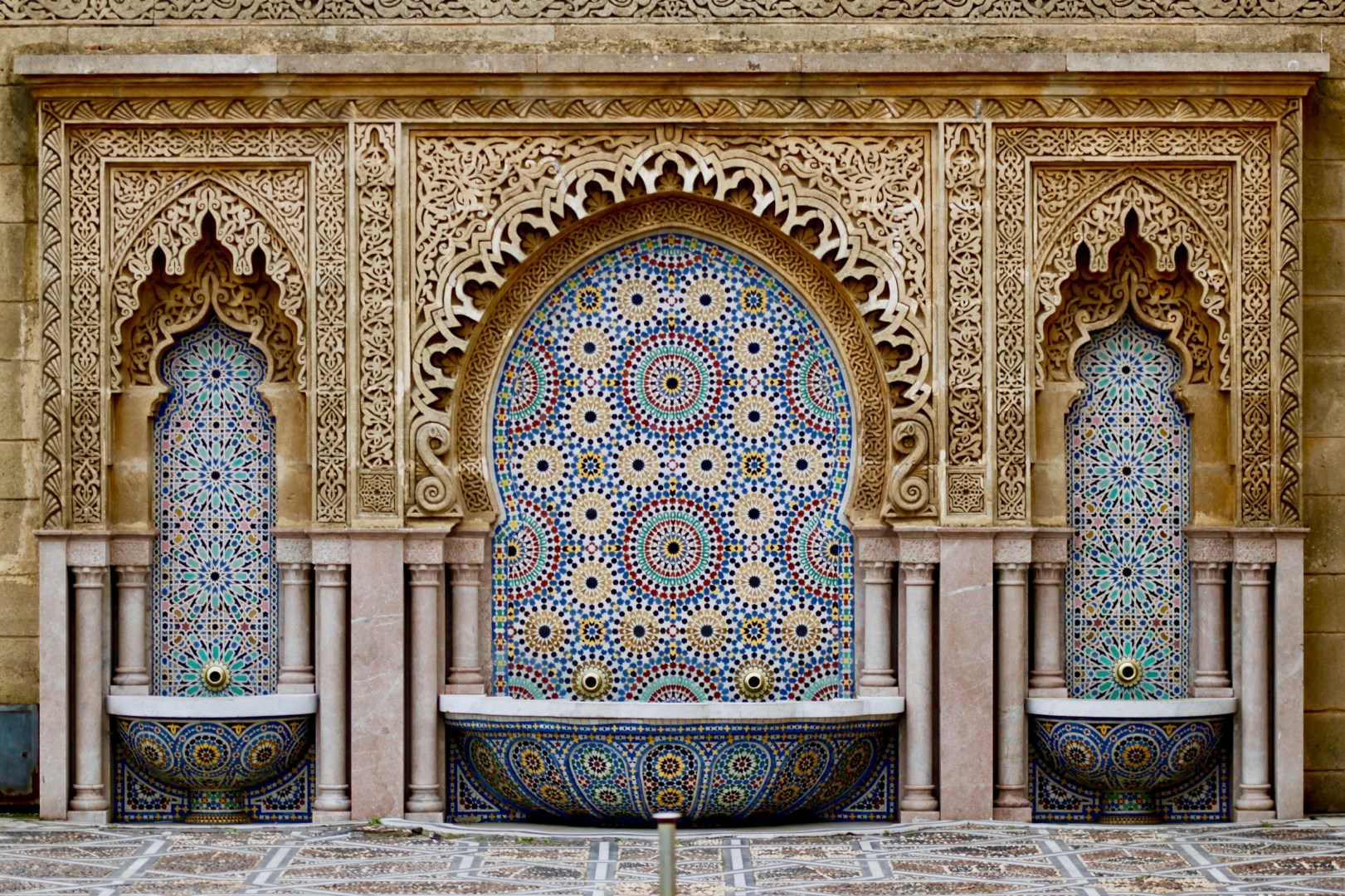
Rabat, the capital of the kingdom of Morocco, is located on the edge of the Atlantic Ocean on the left bank of the Bou Regreg Estuary. A city of trees and flowers, Rabat combines peace, beauty and Serenity, and is steeped in history.
Belém do Pará sits at the edge of the Amazon, where river and bay meet in a landscape with activity and color. The Ver-o-Peso Market spreads along Guajará Bay, welcoming early morning boats laden with fresh fish, herbs, fruits, and Amazonian goods. Recognized by UNESCO as a Creative City of Gastronomy, the local cuisine marries Indigenous, Portuguese, and African traditions to create dishes found nowhere else.
The Namib Desert, one of the world’s oldest deserts, stretches along the western coast of Namibia, offering a landscape of stunning, otherworldly beauty. The name “Namib” means "vast place," and fittingly so, as this desert spans over 2,000 kilometers and includes some of the tallest sand dunes on Earth, such as those found in Sossusvlei.
Bodrum is a resort town on the dazzling blue bay, in which the Aegean and the Mediterranean Seas meet. The town's charm is well-known, attracting a diverse population of vacationers who stroll along its long palm-lined waterfront, while elegant yachts crowd the marina. Not far from town , you can swim in absolutely clear, tideless, warm seas.
Photo Credit: Photo by Carter Obasohan on Unsplash
Photo Credit: Photo by Mircea Muntean on Unsplash
Photo Credit: Photo by martin bennie on Unsplash
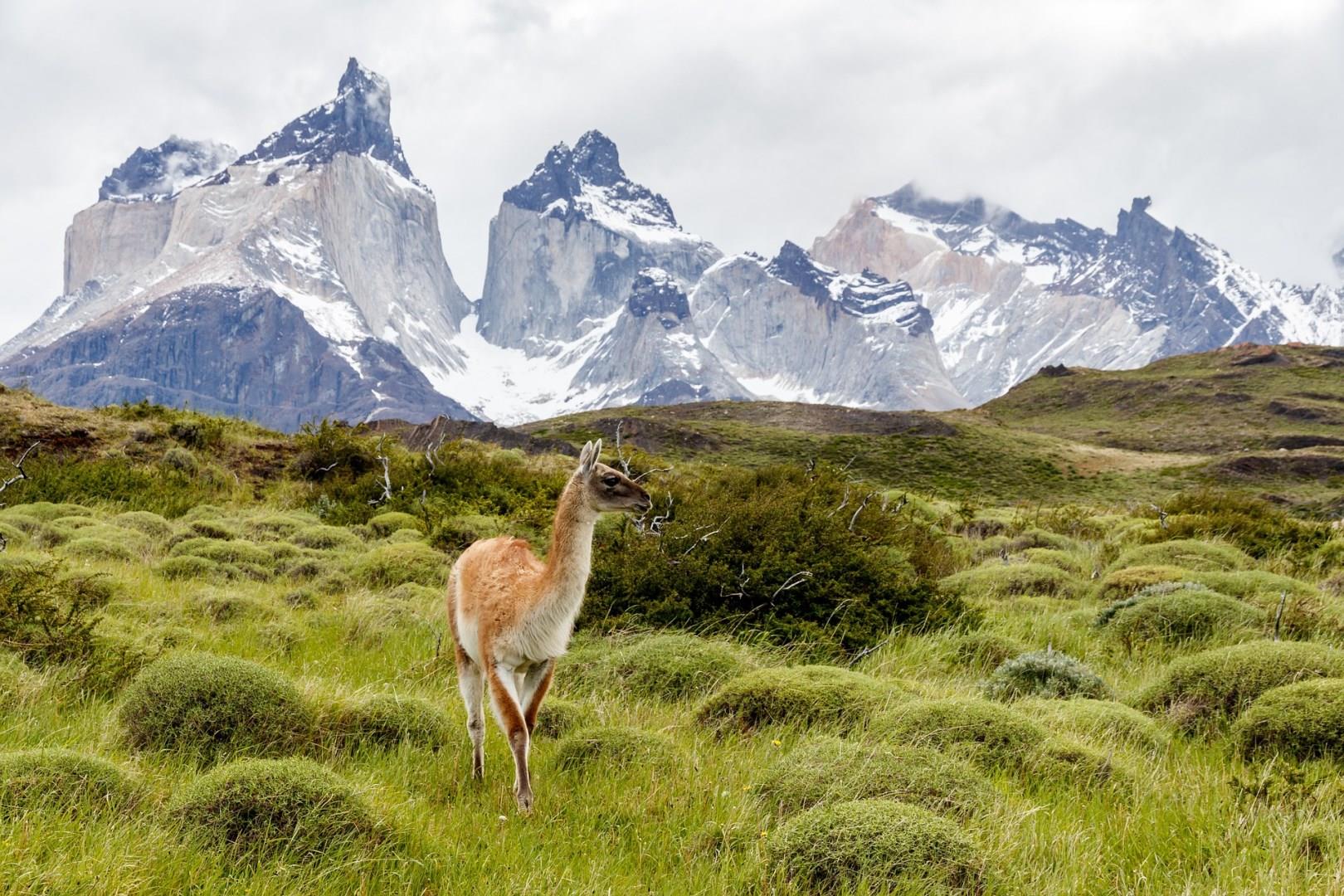
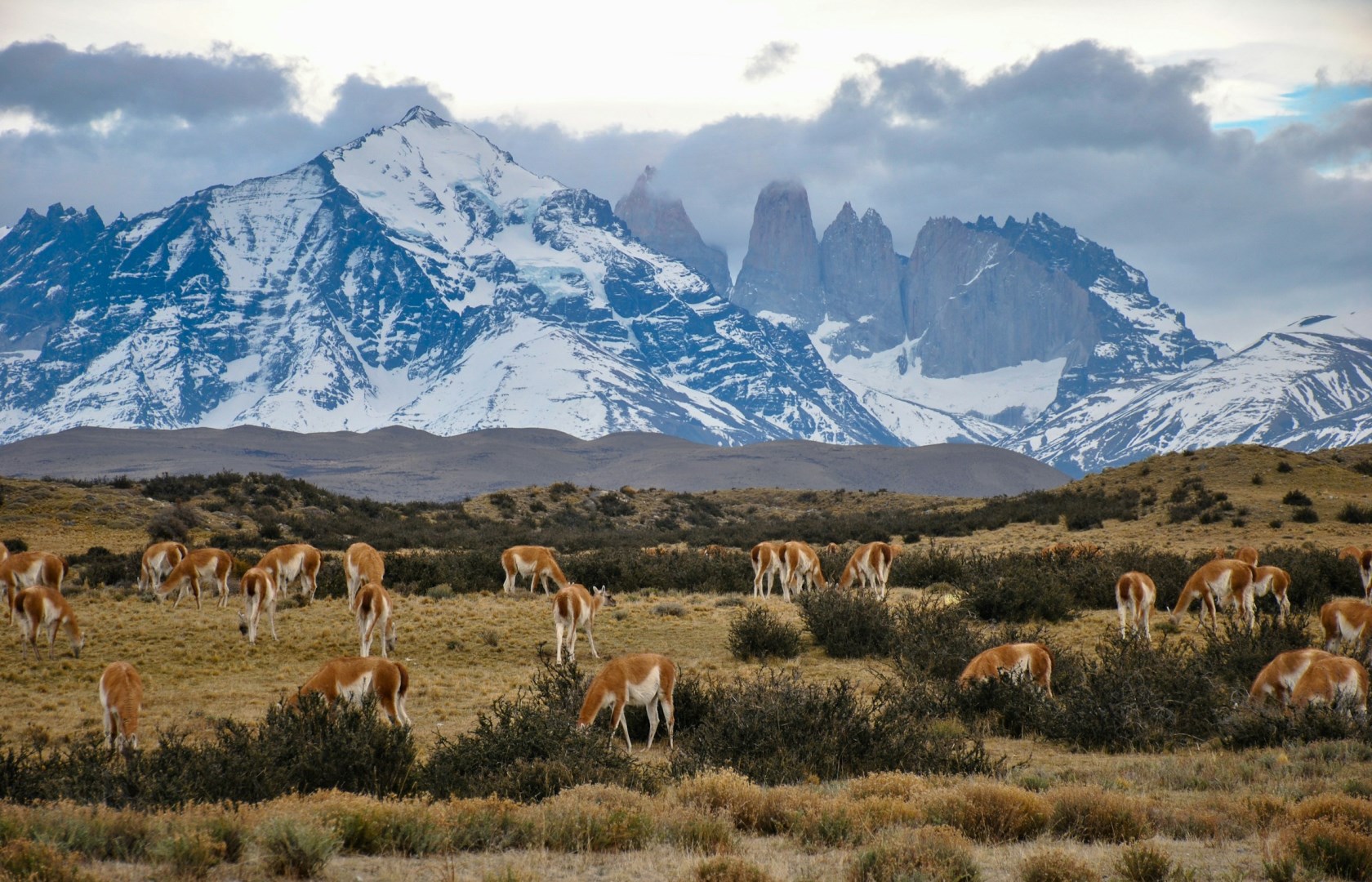
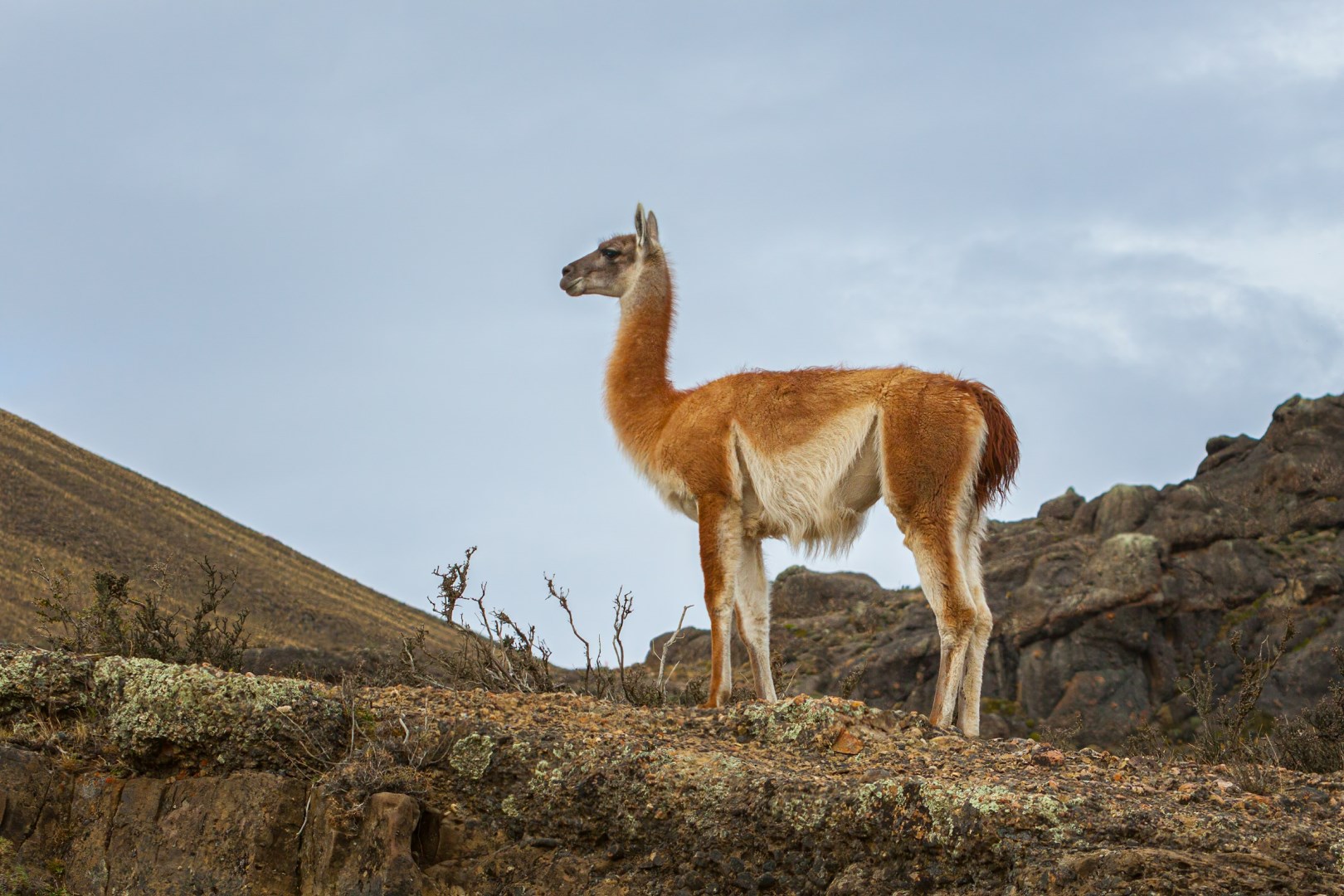
Guanacos
Photo Credit: Photo by Alex Wolowiecki on Unsplash
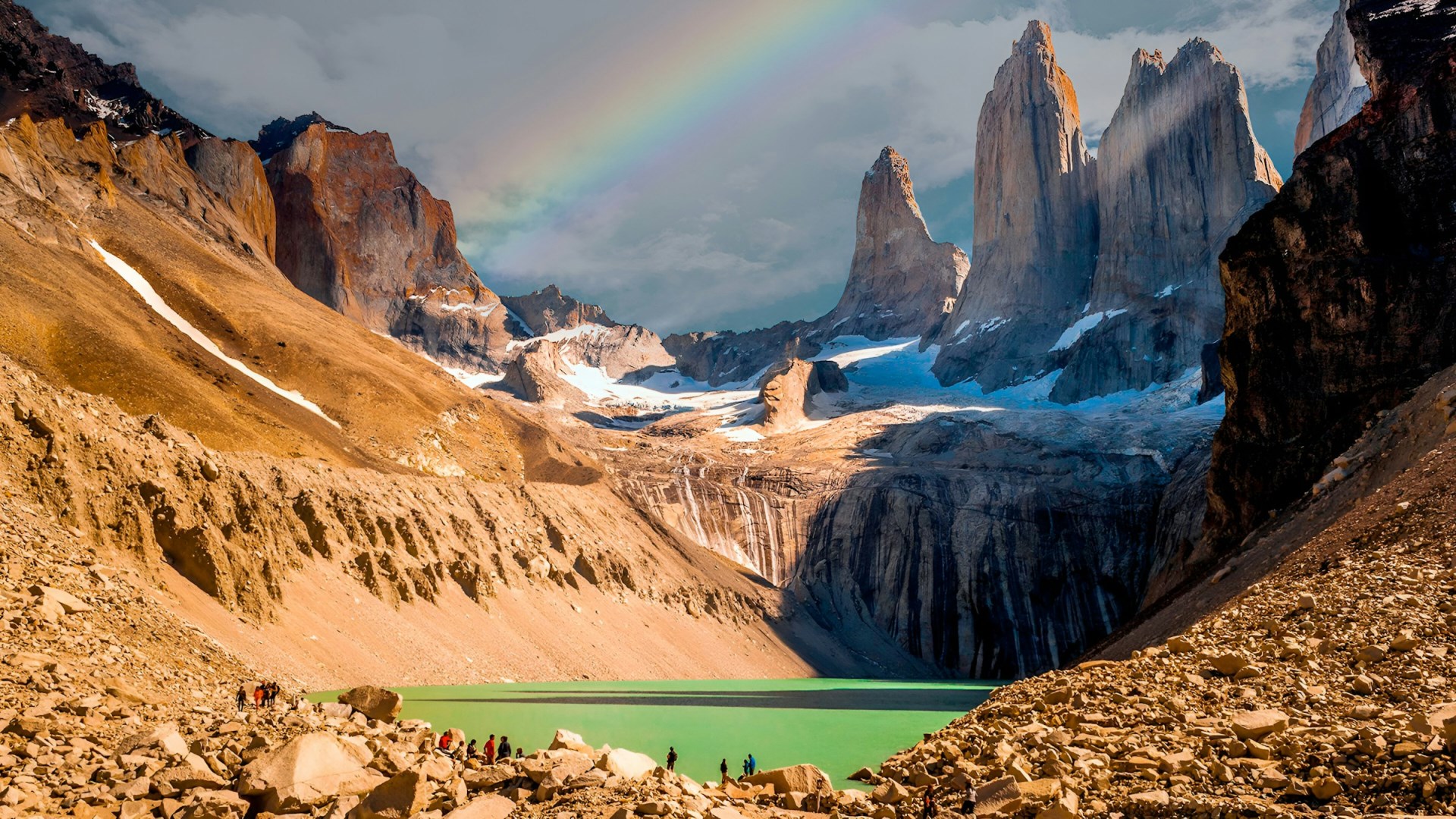
Photo Credit: Photo by Torres del Paine Arcoíris on Unsplash
Photo Credit: Photo by Baptiste Azais on Unsplash
Guanaco
Photo Credit: Photo by Chris Stenger on Unsplash
Photo Credit: Photo by Carter Obasohan on Unsplash
Photo Credit: Photo by Akshay Nanavati on Unsplash
Photo Credit: Photo by Milan Malfait on Unsplash
Photo Credit: Photo by Simone Dinoia on Unsplash
Photo Credit: Photo by Karla Robinson on Unsplash
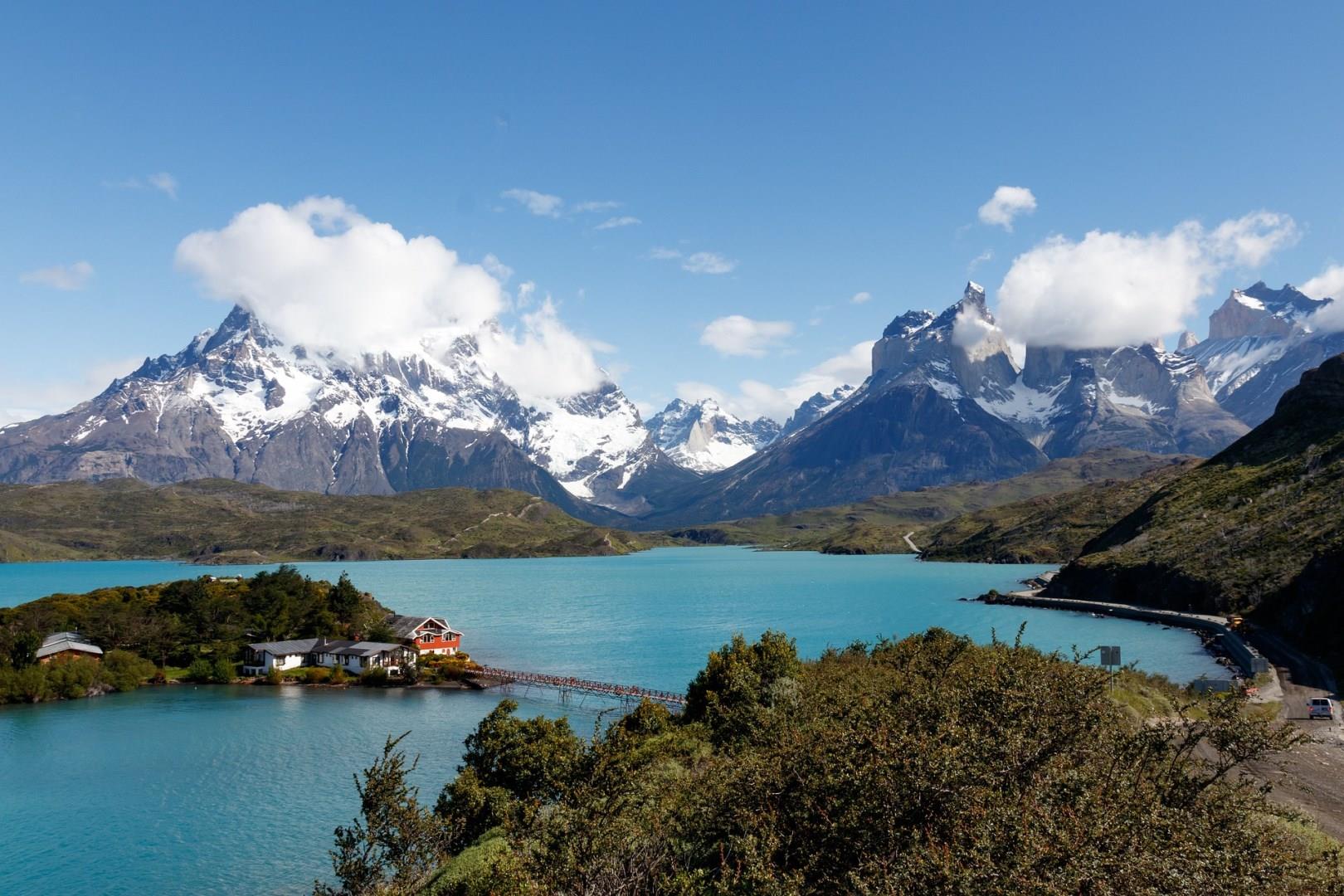
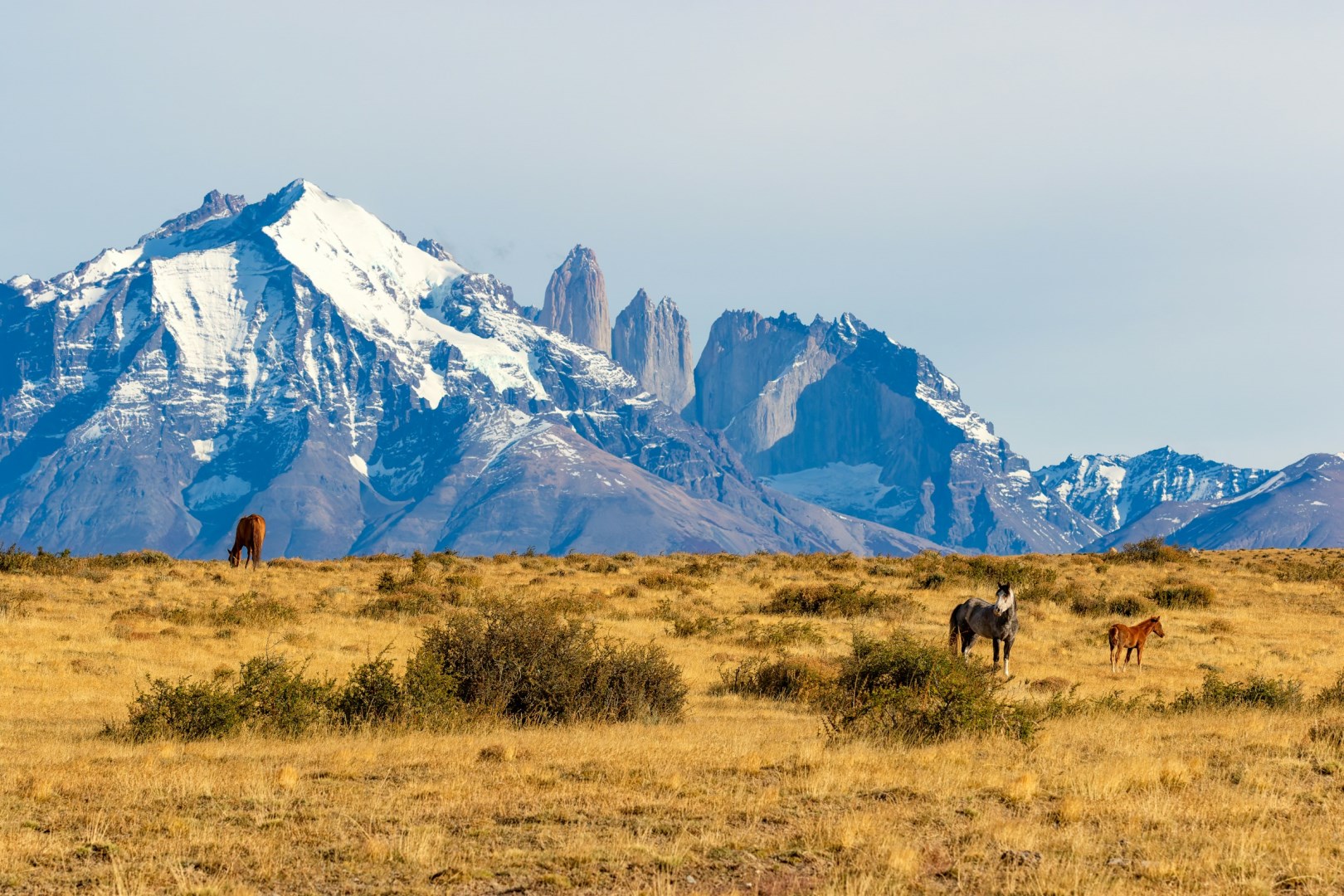
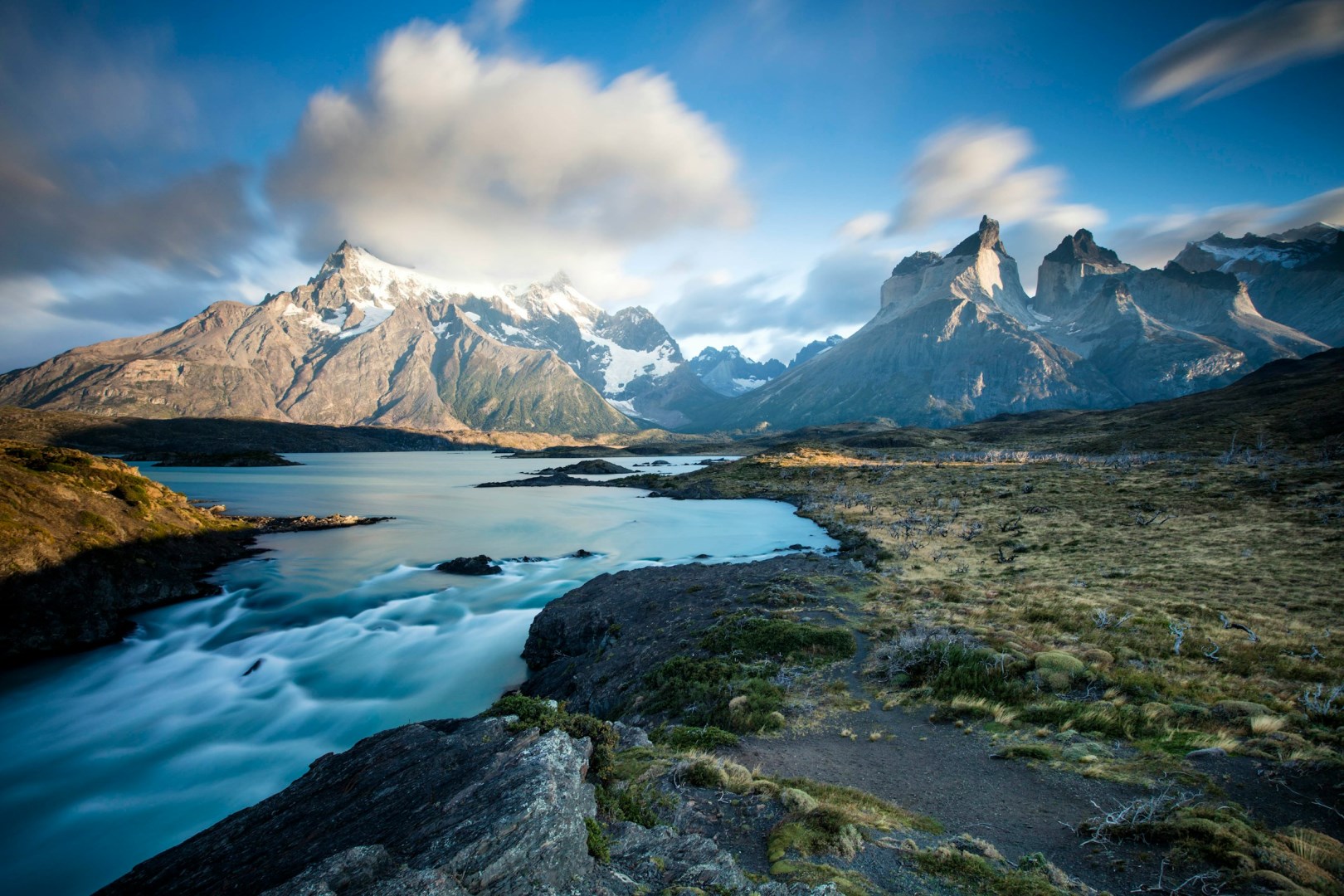
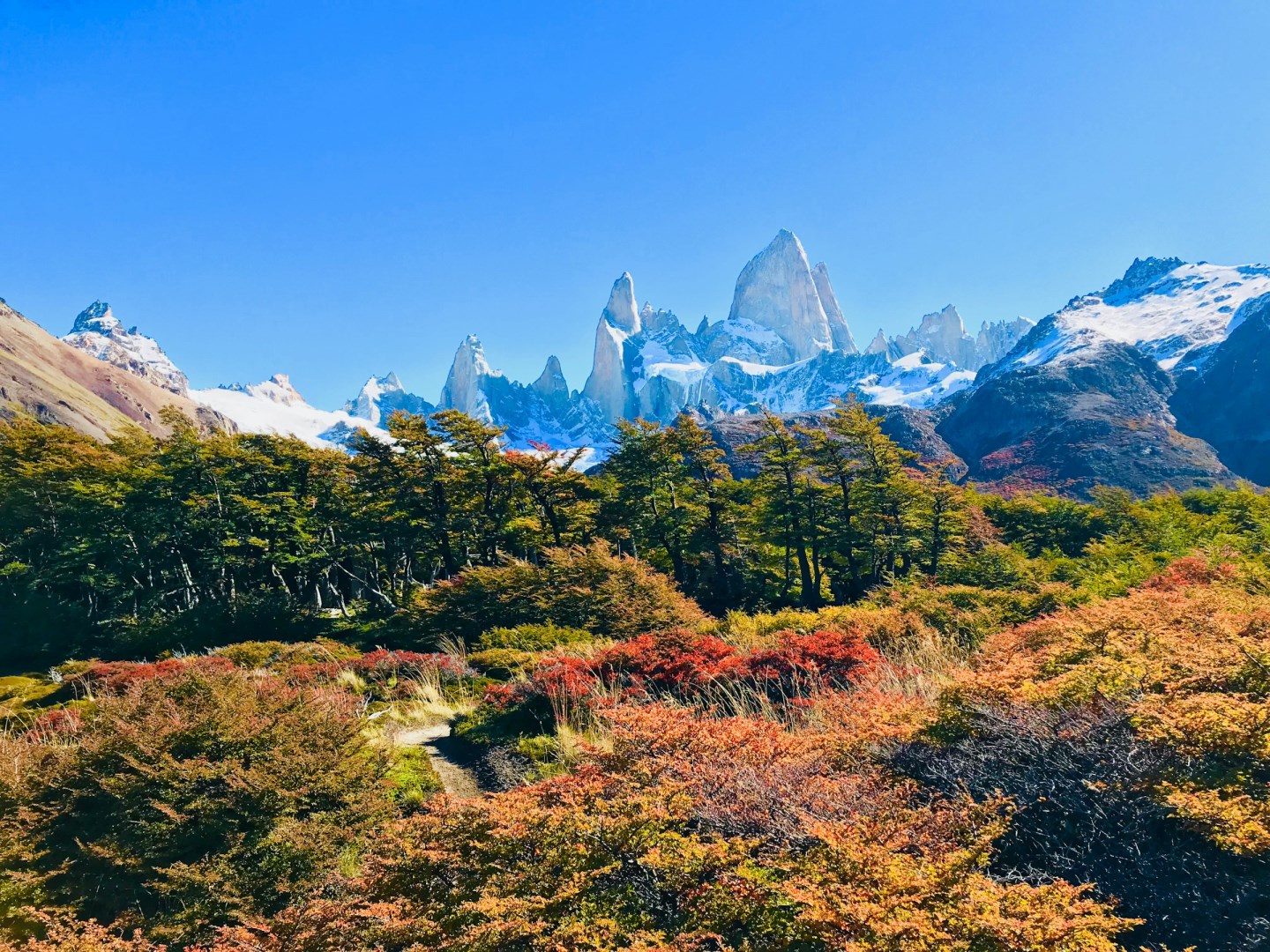
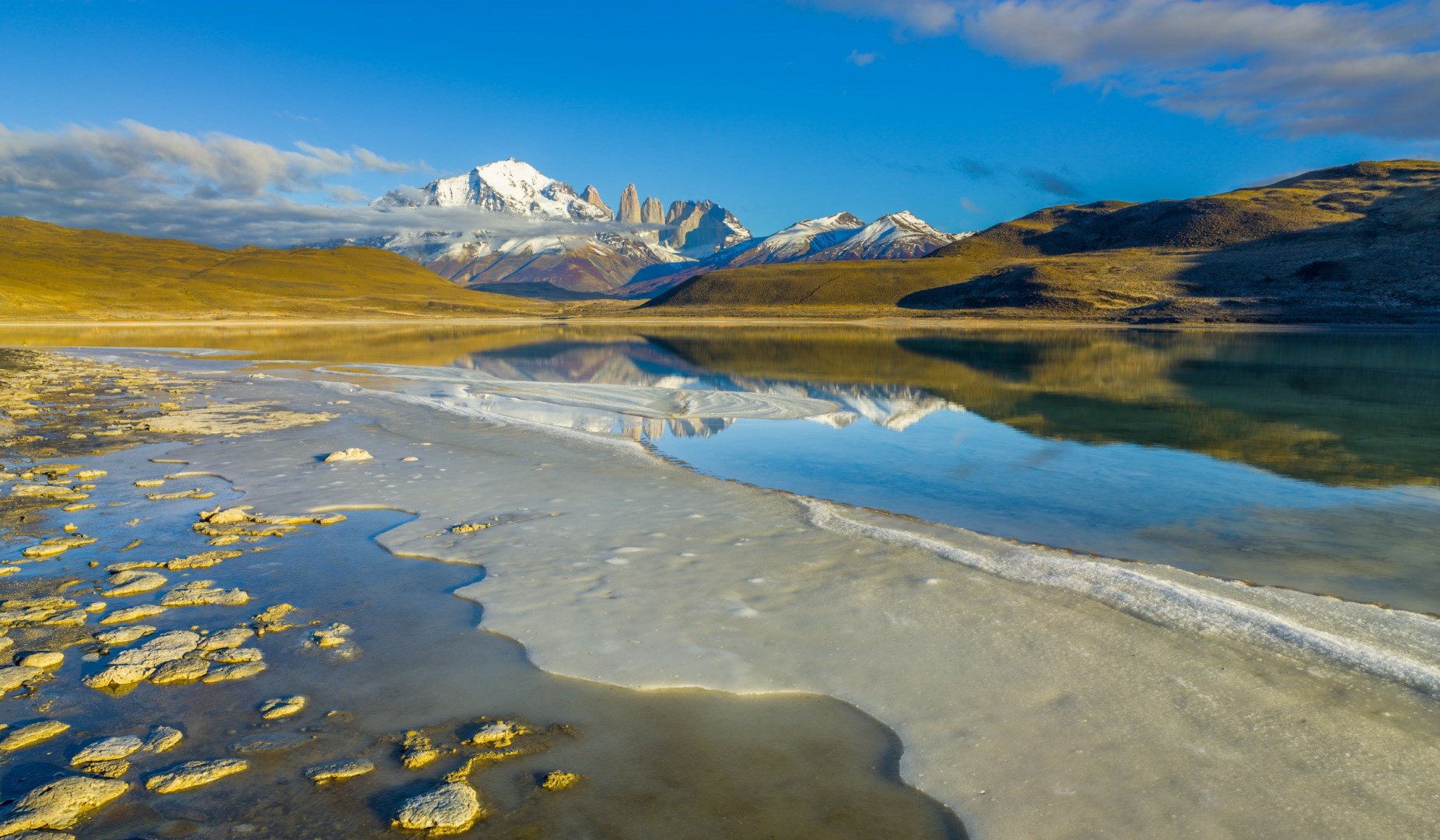
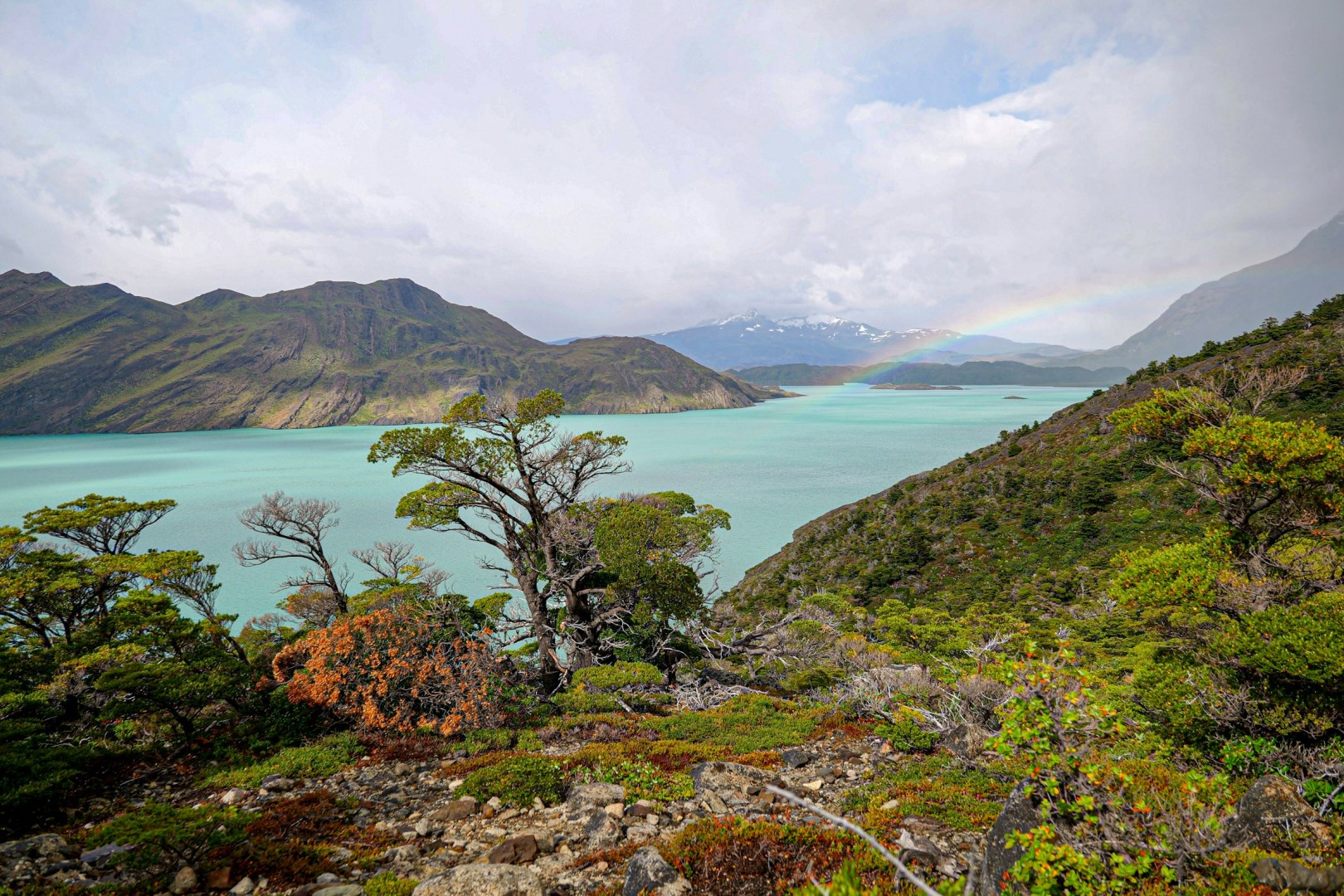
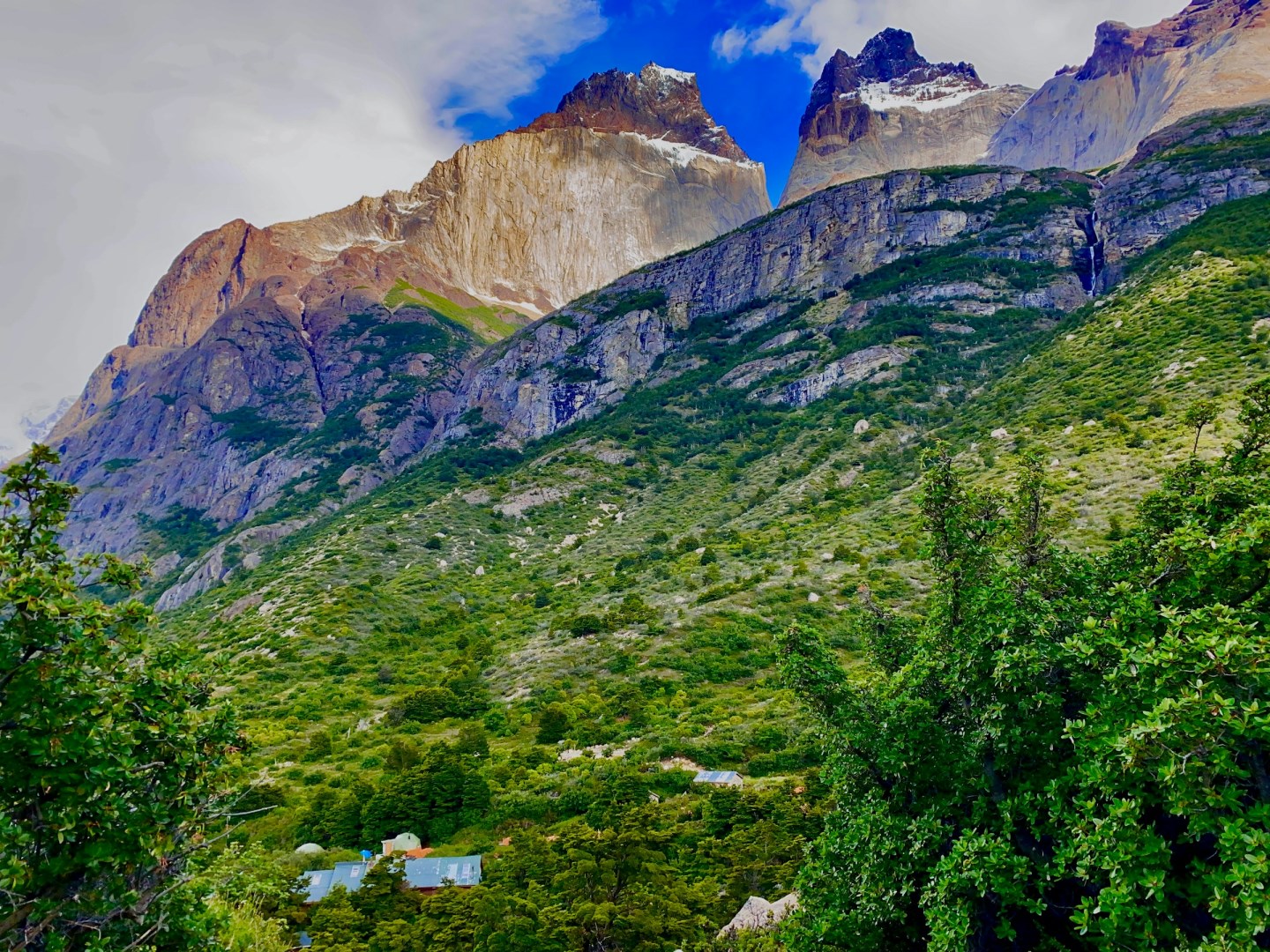
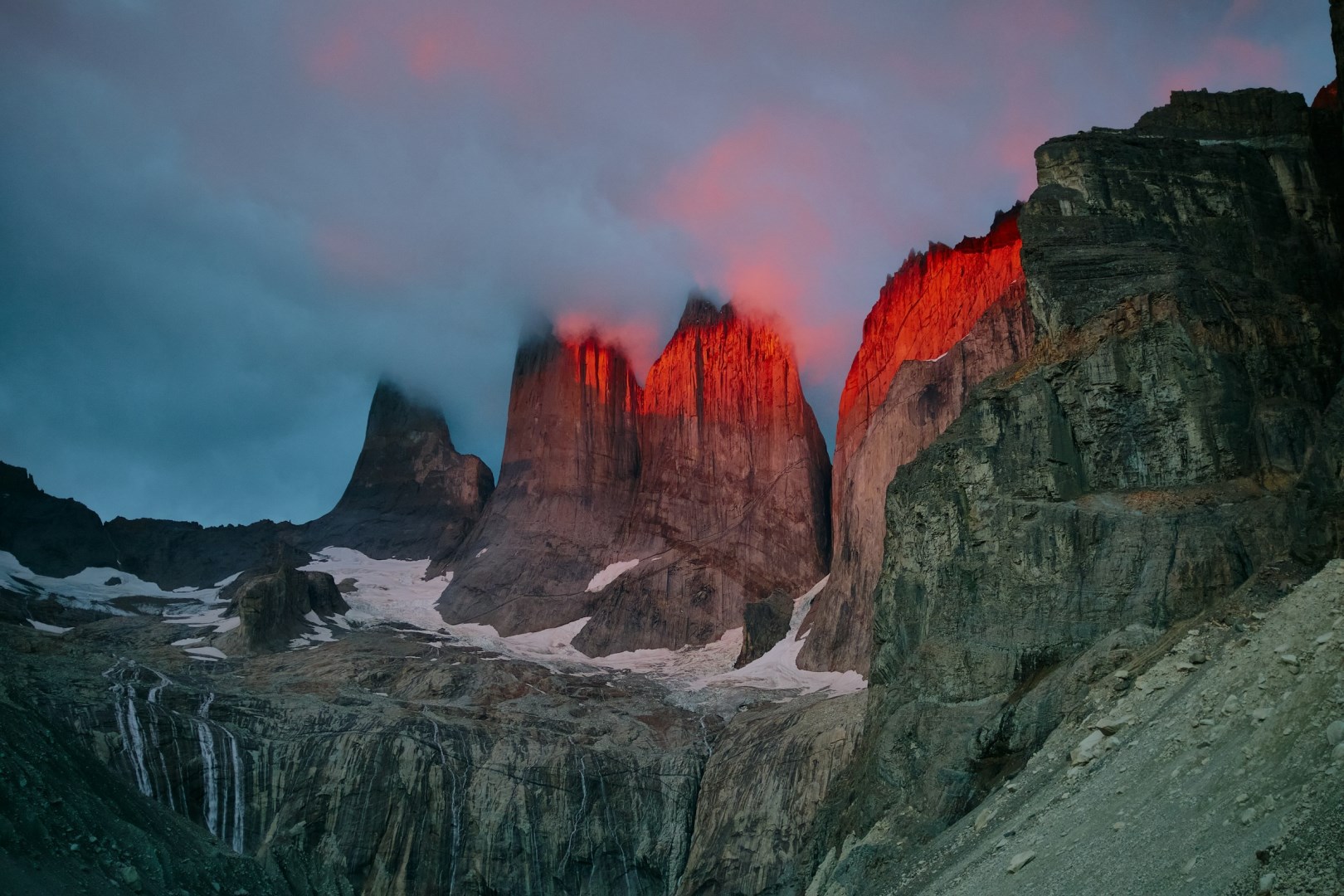
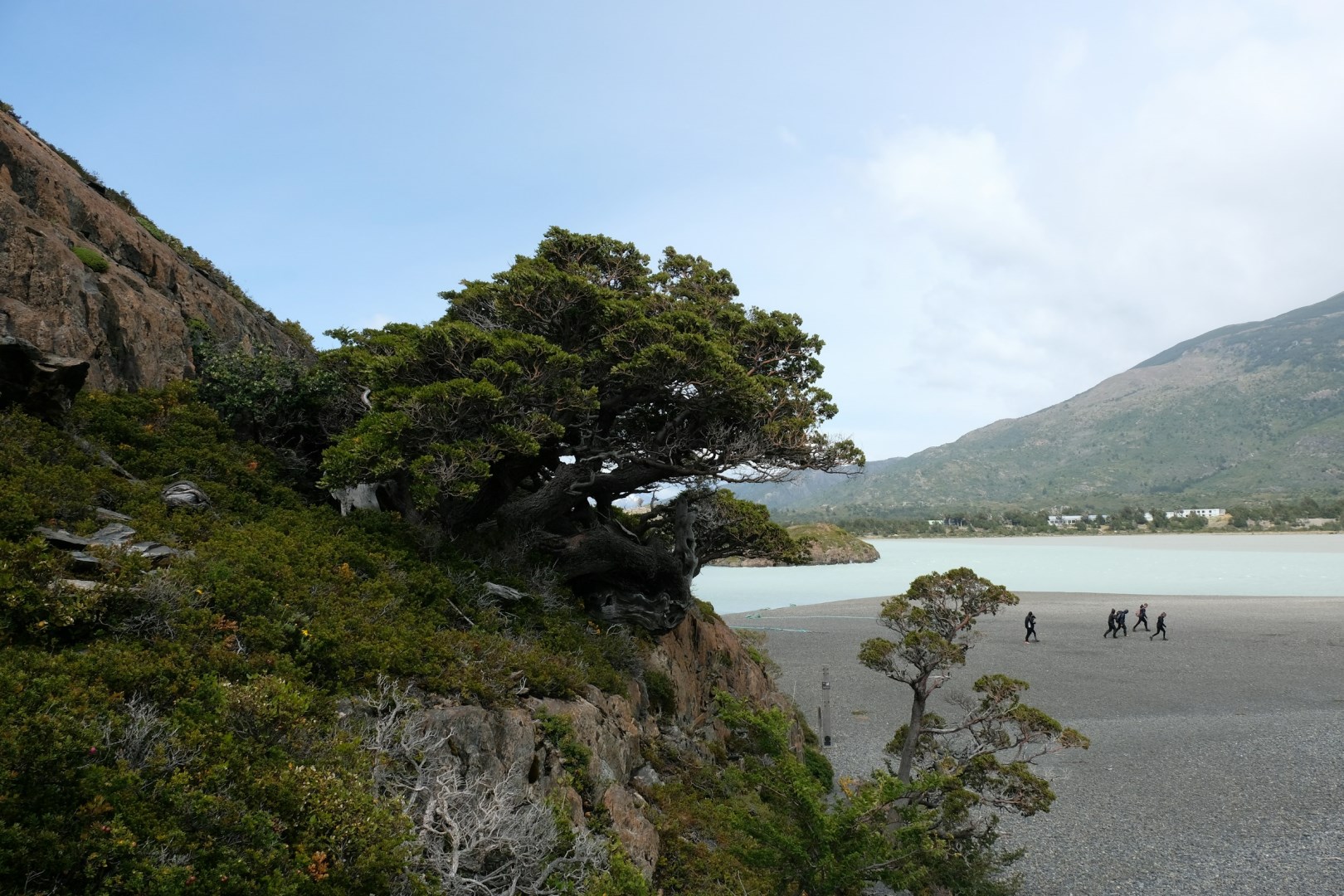
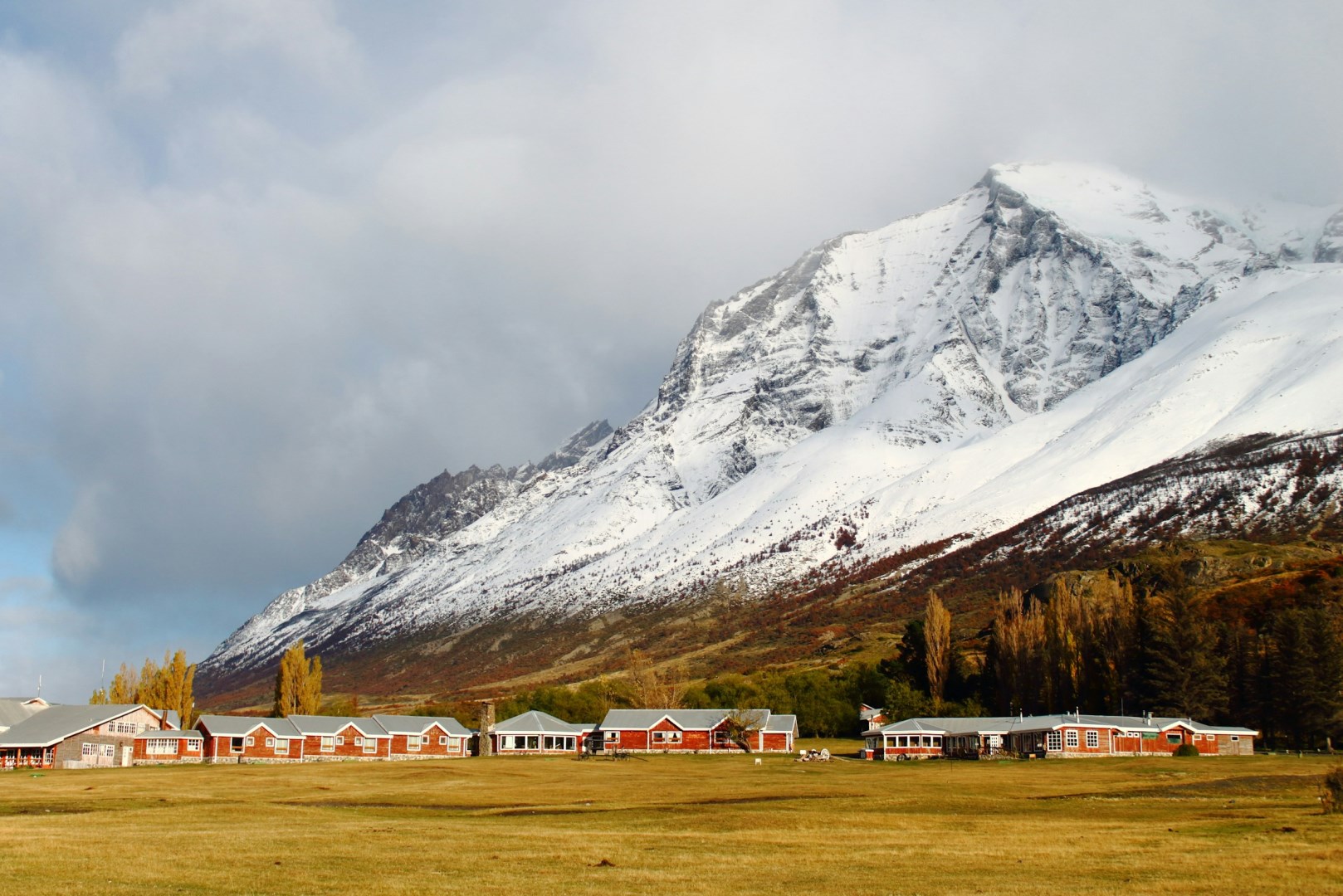
This is a wild and beautiful area unlike anywhere else in the world. Torres del Paine lies between the central spine of the Andes, nearly buried under a massive ice cap and the steppes of Southern Patagonia. The mountains that comprise Paine Massif are not high for the Andes, but they are precipitous. What makes individual mountains so dramatic is that from most places in the park entire peaks can be seen-from base to summit-and they appear to leap into the clouds from the floor of the valley. With its 450,000 acres, Torres del Paine truly is a world-class park because of its completeness, having every feature one could hope for in a temperate zone park. It has, like all truly great parks, that indefinable element in its character to which visitors respond.
Other Popular Destinations in Argentina
Buenos Aires
Buenos Aires, the vibrant political and cultural capital of Argentina, has become an enticing destination for many travelers and a must-see destination in South America. Founded in the sixteenth century by Spanish explorers, Buenos Aires has since developed its own unique flair.
Ushuaia
Are you ready to go to the End of the World? Stunning views of snow-capped mountain peaks await you in Ushuaia, located on the southernmost tip of South America. This small coastal town sits between the Martial Mountains and the Beagle Channel and is a popular embarkation point for Antarctic cruises. Visit some of Ushuaia's popular attractions, including Les Éclaireurs Lighthouse, Tierra del Fuego National Park, Lapataia Bay, and the Museo del Fin del Mundo.