Incheon
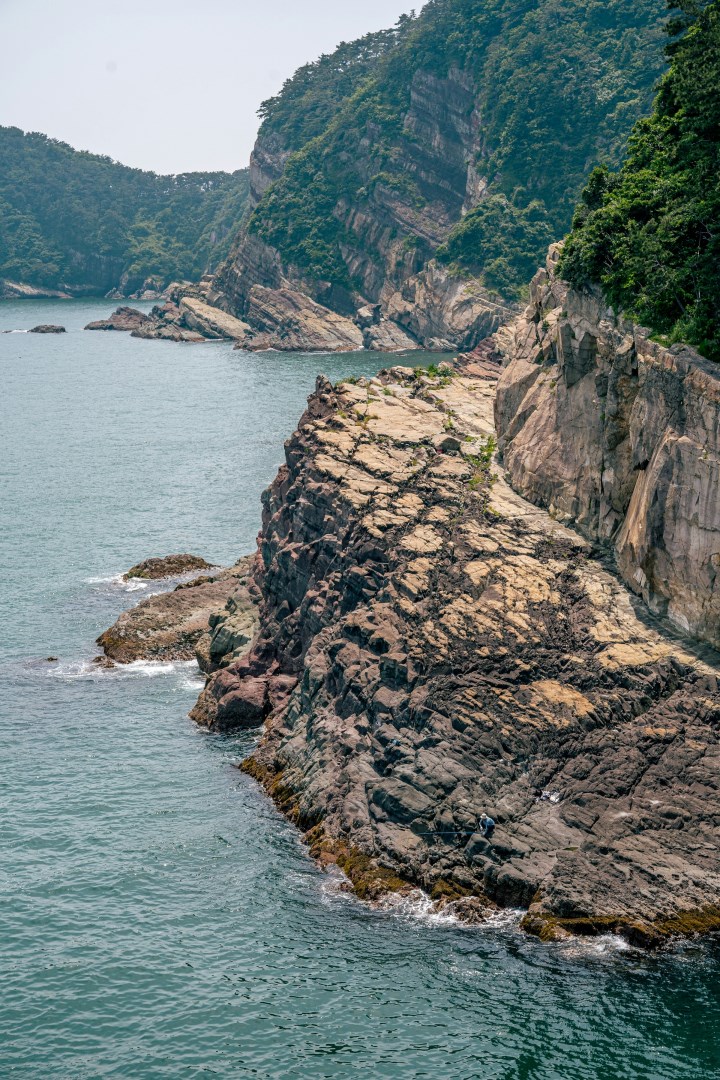
Located on the Yellow Sea in northwest South Korea, it is a large port city.
Bayonne
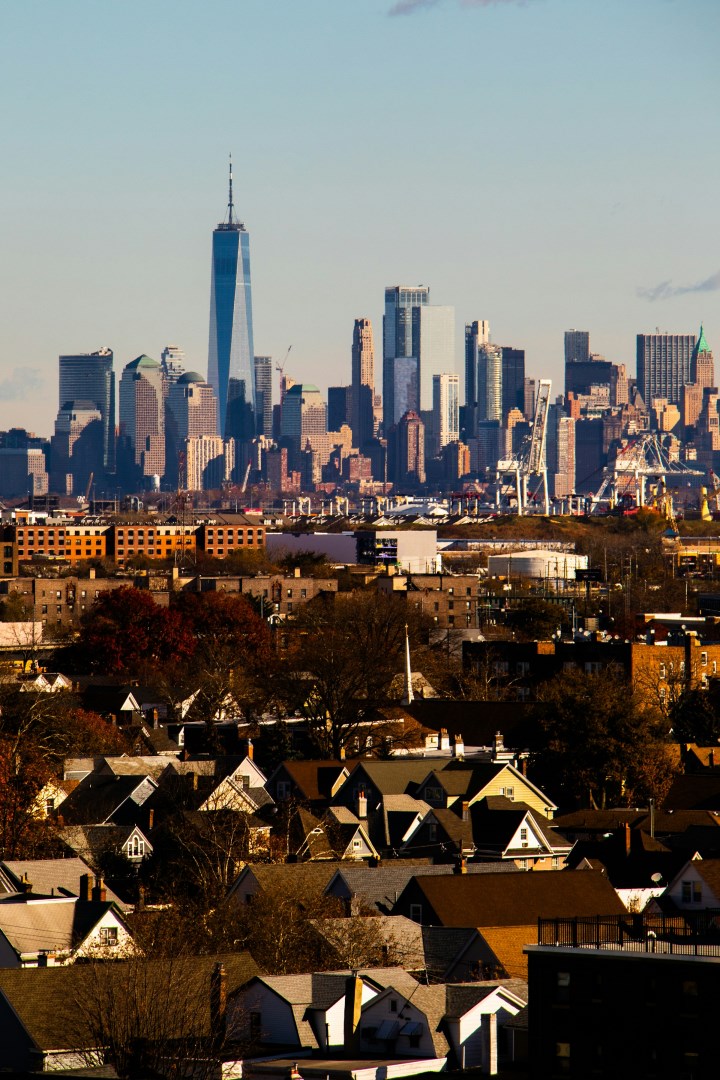
Bayonne is a waterfront city in Hudson County, New Jersey, occupying a peninsula between Newark Bay, New York Bay, and the Kill Van Kull. Its location gives the city a strong maritime identity, while its compact residential streets and commercial corridors retain elements of a traditional urban community. Broadway forms the main commercial spine, with shops, restaurants, and neighborhood businesses stretching through the city. The Bayonne Bridge is one of its most recognizable landmarks, spannin
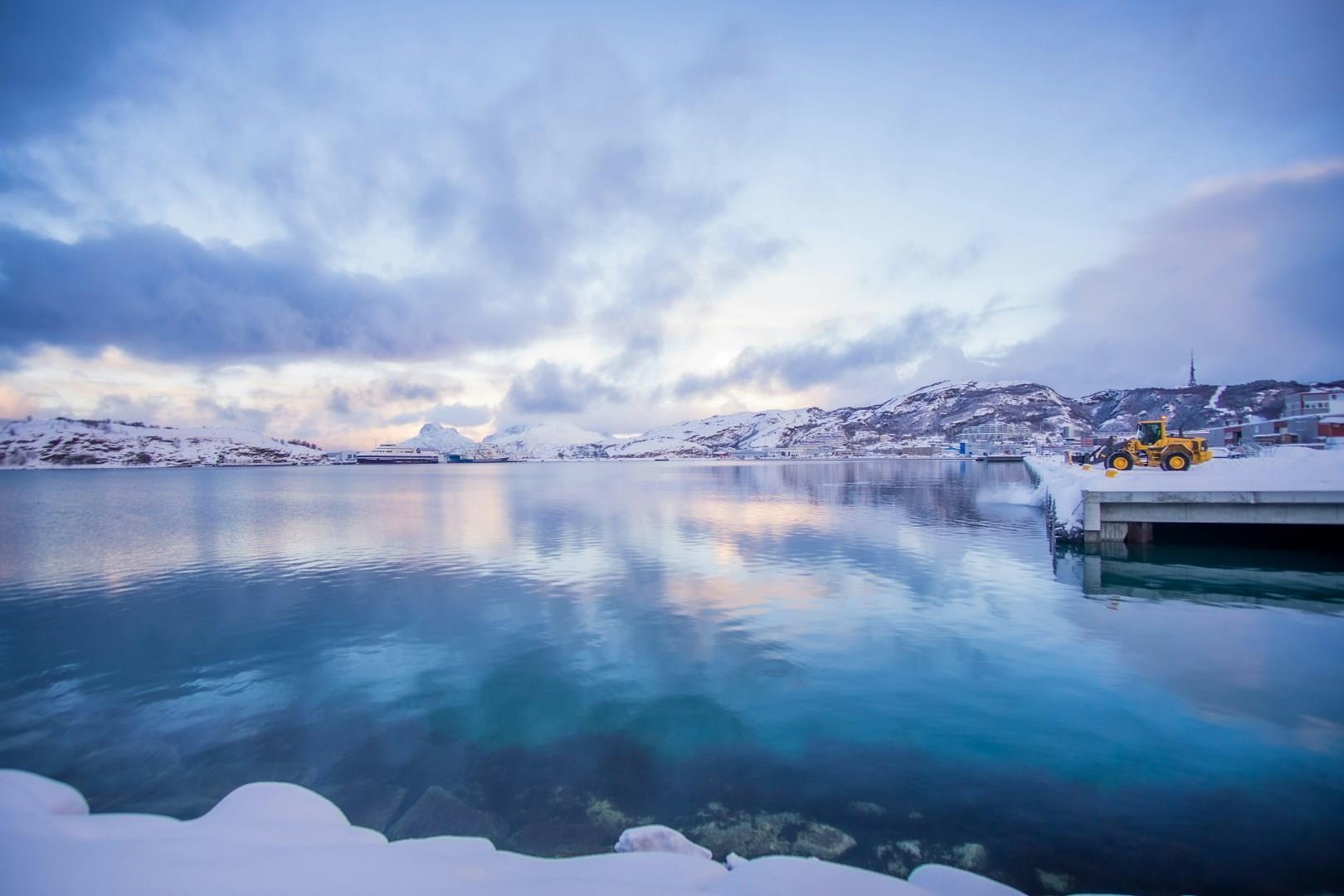
Bodø
Bodø, located just north of the Arctic Circle, is a coastal city where dramatic landscapes meet a surprising blend of modern culture and outdoor access. As the largest town in the Nordland region of Norway, Bodø has become a key stop along the Norwegian Scenic Route and a gateway to the Lofoten Islands. Located just a short drive away, the Saltstraumen maelstrom, which is one of the world’s strongest tidal currents, visitors can watch whirlpools form in the sea with astonishing power.

Sa Dec
A lesser-known river port in the Mekong Delta, Sa Dec was once the capital of Dong Thap province of southern Vietnam. Today, it is best known for its flower gardens and authentic bustling market. The city is also famous as the setting for French writer Marguerite Duras' 1984 novel, The Lover, and its 1991 film adaptation of the same name.

Šibenik
Sibenik, located on Croatia's stunning Adriatic coast, is a hidden gem that blends rich history with a vibrant atmosphere. The town's cobblestone streets and captivating architecture, including the famous Cathedral of St. James, offer a glimpse into its storied past. Visitors can explore the medieval St. Michael's Fortress, which provides panoramic views of the city and sea.