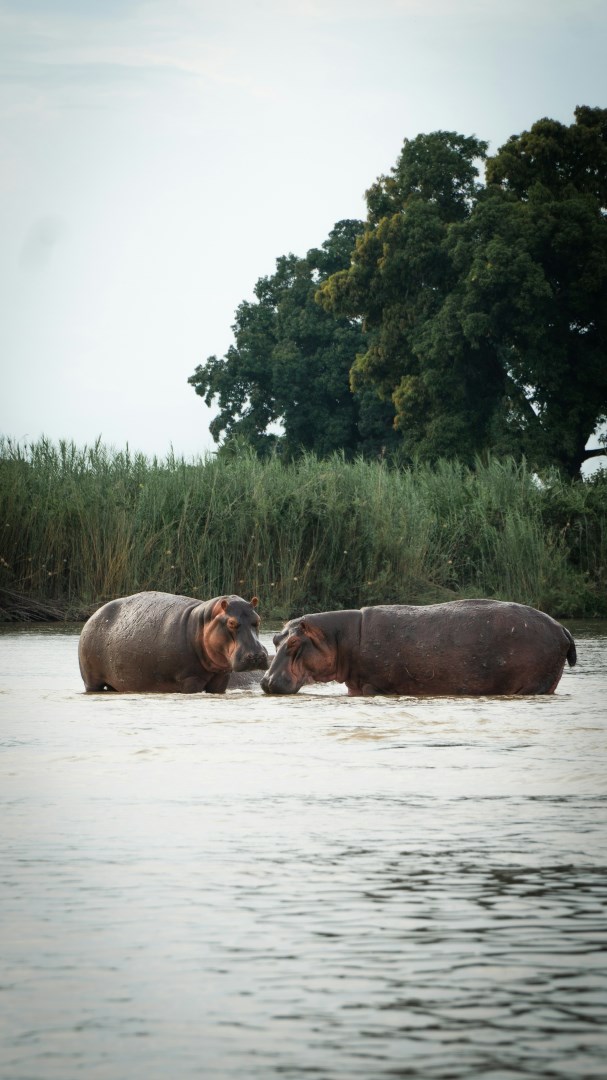
Located in the south of Tanzania, the Selous Game Reserve is one of the largest. Thanks to the undisturbed wilderness and diverse wildlife, it was named a UNESCO World Heritage site in 1982.
Dominica, known as the “Nature Island of the Caribbean,” is a haven for eco-tourists and adventure seekers. Nestled between the French islands of Guadeloupe and Martinique, this lush island boasts a remarkable landscape of volcanic mountains, dense rainforests, and stunning waterfalls. Dominica’s most iconic natural wonder is the Boiling Lake, the second-largest hot spring in the world.
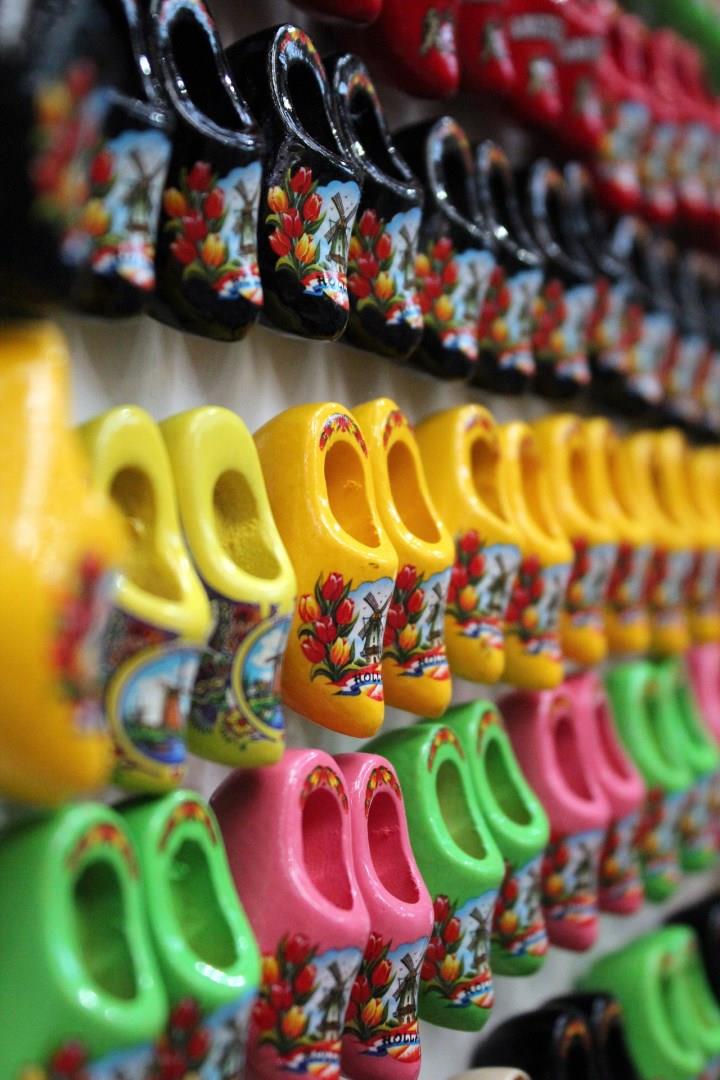
The Netherlands offers travelers a landscape where innovation and tradition intersect. In cities like Amsterdam, visitors can explore centuries-old canal networks and Golden Age architecture while also encountering contemporary art installations and sustainable urban design. The Rijksmuseum houses masterpieces by Rembrandt and Vermeer, while a short walk away, the Van Gogh Museum brings visitors closer to one of history’s most studied painters.
Nestled under the imposing view of volcanic Mount Liamuiga, charming Basseterre is the best place to begin your next Caribbean adventure to St. Kitts. From the island’s untouched natural beauty, best seen by boarding the famous St. Kitts Scenic Railway, to the glittering beaches of Frigate Bay, perfect for snorkeling and jet skiing, there are plenty of excursions guaranteed to thrill you in Basseterre. Be sure to stop by the city center to visit Independence Square or venture thirty minutes outs
Makarska, nestled along the stunning Dalmatian Coast of Croatia, is a gem that blends natural beauty with vibrant culture. The town is renowned for its picturesque setting between the Biokovo Mountain range and the azure waters of the Adriatic Sea. The Makarska Riviera boasts some of Croatia's most beautiful beaches, such as Punta Rata, known for its fine pebbles and crystal-clear water.
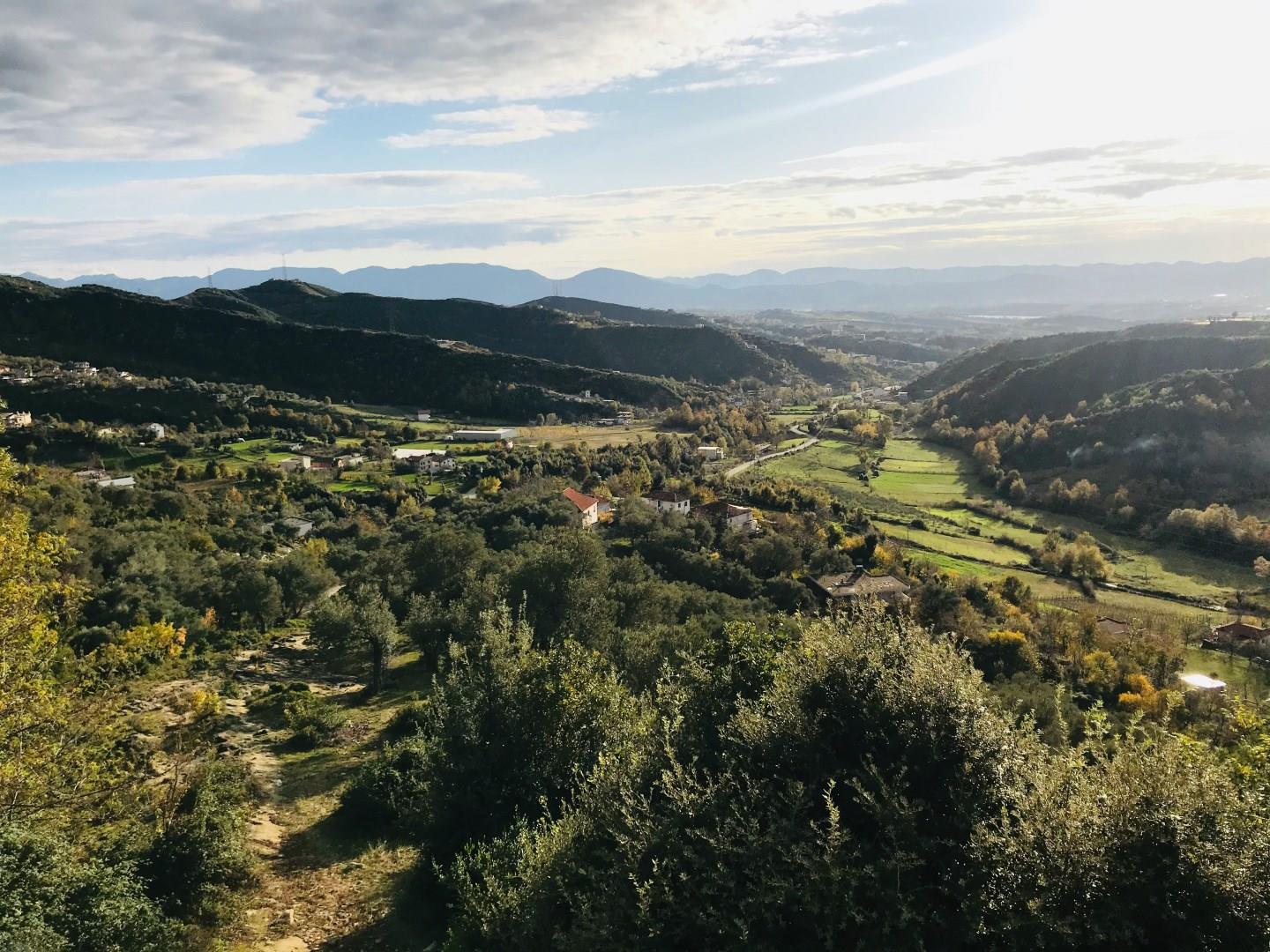
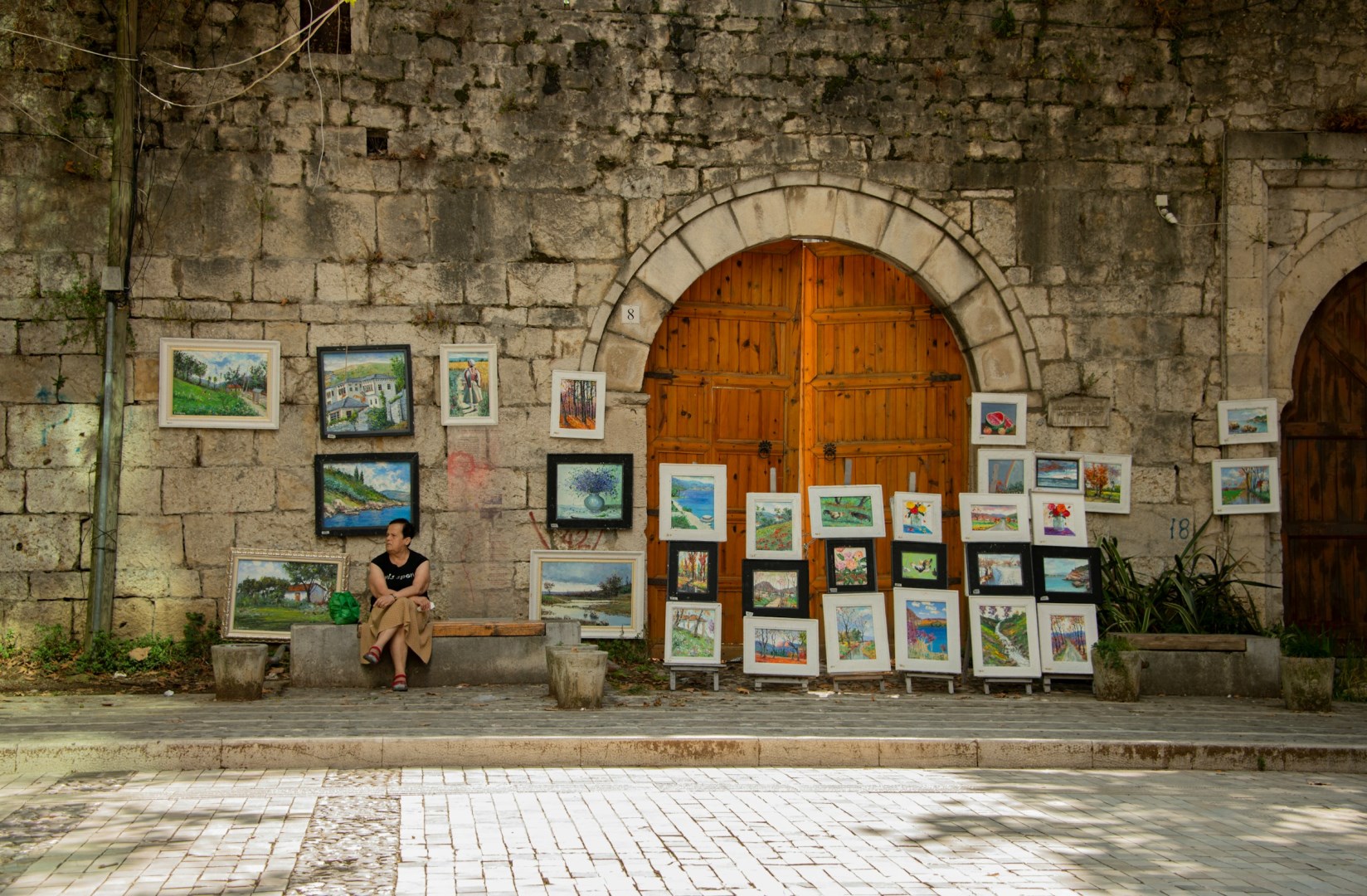
Photo Credit: Photo by Adventure Albania on Unsplash
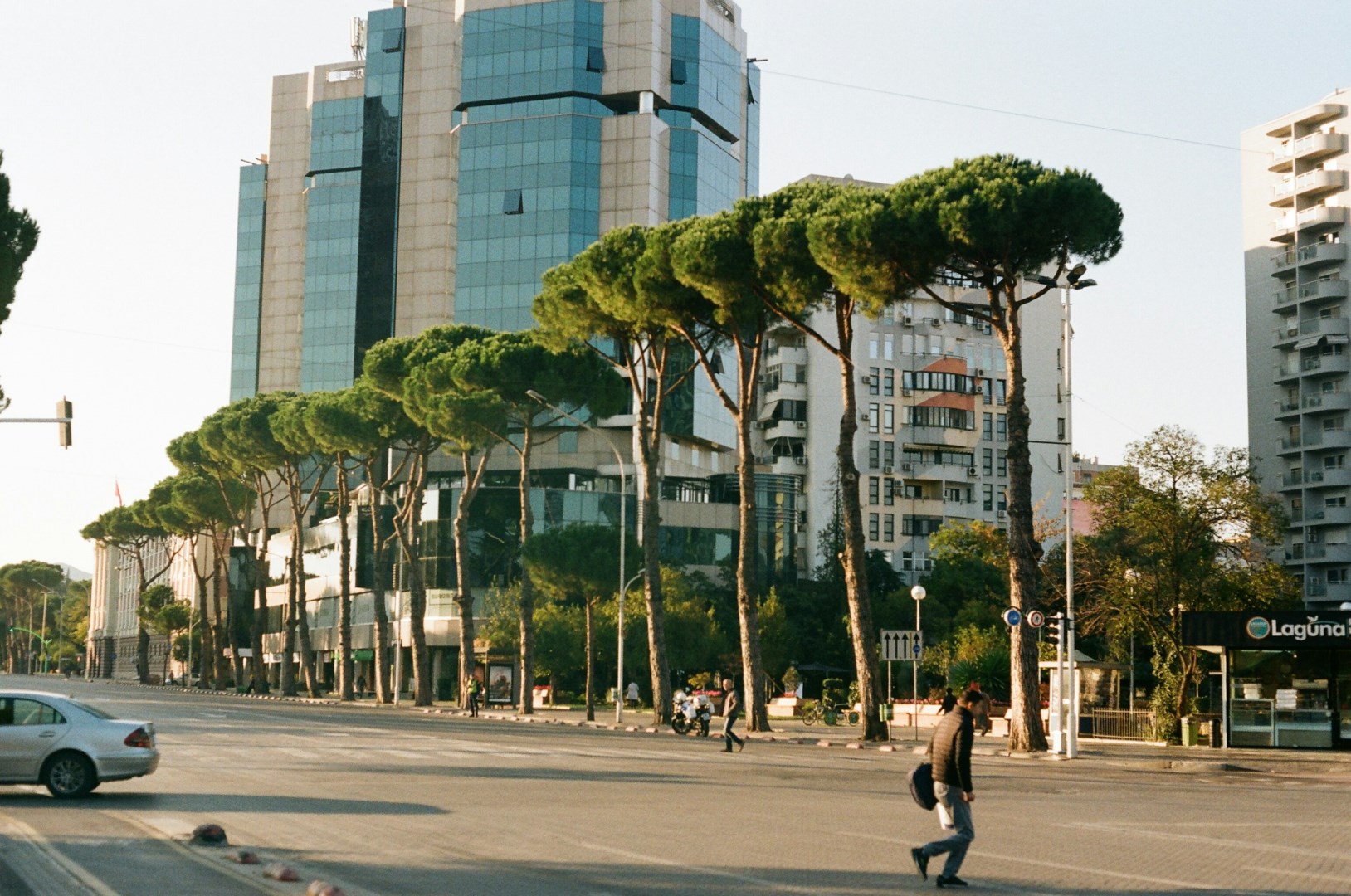
Photo Credit: Photo by Linda Gerbec on Unsplash
Photo Credit: Photo by Michael Silkesjöö on Unsplash
Photo Credit: Photo by Daniel Silva on Unsplash
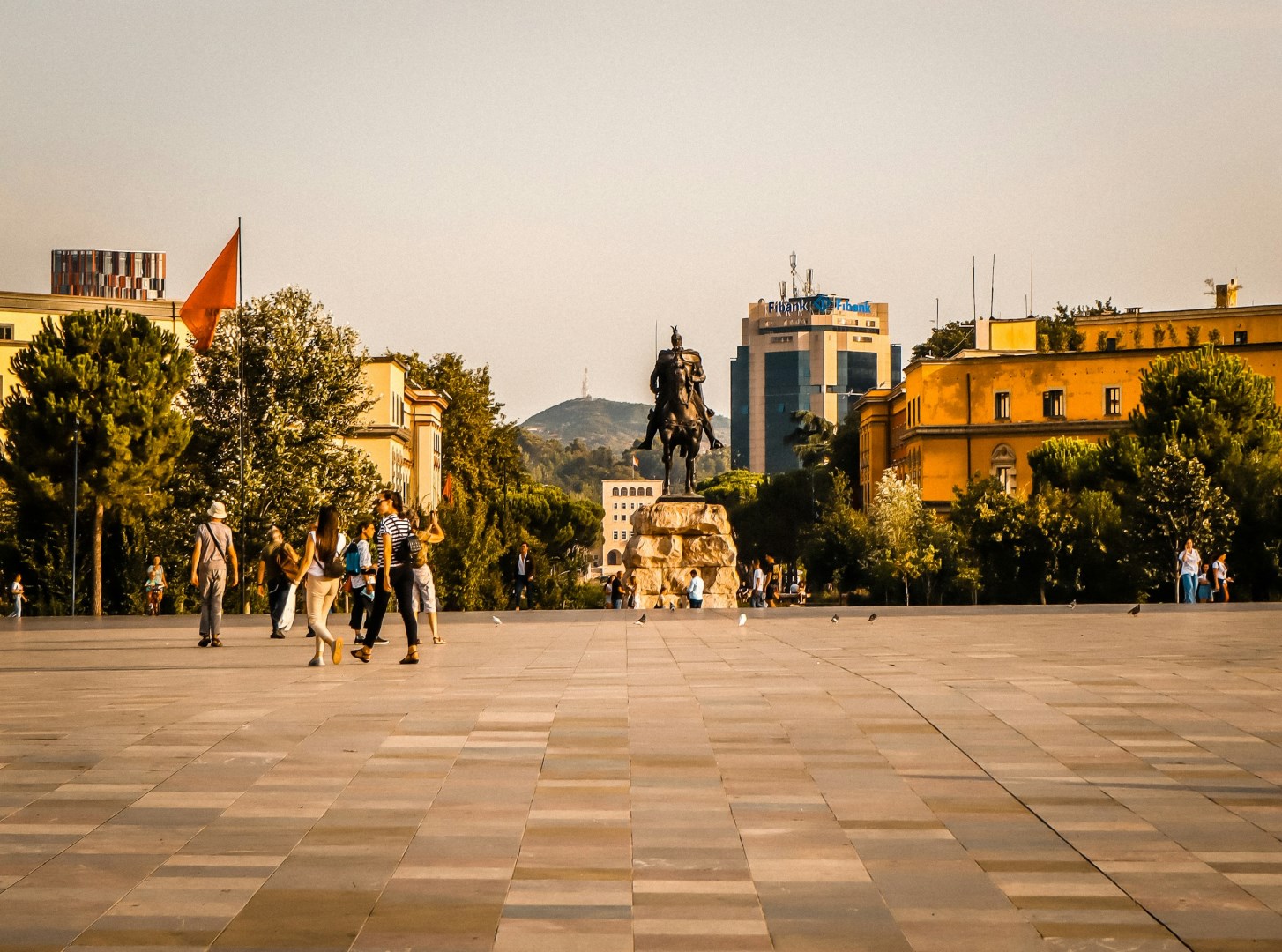
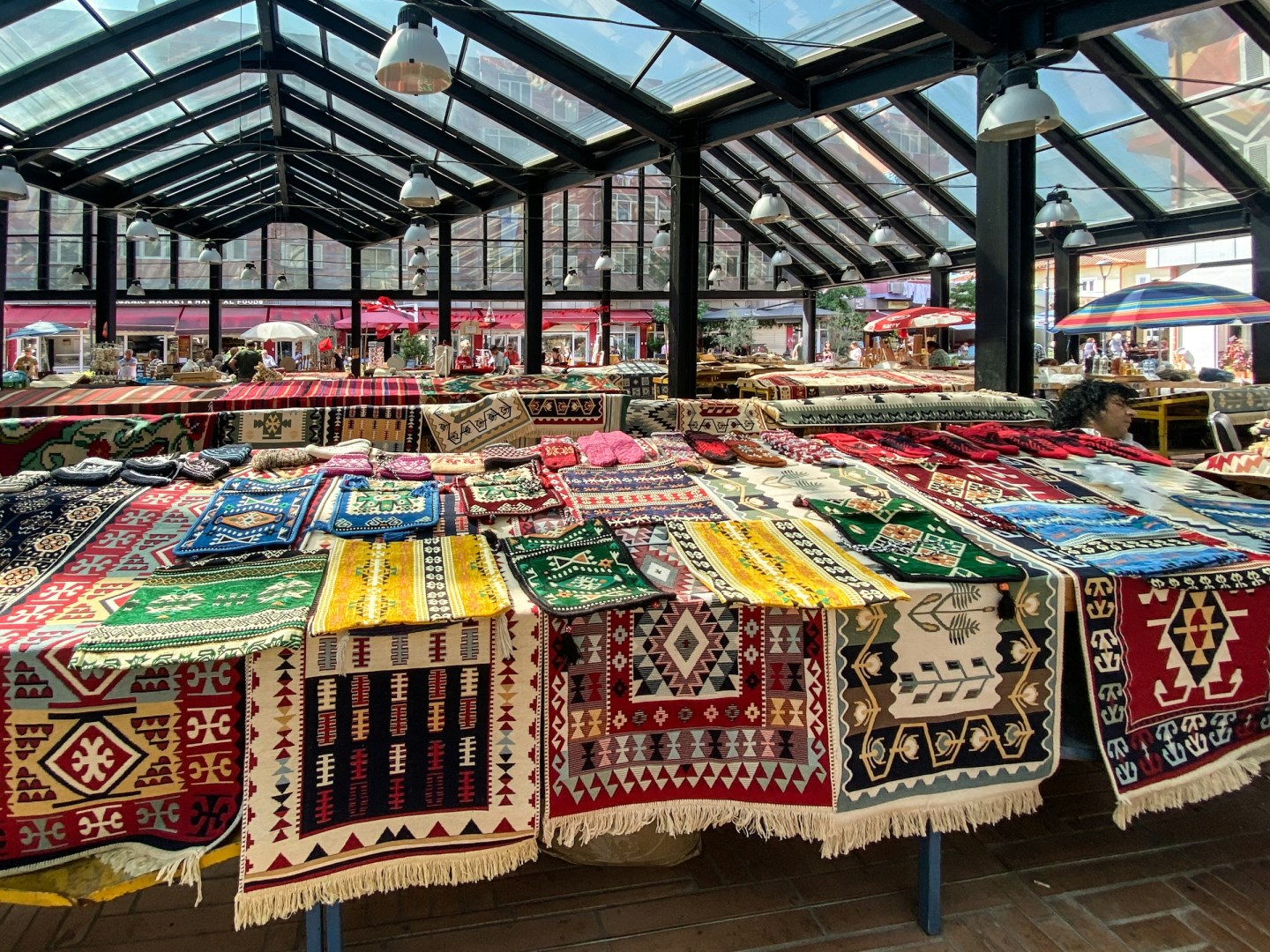
Tirana, the lively capital of Albania, is a city that blends historical charm with modern vibrancy. At the heart of its transformation is Skanderbeg Square, a bustling hub named after the national hero Gjergj Kastrioti Skanderbeg. The square is surrounded by architectural gems like the National History Museum, whose mosaic facade depicts Albania's rich past, and the Et'hem Bey Mosque, a beautifully preserved Ottoman-era structure. For a deeper dive into local culture, visit the nearby Grand Park of Tirana, a green oasis perfect for a leisurely stroll or a boat ride on its artificial lake.
Tirana's colorful, eclectic architecture is a testament to its dynamic history and contemporary spirit. The cityscape features a striking blend of communist-era buildings and modern constructions, including the innovative Pyramid of Tirana, originally built as a museum dedicated to the former dictator Enver Hoxha and now reimagined as a cultural space. Vibrant murals and street art adorn many buildings, reflecting the city’s artistic pulse and youthful energy. The ongoing urban renewal projects are reshaping Tirana into a hub of creativity and modernity.
For those interested in culinary adventures, Tirana offers a feast of traditional Albanian cuisine. Enjoy local dishes such as byrek (savory pastries filled with cheese or meat), or sample fresh seafood from the Mediterranean. The Blloku neighborhood, once an exclusive area for the communist elite, is now a trendy district filled with cafes, restaurants, and bars that provide a lively nightlife scene. Stroll through the colorful streets and experience the city’s warm hospitality and rich flavors.
Fun fact: Tirana’s transformation into a colorful city was inspired by the vision of former mayor Edi Rama, who was also an artist. His efforts to brighten up the city with vibrant colors and innovative urban design have significantly contributed to Tirana's unique and welcoming atmosphere.