Poland offers a layered and often surprising experience shaped by centuries of resilience and creativity. From the cobbled lanes of Kraków’s Old Town to the post-industrial art scenes in Łódź, the country moves comfortably between tradition and reinvention.
Marbella, located between the Mediterranean Sea and the Sierra Blanca mountains, is often associated with its luxury resorts and famous marina, Puerto Banús. But beyond the polished storefronts and designer yachts, the city has a layered past. Its old town, known as Casco Antiguo, is a well-preserved network of narrow streets built during Moorish rule, with whitewashed buildings, flower-filled balconies, and hidden plazas like Plaza de los Naranjos, which dates back to the 15th century.
The Caribbean is a region of vibrant cultures, sunlit shores, and a rich blend of traditions shaped by centuries of history. Scattered across turquoise waters, its islands each offer a unique personality, some bustling with colorful markets and lively music, others known for tranquil beaches and unspoiled nature.
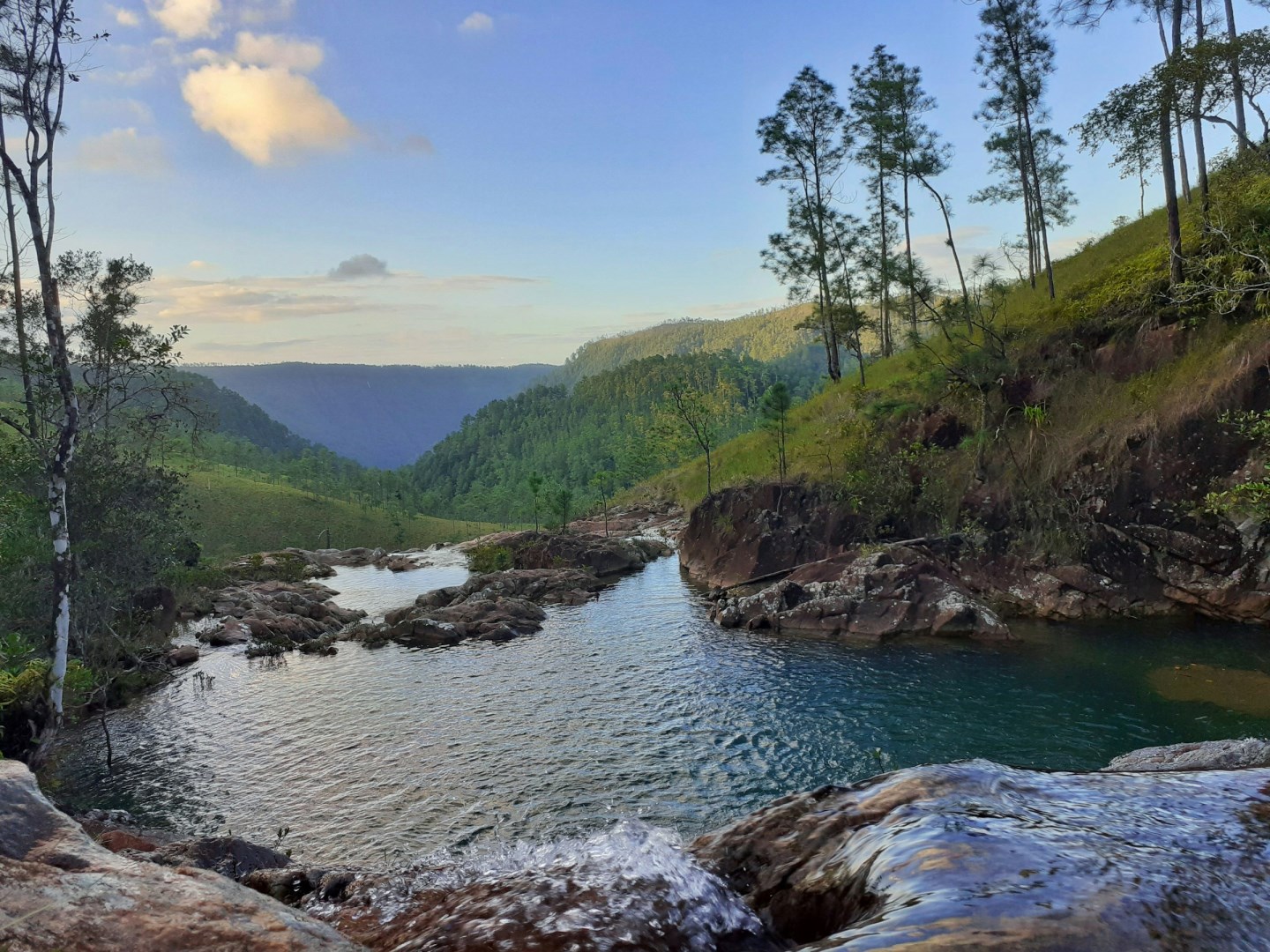
The 300 square mile Mountain Pine Ridge Forest Reserve is reached by taking the Georgeville turnoff at mile 65 of the Western Highway. After going through miles of tropical jungle you will be in a forest of tall pines growing amongst wildflowers and grasses. The area has whitewater rivers, waterfalls and cave systems.
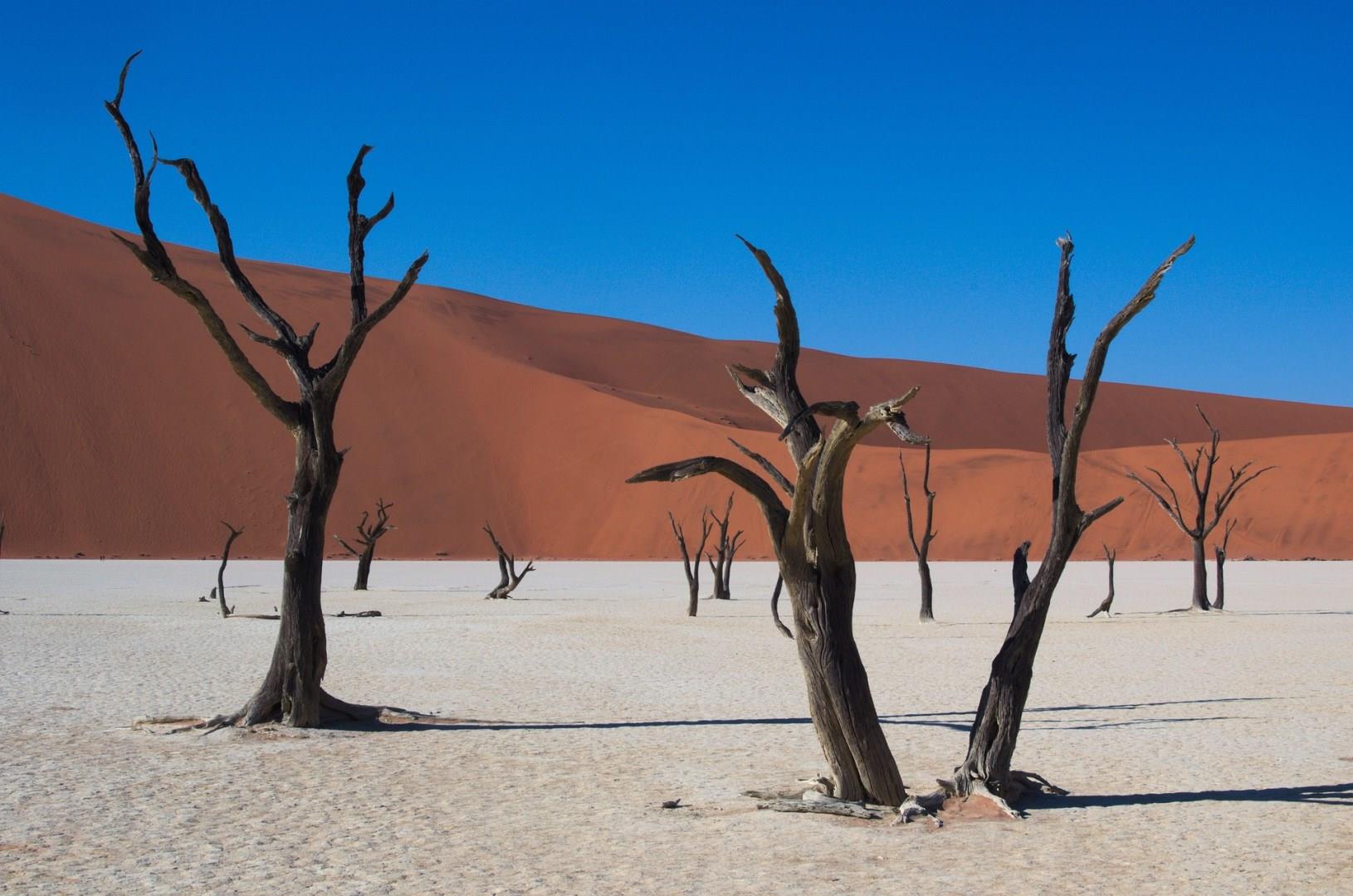
Dramatic and otherworldly, Deadvlei in Namibia is one of the most surreal landscapes on the planet. Located within the Namib-Naukluft National Park, Deadvlei is a white clay pan that was once an oasis filled with acacia trees. Over 900 years ago, a shift in climate and the encroachment of the towering red sand dunes cut off the river that fed the pan, leaving behind a hauntingly beautiful scene of dead trees that have been perfectly preserved in the arid environment.
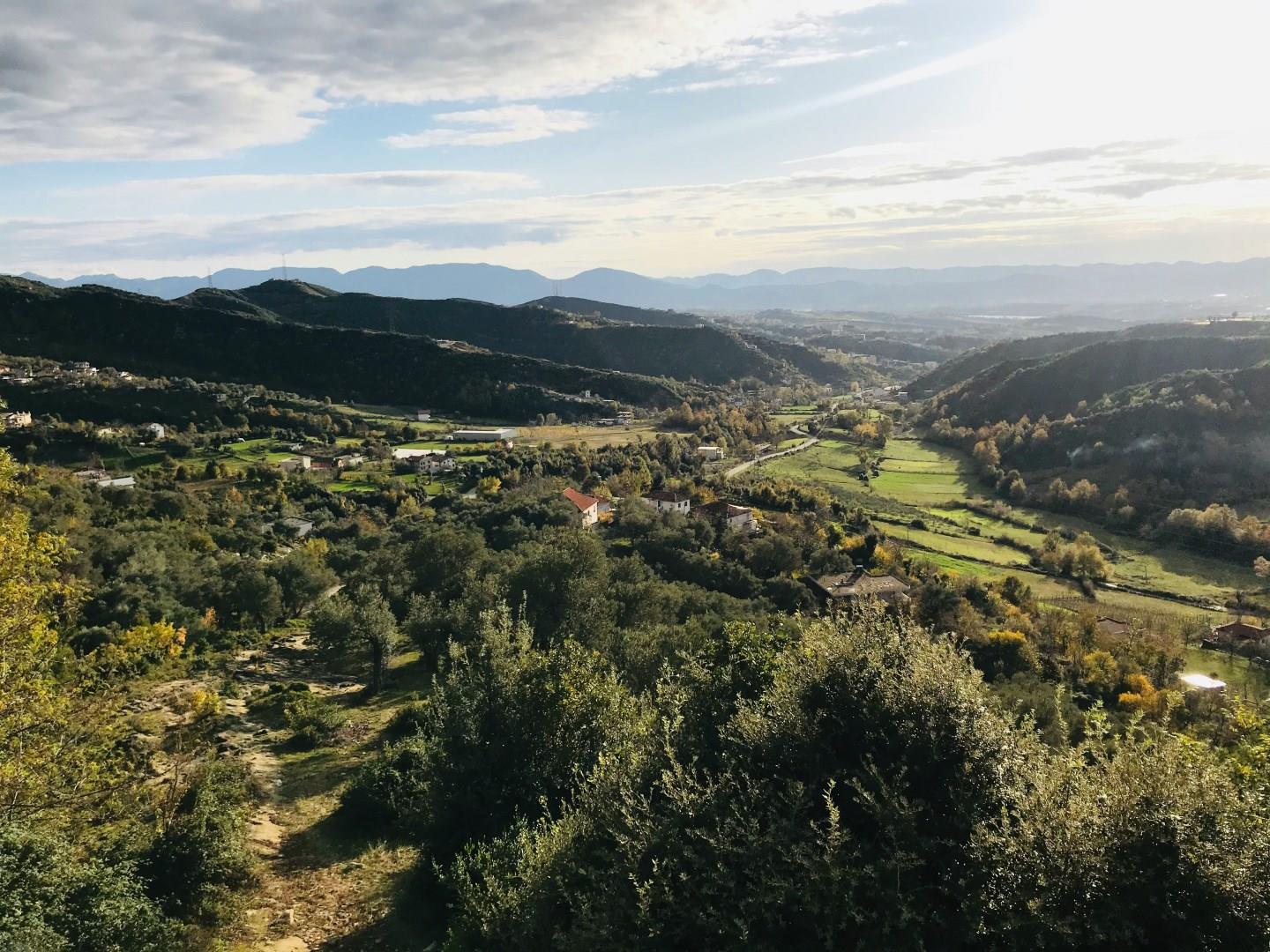
Photo Credit: Photo by Adventure Albania on Unsplash
Photo Credit: Photo by Linda Gerbec on Unsplash
Photo Credit: Photo by Michael Silkesjöö on Unsplash
Photo Credit: Photo by Daniel Silva on Unsplash
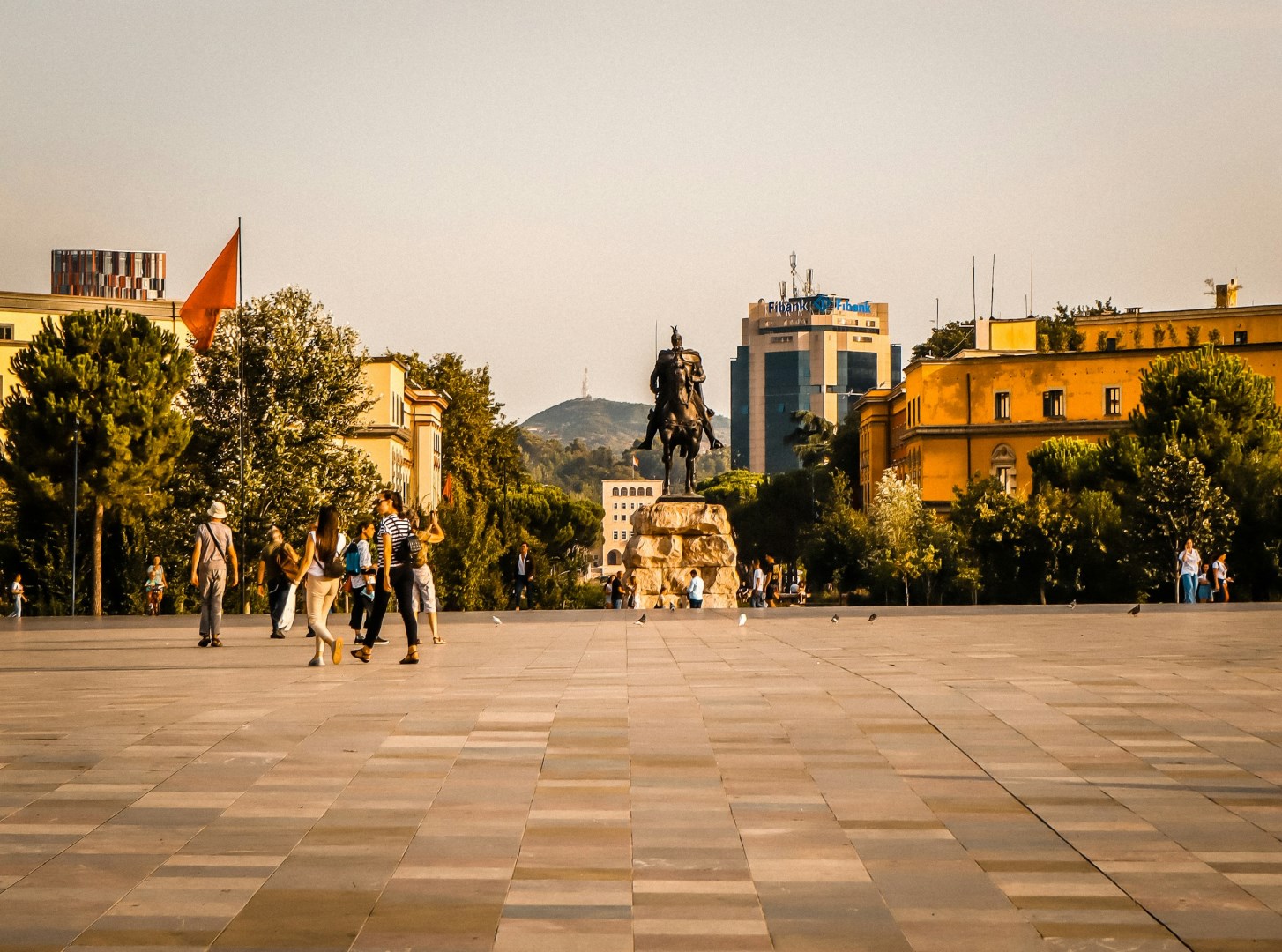
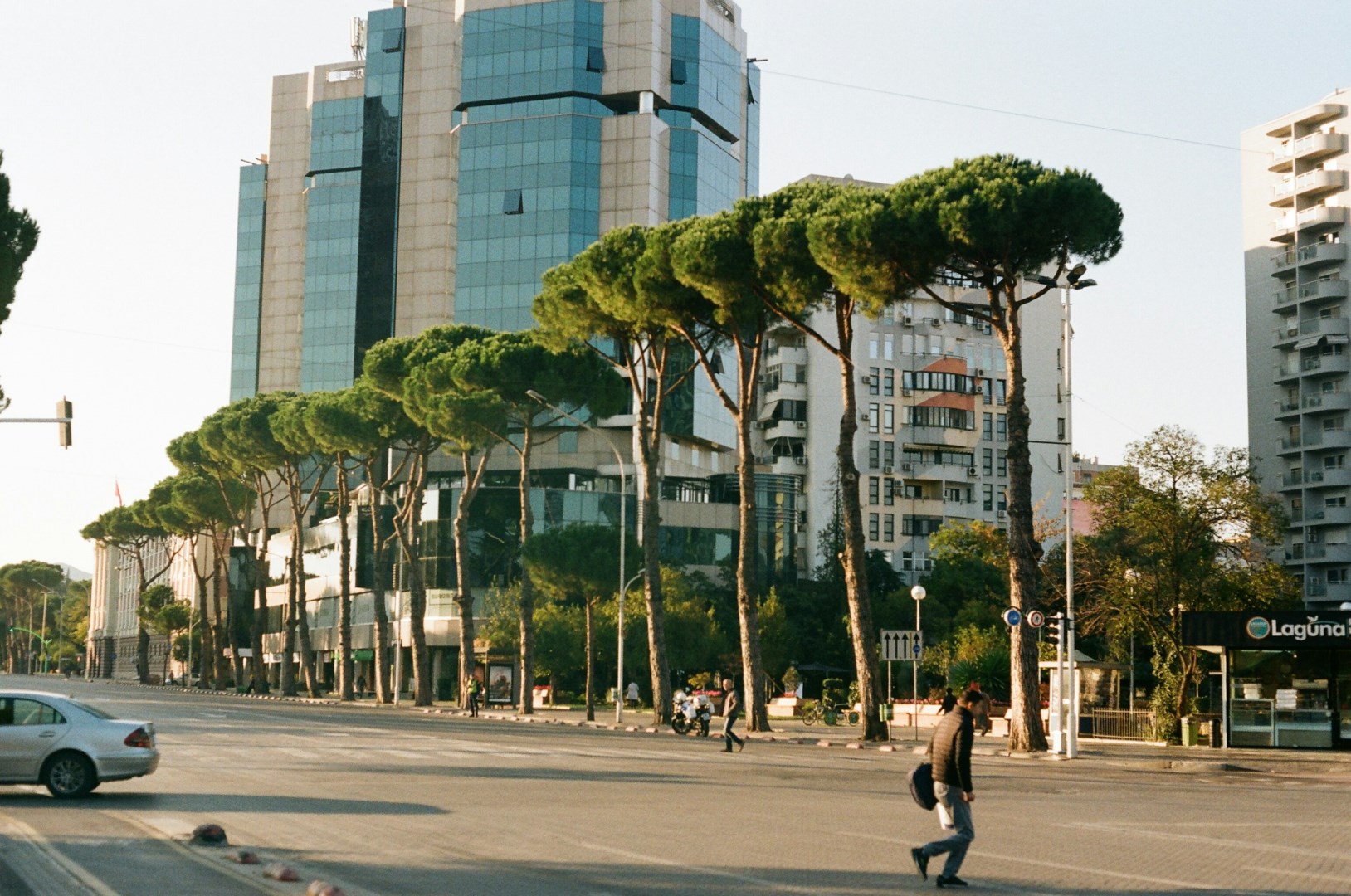
Tirana, the lively capital of Albania, is a city that blends historical charm with modern vibrancy. At the heart of its transformation is Skanderbeg Square, a bustling hub named after the national hero Gjergj Kastrioti Skanderbeg. The square is surrounded by architectural gems like the National History Museum, whose mosaic facade depicts Albania's rich past, and the Et'hem Bey Mosque, a beautifully preserved Ottoman-era structure. For a deeper dive into local culture, visit the nearby Grand Park of Tirana, a green oasis perfect for a leisurely stroll or a boat ride on its artificial lake.
Tirana's colorful, eclectic architecture is a testament to its dynamic history and contemporary spirit. The cityscape features a striking blend of communist-era buildings and modern constructions, including the innovative Pyramid of Tirana, originally built as a museum dedicated to the former dictator Enver Hoxha and now reimagined as a cultural space. Vibrant murals and street art adorn many buildings, reflecting the city’s artistic pulse and youthful energy. The ongoing urban renewal projects are reshaping Tirana into a hub of creativity and modernity.
For those interested in culinary adventures, Tirana offers a feast of traditional Albanian cuisine. Enjoy local dishes such as byrek (savory pastries filled with cheese or meat), or sample fresh seafood from the Mediterranean. The Blloku neighborhood, once an exclusive area for the communist elite, is now a trendy district filled with cafes, restaurants, and bars that provide a lively nightlife scene. Stroll through the colorful streets and experience the city’s warm hospitality and rich flavors.
Fun fact: Tirana’s transformation into a colorful city was inspired by the vision of former mayor Edi Rama, who was also an artist. His efforts to brighten up the city with vibrant colors and innovative urban design have significantly contributed to Tirana's unique and welcoming atmosphere.
Other Popular Destinations in Albania
Berat
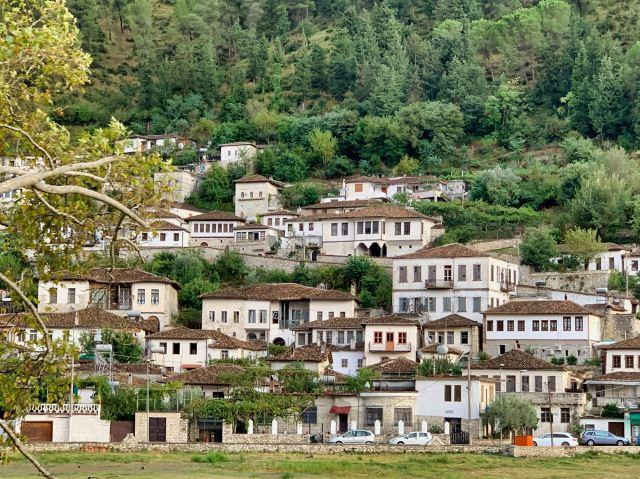
Berat, set along the Osum River in central Albania, is a city shaped by centuries of continuity and coexistence. Known as the City of a Thousand Windows, its white Ottoman-era houses climb the hillside toward a hilltop fortress, creating a striking and harmonious skyline.
Gjirokastër
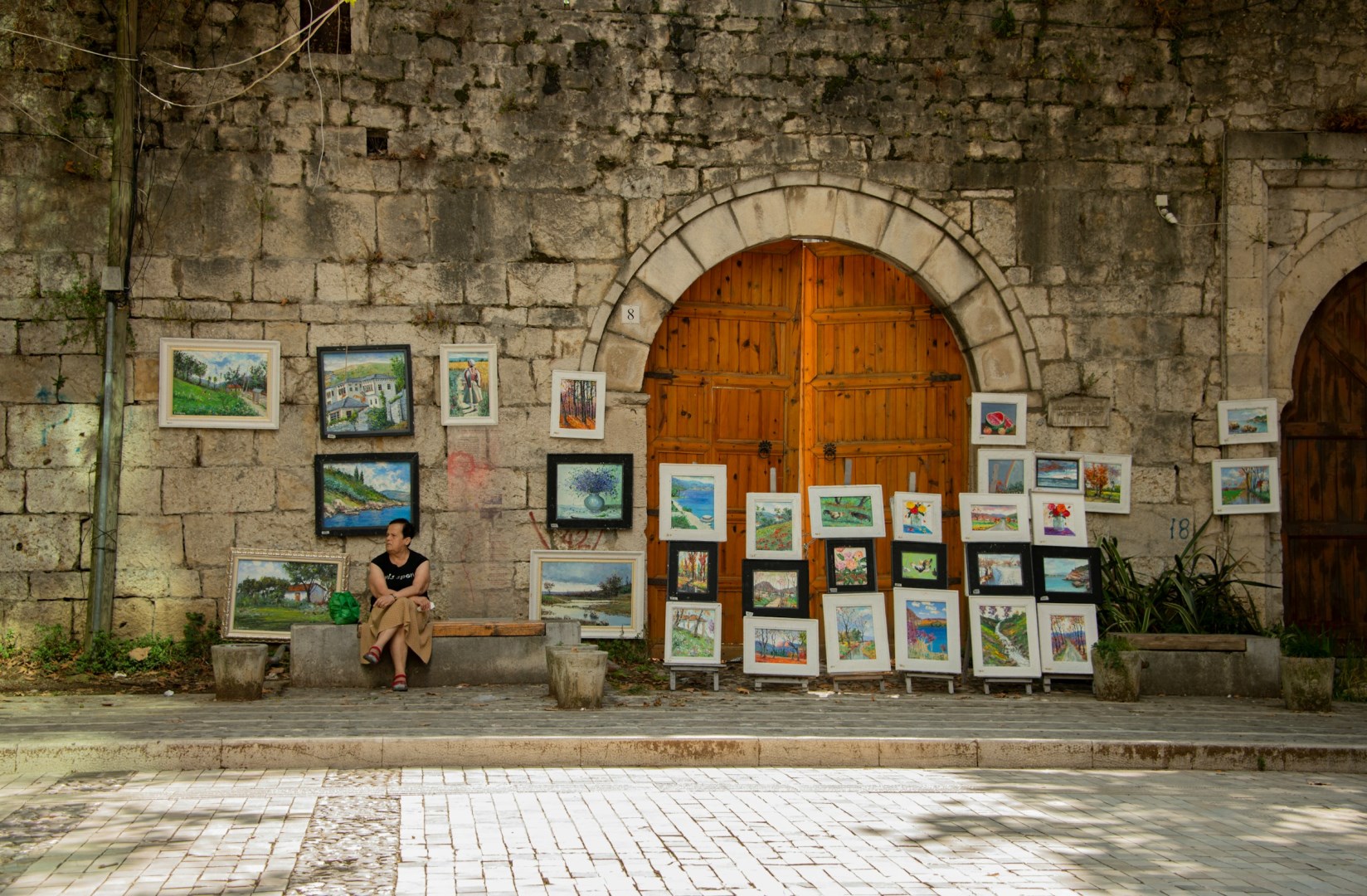
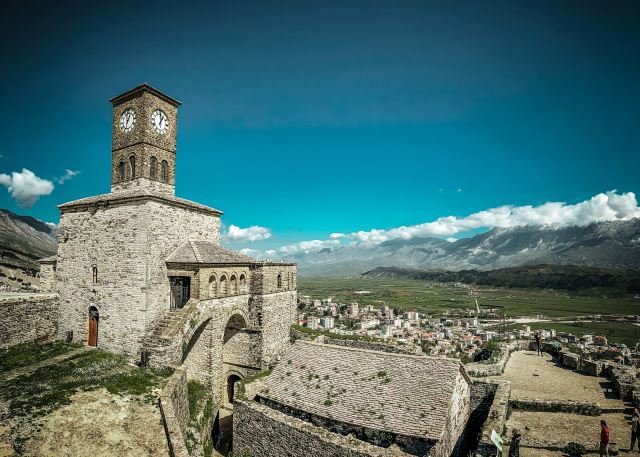
Gjirokaster is Albania's second museum city, where you can see the Fortress with its Armory Museum and the Teque Mosque and Bazaar. A city of stone, the peculiarities of its construction have led many to call it the "The Silver City". Gjirokaster is the birthplace of Enver Hoxja who was, until recently, Albania's infamous dictator.