Ladakh
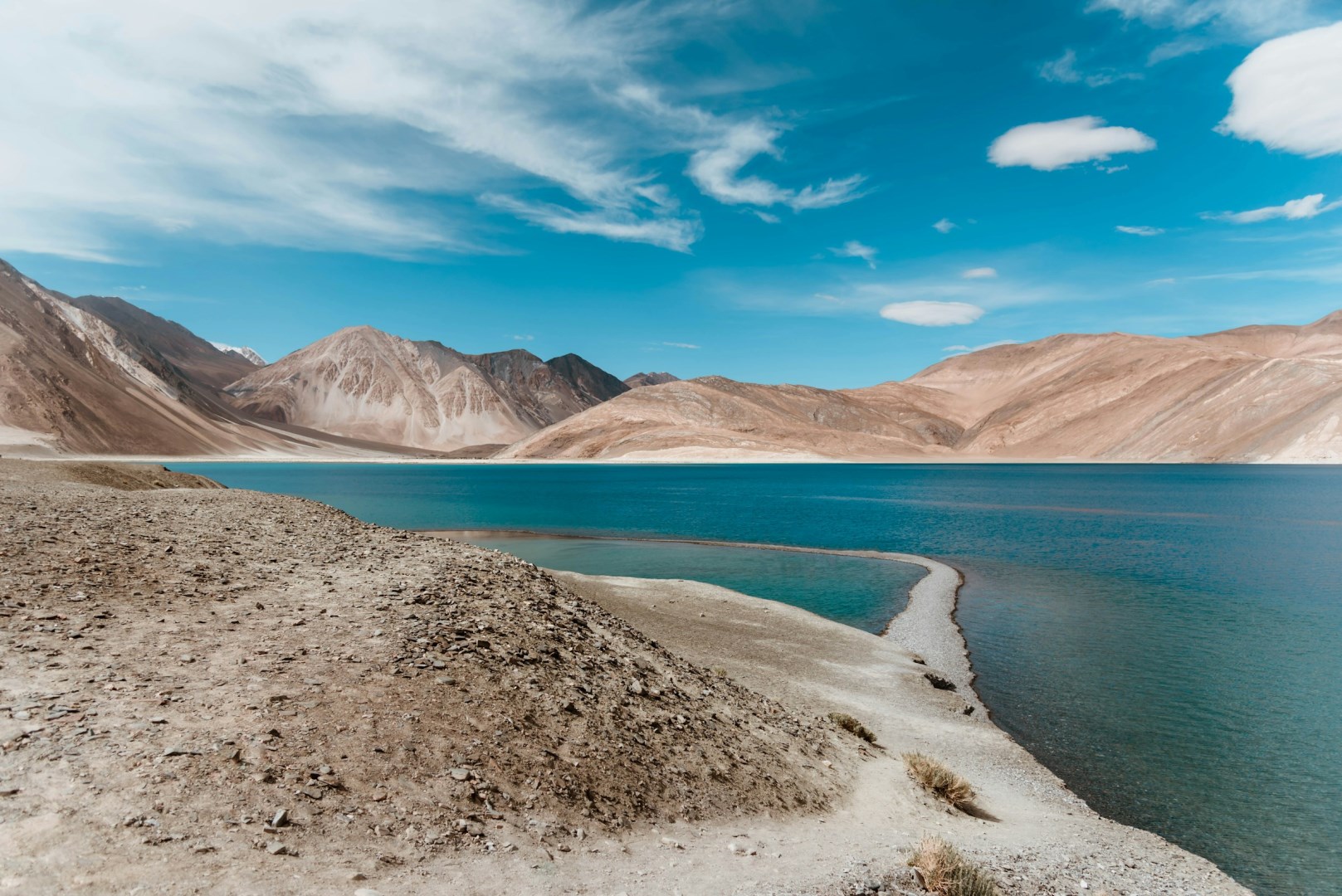
Ladakh is a high-altitude region in the northern Himalayas, known for its dry mountain landscapes, broad valleys, clear lakes, and settlements shaped by limited water and harsh winters. Leh serves as the principal urban centre and gateway, while the wider region includes Nubra, Changthang, Zanskar, and the Indus Valley. The landscape changes from barren mountain slopes to green village fields and river corridors where water is available. Its combination of high passes, cold-desert terrain, and r

Sur
Sur is a coastal city in Oman's Al Sharqiyah South Governorate, facing the Arabian Sea along a coastline shaped by sheltered bays, rocky headlands, and fishing communities. The city is particularly known for its maritime heritage and traditional wooden dhow building, which remains an important part of its identity. Sur's harbor, whitewashed buildings, and coastal setting reflect its long connection with seafaring and trade.
Acajutla
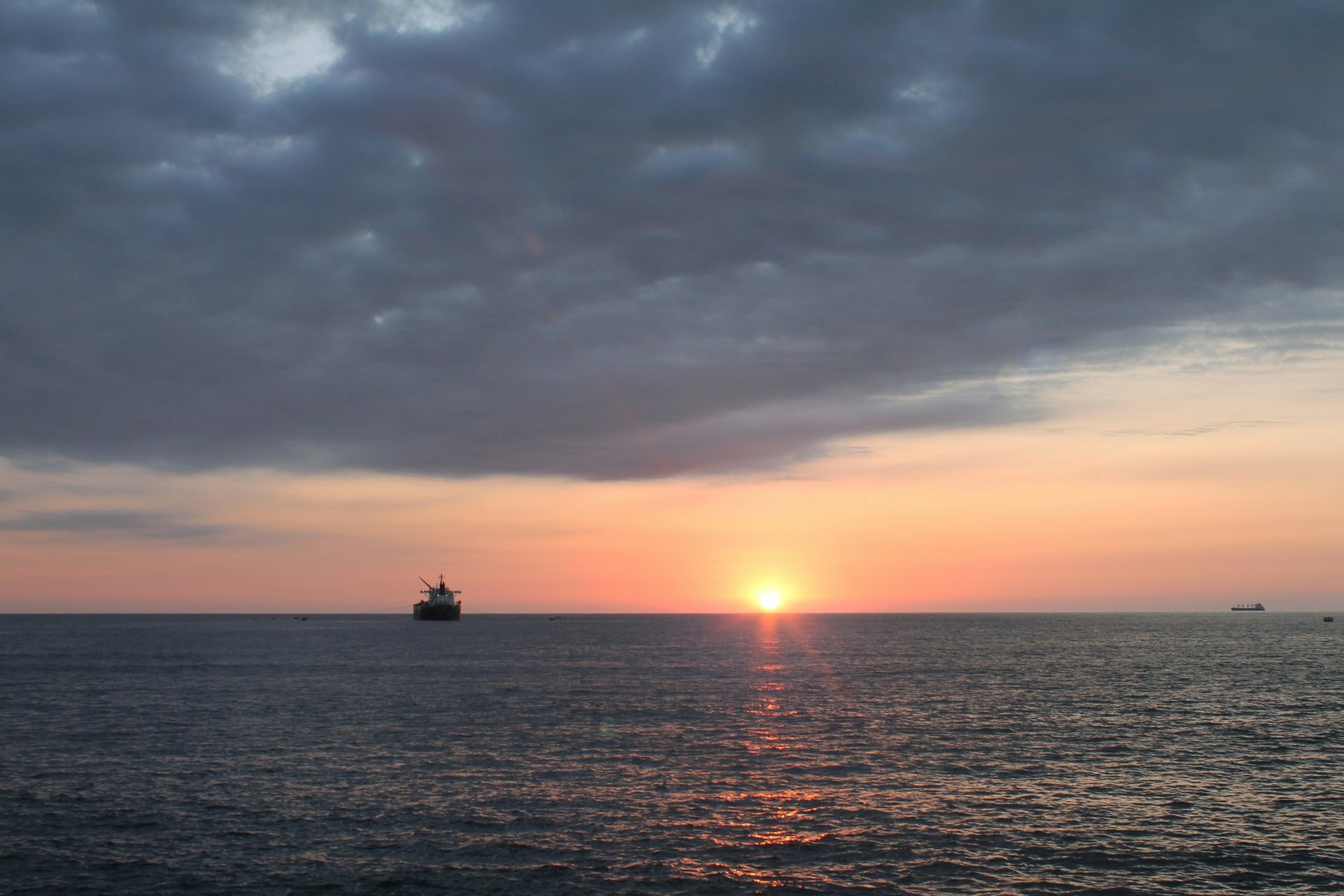
Acajutla is the principal Pacific port of El Salvador, located in the department of Sonsonate along the country’s western coastline. The city plays an important role in trade and transportation, with cargo ships, fishing boats, and industrial facilities shaping much of the waterfront activity.
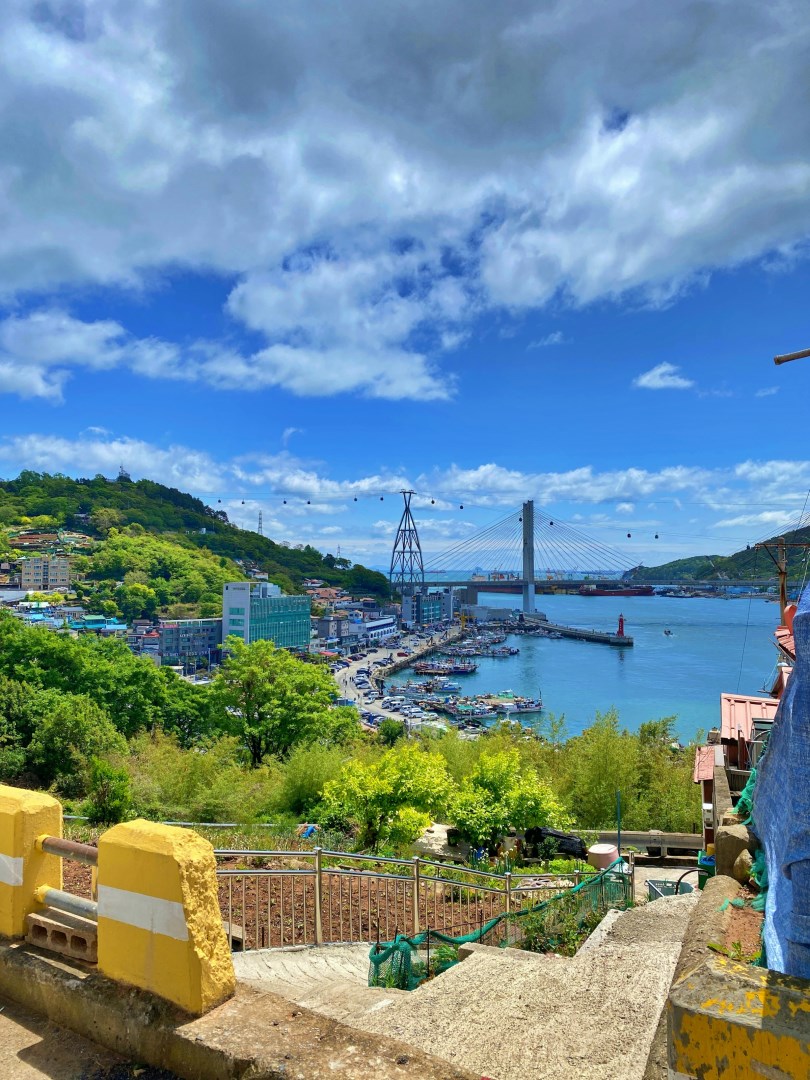
YEOSU
Yeosu is a coastal city in South Jeolla Province, spread across a peninsula and numerous islands along Korea's southern coast. Its geography is defined by sheltered bays, rocky shorelines, wooded hills, and the waters of the Korea Strait. The city is known for its maritime setting, seafood, island communities, and coastal viewpoints.

Pisek
Písek, a picturesque city in the South Bohemian Region of the Czech Republic, is a hidden gem steeped in history and charm. One of its most notable landmarks is the Písek Stone Bridge, the oldest preserved bridge in the country. Built in the 13th century, this Gothic bridge spans the Otava River and is a testament to medieval engineering.