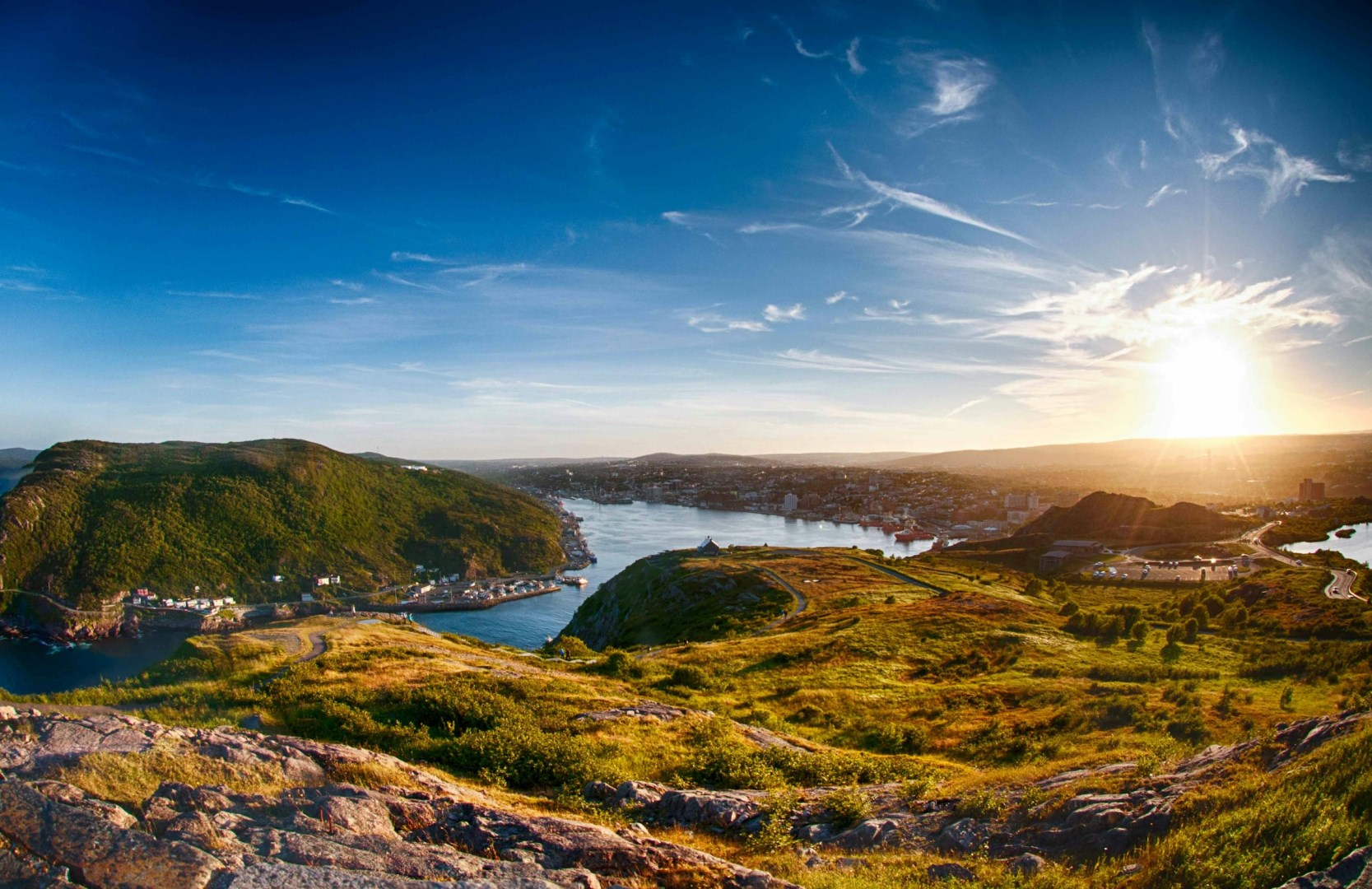
St. John's is the capital of Newfoundland and Labrador and the most easterly city in North America. It occupies a sheltered harbour on the Avalon Peninsula, where steep hills descend toward the Atlantic Ocean and the Narrows. The city combines a working waterfront with a historic downtown, residential neighbourhoods, and access to coastal landscapes.
Veneto, a region in northeastern Italy, offers a rich tapestry of history, culture, and natural beauty. The city of Verona, famous for its Shakespearean connection, is a jewel within this region. Visitors can explore the ancient Roman Arena, where operas and concerts are still held amidst the ruins. Wander through Verona’s medieval streets, and you’ll find Juliet’s House, a romantic site made famous by Romeo and Juliet.
Nestled in the picturesque Burgundy region of France, Tournus offers a charming glimpse into both its rich medieval history and its delightful contemporary culture. One of the city’s standout landmarks is the Abbey of Saint-Philibert, a remarkable example of Romanesque architecture. Founded in the 10th century, this abbey features stunning stone carvings and a tranquil cloister, making it a must-visit for history and architecture enthusiasts.

Kapama Private Game Reserve is a vast wildlife sanctuary located in South Africa’s Limpopo province, bordering the greater Kruger region. Spanning more than 13,000 hectares, the reserve plays an important role in conservation while offering visitors an immersive experience in one of Africa’s most celebrated ecosystems.

Photo Credit: Photo by rebecca stremitzer on Unsplash
Photo Credit: Photo by Joanna on Unsplash
Photo Credit: Photo by Fabiana Rizzi on Unsplash
Photo Credit: Photo by Patrycja Mancewicz on Unsplash
Photo Credit: Photo by Meg von Haartman on Unsplash
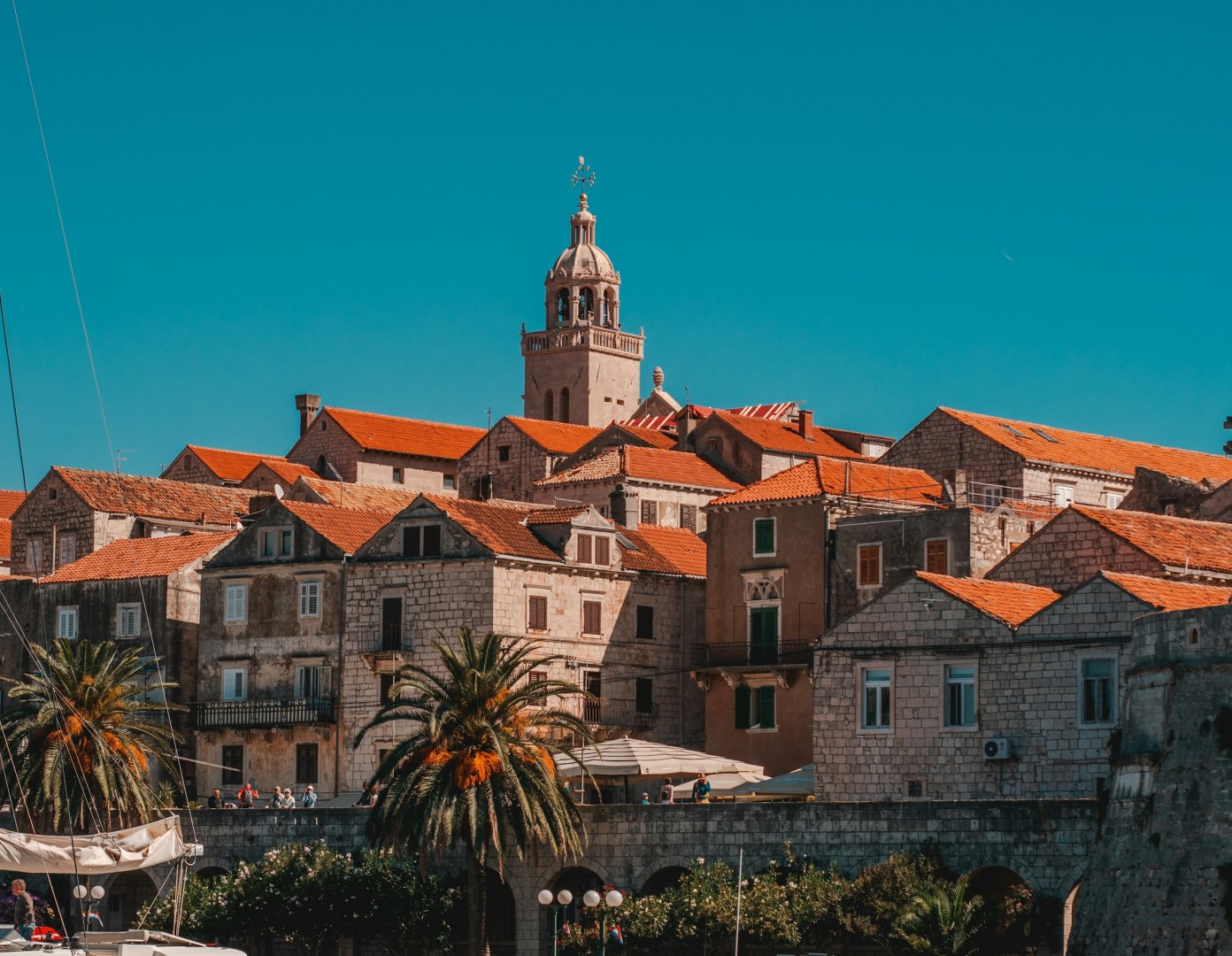
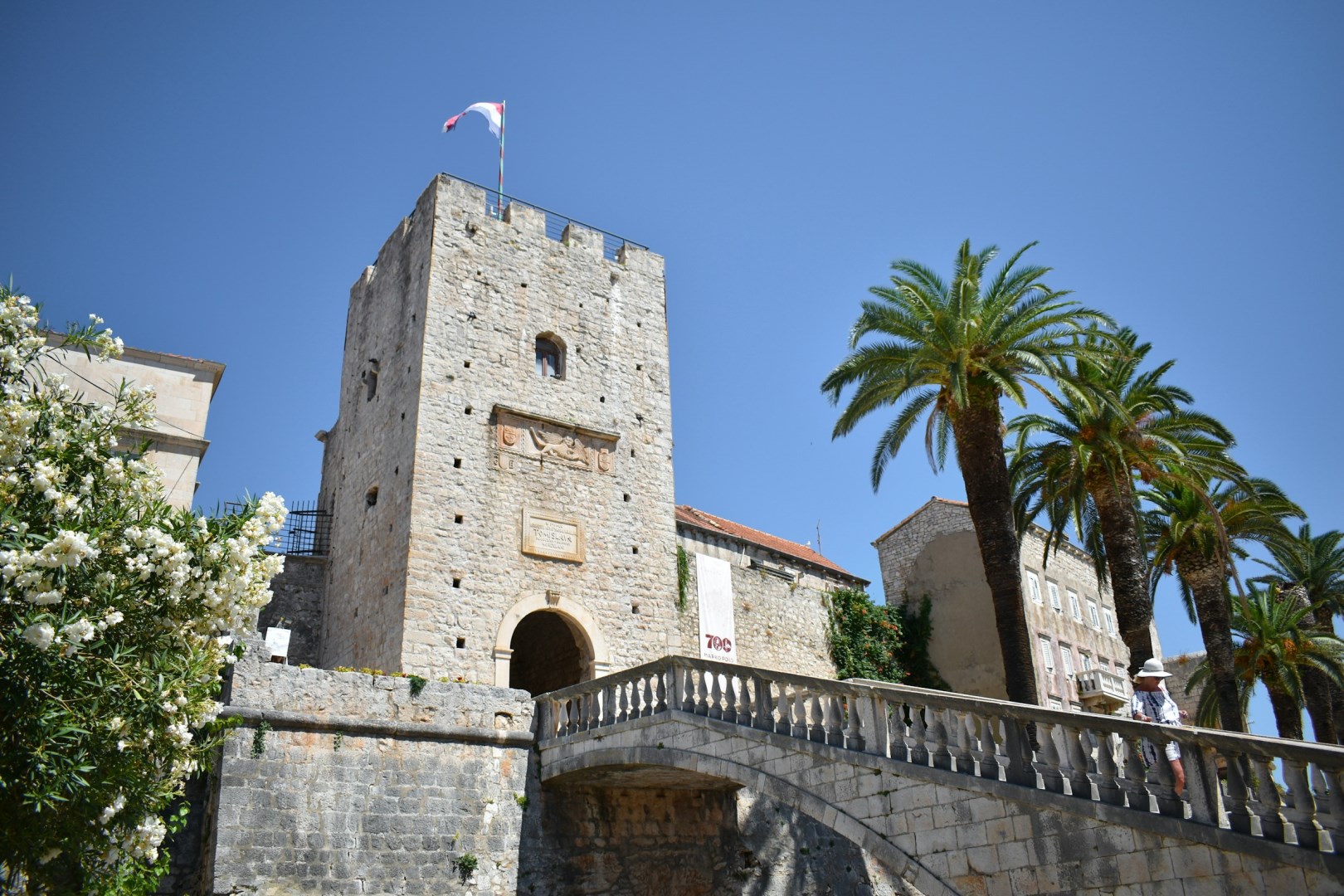
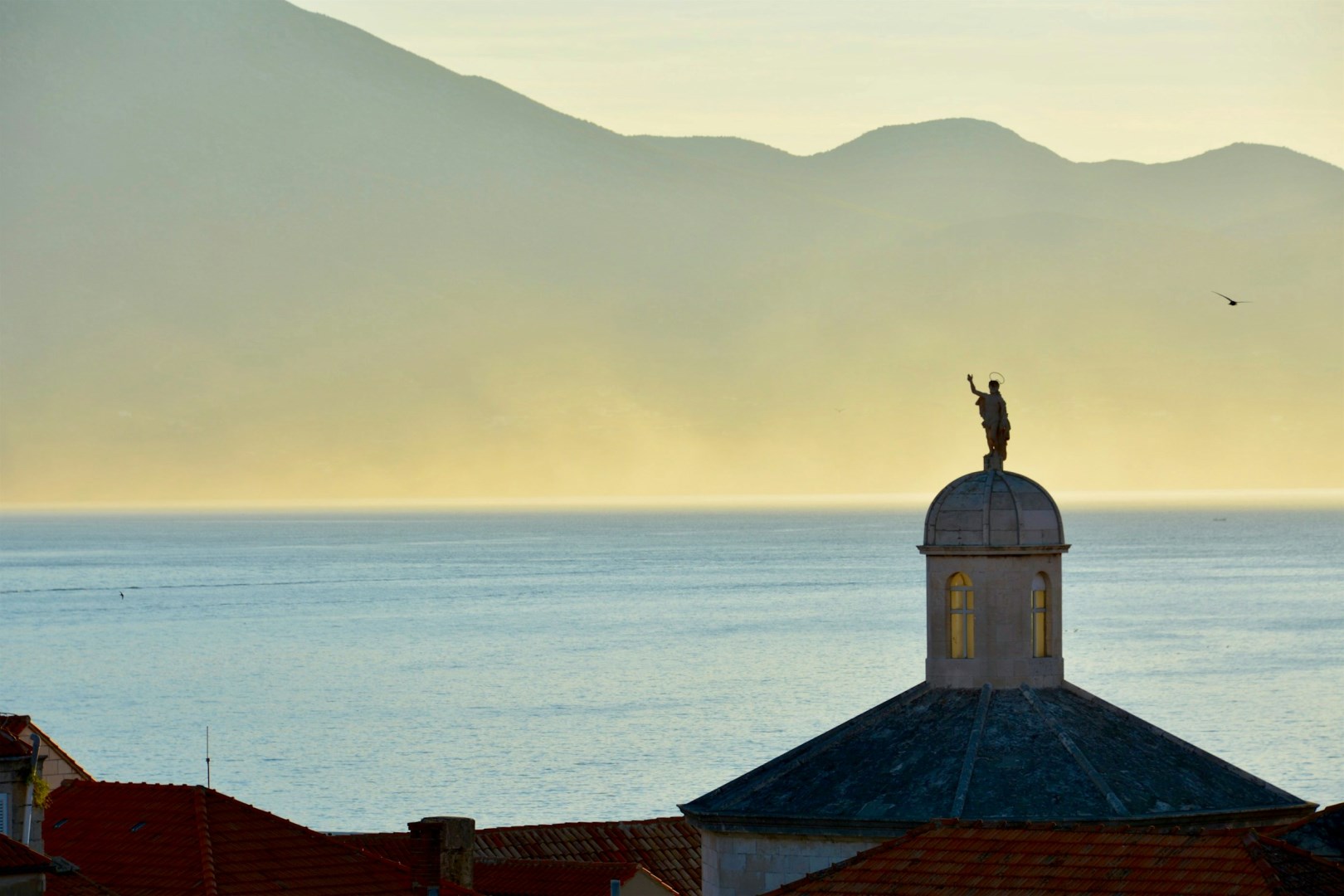
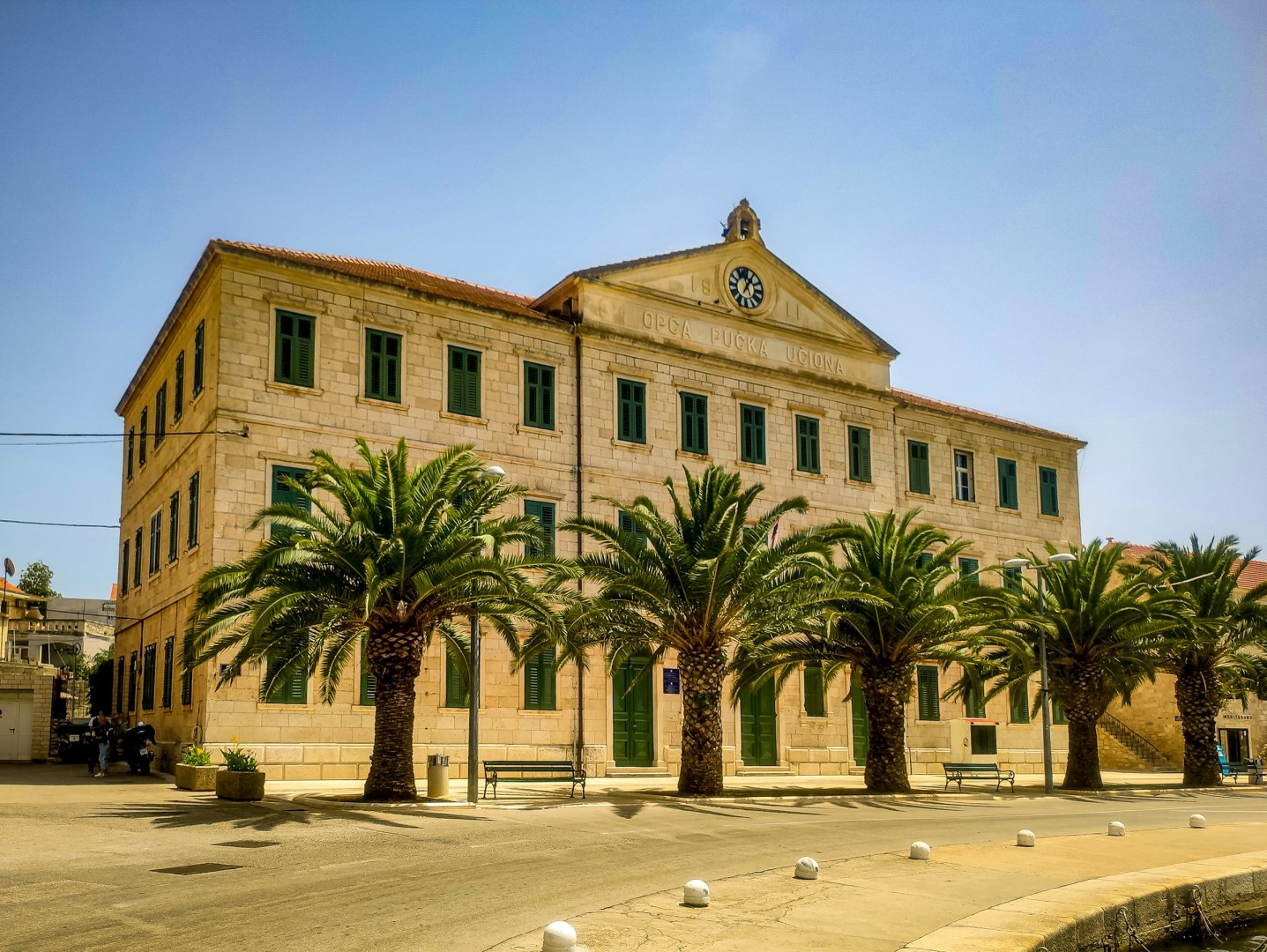
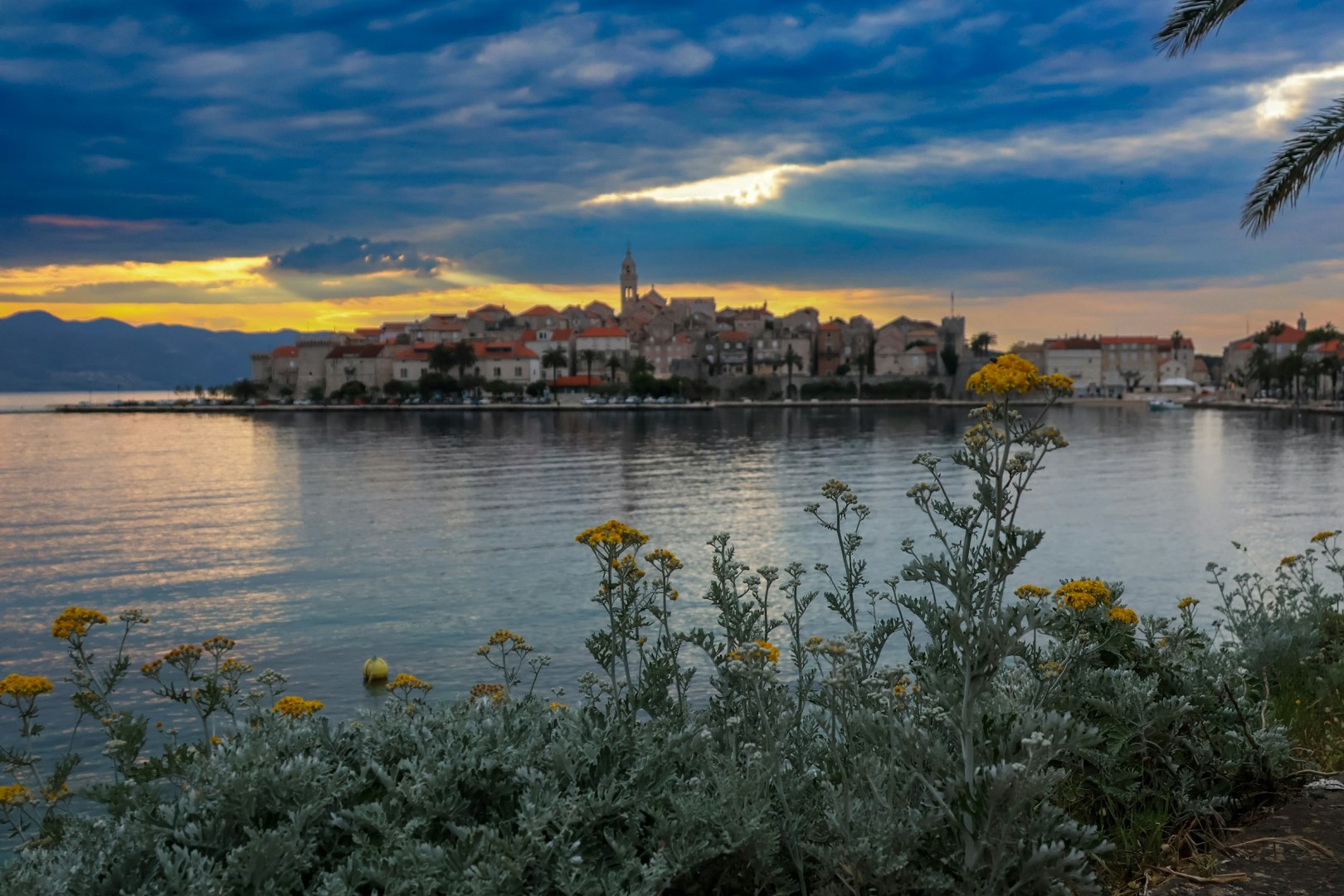
Korčula, a jewel in Croatia's Adriatic Sea, invites visitors to immerse themselves in its rich history and stunning natural beauty. Often referred to as "Little Dubrovnik," the city boasts well-preserved medieval architecture, narrow cobblestone streets, and a fortified old town encircled by ancient walls. This picturesque city is renowned for its blend of Venetian and local architectural styles, epitomized by landmarks like St. Mark's Cathedral and the impressive City Walls.
The birthplace of Marco Polo, Korčula offers a compelling glimpse into the life of this famous explorer. The Marco Polo Museum in the heart of the old town explores his travels and legacy, providing a fascinating insight into how this small island city influenced one of history's greatest adventurers (source). Walking through Korčula’s historic center feels like stepping back in time, with its charming squares, Gothic and Renaissance buildings, and quaint shops selling local crafts and wines.
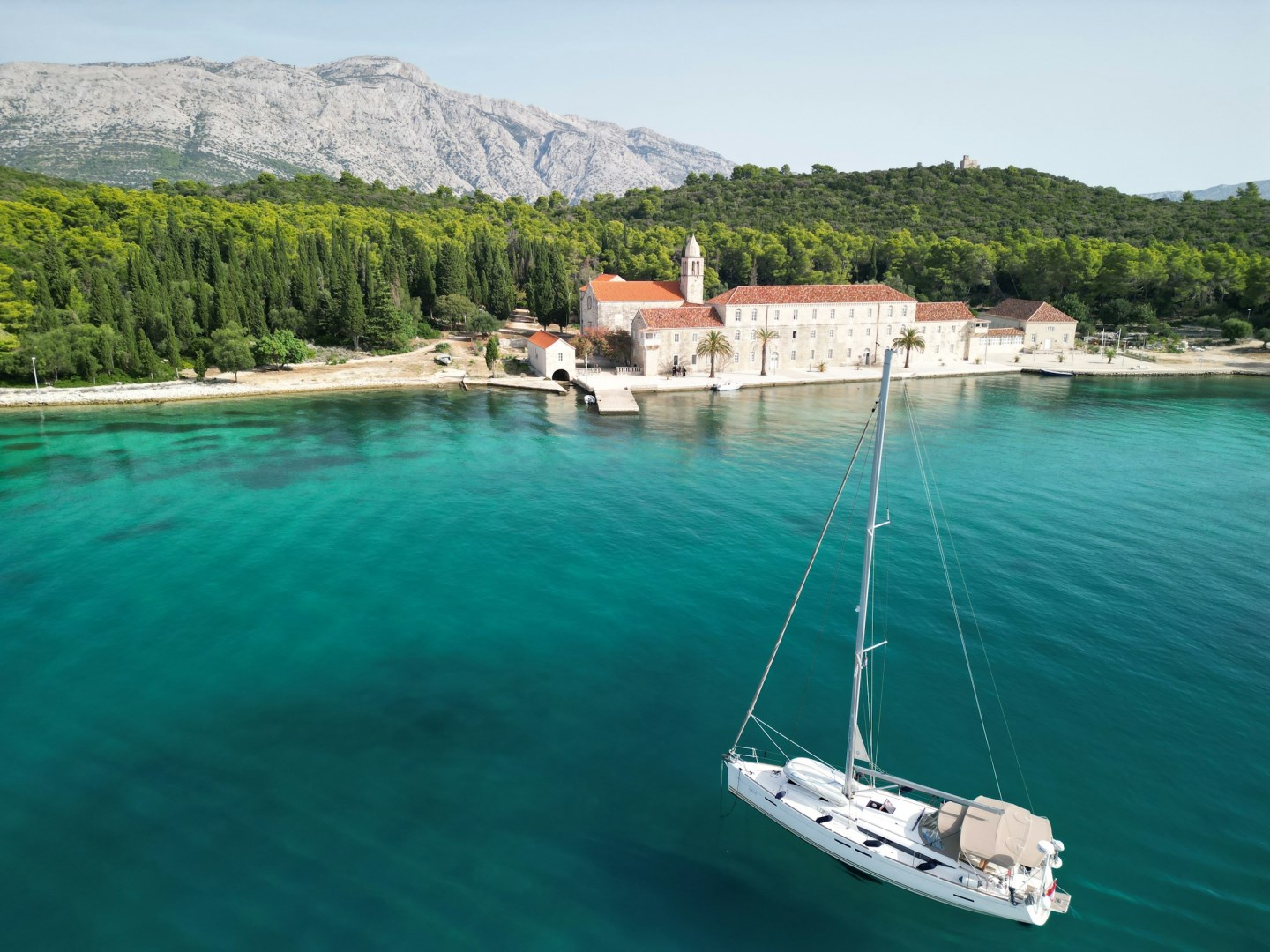
Korčula is also celebrated for its vibrant cultural scene and traditional events. The island hosts various festivals throughout the year, including the Moreska Sword Dance, a centuries-old performance reflecting local folklore and martial traditions. In addition to its historical and cultural allure, Korčula’s crystal-clear waters and scenic beaches make it an ideal destination for relaxation and outdoor activities, such as swimming, sailing, and hiking.
Whether you’re intrigued by its historical connections, enchanted by its medieval charm, or eager to explore its beautiful coastlines, Korčula offers a memorable experience that captures the essence of Croatia’s cultural and natural splendor.
Other Popular Destinations in Croatia
Dubrovnik
Dubrovnik, often hailed as the "Pearl of the Adriatic," is a city where history and stunning natural beauty converge. Enclosed within its ancient city walls, which are a UNESCO World Heritage Site, you’ll find a captivating blend of medieval architecture and vibrant culture. The city's Old Town is a maze of cobblestone streets, lined with baroque churches, Renaissance buildings, and charming squares.
Split
Split, Croatia, is a city where ancient history and modern vibrancy blend seamlessly, creating an alluring destination for travelers. At the heart of Split is the UNESCO World Heritage Site of Diocletian's Palace, a remarkably well-preserved Roman complex built by Emperor Diocletian in the 4th century AD. This sprawling palace complex, with its labyrinthine streets, ancient walls, and grand Peristyle courtyard, is not just a historical site but a bustling part of the city’s daily life.