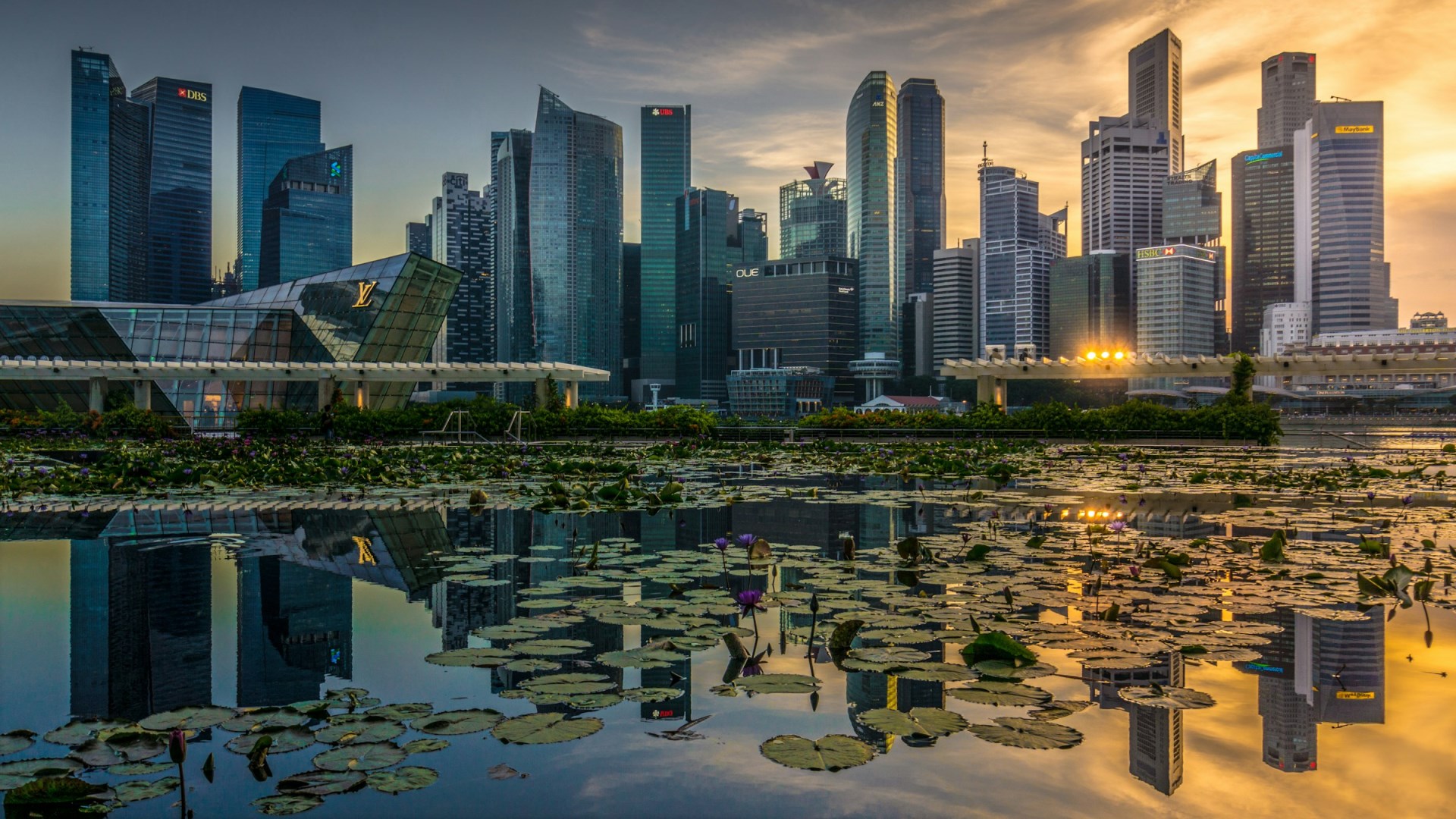
Singapore
Singapore, a sovereign city-state in Southeast Asia, is known for its blend of modern innovation, cultural diversity, and green urban planning. Its skyline features striking architecture such as Marina Bay Sands and the Supertree Grove at Gardens by the Bay, while its neighborhoods highlight cultural influences from Chinese, Malay, Indian, and Peranakan heritage. The city is also celebrated for its efficiency, safety, and status as a global financial hub.
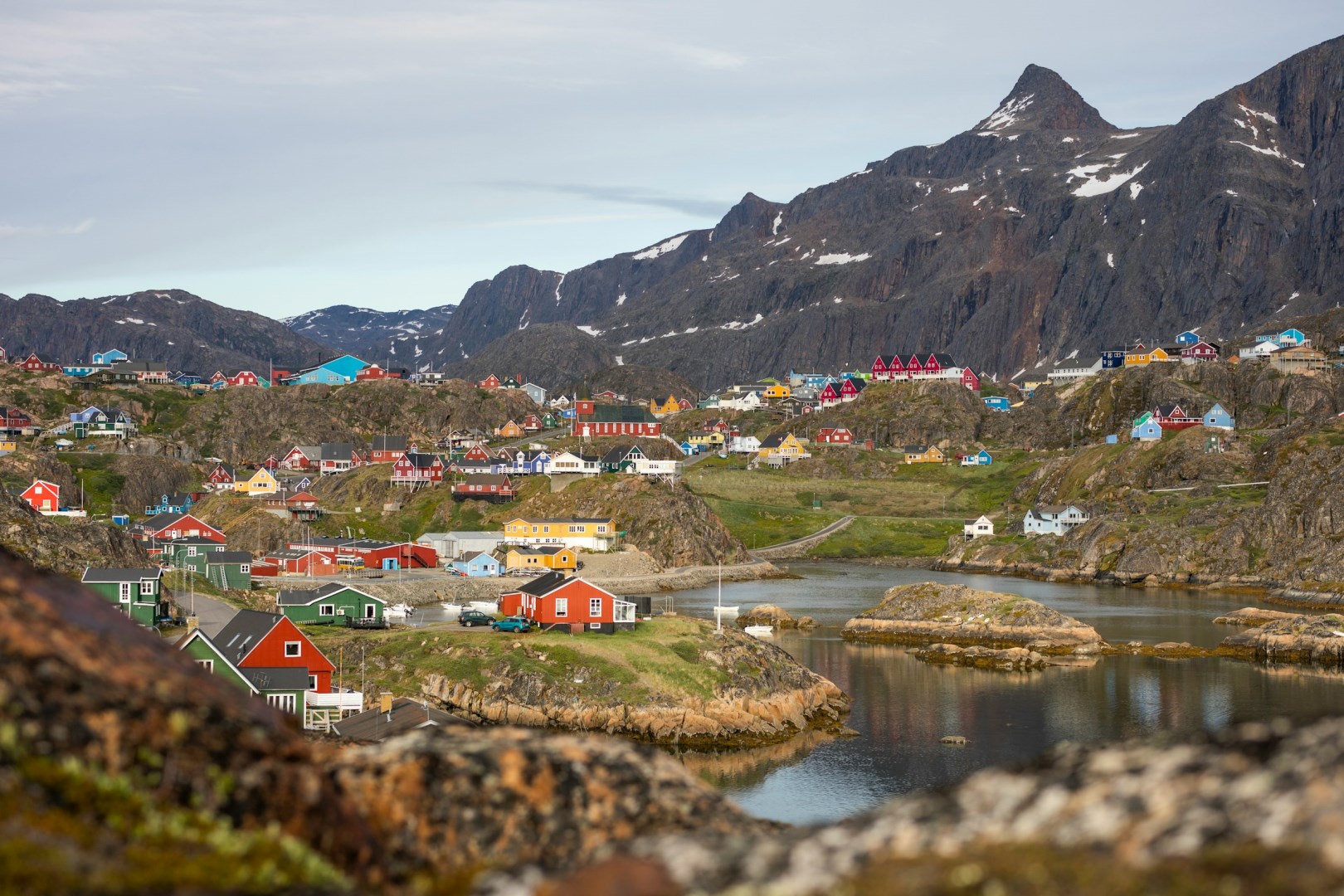
Sisimiut
Sisimiut, Greenland's second-largest city, offers a captivating glimpse into Arctic life and stunning natural beauty. Nestled on the shores of the Davis Strait, Sisimiut is renowned for its striking landscapes and rich cultural heritage.
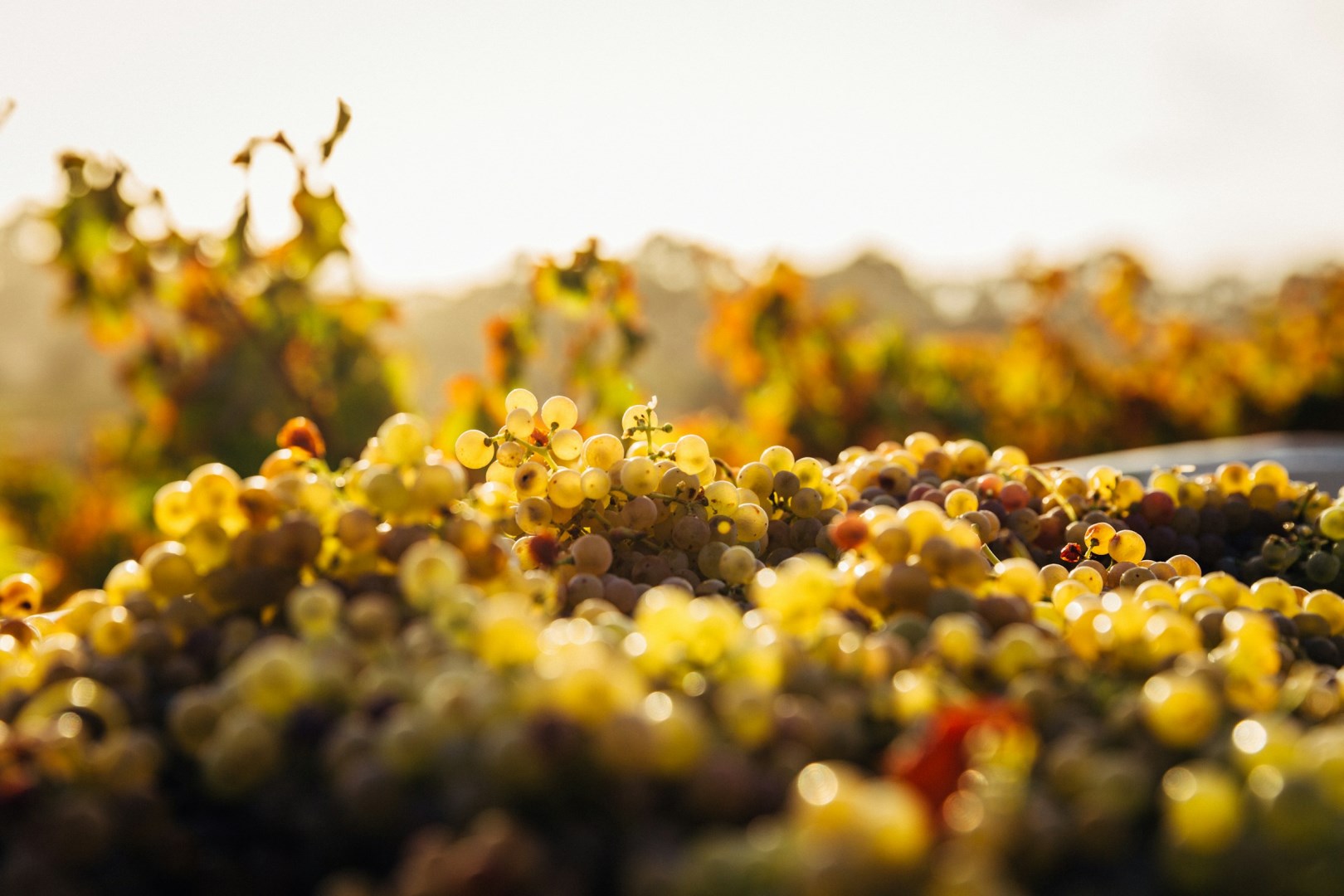
Barossa Valley
Barossa Valley is a wine-growing region in South Australia, northeast of Adelaide, known for its vineyards, historic villages, and strong food culture. The valley includes towns such as Tanunda, Angaston, and Nuriootpa, each with its own local character. Vineyards cover much of the surrounding landscape, while eucalyptus trees, rolling hills, and farm properties create a rural setting.
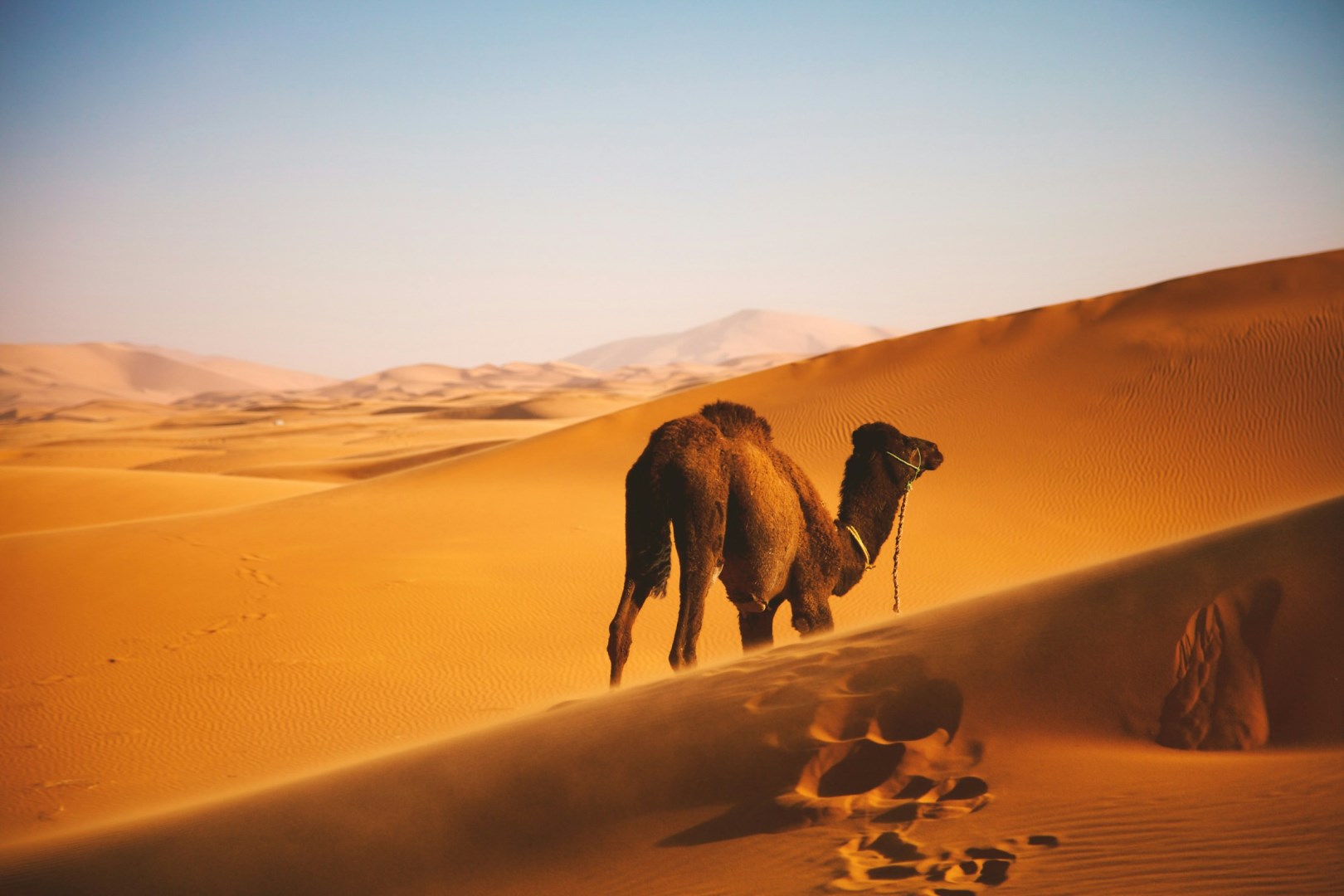
Erg Chebbi
Erg Chebbi is a large field of wind-shaped sand dunes in southeastern Morocco, near the village of Merzouga in the Drâa-Tafilalet region. It forms one of Morocco’s best-known Sahara landscapes, rising abruptly from the surrounding rocky desert. The dunes stretch for roughly 28 kilometres from north to south, with some of the highest crests reaching about 150 metres. Their deep orange and golden tones change noticeably with the position of the sun.
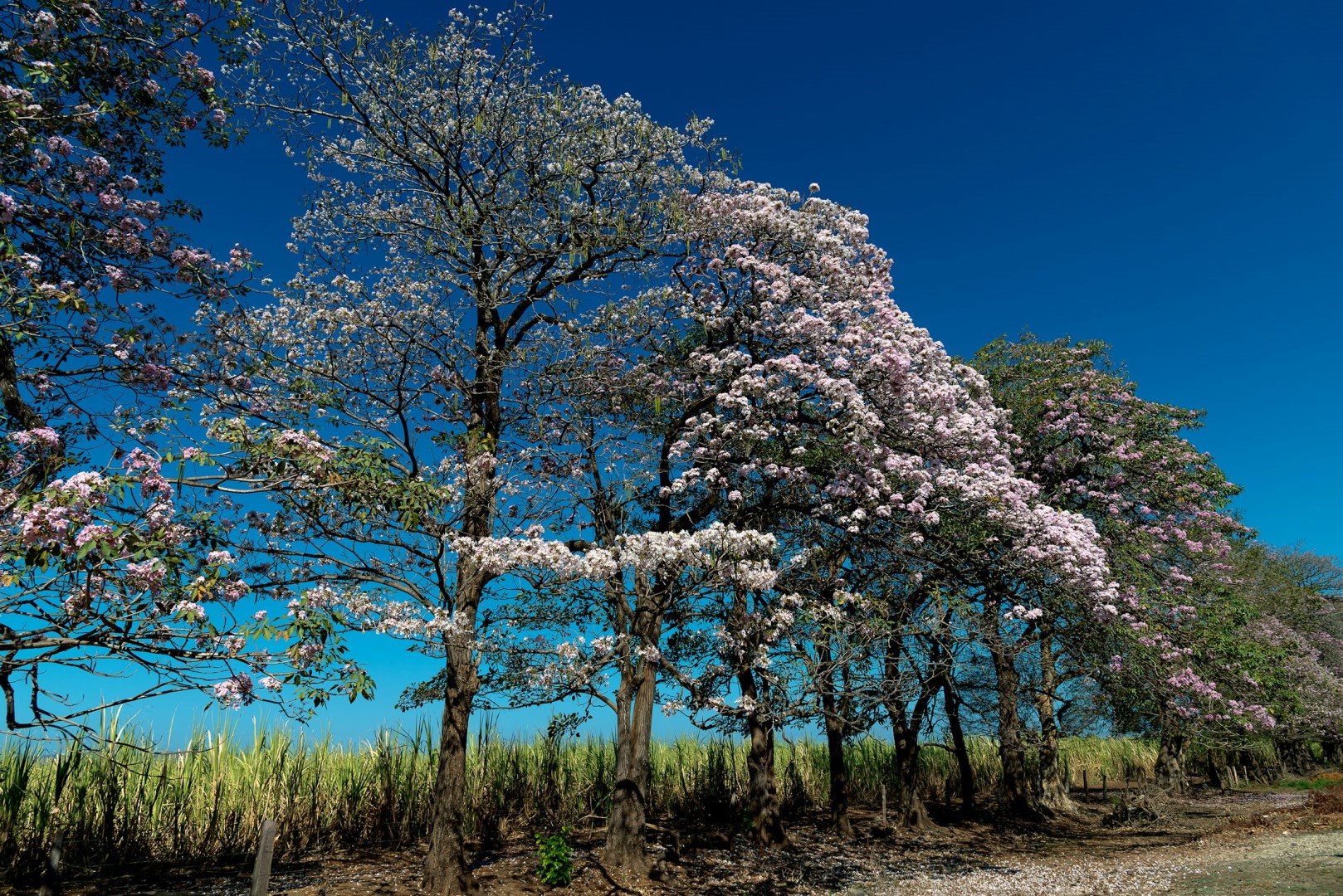
Liberia
This Northern Costa Rica city is known for its volcanoes (both active and inactive), the Catholic church Ermita de La Agonía, and the Museo del Sabanero.