Maxixe
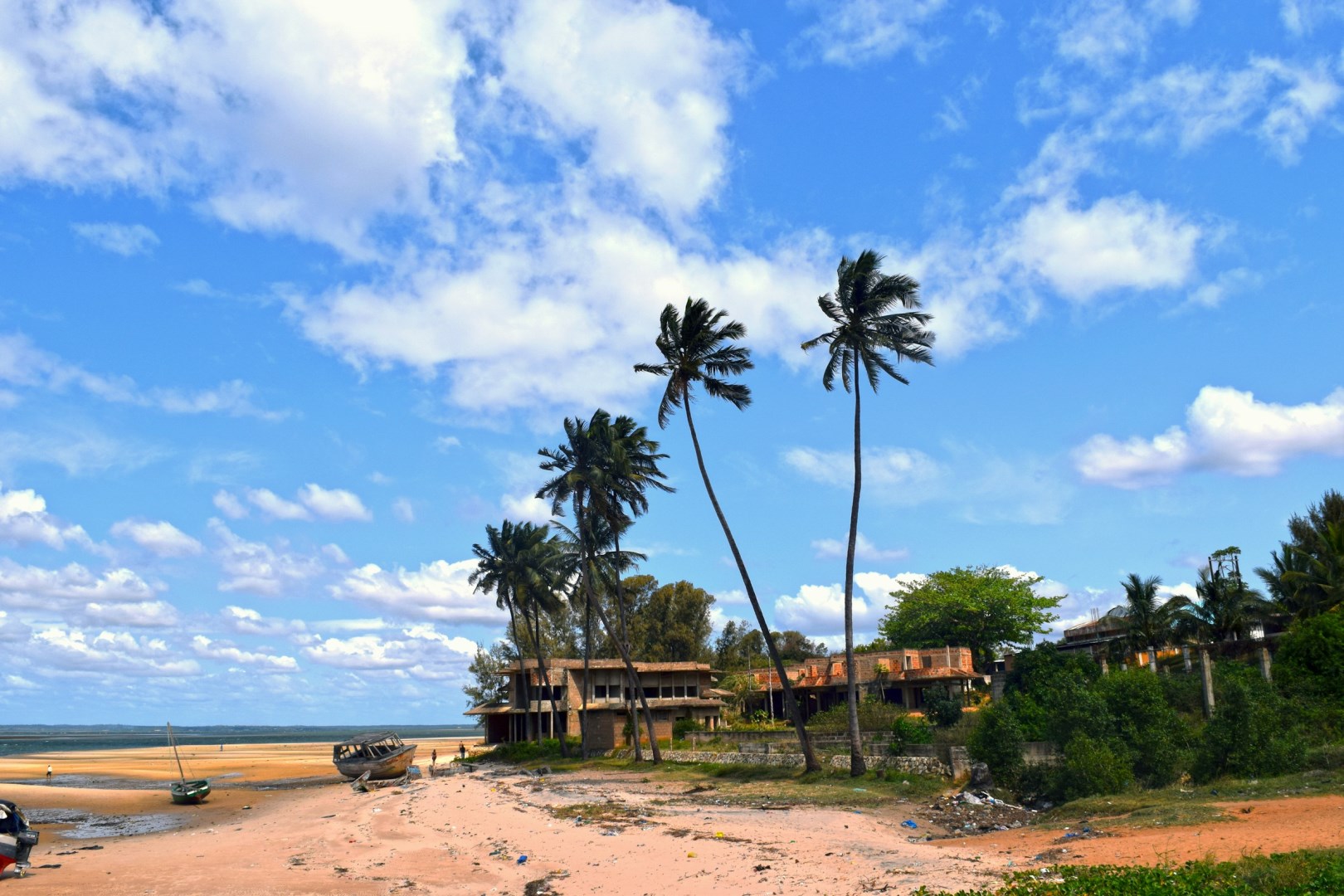
Maxixe is a coastal city in southern Mozambique’s Inhambane Province, situated on the western shore of Inhambane Bay.
Andong-si
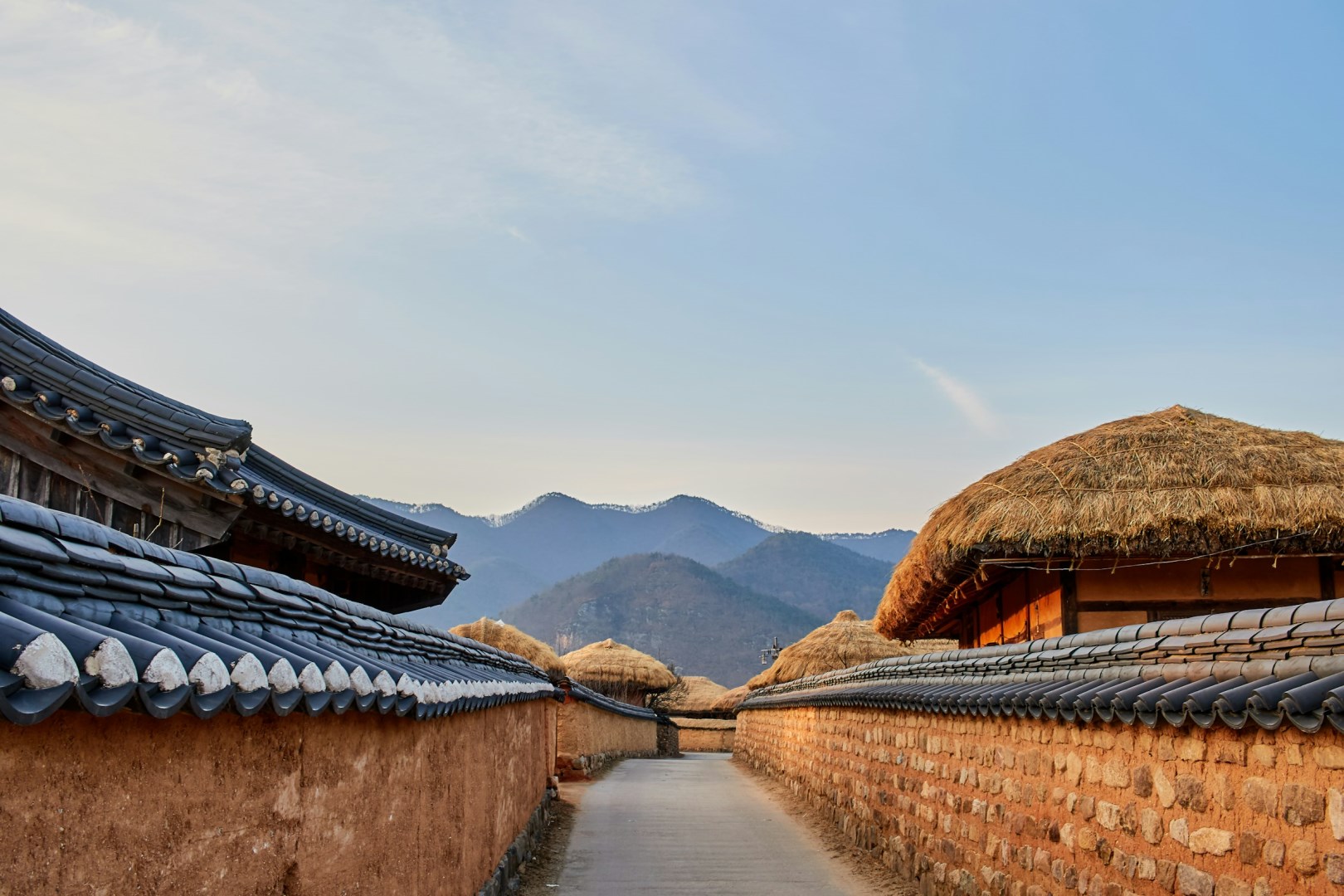
Andong-si is a city in North Gyeongsang Province known for its preserved traditions, Confucian heritage, and historic villages. The Nakdong River passes through the city, while surrounding hills and wooded areas shape its landscape. Andong is closely associated with Hahoe Folk Village, traditional mask dance, and Korean scholarly culture.
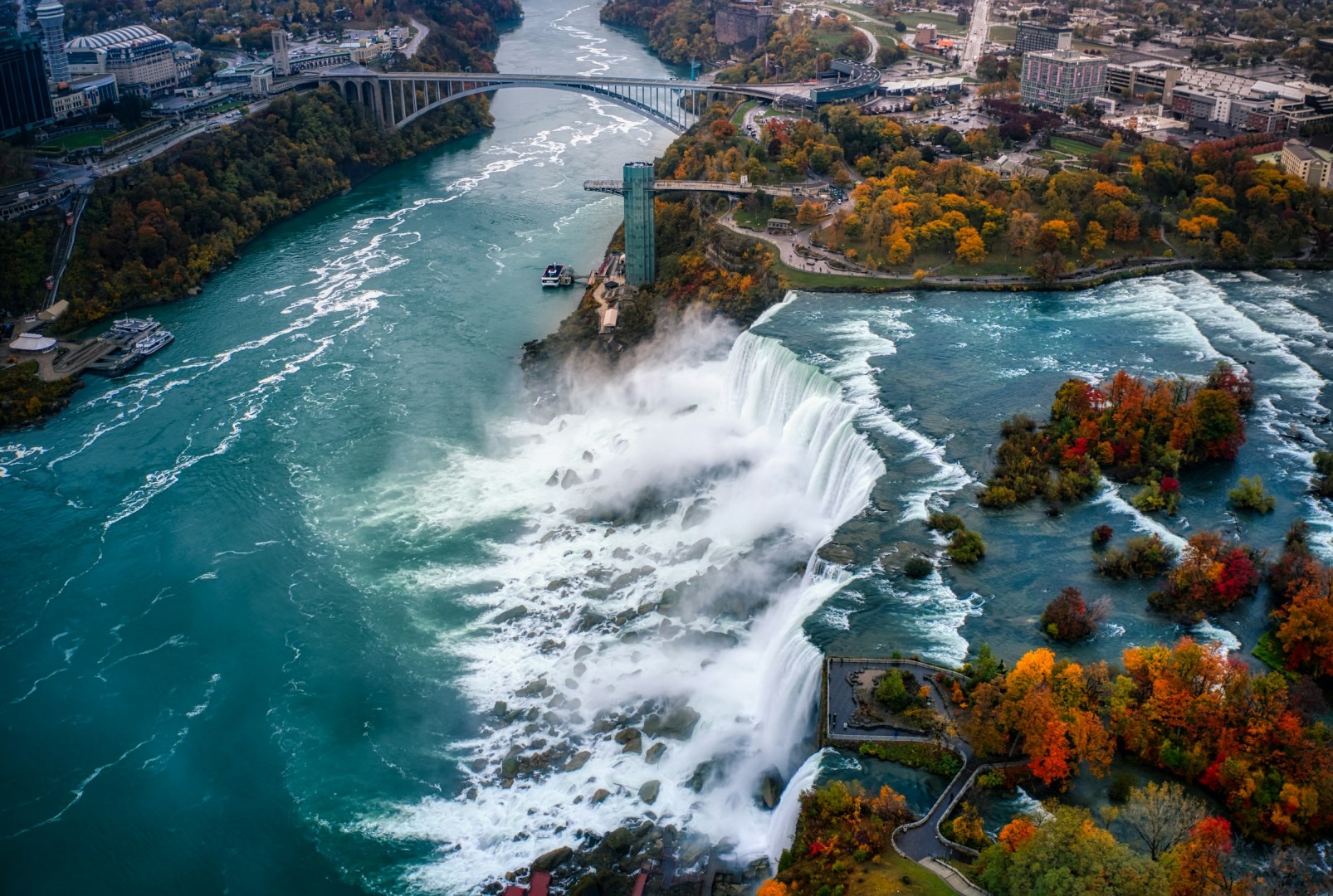
Niagara Falls
Niagara Falls, New York, is home to one of the most powerful natural spectacles in North America. More than 3,000 tons of water pour over the edge every second, creating a thunderous roar and a rising mist that can be felt from blocks away. Visitors can stand just feet from the American Falls at Prospect Point or take the iconic Maid of the Mist boat tour, which has operated since 1846 and now features all-electric vessels.

Roseau
Roseau, the lively capital of Dominica, is a city where history and nature coexist in striking harmony. Established on the site of an ancient Kalinago settlement, the town reflects its colonial past through French-inspired architecture, colorful buildings, and historic churches.
Anacortes
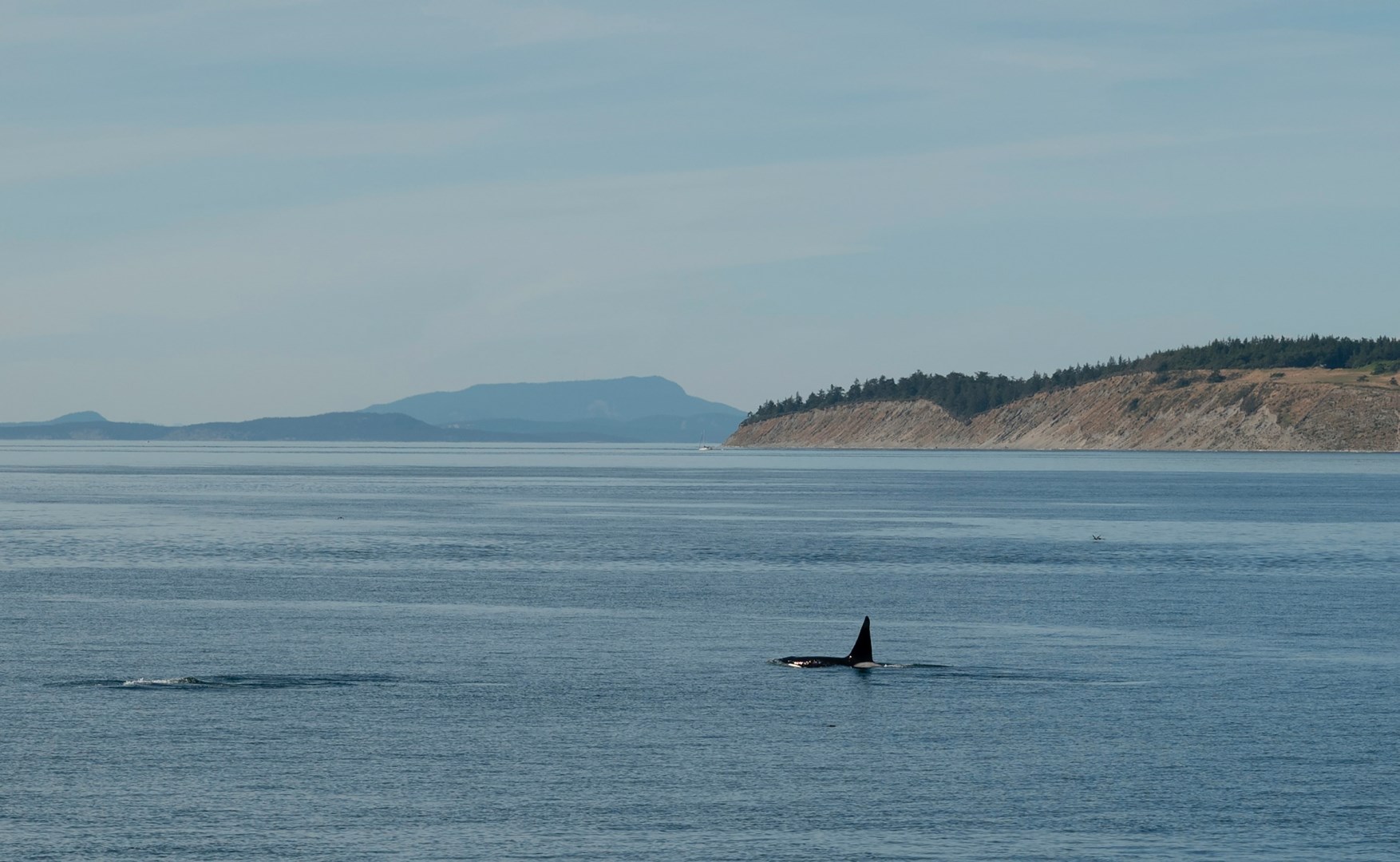
Located North of Seattle, Anacortes is the jump-off point for the fabulous San Juan Islands. The Washington State Ferries take you to the Islands and to Vancouver Island, Canada.Great fishing and sightseeing.