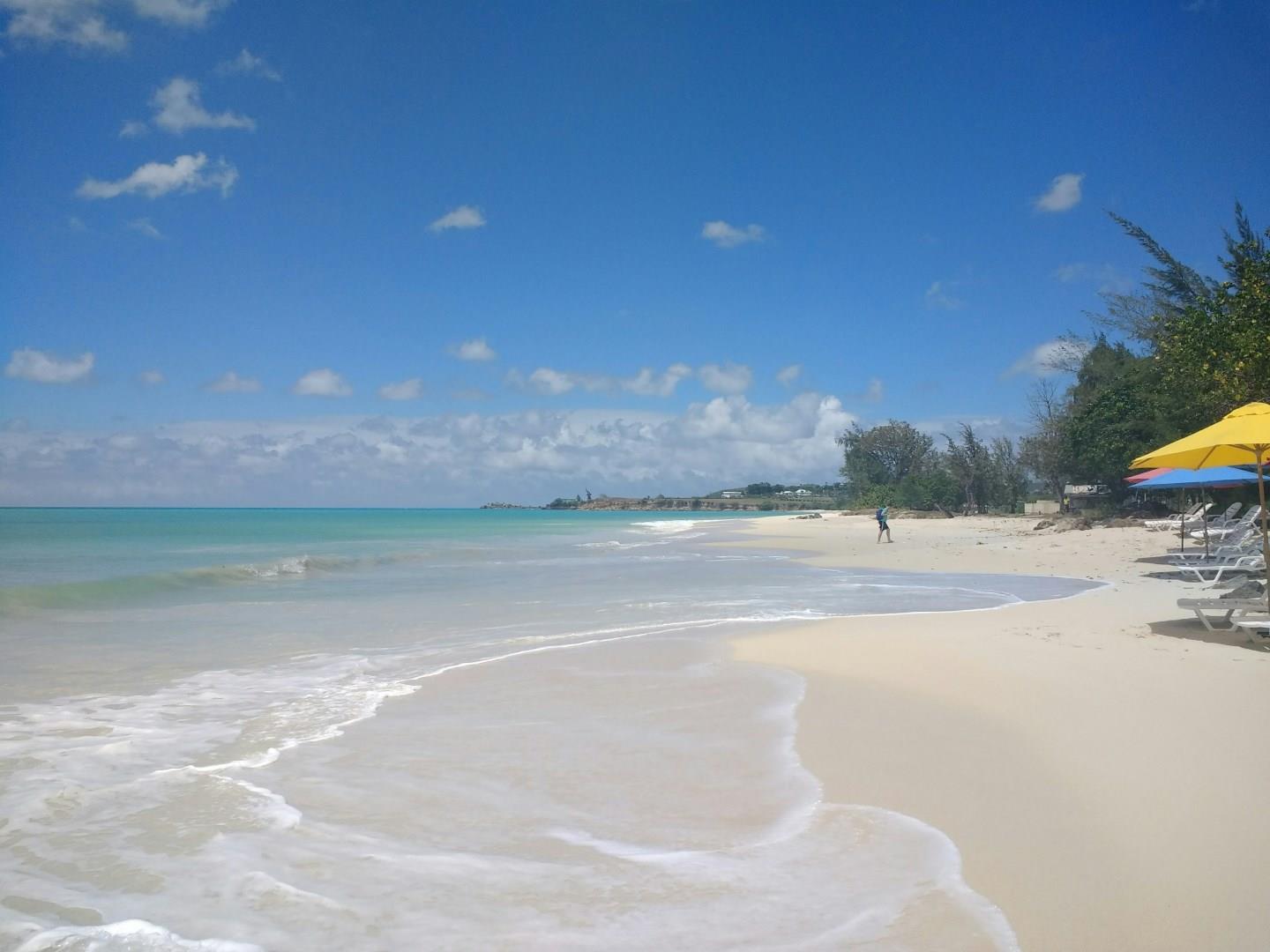
Fort James Beach
Fort James Beach, just outside St. John’s in Antigua, is a long stretch of soft white sand framed by calm, turquoise waters. The beach takes its name from nearby Fort James, a historic 18th-century British stronghold built to guard the harbor.

Lake Manyara
Nestled at the base of the Great Rift Valley, Lake Manyara is a hidden gem in northern Tanzania that offers an unforgettable safari experience. The lake is part of Lake Manyara National Park, which is known for its dramatic landscapes, from dense groundwater forests to grassy plains. Wildlife enthusiasts will be thrilled to explore this compact park, home to an impressive variety of animals, including elephants, hippos, and the famous tree-climbing lions.
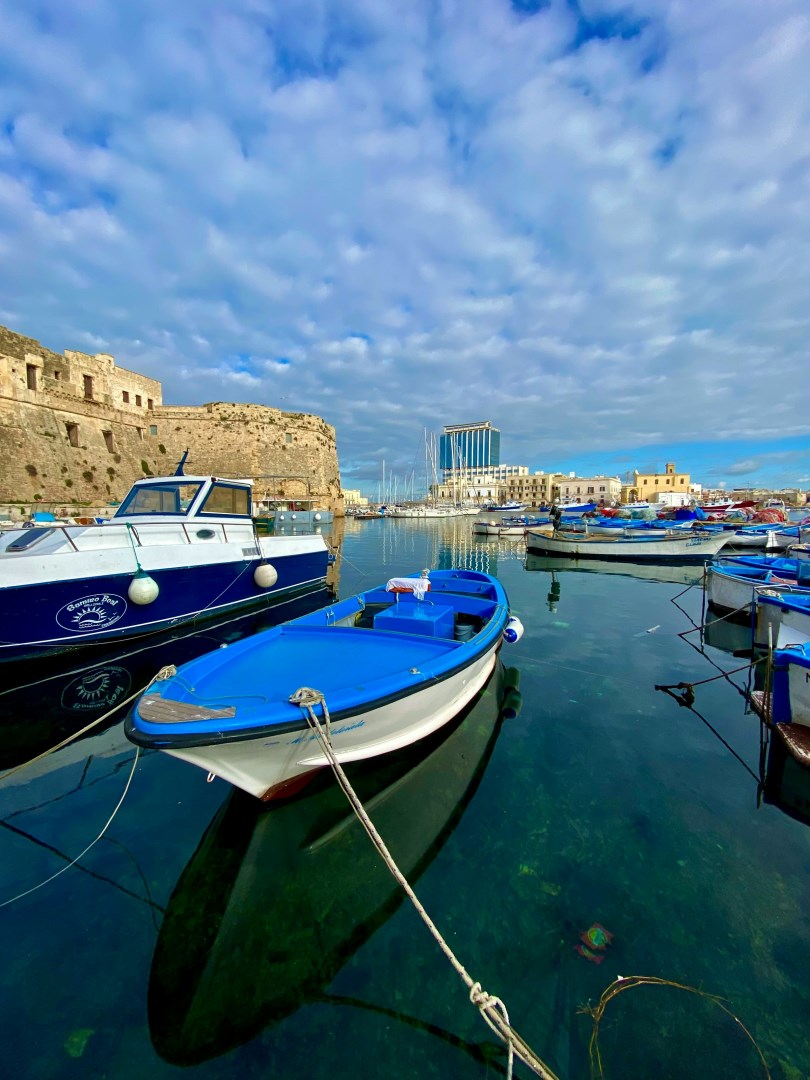
Gallipoli
Gallipoli is a coastal town in Puglia’s Salento peninsula, built around an old city that occupies a limestone island just offshore from the modern mainland. A bridge connects the historic island with the newer part of town, creating a distinctive layout shaped by the sea. The old center contains narrow streets, whitewashed buildings, small squares, churches, and remnants of defensive walls, while the waterfront opens toward the Ionian Sea.
Otavalo
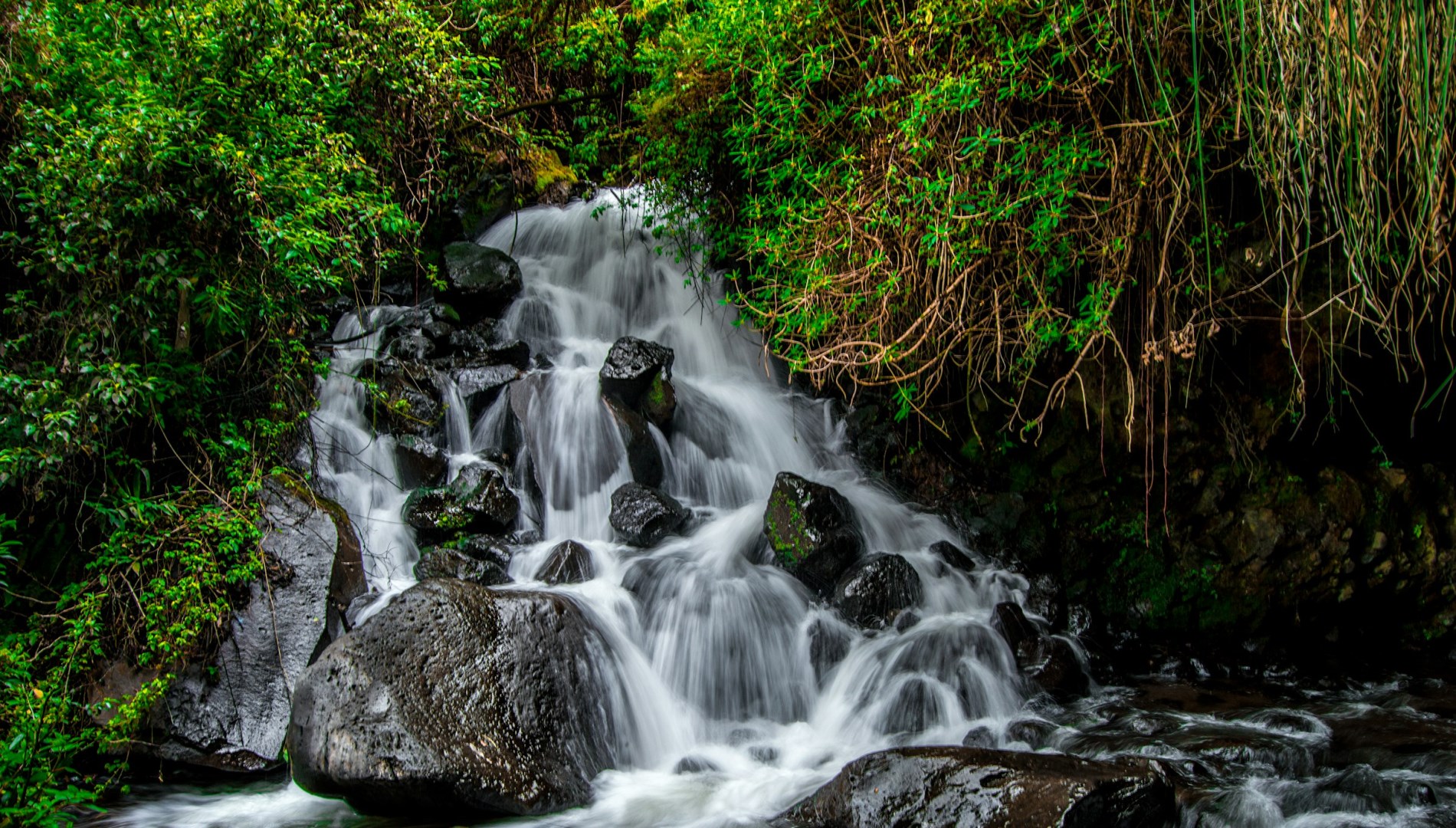
Otavalo is a city in Ecuador’s Imbabura Province, set in a high Andean valley surrounded by mountains, farmland, and volcanic landscapes. It is best known for its Indigenous Kichwa population and its long-standing textile and craft traditions. The city sits between Imbabura and Mojanda volcanoes, with the peaks of the surrounding Andes visible from many parts of the valley.
Sun City
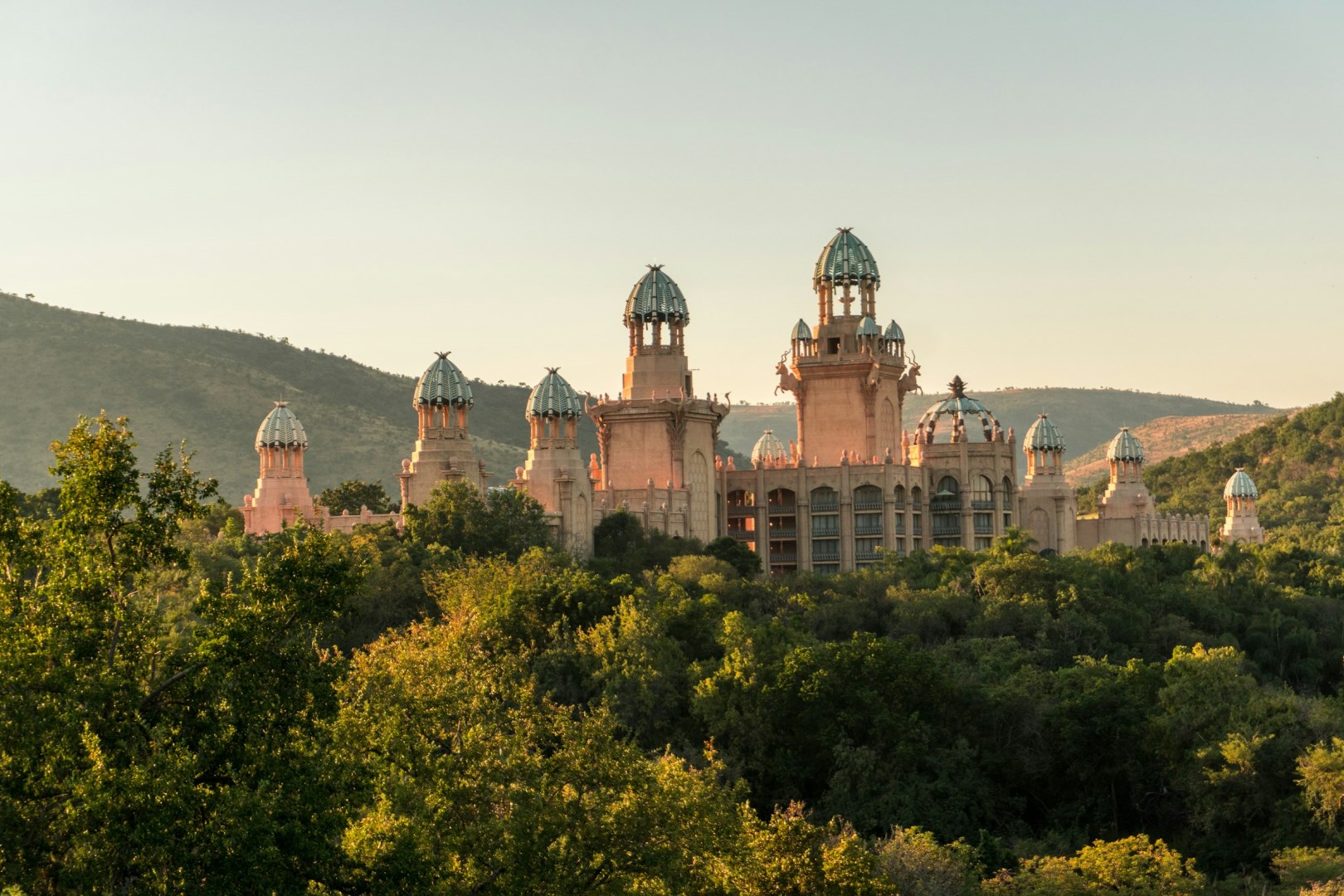
Suncity South Africa is internationally renowned as Africa 's premier holiday resort. Suncity offers a myriad of different entertainment and relaxation opportunities, as well as enough attractions and activities to keep everyone busy.