

Brazil
Brazil is a country that moves to its own rhythm whether it be samba, bossa nova, the roar of waterfalls or the quiet of the rainforest. Stretching from the Amazon Basin to the Atlantic coastline, Brazil offers both iconic cityscapes and vast natural frontiers. In Rio de Janeiro, visitors can ride a cable car up to Sugarloaf Mountain, watch the sunset from Arpoador, or join a drumbeat-filled bloco during Carnival, where the streets turn into one massive celebration of music, movement, and color.
Bulawayo
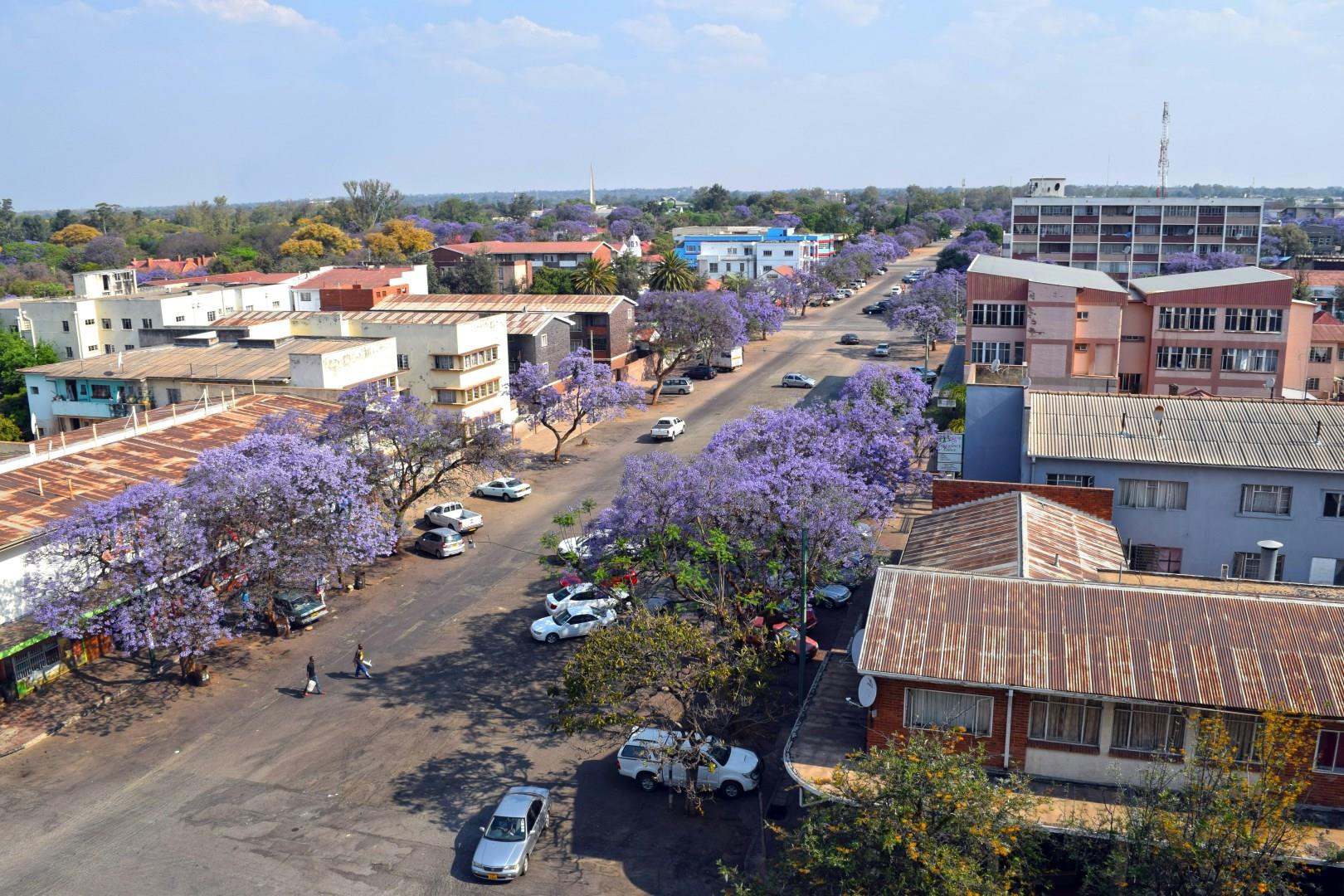
Bulawayo is Zimbabwe’s second-largest city and a place where industrial heritage and deep cultural roots intersect. Founded near the former capital of the Ndebele kingdom, the city carries strong historical significance tied to King Lobengula and the resistance to colonial expansion.
Moremi Wildlife Reserve
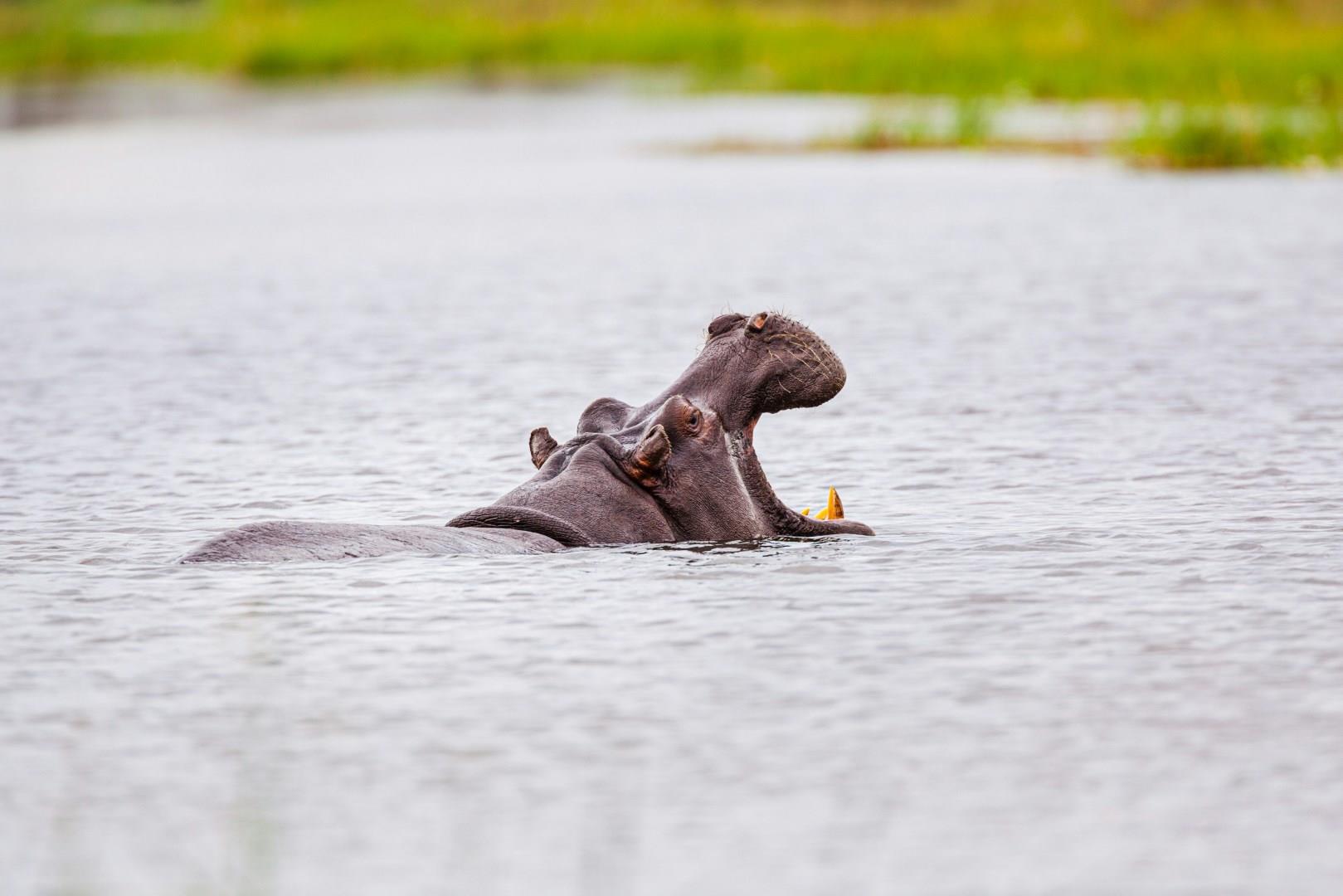
Moremi Wildlife Reserve, nestled in the heart of Botswana’s Okavango Delta, is a premier destination for those seeking an extraordinary safari experience. This pristine reserve, established in 1963, offers a rich tapestry of landscapes including lush floodplains, verdant woodlands, and expansive lagoons. Its diverse ecosystems make it one of Africa's most sought-after wildlife viewing locations.
Bora Bora
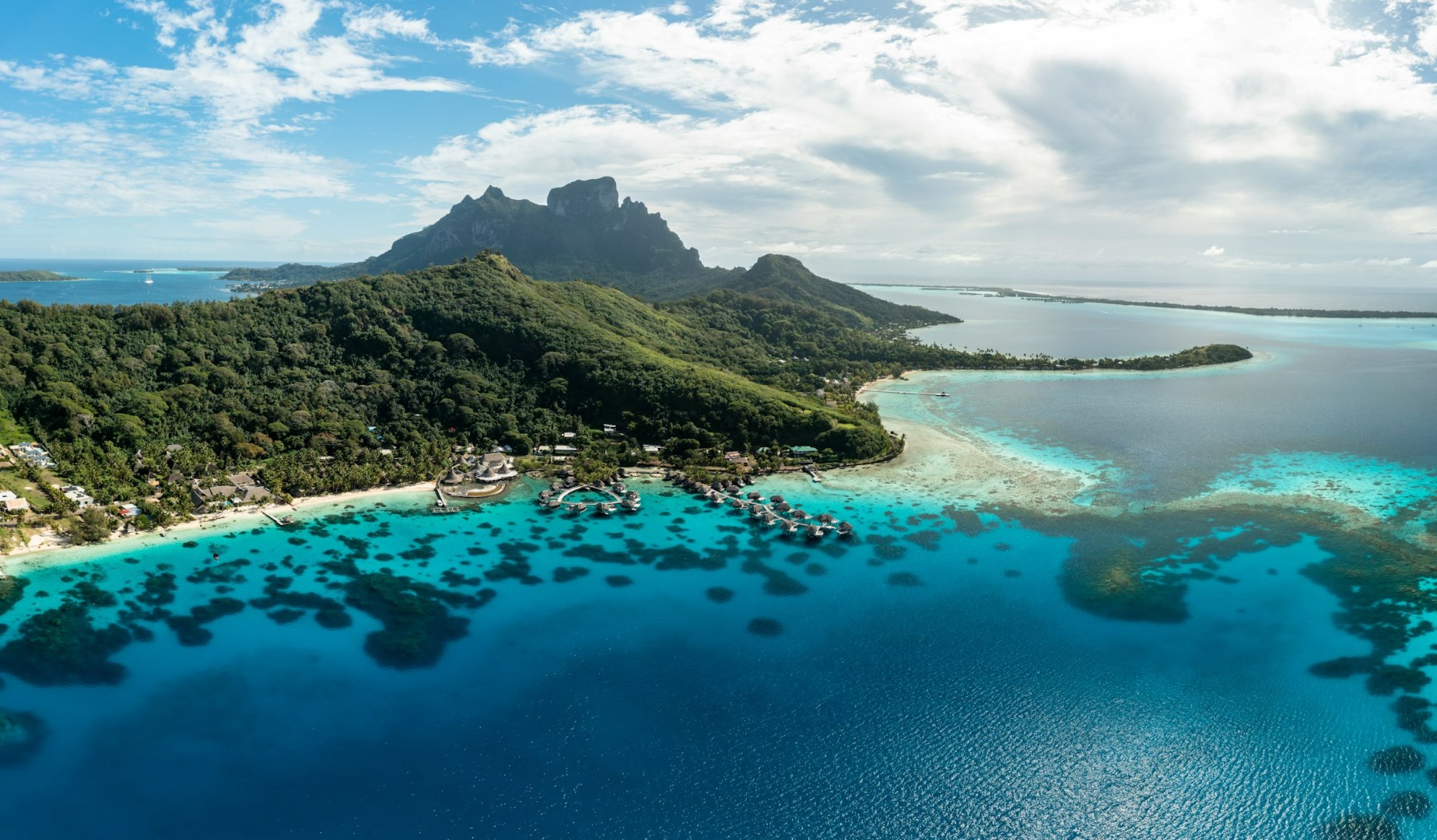
Bora Bora, often referred to as the "Jewel of the South Seas," is the epitome of tropical luxury. Nestled in the Society Islands of French Polynesia, this idyllic island is famed for its stunning turquoise lagoon, ringed by a barrier reef and dotted with overwater bungalows.

Brisbane
Culture, dining and nightlife are just a few of the reasons to find yourself in sunny Brisbane. This sprawling, constantly-evolving river city is for the young and the young at heart. Shop at the outdoor markets, where you'll find fashion, crafts and produce. Beaches are the order of the day here, too, with North Stradbroke Island and Moreton Island attracting hordes of sunbathers.


