
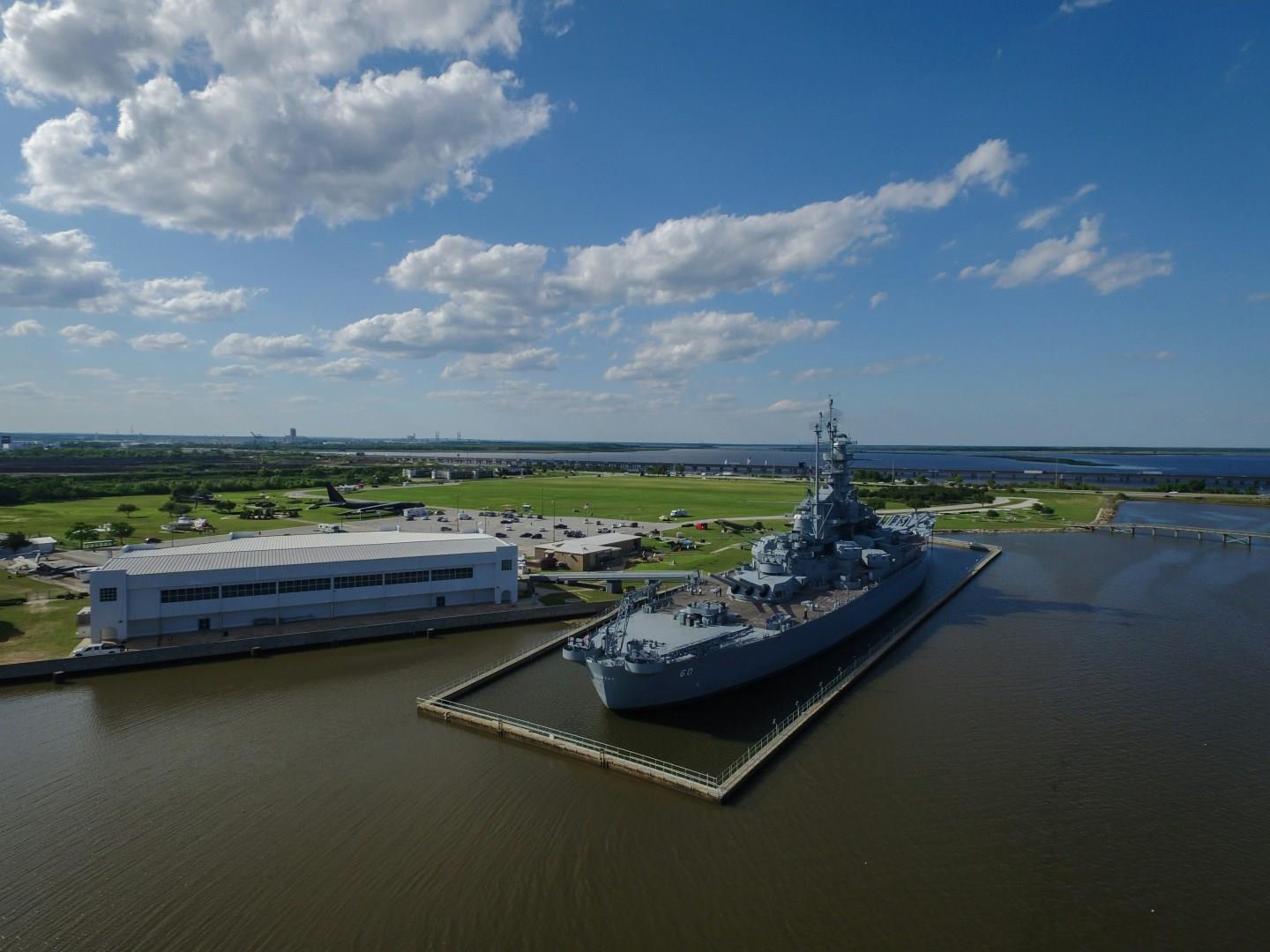
Mobile
Mobile, Alabama, offers a unique blend of Southern charm, rich history, and vibrant culture, making it an enticing destination for travelers. Situated along the Gulf Coast, Mobile is known for its well-preserved antebellum architecture and its role in America's early history. Visitors can explore the Mobile Historic District with its beautiful oak-lined streets and stately homes, or visit the USS Alabama Battleship Memorial Park to tour a World War II-era battleship, submarine, and aircraft, off

Rangiroa Atoll
Rangiroa’s beaches and stunning sunsets provide the perfect backdrop for relaxation. The lagoon is ideal for paddleboarding or taking a boat excursion to explore hidden coves.

Chaniá
Chania, the jewel of western Crete, is a city where history, culture, and natural beauty converge to create a captivating experience. Known for its Venetian harbor, Chania boasts a unique blend of Venetian, Ottoman, and Greek influences. The harbor's old lighthouse, built in the 16th century by the Venetians, stands as a timeless sentinel over the bustling waterfront, which is lined with colorful buildings, inviting cafes, and vibrant tavernas.
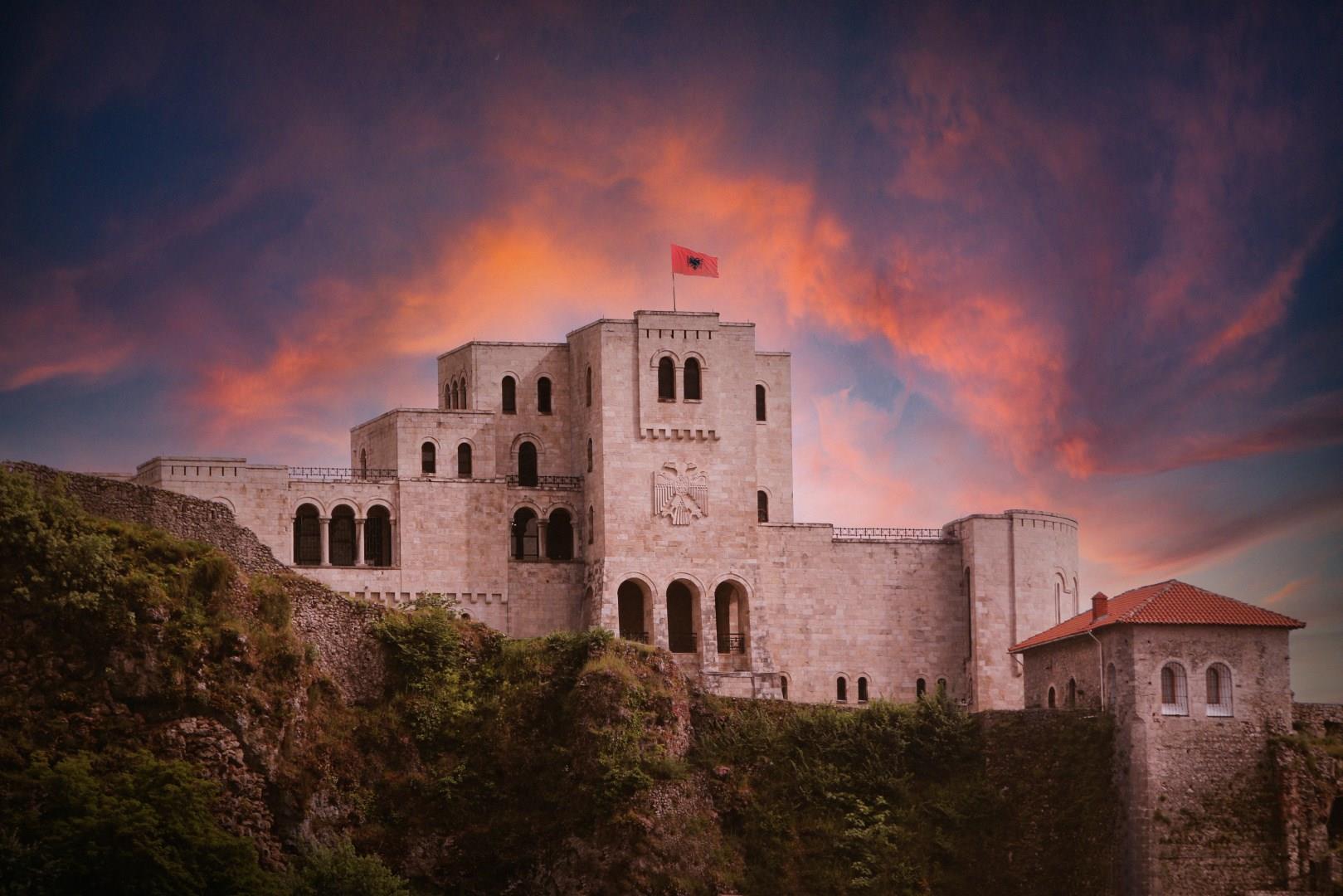
Krujë
Krujë sits on a rocky hilltop above central Albania and has long been a symbol of the country’s history and independence. At Krujë Castle ancient stone walls rise above the town and offer striking views of the surrounding hills and valleys, and inside the fortress visitors find the Skanderbeg Museum, where armor, documents and displays recount the life and battles of Albania’s national hero.
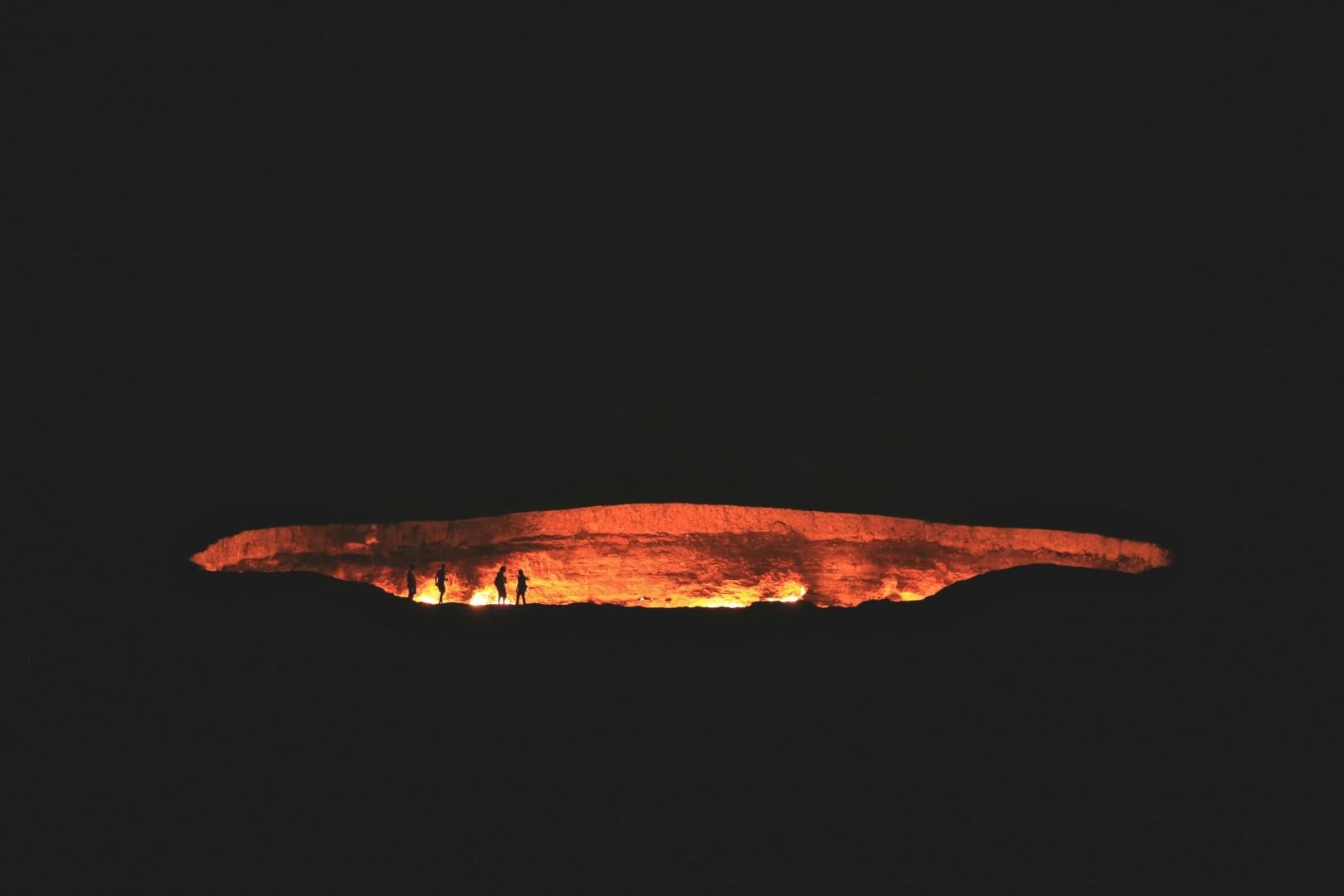
Darvaza
The Darvaza Gas Crater, famously nicknamed the “Door to Hell,” is one of Turkmenistan’s most extraordinary landmarks. Located deep in the Karakum Desert, this fiery pit has been burning continuously since the early 1970s, when Soviet engineers reportedly set fire to a collapsed natural gas field to prevent the spread of methane.


