Suez
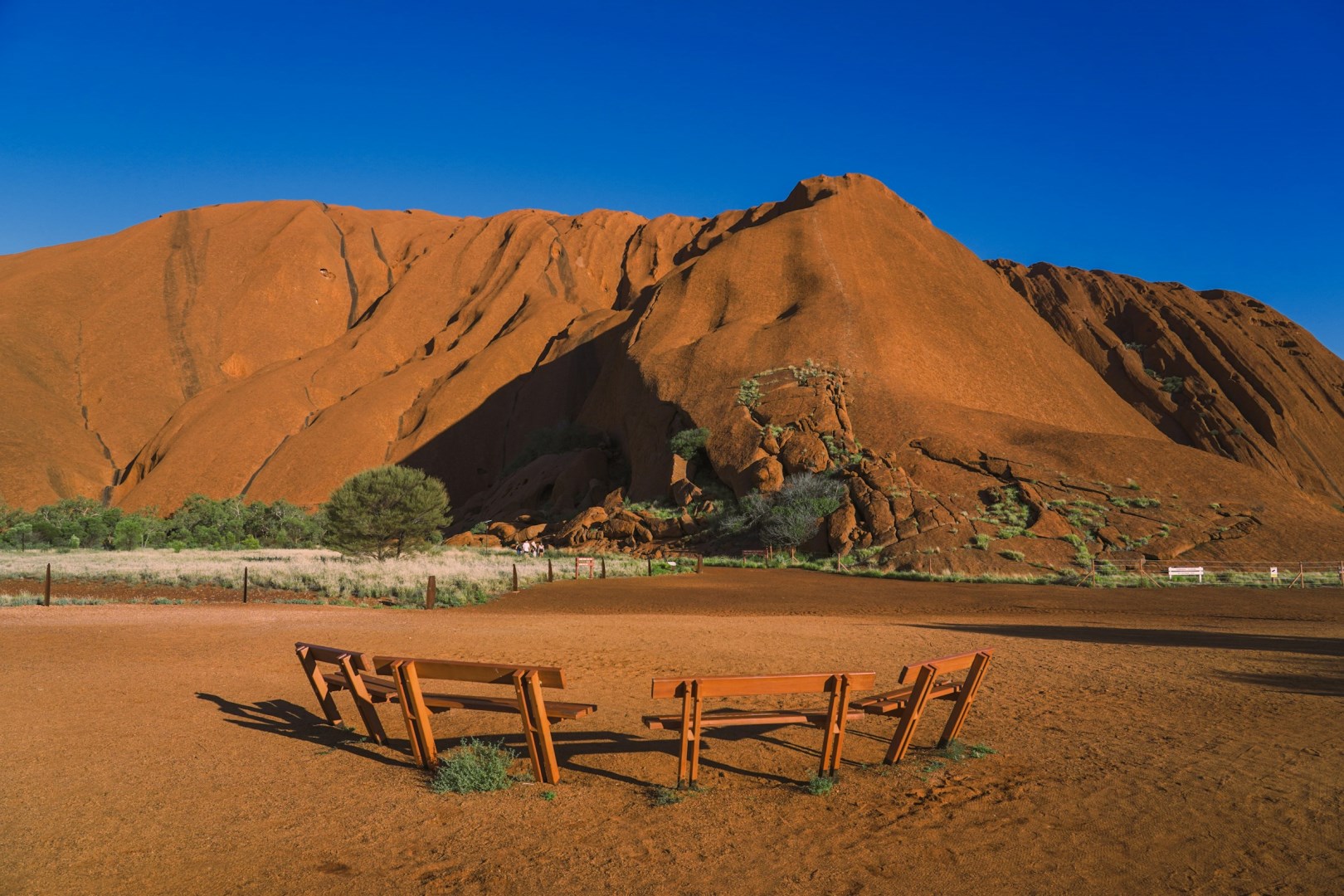
Suez, Egypt, is a city of historical significance and strategic importance, making it an intriguing destination for travelers. Located at the southern end of the Suez Canal, this city has been a key player in global trade and naval history for over a century. Suez is not only a gateway to the world-renowned canal but also a place rich in history and culture.

Basseterre
Nestled under the imposing view of volcanic Mount Liamuiga, charming Basseterre is the best place to begin your next Caribbean adventure to St. Kitts. From the island’s untouched natural beauty, best seen by boarding the famous St. Kitts Scenic Railway, to the glittering beaches of Frigate Bay, perfect for snorkeling and jet skiing, there are plenty of excursions guaranteed to thrill you in Basseterre. Be sure to stop by the city center to visit Independence Square or venture thirty minutes outs
Safaga
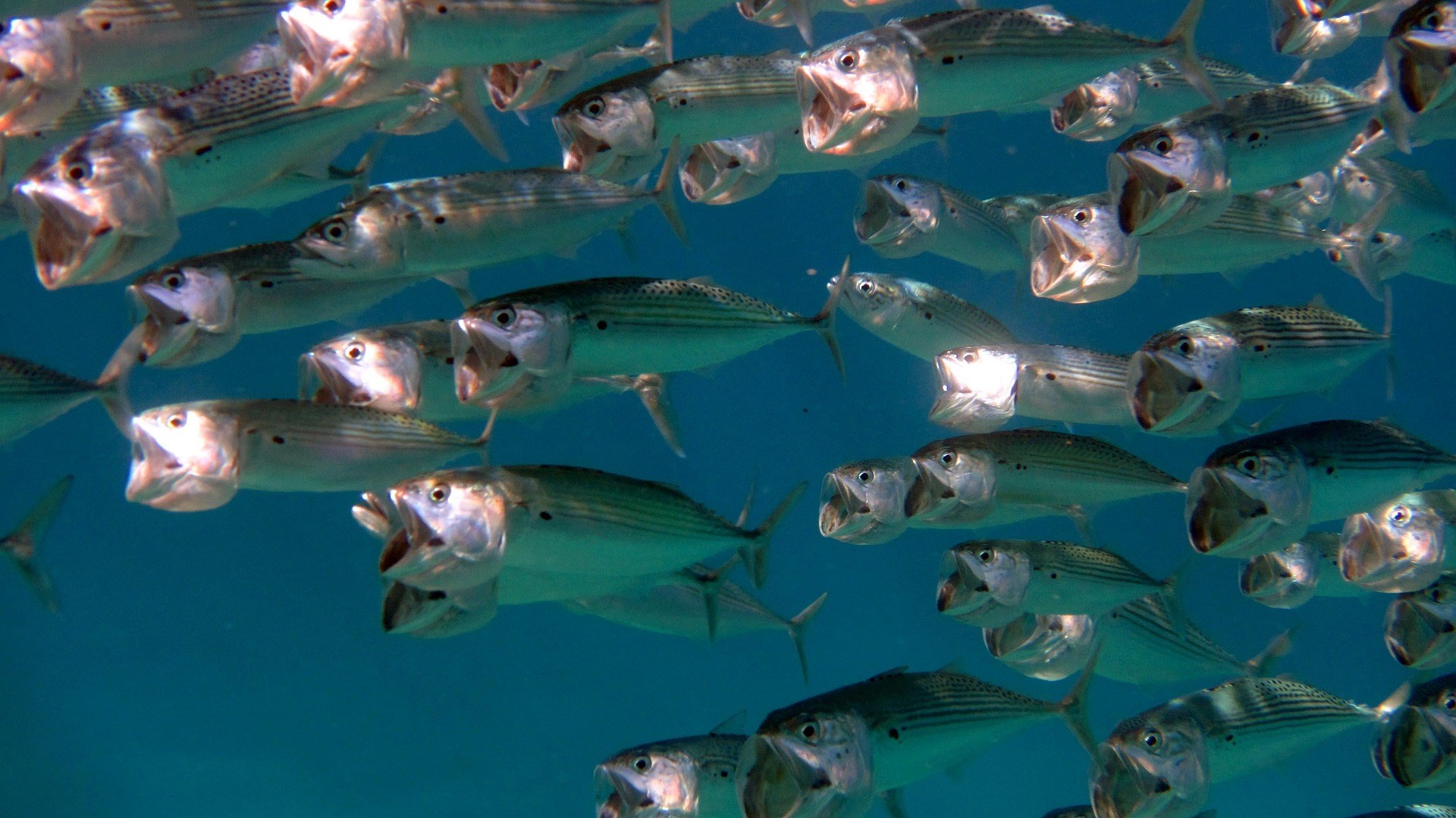
Safaga, located on the Red Sea coast of Egypt, is a gem for those seeking both relaxation and adventure. Known for its beautiful beaches and crystal-clear waters, Safaga is a top destination for scuba diving and snorkeling enthusiasts. The vibrant coral reefs and diverse marine life of the Red Sea make it a paradise for underwater exploration.

Serengeti
Serengeti, Tanzania, is a jewel of the African continent, renowned for its spectacular wildlife and breathtaking landscapes. This iconic destination is synonymous with the Great Migration, one of nature’s most awe-inspiring events. Each year, millions of wildebeest, zebras, and gazelles traverse the Serengeti’s vast plains in search of fresh grazing grounds, creating a dramatic and unforgettable spectacle.

Cobh
Cobh, a colorful harbor town in County Cork, holds a unique place in Irish history and maritime heritage. Once known as Queenstown, it was the final port of call for the Titanic in 1912. Today, the Titanic Experience Cobh offers visitors a chance to step into the footsteps of the 123 passengers who boarded that day. Located in the original White Star Line ticket office, the museum tells personal stories of those who left from this very spot, blending interactive exhibits with original artifacts.