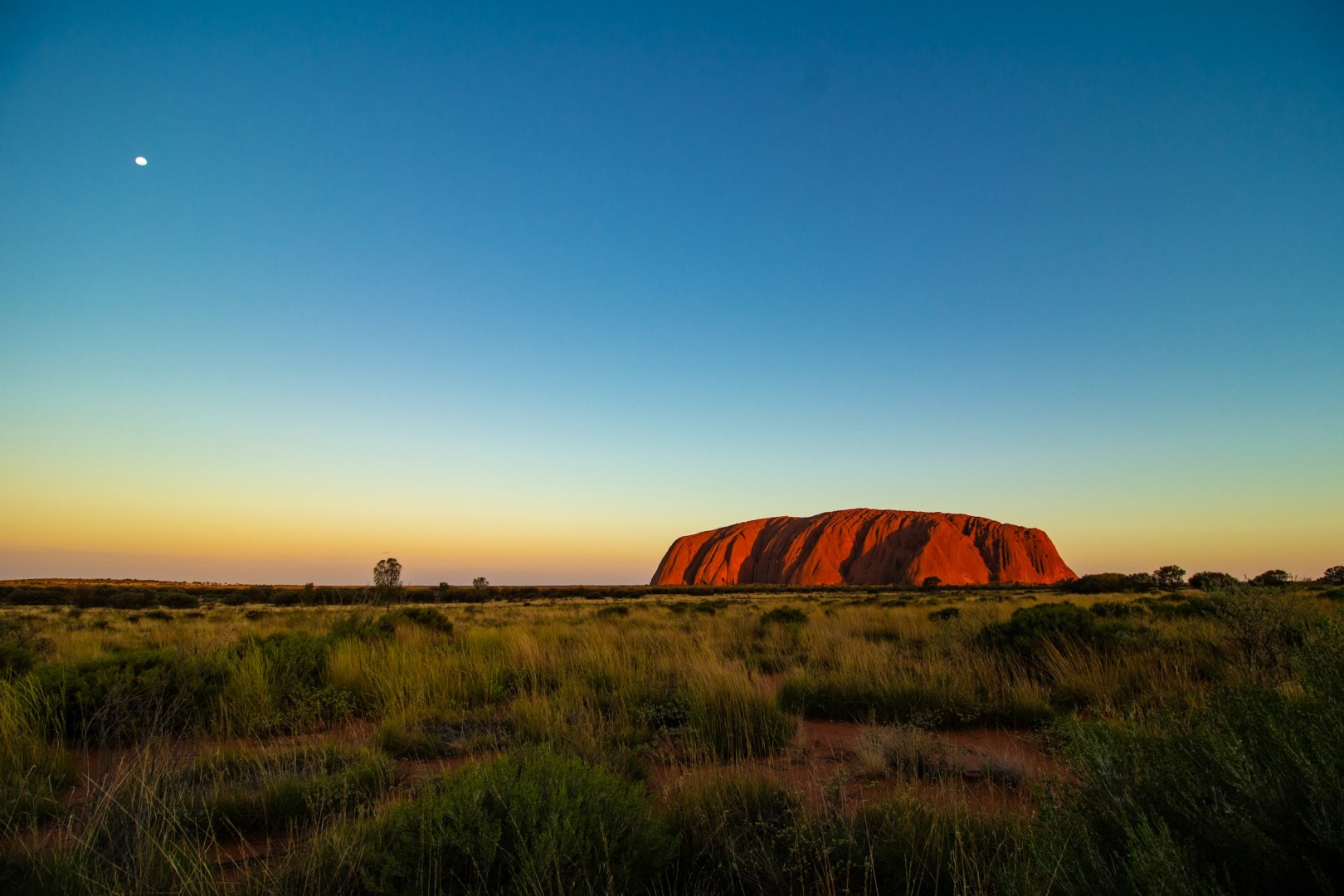
Anchorage
Alaska's largest city is the perfect place for anyone who wants a vacation filled with wildlife, outdoor activities, glaciers and gorgeous parks. Explore the rich culture and history of the indigenous people at the Alaska Native Heritage Center, hike the exquisite landscape of Flattop Mountain and finish the day with one of the many diverse restaurants and local beers.
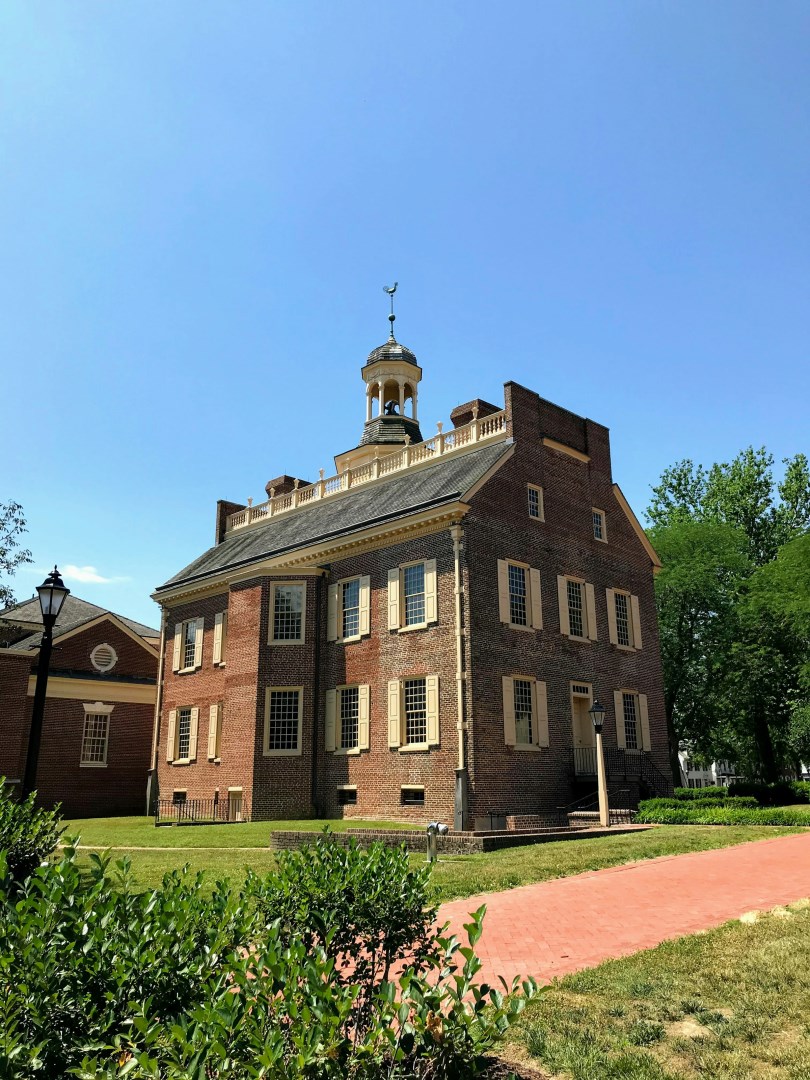
Dover
Dover, the capital of Delaware, is a charming city that blends rich American history with vibrant modern culture. A must-visit for history buffs is the First State Heritage Park, often called "Delaware's first urban park." This park connects many of Dover's historic landmarks, including Legislative Hall, the state's Capitol building, where you can explore Delaware's political past.
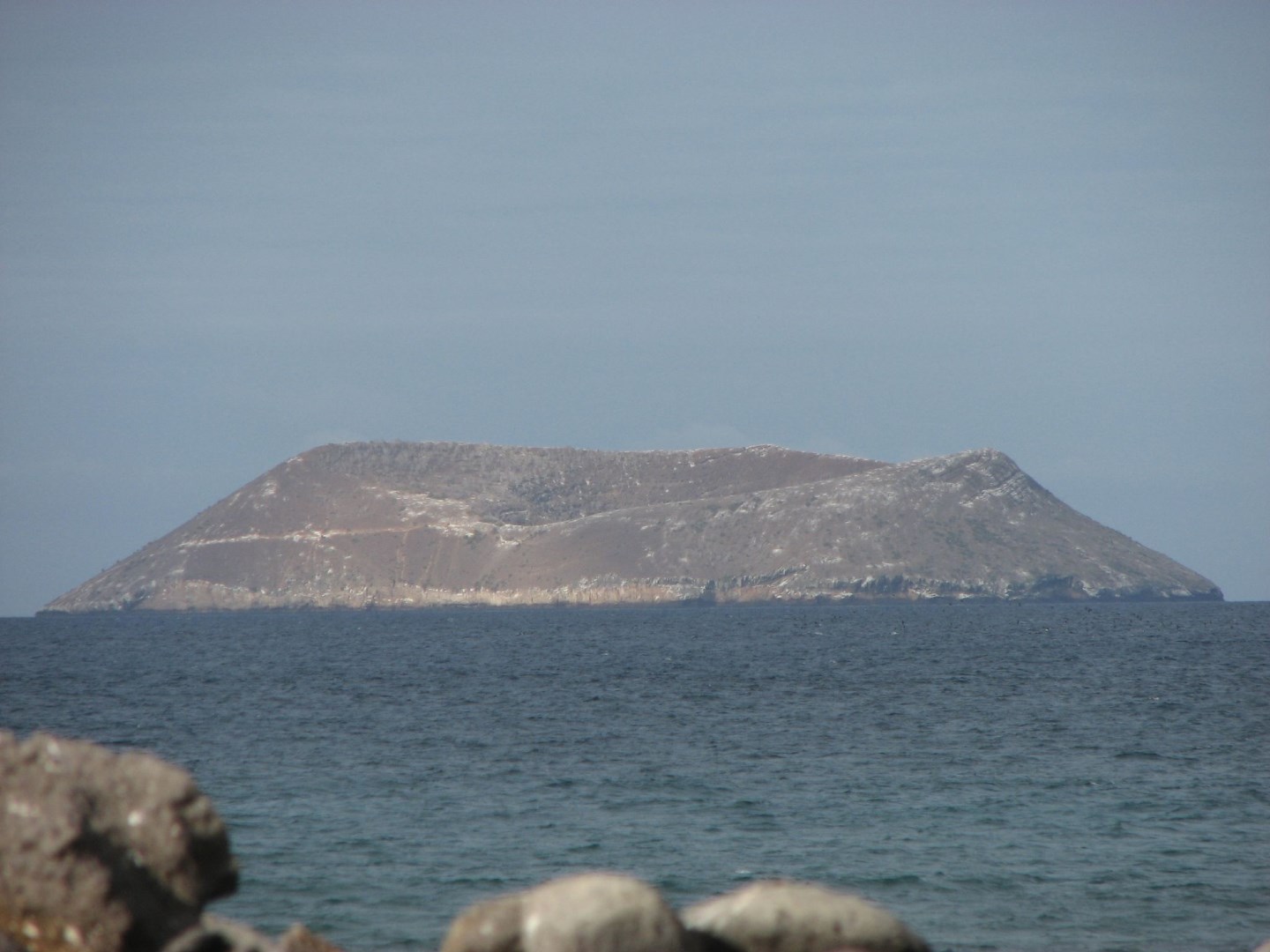
Daphne Major
Daphne Major is a small volcanic island in the Galápagos archipelago of Ecuador, located northwest of Santa Cruz Island. It rises steeply from the ocean, forming a crater-like shape with cliffs surrounding much of its coastline.

Caudebec
Set along the Seine, Caudebec-en-Caux is notable for its dramatic Notre-Dame church and Maison des Templier (The Templars' House).

Costa Rica
Costa Rica is a country that has built its identity around both natural preservation and cultural vibrancy. Known for its stable democracy and emphasis on sustainability, it has become a global leader in eco-tourism.