Roscommon
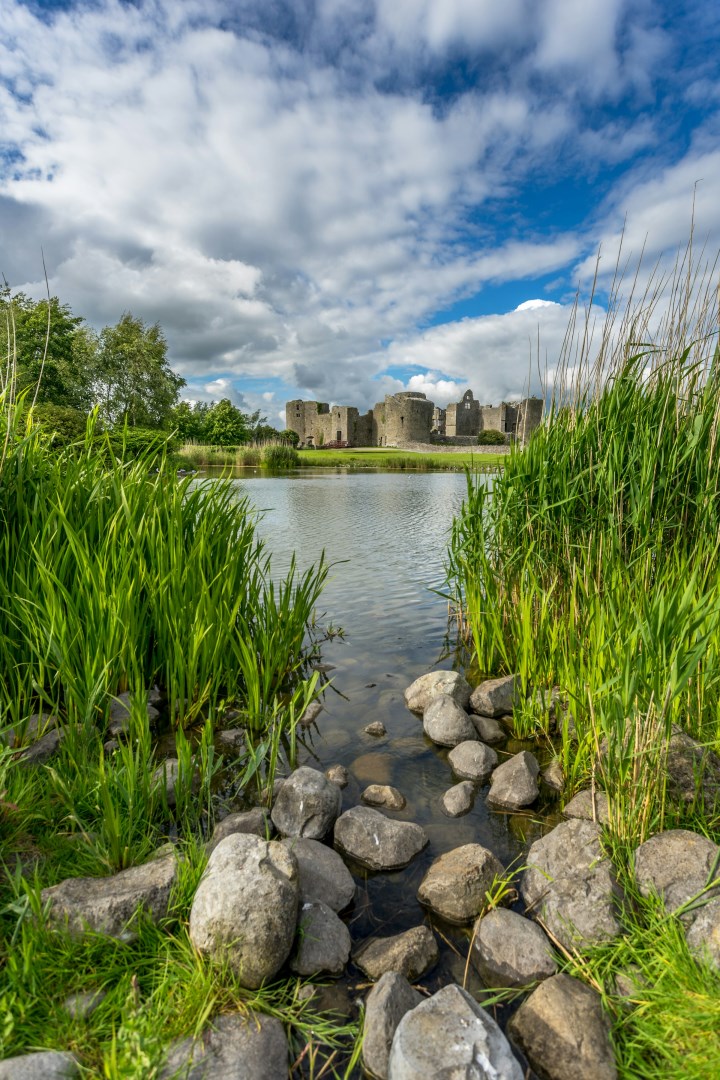
Roscommon is a county town in Ireland’s Hidden Heartlands, surrounded by the rural landscapes of central Ireland. The town is known for its collection of historic buildings and its position within a wider countryside of lakes, rivers, woodland, and farmland. Roscommon Castle, a substantial medieval fortress, stands beside Loughnaneane Park, while Roscommon Abbey and the former gaol add further layers to the town’s architectural heritage.
Kalaat M'Gouna
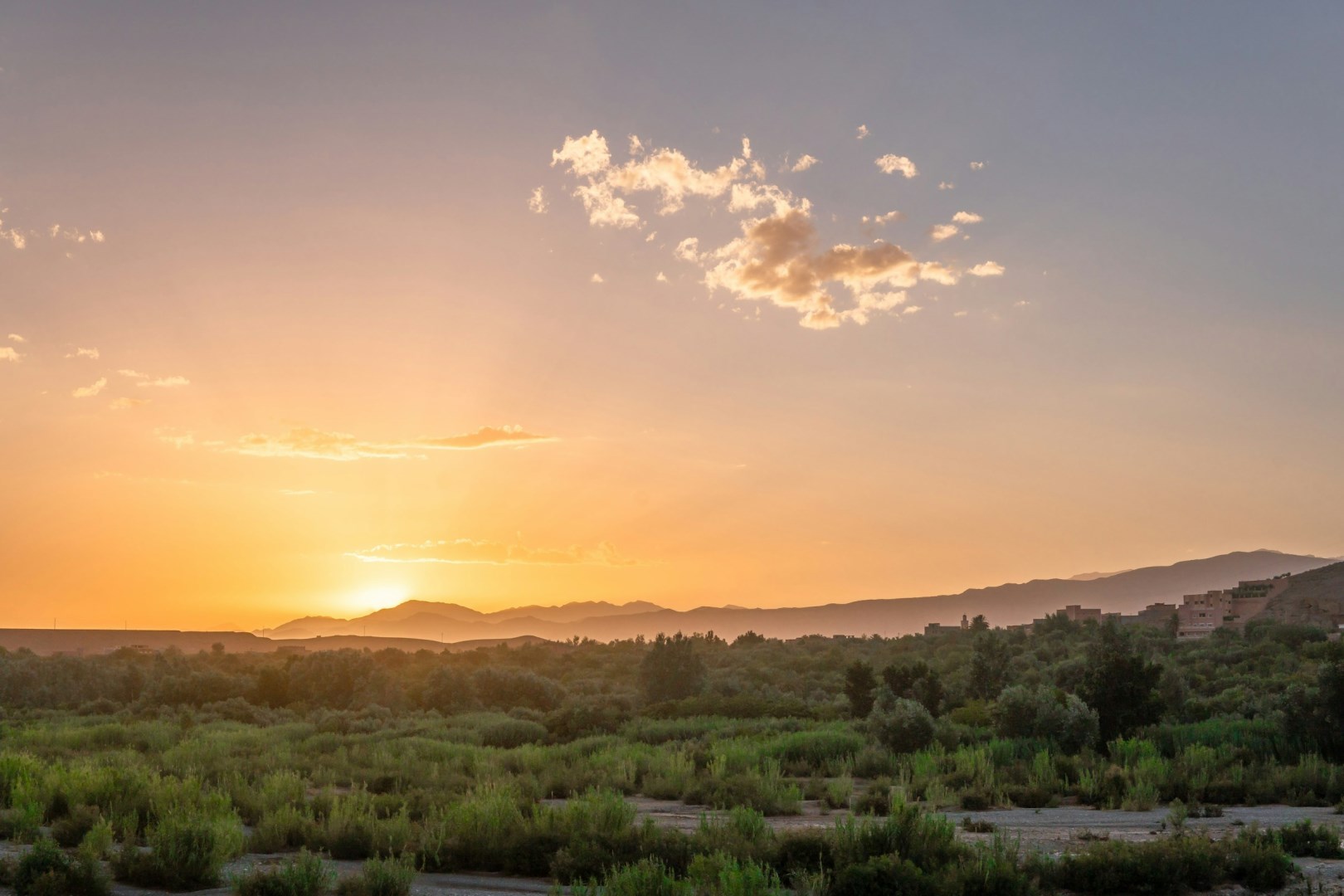
Kalaat M'Gouna is a town in Morocco set in the Valley of Roses between the High Atlas and Jbel Saghro mountain ranges. It lies near the Dadès Valley, where irrigated fields and settlements form green corridors through an otherwise dry, rocky landscape.
Gabon
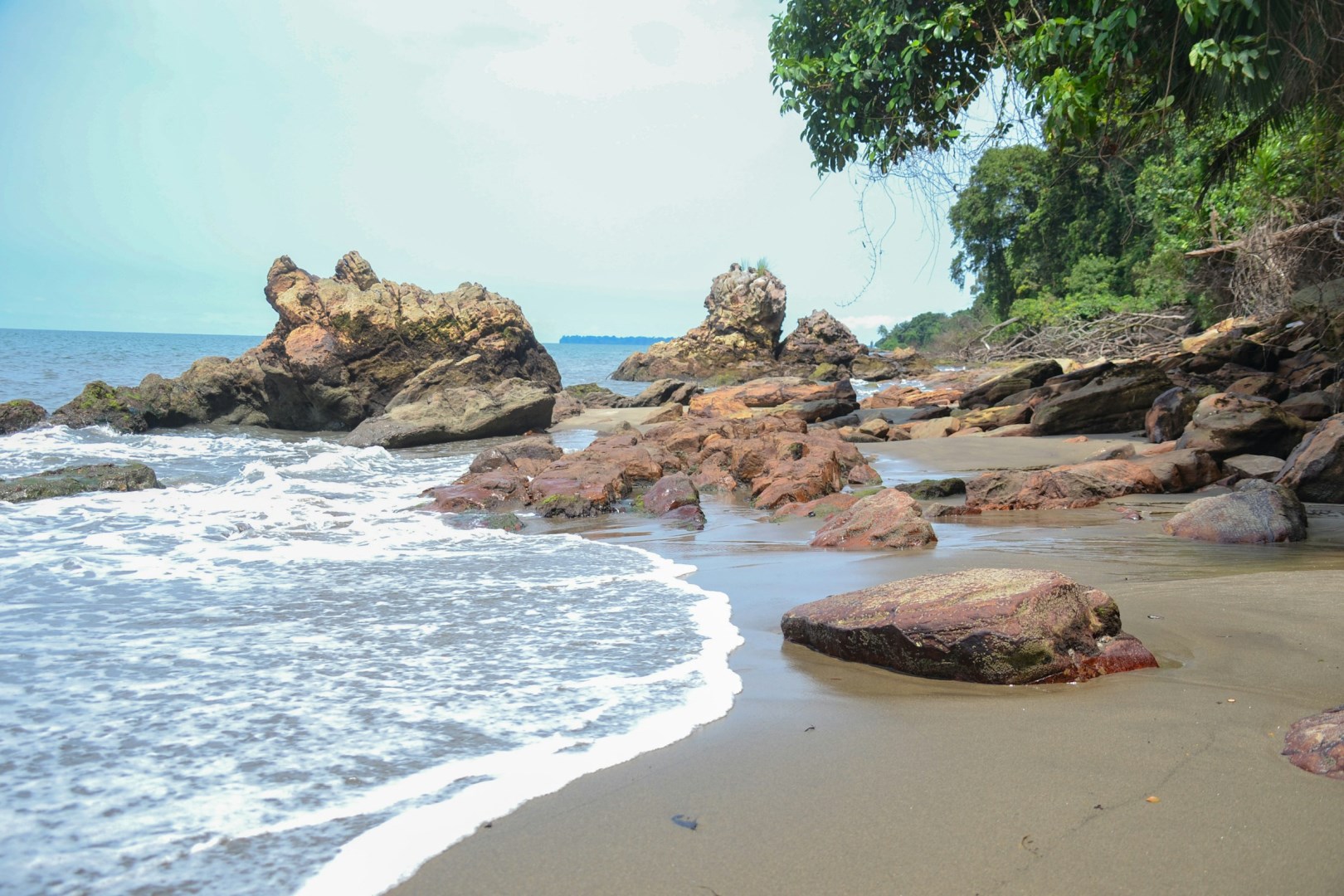
Gabon, located on the west coast of Central Africa, is a country of lush rainforests, vast savannas, and a pristine Atlantic coastline. Despite its small population, it is home to remarkable biodiversity, including gorillas, chimpanzees, forest elephants, and countless bird species. National parks such as Loango and Ivindo protect these habitats, offering visitors a chance to experience Africa’s wildlife in relatively untouched landscapes.
Orpheus Island
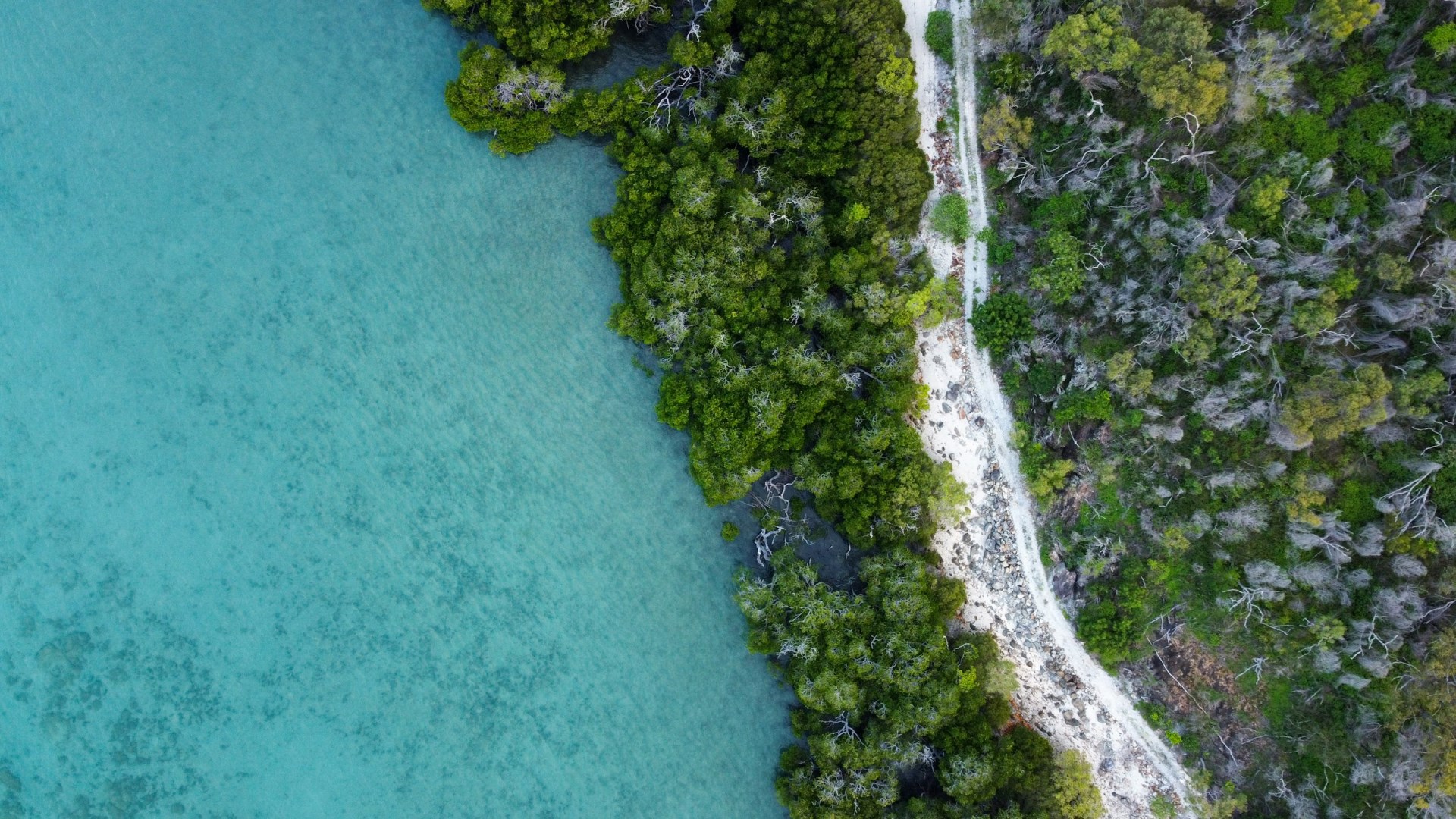
Orpheus Island is totally unspoilt and has its own National Park. Beautiful sunny beaches offer you total seclusion. You can also enjoy sailing, windsurfing, snorkeling and coral viewing. A choice of beach-front bures or studios, along with some of the fines food and wine selections in Australia, make Orpheus a great choice for your island stop over.
Medan
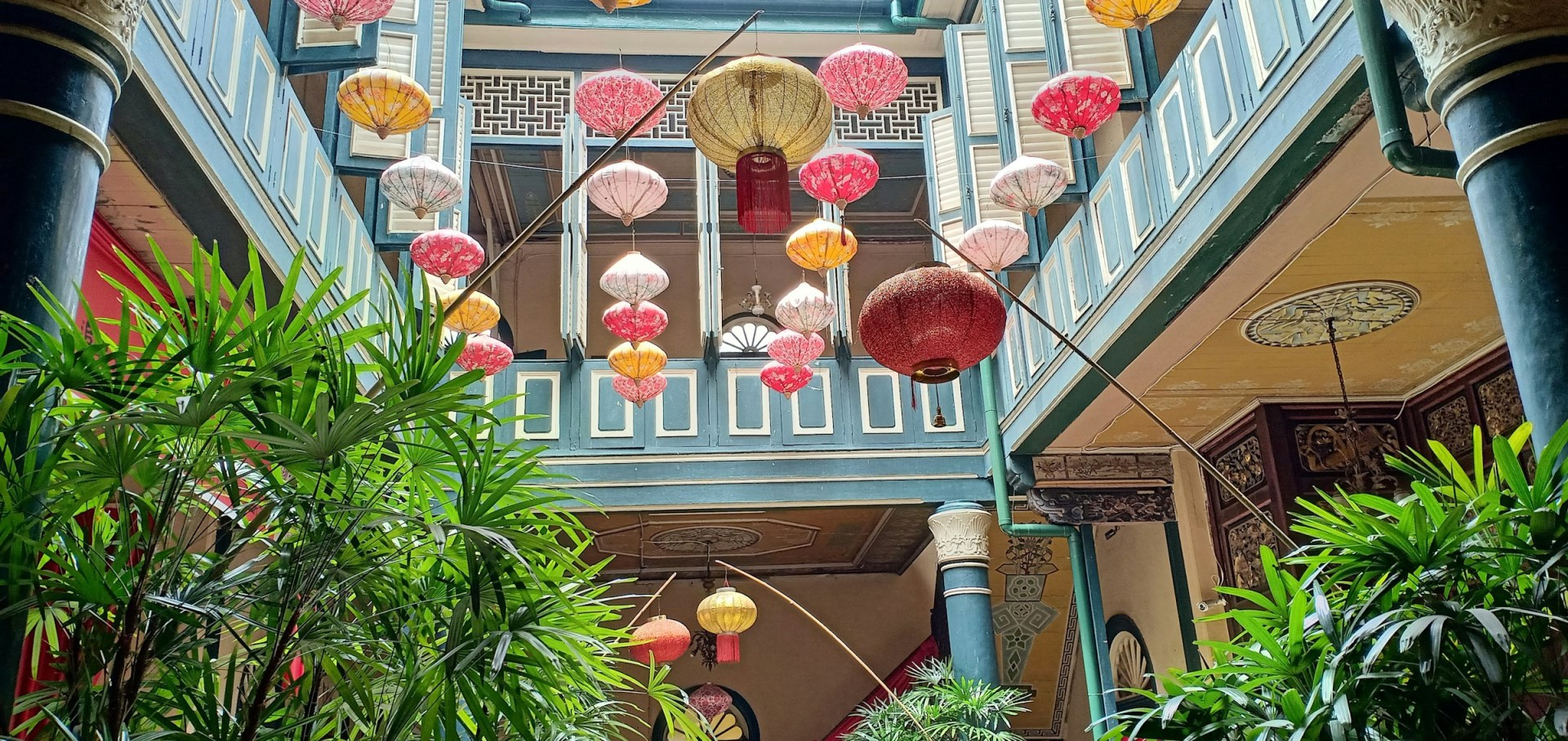
Medan is the capital of north Sumatra and the third largest city in Indonesia. It is a huge, sprawling city and a popular entry/exit point for travellers. The solid Dutch buildings of the affluent older suburbs inspire images of bloated bureaucrats and burghers from the colonial era, while jerry-built lean-tos house the bulk of its population.