

El Calafate
El Calafate, a small town in southern Patagonia, serves as the main gateway to one of Argentina’s most spectacular natural wonders, the Los Glaciares National Park. Sitting on the shores of Lake Argentino, El Calafate was once a quiet outpost known mainly for sheep farming and the hardy calafate berry. Today, it attracts travelers from around the world who come to witness massive ice formations and the shifting blue walls of nearby glaciers.
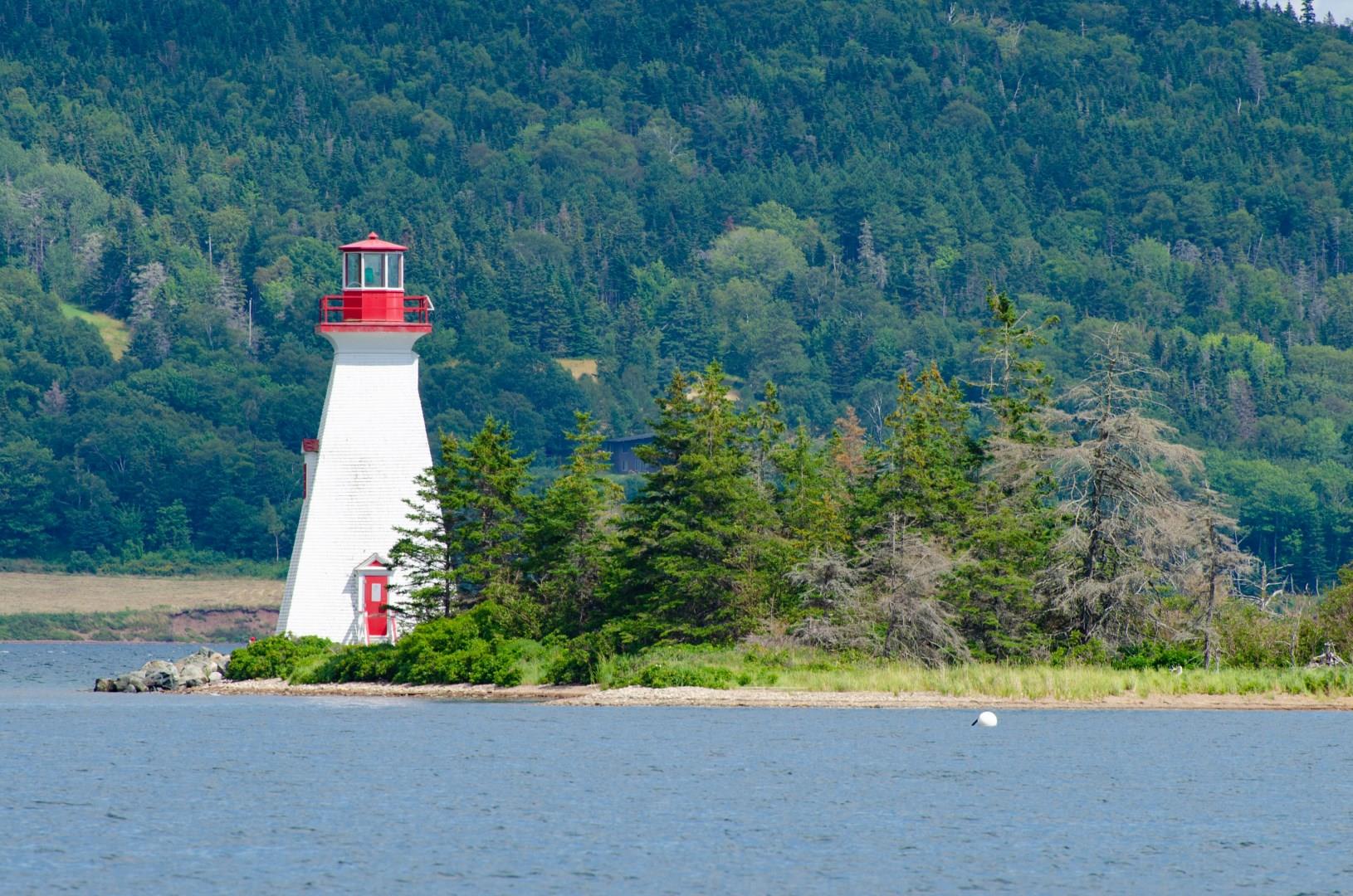
Baddeck, Cape Breton Island
Baddeck sits along the calm waters of the Bras d’Or Lake on Cape Breton Island in Nova Scotia, a village with deep roots and stories to tell. Its name comes from an Indigenous word thought to mean “place with an island near,” a nod to nearby Kidston Island and the long history of the Mi’kmaq people in the area. A highlight for many visitors is the Alexander Graham Bell National Historic Site, where the legacy of one of history’s most inventive minds comes alive.

Great Barrier Reef
The Great Barrier Reef stretches along Australia’s northeast coast, forming the largest coral reef system on Earth and one of the planet’s most complex living ecosystems.
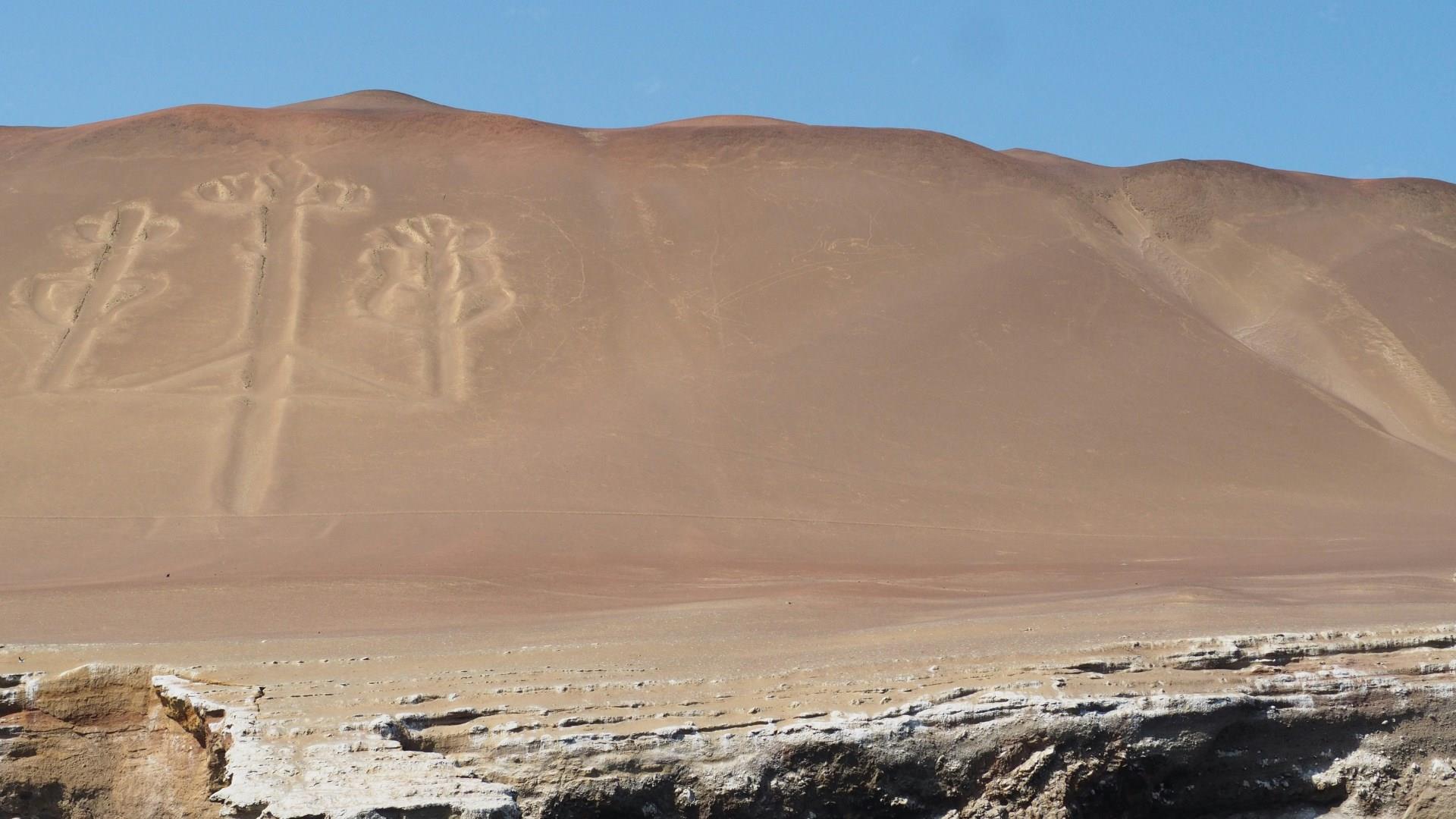
Paracas
Paracas, a small coastal town in southern Peru, offers a mix of desert landscapes, marine wildlife, and ancient history. Just three hours from Lima, it’s the gateway to the Paracas National Reserve, one of the country’s most important protected areas. This reserve includes both land and sea, making it home to dramatic cliffs, wind-carved rock formations, and waters where dolphins, sea lions, and Humboldt penguins are frequently seen.

Estonia
>Estonia, a hidden gem in Northern Europe, boasts a fascinating mix of medieval charm and modern vibrancy. The capital city, Tallinn, is renowned for its well-preserved medieval Old Town, a UNESCO World Heritage Site. Wander through the cobbled streets of the Old Town, where you’ll encounter stunning Gothic architecture, including the impressive Alexander Nevsky Cathedral and the Town Hall, with its ornate spire and charming square.


