

Haugesund
Haugesund, located on the southwestern coast of Norway, is known for its rich Viking heritage and natural landscapes. The town's maritime history is celebrated at the Nordvegen History Centre, where you can learn about the Viking kings who once ruled the area. Nature enthusiasts will appreciate the proximity to the Folgefonna Glacier, where they can enjoy guided glacier hikes and breathtaking views of the surrounding fjords.

Braşov
Nestled in the heart of Romania, Brașov is a charming city that effortlessly blends medieval history with stunning natural beauty. Encircled by the Carpathian Mountains, Brașov's well-preserved medieval architecture and vibrant cultural scene make it a must-visit destination.

Dominica
Dominica, known as the “Nature Island of the Caribbean,” is a haven for eco-tourists and adventure seekers. Nestled between the French islands of Guadeloupe and Martinique, this lush island boasts a remarkable landscape of volcanic mountains, dense rainforests, and stunning waterfalls. Dominica’s most iconic natural wonder is the Boiling Lake, the second-largest hot spring in the world.

Zululand
Zululand, located in South Africa's KwaZulu-Natal province, is a region steeped in history and natural beauty. Known as the heartland of the Zulu nation, Zululand offers visitors a chance to explore the rich cultural heritage of the Zulu people.
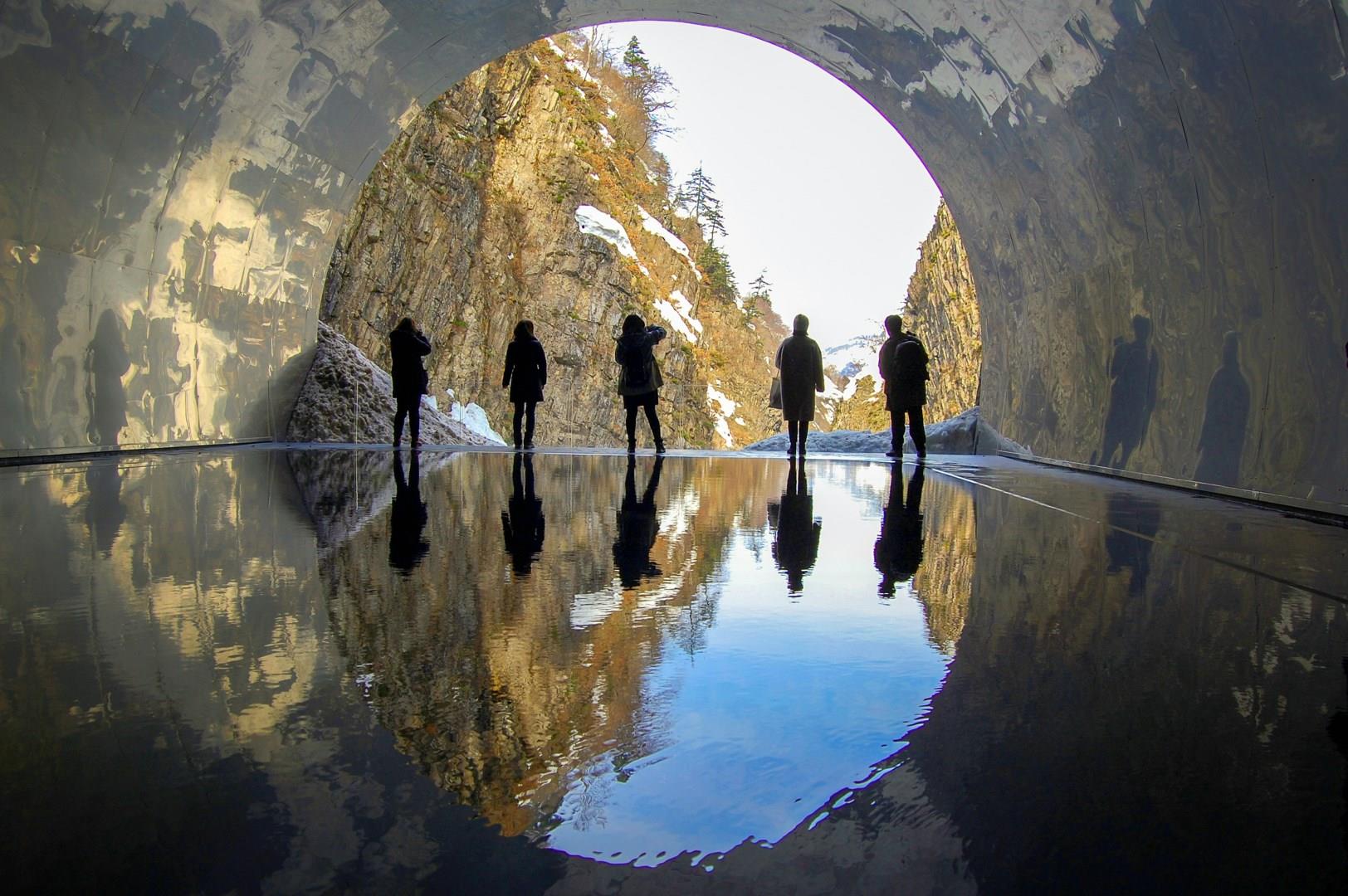
Niigata
Niigata sits along the Sea of Japan on Honshu’s west coast, a place where long winters and bright summers shape its traditions and flavors. For centuries this region has produced some of Japan’s finest rice, especially the Uonuma Koshihikari variety known for its rich taste and texture. That quality rice helps make Niigata sake famous across the country, and visitors can sample more than 90 local brews at tasting spots such as Ponshukan inside Niigata Station.


