Menton
Menton, known as the "Pearl of France," is a sun-soaked gem nestled along the French Riviera, bordering Italy. With its charming pastel-colored facades cascading down the hillside and its deep blue Mediterranean backdrop, Menton exudes an irresistible allure. The city's unique microclimate, warmer than the surrounding area, has earned it a reputation as a haven for lush gardens.
Ghana
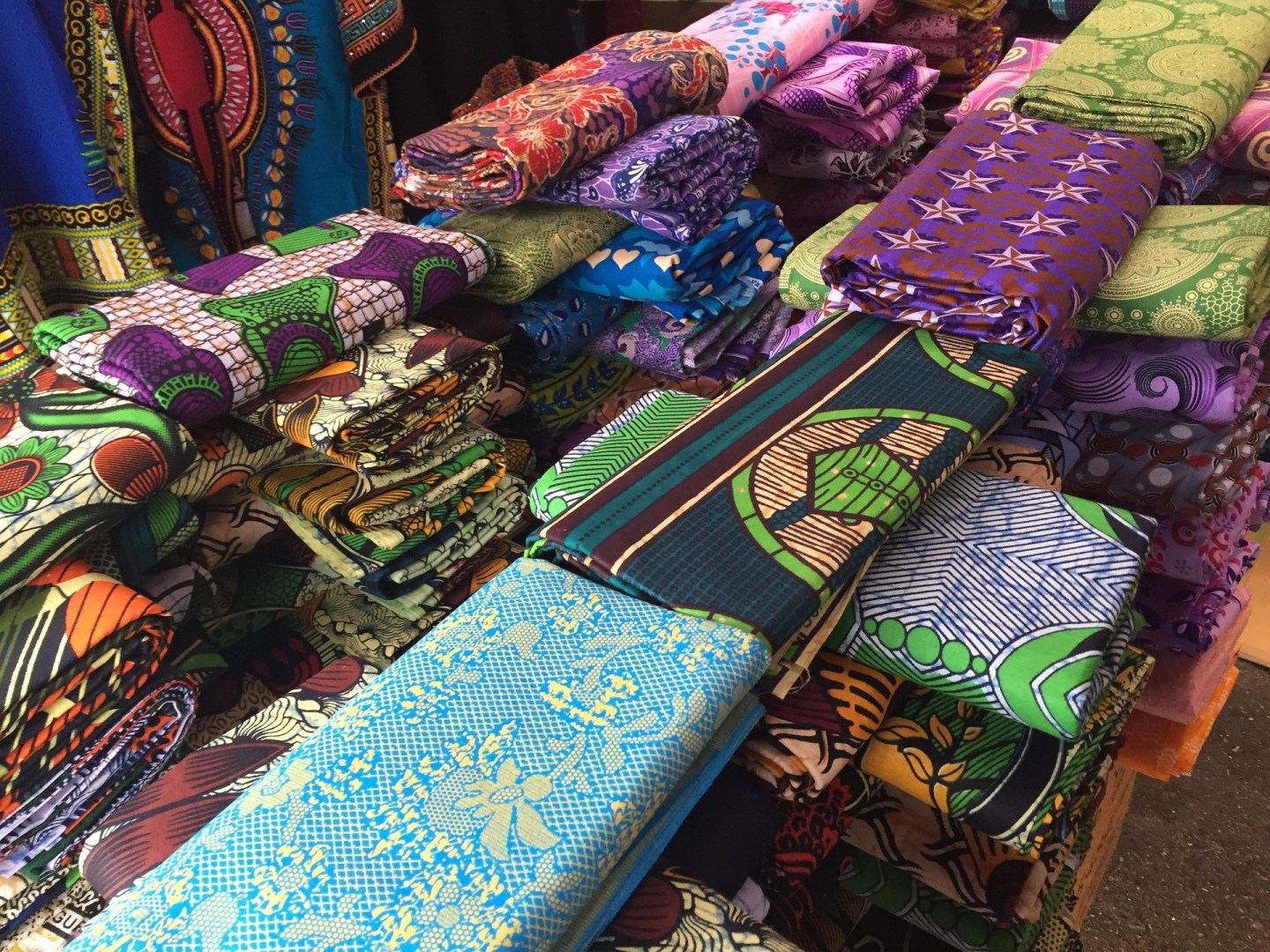
Ghana, located along West Africa’s Gulf of Guinea, offers a rich blend of cultural heritage and history.
Beaujolais
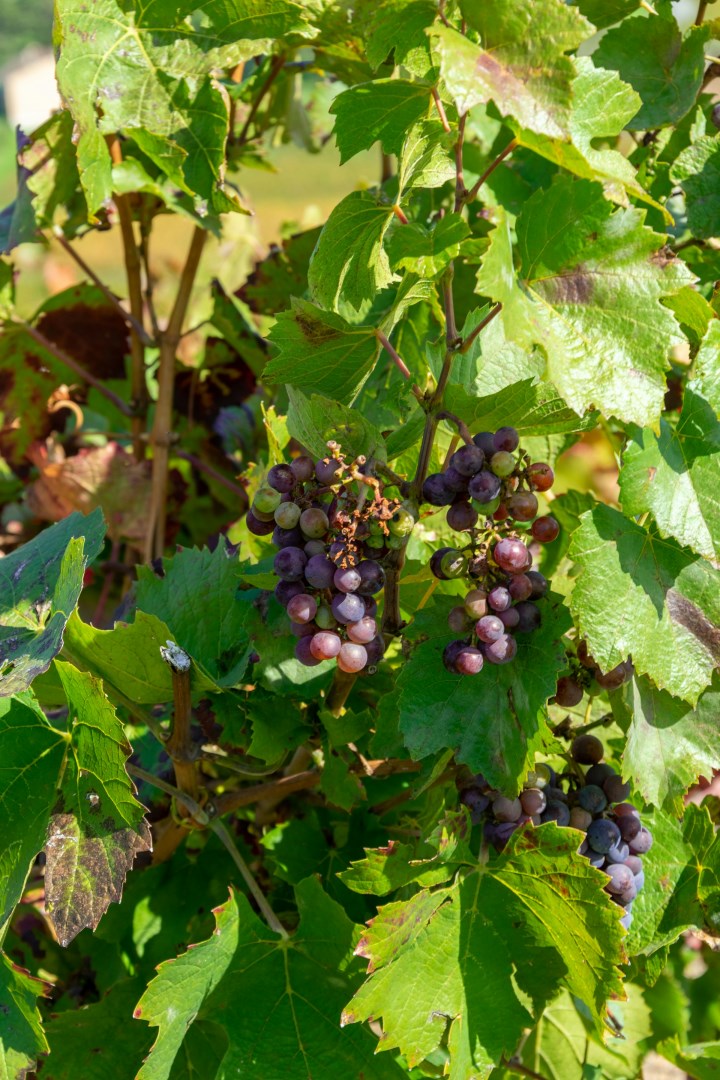
Located just to the north of Lyon, Beaujolais is mainly known for it's winemaking. Beaujolais is written with an 's' because there are 12 of them. Beaujolais Nouveau is the most famous ambassador of the Beaujolais region. But it is simply one of an entire range. The different Beaujolais wines are produced by more than 4 000 vine-growers.
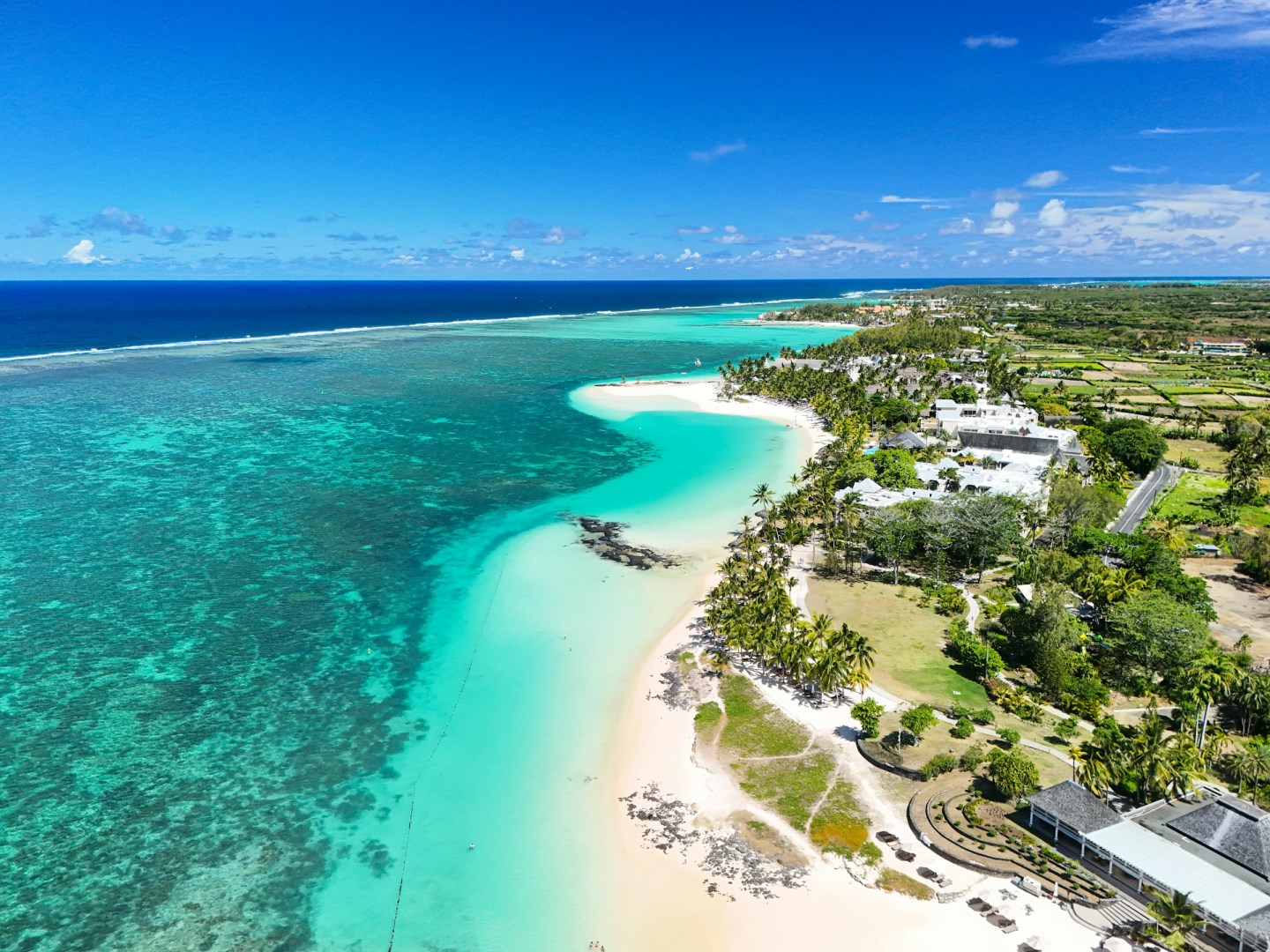
Quatre Cocos
Quatre Cocos is a village on the eastern side of Mauritius, within the Flacq District and close to the Indian Ocean coast.
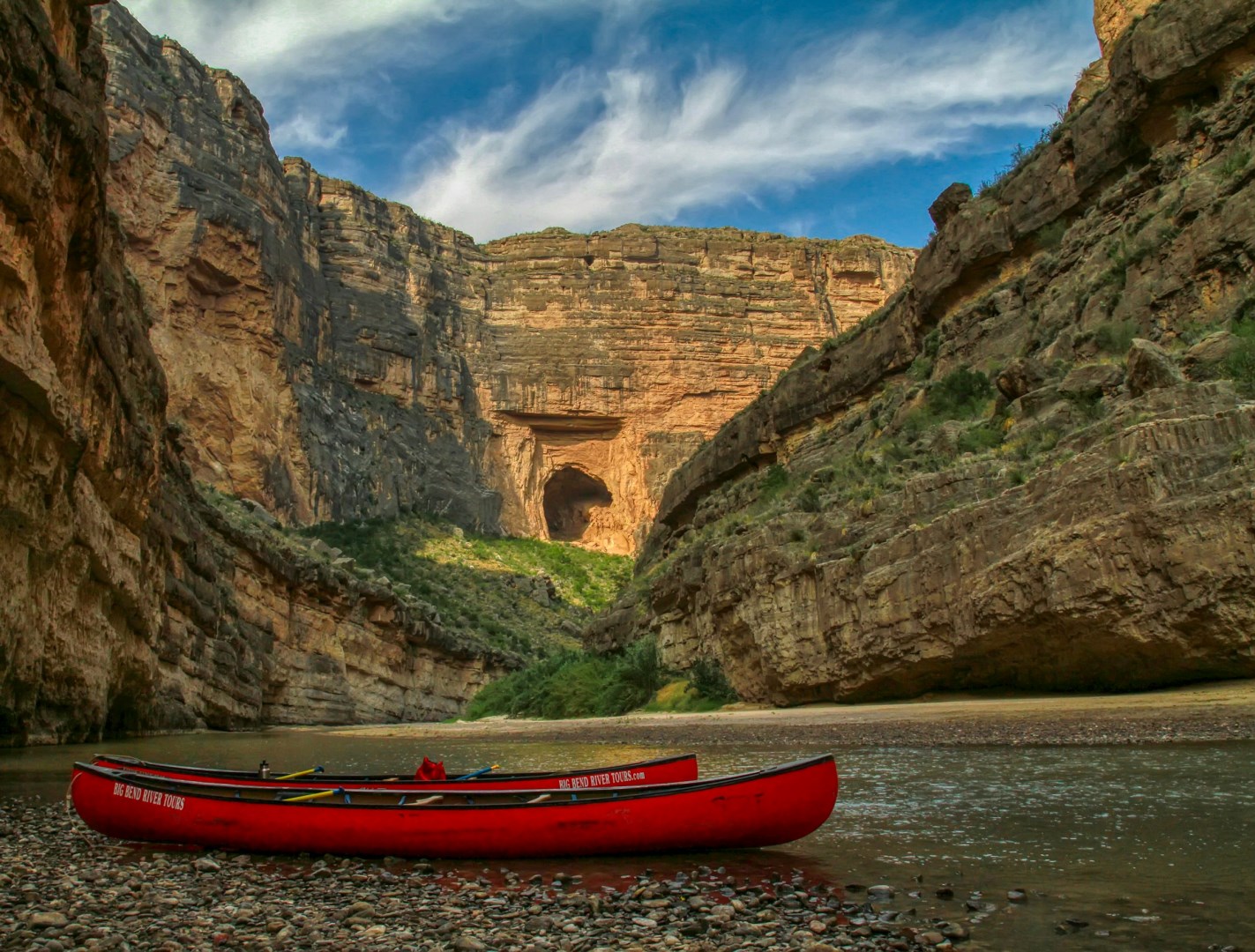
Big Bend Ranch State Park
Big Bend Ranch State Park is a vast protected landscape in southwestern Texas, stretching along the Rio Grande beside Big Bend National Park and the Mexican border. The park covers rugged desert, volcanic formations, steep canyons, and broad Chihuahuan Desert plains, with the river forming its southern boundary. Its remote setting and limited development give the area a distinctly wild character.