Qatar
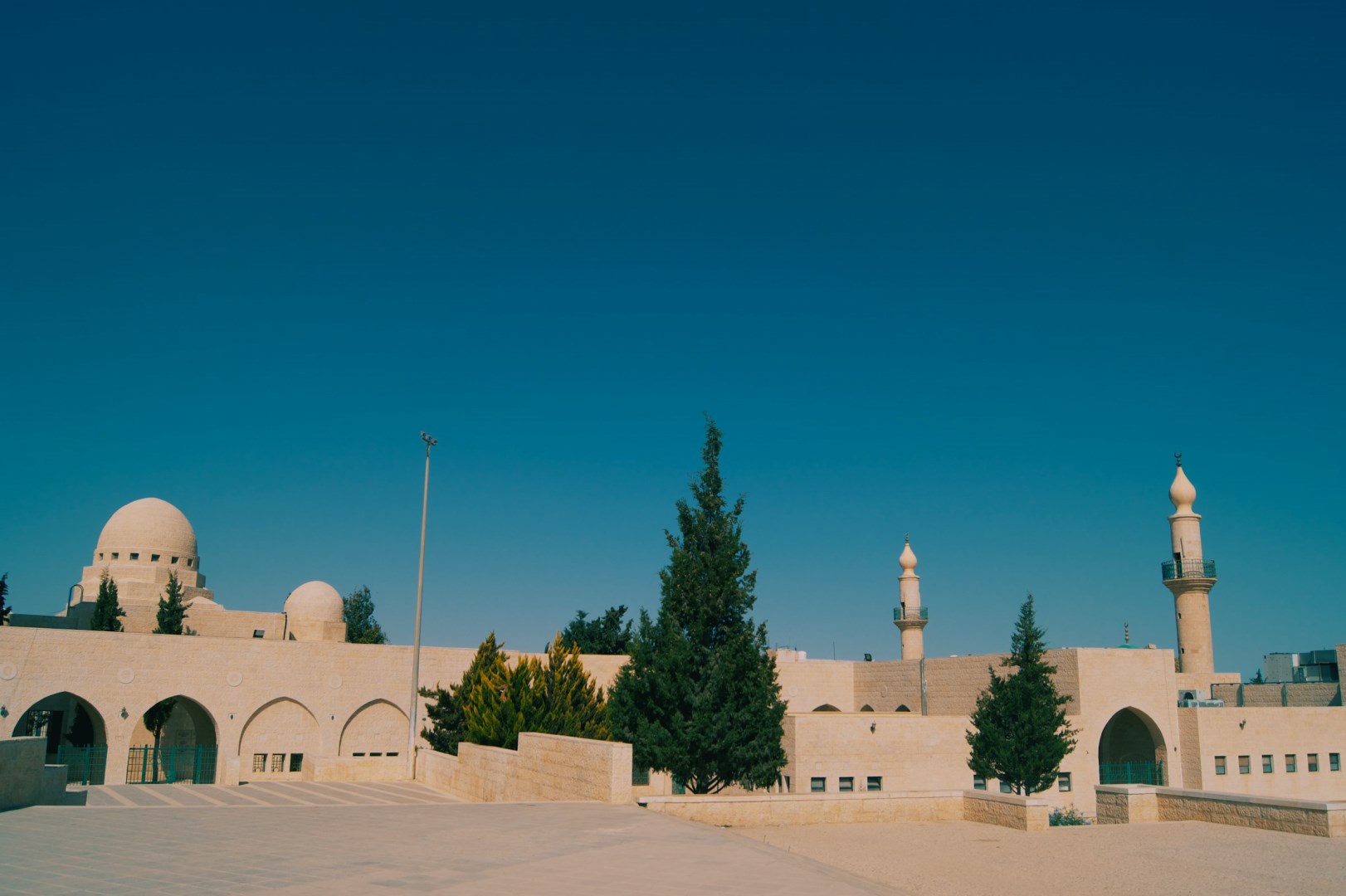
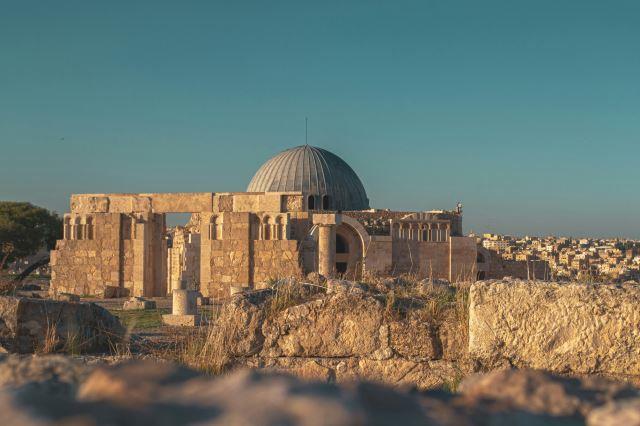
Qatar invites discovery through both its modern ambition and traces of its desert heritage. In Doha, the Museum of Islamic Art, designed by I. M. Pei, rises over the waterfront to display centuries of calligraphy, ceramics, textiles, and metalwork. Nearby, the National Museum of Qatar presents the nation's story through exhibits and architecture shaped like the desert rose. Each space offers both insight and reflection.
Fuerte Amador
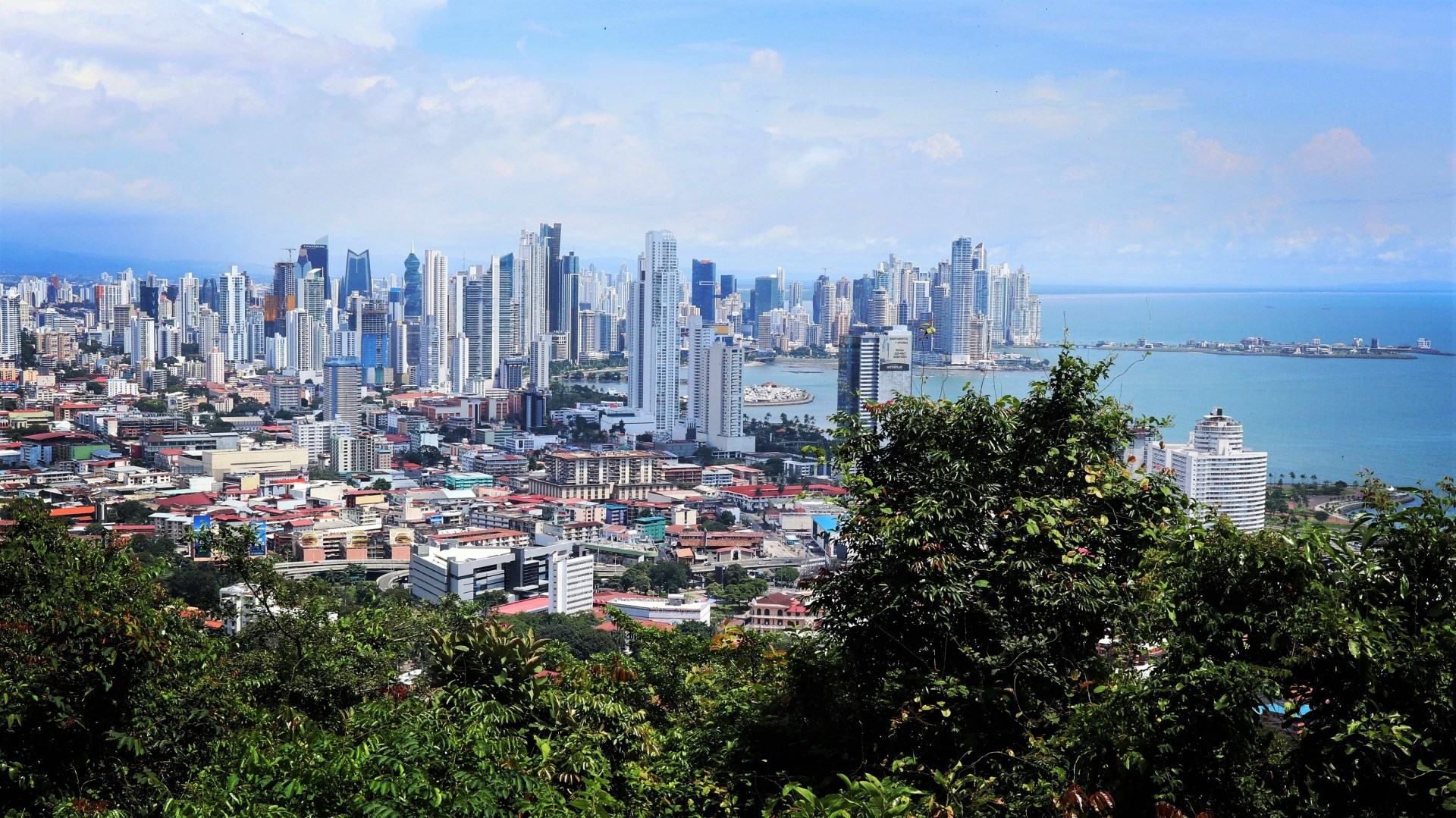
Fuerte Amador is a waterfront district located at the Pacific entrance of the Panama Canal in Panama City. Built on a causeway created with rock excavated during canal construction, the area links four small islands: Naos, Perico, Culebra, and Flamenco.

Venezuela
Venezuela is a country of contrasts, offering travelers a mix of rainforests, savannas, and Caribbean beaches. The country is home to unique destinations like Canaima National Park, where the world-famous Angel Falls, the tallest waterfall on Earth, cascades from an incredible height of 979 meters (over 3,200 feet). Visitors can take boat trips through jungle rivers, explore the iconic tabletop mountains, and marvel at the landscapes.
Providenciales
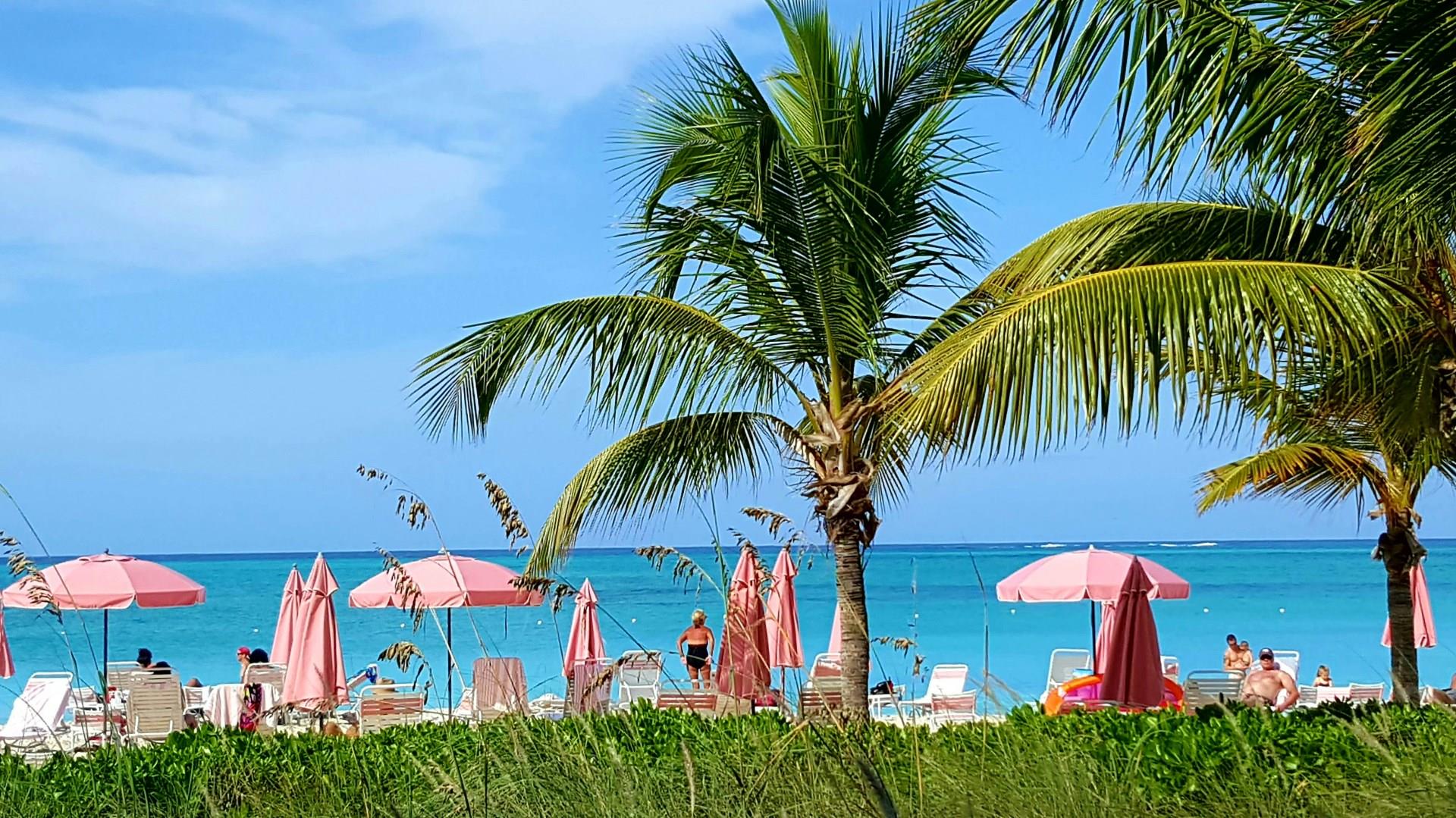
Providenciales, often called “Provo,” is the most developed island in the Turks and Caicos archipelago and a gateway to some of the clearest waters in the Caribbean. Its coastline is famous for long stretches of white sand and shallow turquoise seas that seem to shift color with the sun. Grace Bay Beach, the island’s most celebrated shoreline, runs uninterrupted for more than 19 kilometers and is consistently ranked among the best beaches in the world.
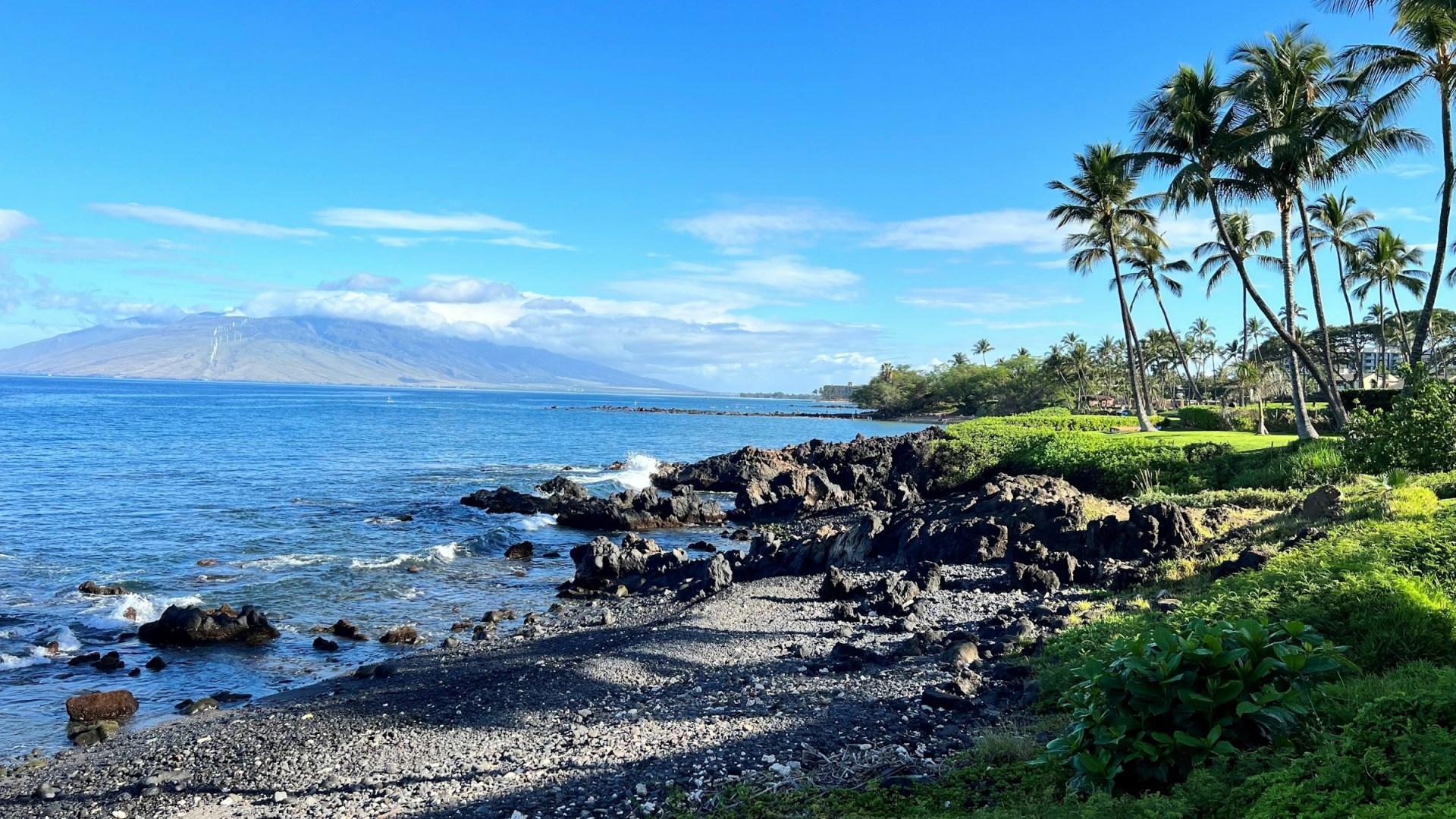
Wailea, Maui
Wailea is a coastal resort community on the southwestern shore of Maui, Hawaiʻi, set between the slopes of Haleakalā and the Pacific Ocean. Its dry climate, landscaped grounds, sandy beaches, and views across the ʻAuʻau Channel toward neighboring islands give it a distinct setting within South Maui. The area is known for several major beaches, including Wailea Beach, Ulua Beach, and Polo Beach, as well as a network of walking paths connecting resorts, beaches, parks, and shopping areas.