Detroit
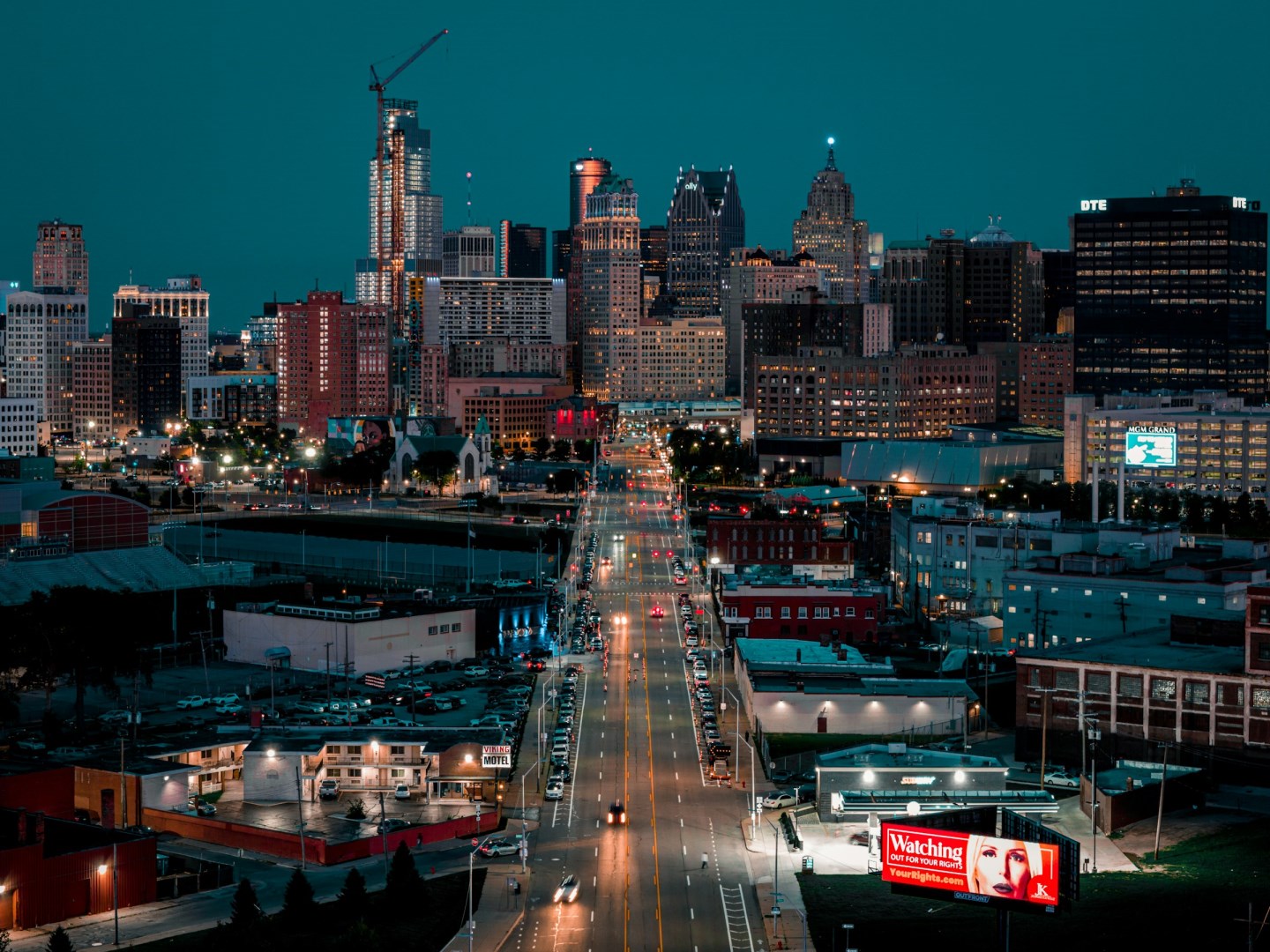
Located in southeast Michigan state between Lake Erie and Lake Huron, this is the "Motor City" - it is the center of the American Car industry.
Weimar
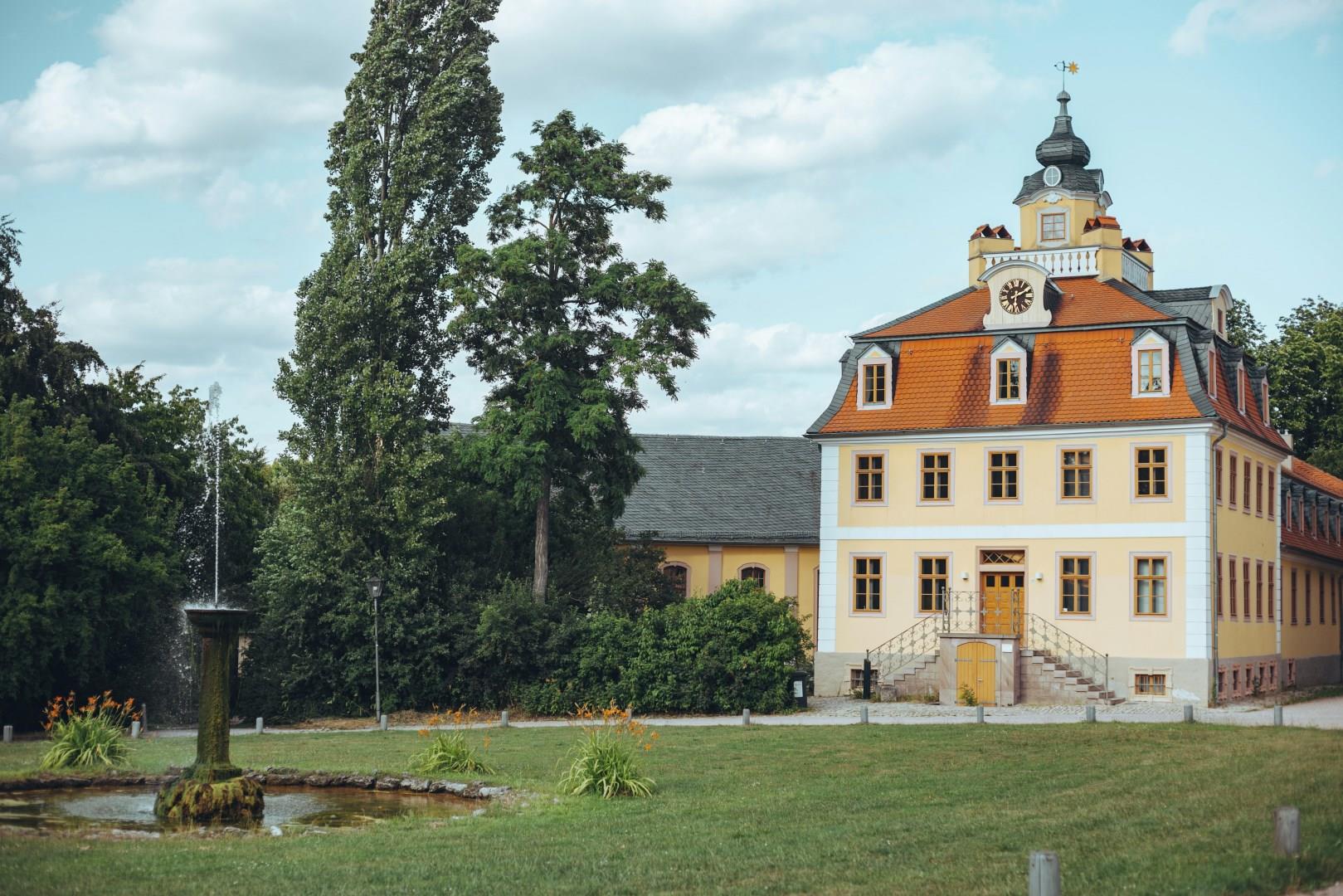
Weimar, located in the heart of Germany’s Thuringia region, is a city renowned for its cultural heritage, classical architecture, and pivotal role in European history.

Arches National Park
Arches National Park, located in eastern Utah, is a mesmerizing landscape filled with more than 2,000 natural stone arches, pinnacles, and balanced rocks sculpted by centuries of wind and water erosion. One of the most iconic landmarks is Delicate Arch, a freestanding red rock formation that has become a symbol of Utah itself.
Alexandria
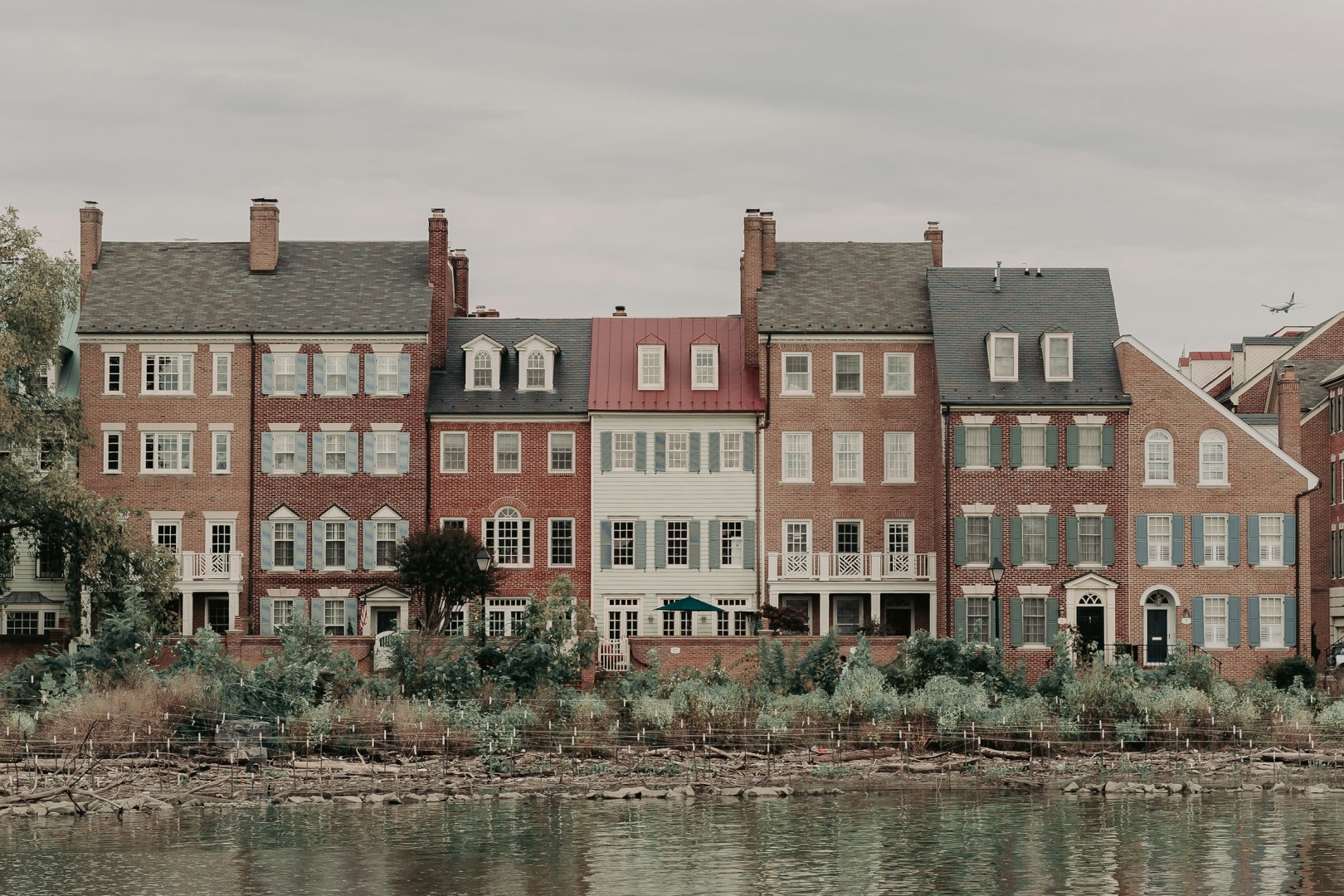
Alexandria is an unique and historic place that keeps pace with the modern world. The City is part of a large metropolitan area surrounding the nation's Capital, yet it has retained its period character. About one-quarter of the town's 15 square miles has been designated as a national or local historic district.
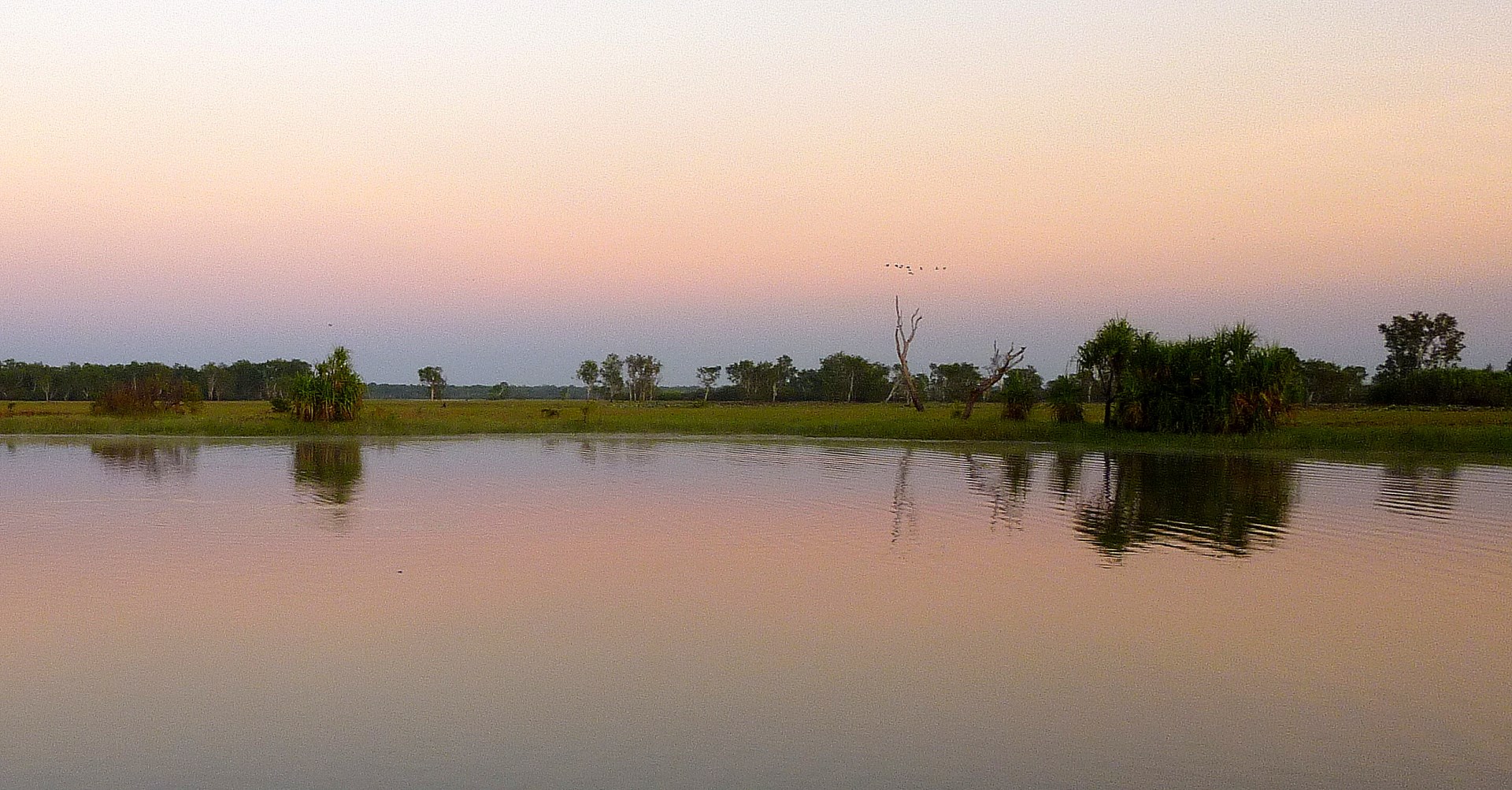
Yellow Waters Lagoon
Explore a remarkable Kakadu wetland filled with crocodiles, waterbirds, waterlilies and spectacular scenery that changes with the seasons.