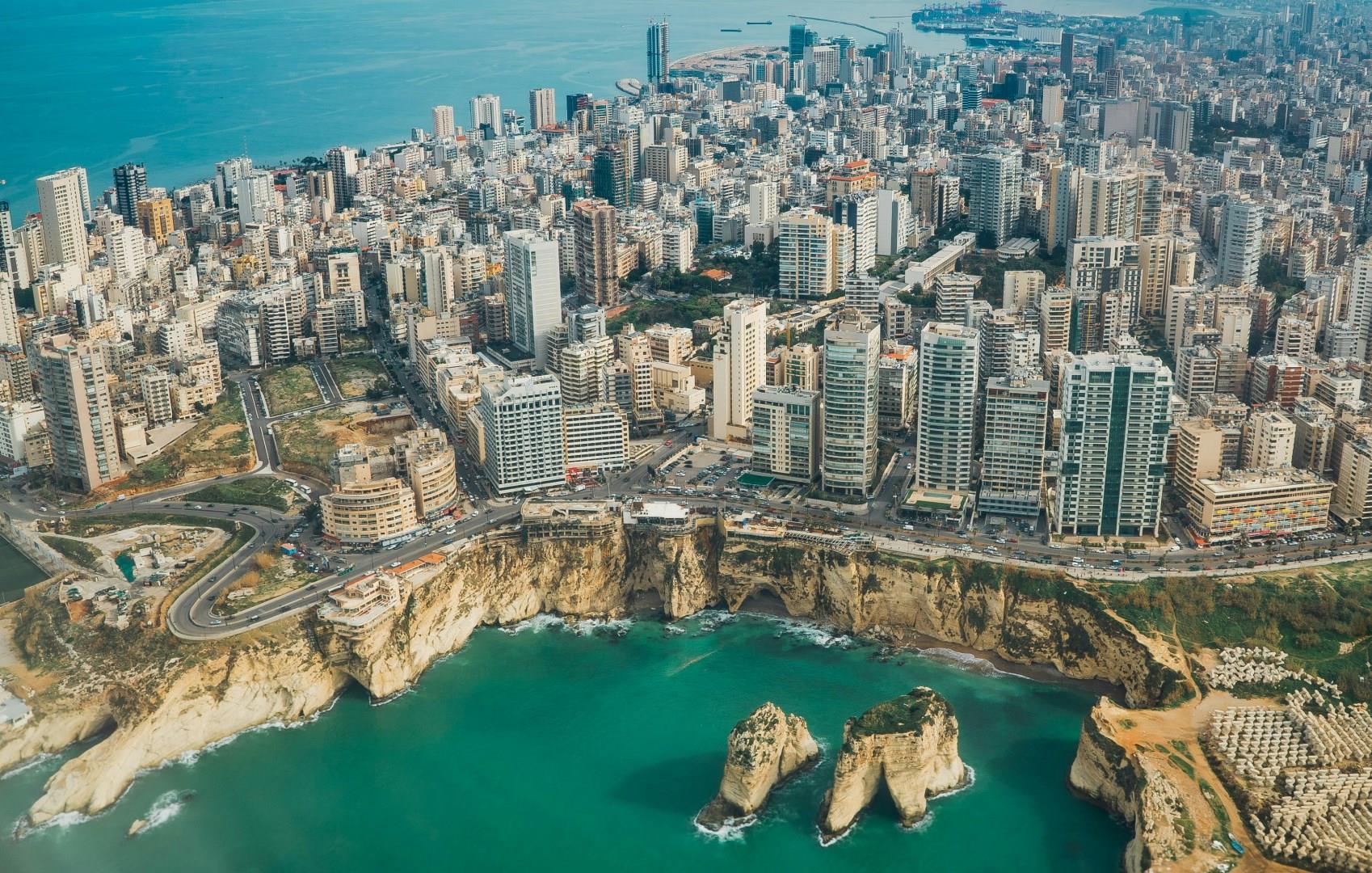
Beirut
Beirut traces its roots back over 5,000 years. Once called Berytus during the Roman era, it grew into a key port of the Mediterranean. Today’s visitors can follow the Beirut Heritage Trail, a 2.5 km walking route marked with bronze medallions, that links archaeological sites, historic courtyards, and restored Ottoman buildings. The path unveils layers of the city's past one block at a time.
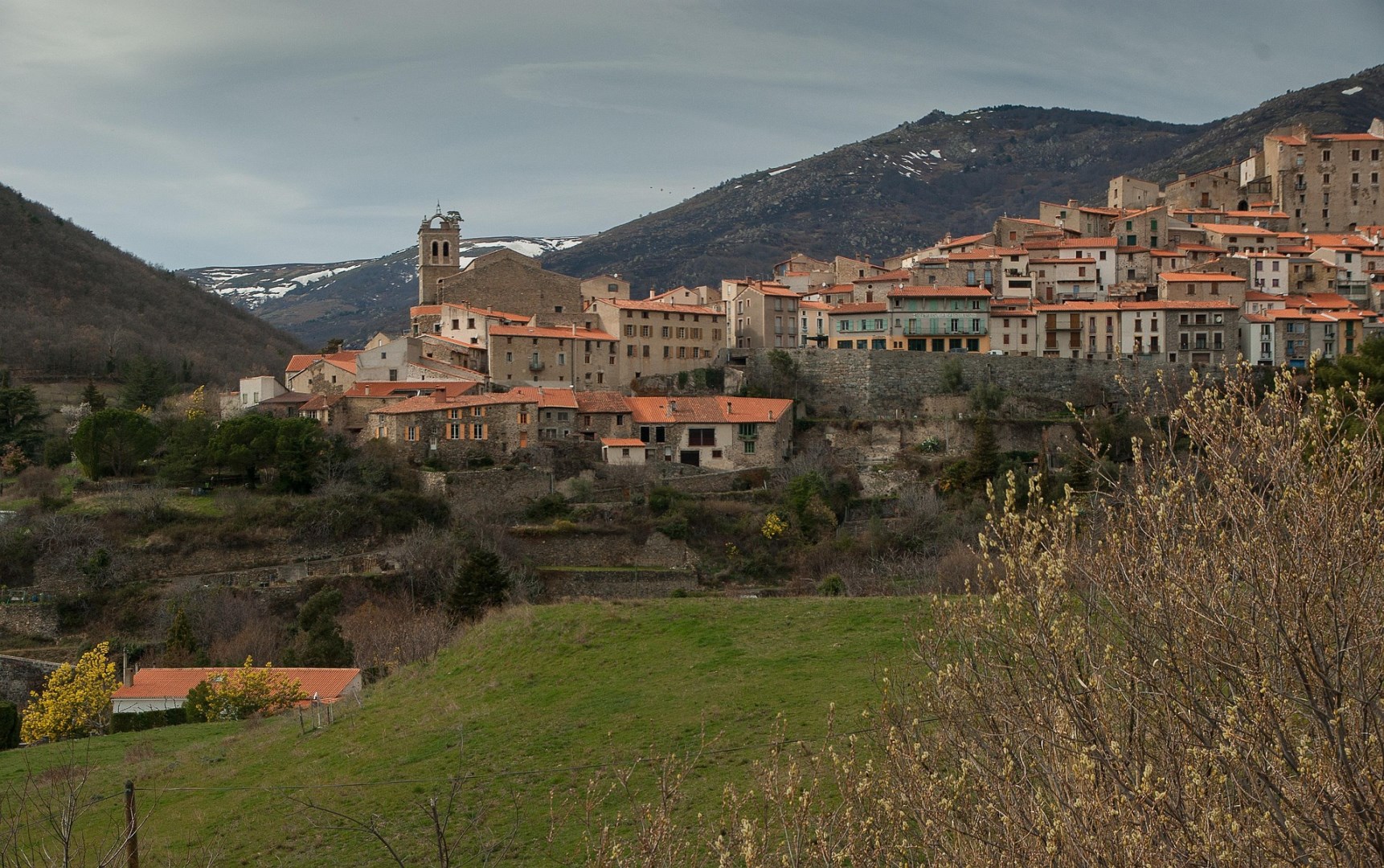
Roussillon
Roussillon is a hilltop village in the Luberon of southeastern France, surrounded by some of the region’s richest ochre deposits. Its houses, walls, and narrow streets are colored by the same natural pigments found in the surrounding earth, ranging from pale yellow to deep red. The village stands within the Luberon Regional Natural Park, where wooded hills and agricultural land meet the ochre landscape.
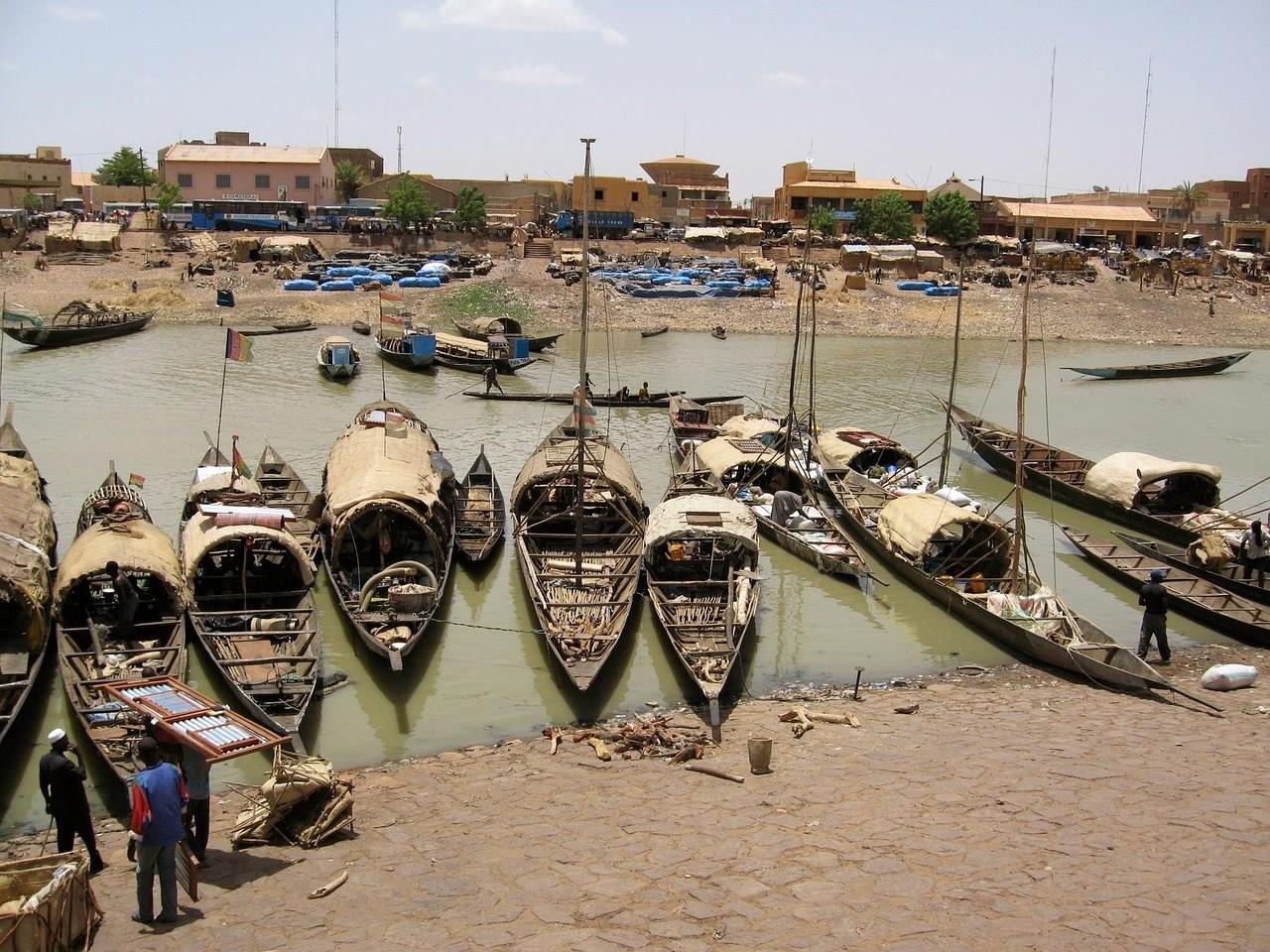
Mali
Mali, located in West Africa, is a country with deep cultural roots and a history that stretches back to some of the most powerful empires in Africa.
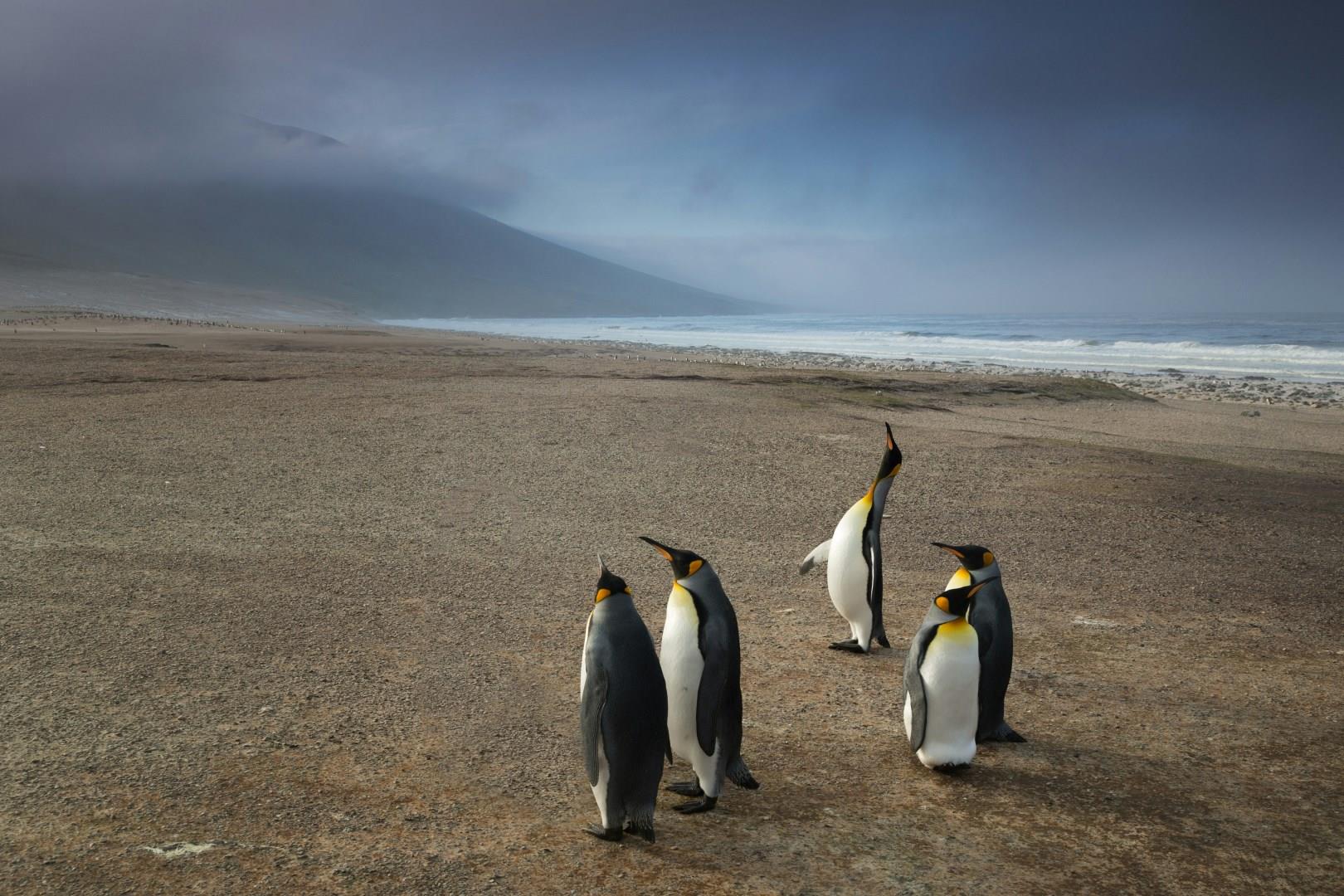
Falkland Islands
The Falkland Islands, a remote archipelago in the South Atlantic, offer a striking combination of wild open spaces, rich wildlife, and a way of life shaped by wind, sea, and resilience. With fewer than 3,500 residents spread across over 700 islands, the Falklands provide a rare opportunity to disconnect from busy modern life and connect with wide skies, rugged coastlines, and some of the most accessible wildlife experiences on the planet.
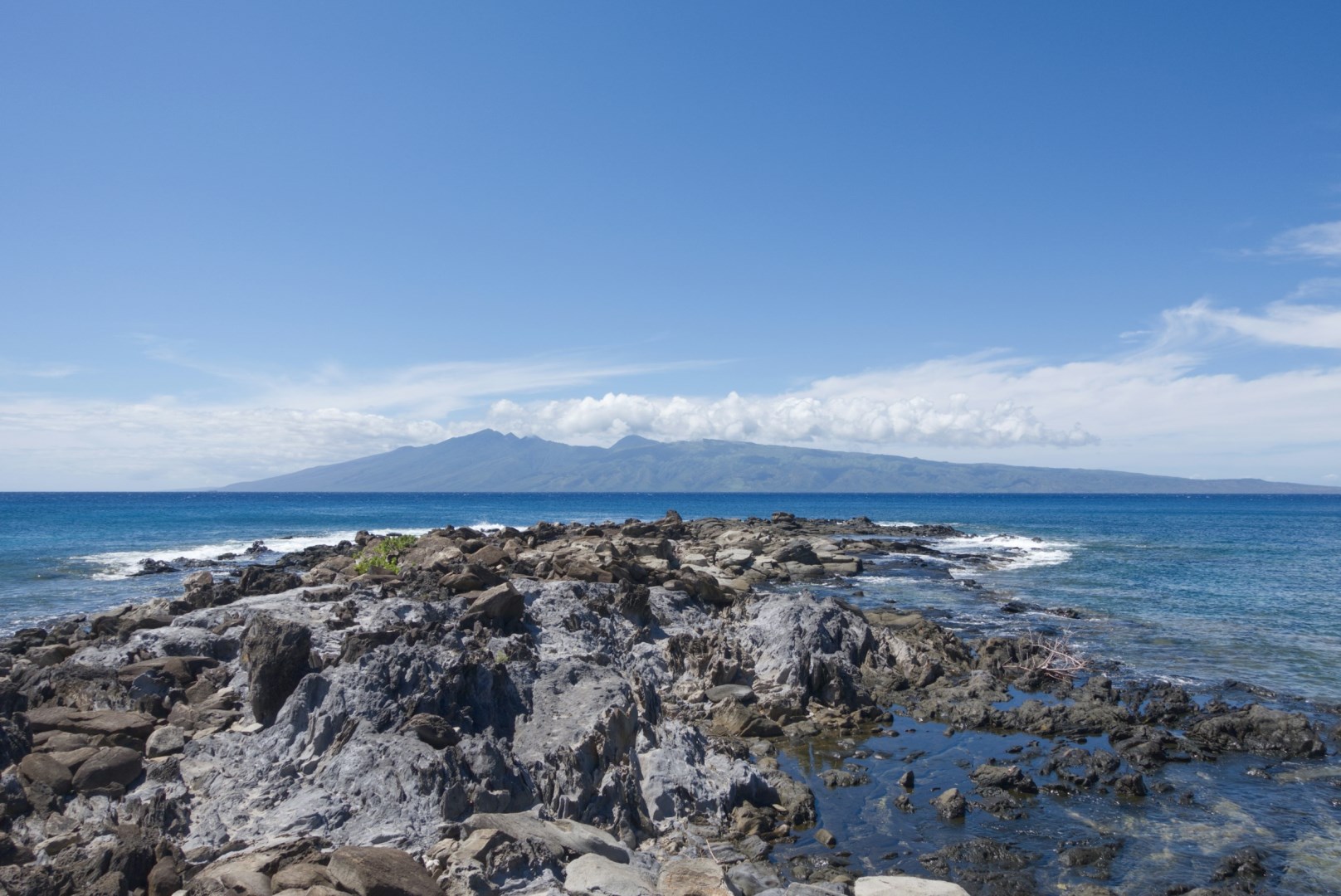
Molokai Island
Molokai, island, in Kalawao County, administered by Maui County, central Hawaii, between Oahu and Maui islands, known as the Friendly Island. On the southern coast of Molokai is the port of Kaunakakai. The island rises to 1512 m (4961 ft) in the east at Kamakou Peak. Pineapples, coffee, and cattle are raised. In 1873Father Damien, the Belgian Roman Catholic missionary, began his work in the leper colony of Kalawao on the Kalaupapa Peninsula of northern Molokai.