Paramaribo
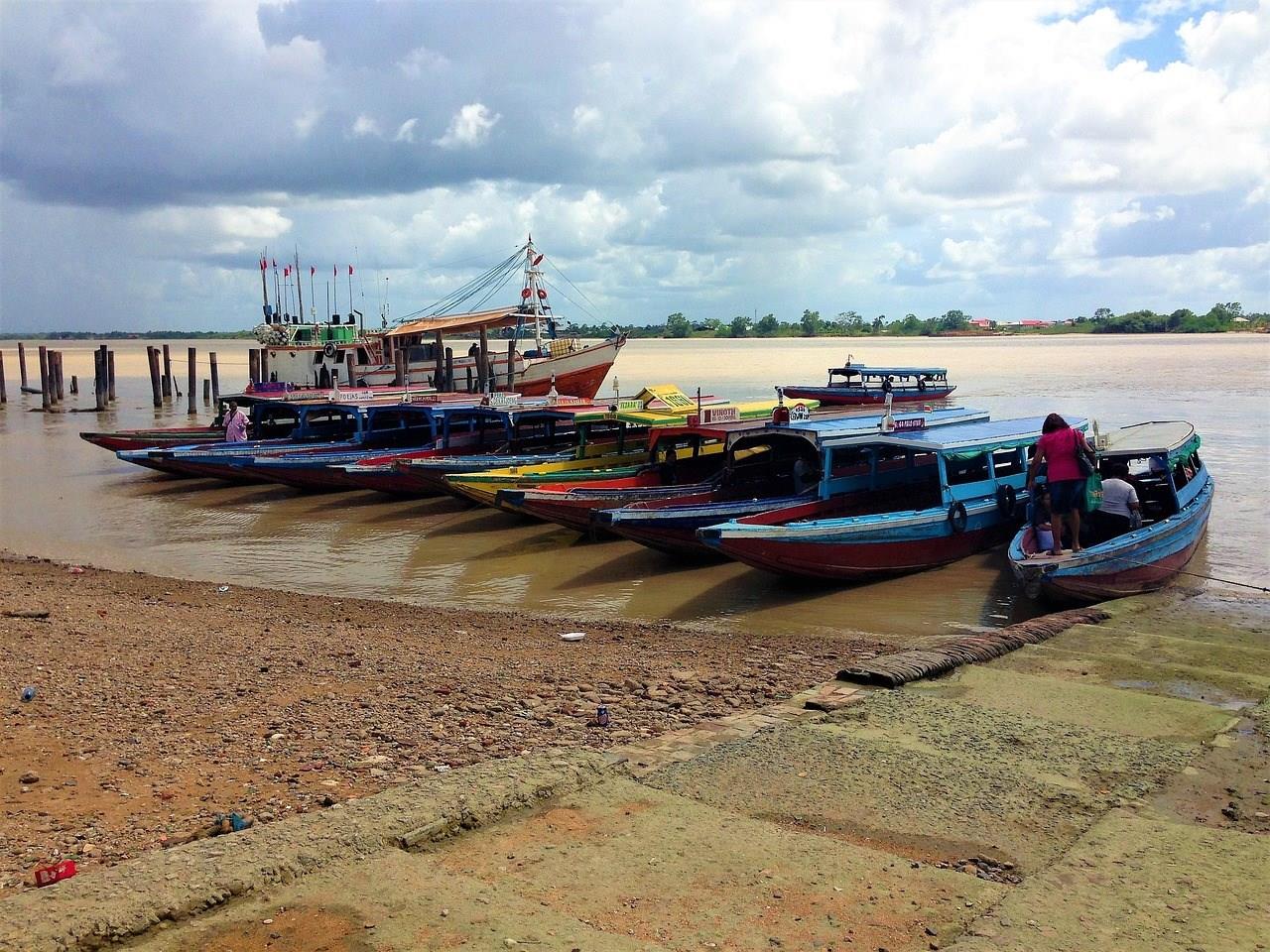
Paramaribo, Suriname’s capital, unfolds like a living storybook along the Suriname River, where wooden structures from the 17th and 18th centuries still stand today. This historic heart reveals a rare fusion of Dutch design and local craftsmanship. Visitors can stroll the Waterkant, a riverside avenue, and take in landmarks such as Fort Zeelandia, the neoclassical Reformed Church, and the lofty wooden Cathedral of St. Peter and Paul.
Monte Albán
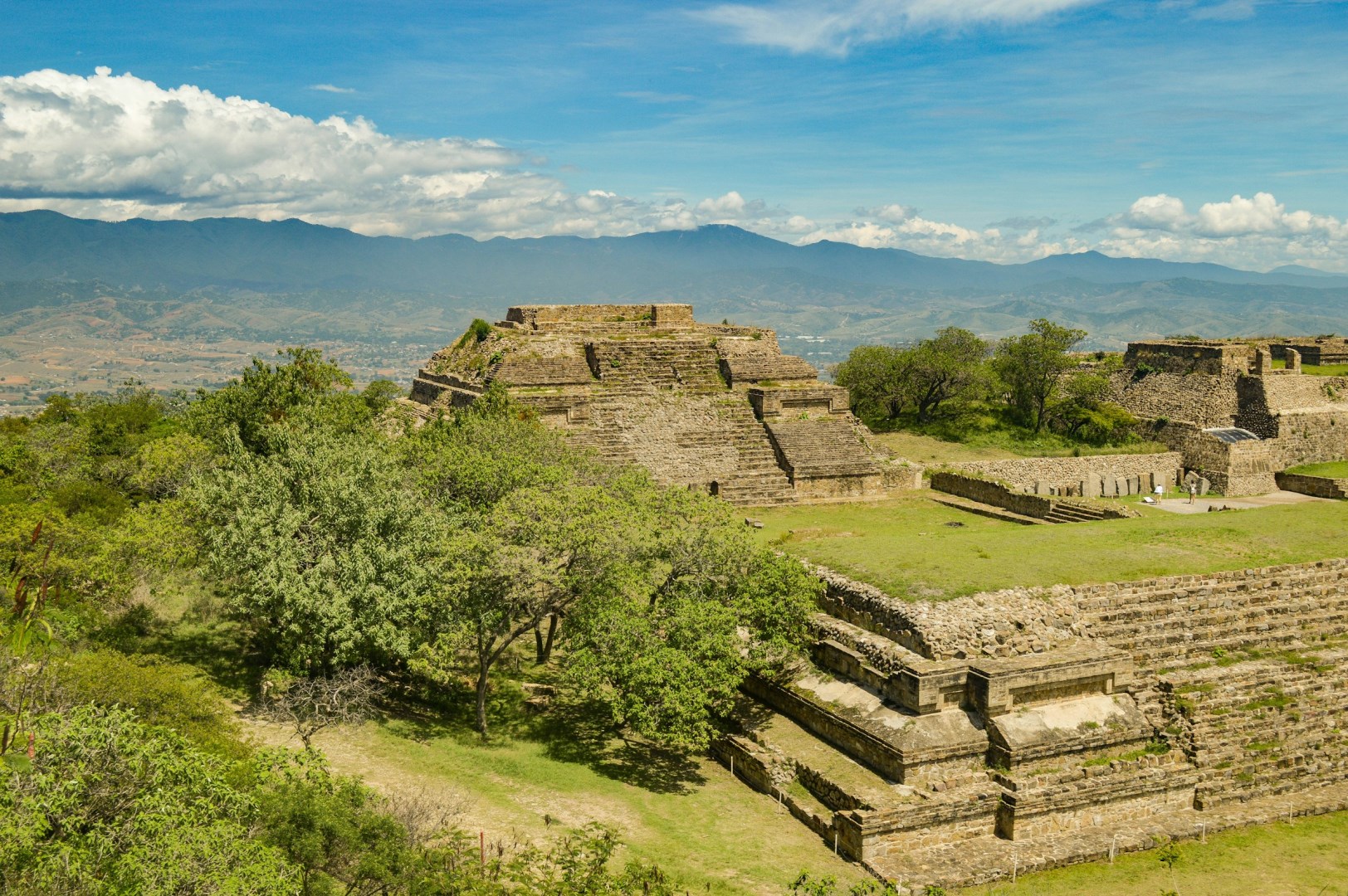
Over a hilltop flattened into a plateau, Monte Albán, the oldest city in mesoamerica, raise it's sacred architecture; holy harmony that eludes elementary symmetry and gives birth to amazing combination of masse and spaces revealing the enormous forces of a spirit whose an coincides with the idea of a perfect universe.

Lake Garda
Lake Garda, Italy's largest and most captivating lake, is a blend of natural beauty, rich history, and vibrant culture that makes it an irresistible destination for travelers. Surrounded by majestic mountains and lush Mediterranean vegetation, Lake Garda's azure waters sparkle under the sun, creating an idyllic backdrop for exploration and relaxation.
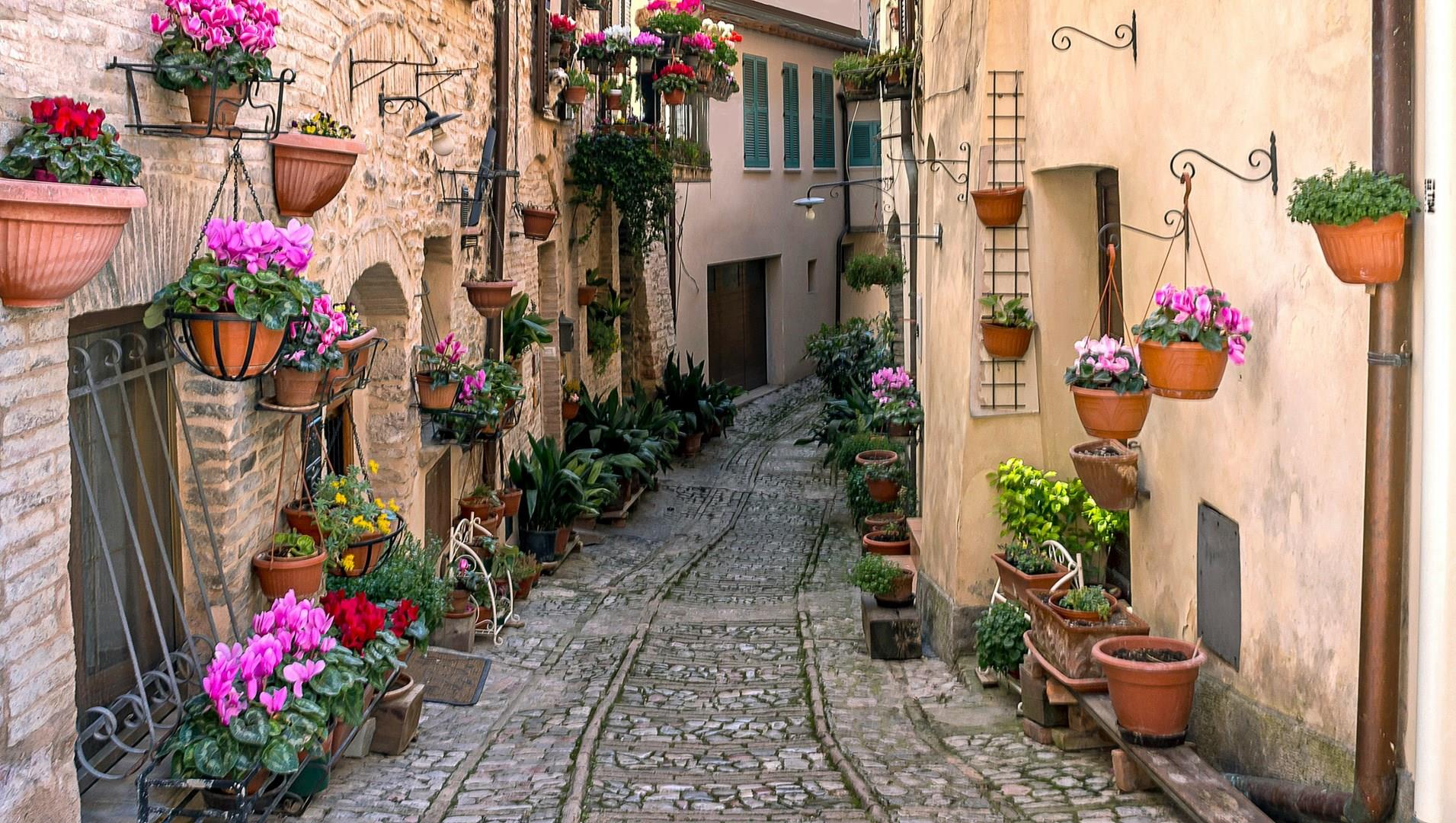
Spello
Spello sits high on the slopes of Mount Subasio in the heart of Umbria, where visitors step into a place shaped by centuries of history. Each year, Spello’s streets become a living canvas during the Infiorate di Spello, a long-standing celebration tied to Corpus Christi. Residents work through the night before the feast to lay flower petals along the town’s main thoroughfares, creating patterns and images that stretch for over a mile.
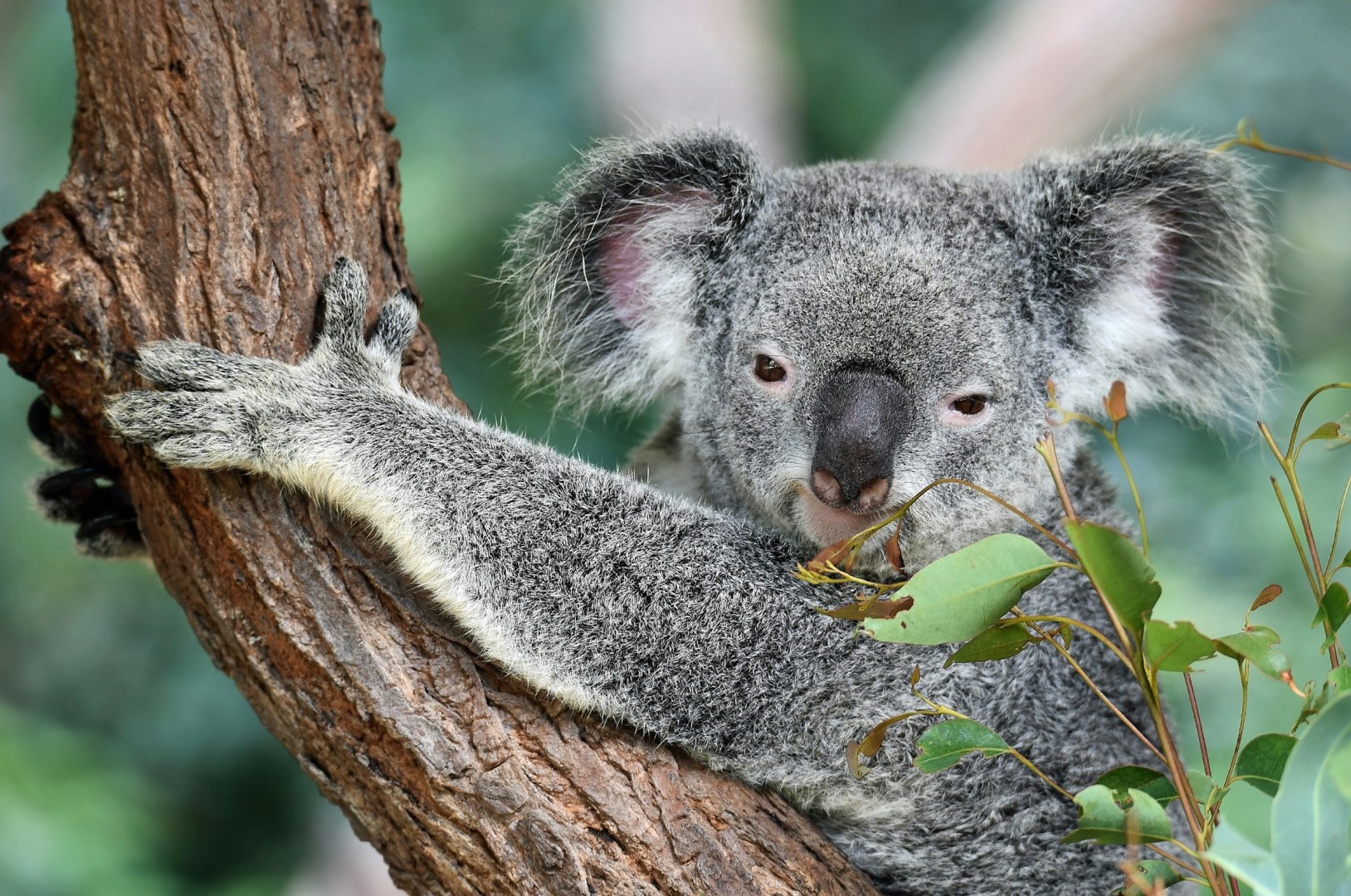
Kuranda
Kuranda is a pretty town set amongst the glorious mountains of the Atherton Tablelands, and famous for its wonderful markets. There is spectacular rainforest surrounding the town, with various walking tracks.