Copacabana
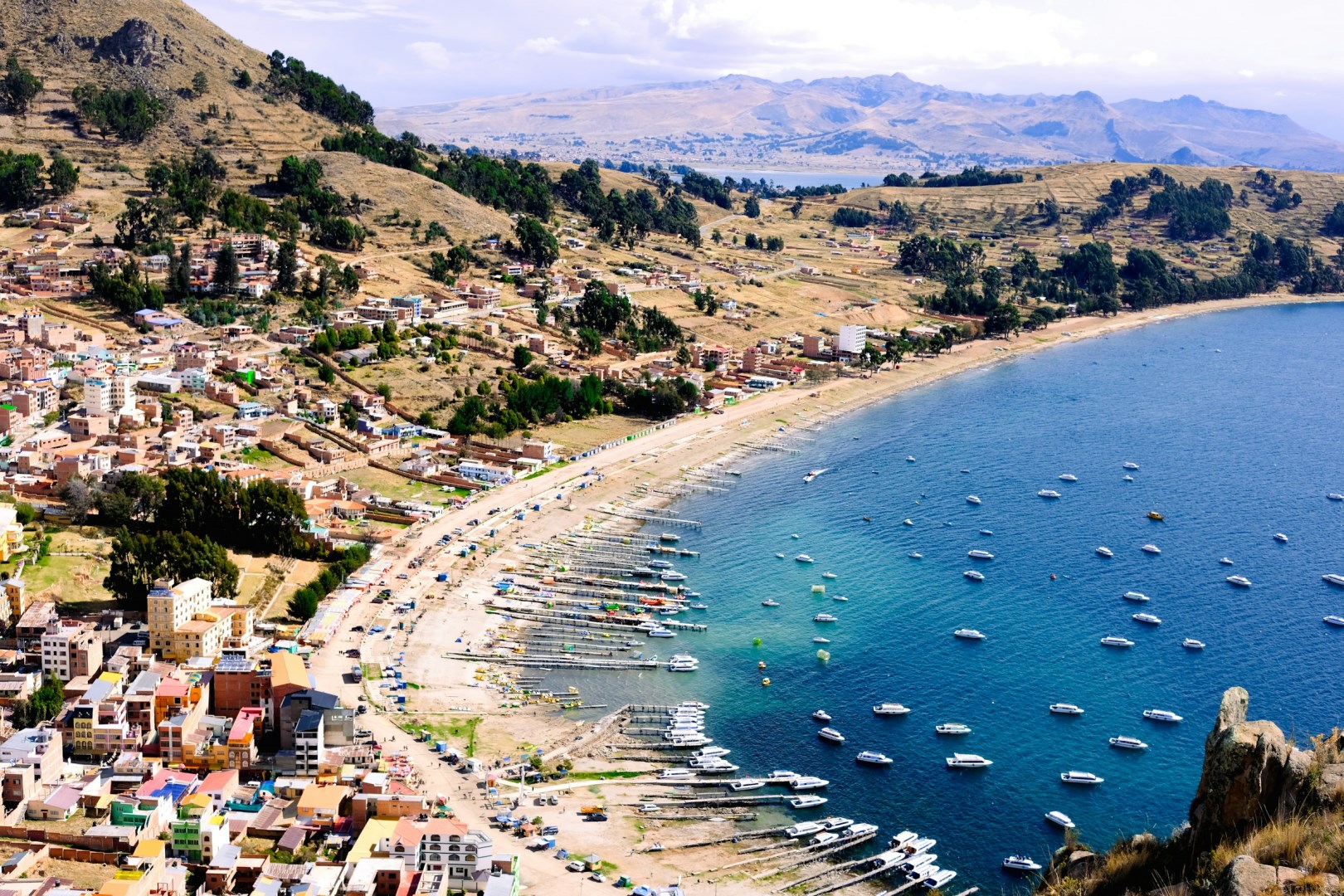
Copacabana is a lakeside town in western Bolivia, situated on the shores of Lake Titicaca near the Peruvian border. Its setting between the lake and the surrounding hills gives it a distinctive highland landscape, with views extending across the deep blue waters toward the distant mountains. Copacabana is one of Bolivia’s main gateways to Lake Titicaca and serves as a starting point for boat trips to Isla del Sol and nearby islands.
Oia
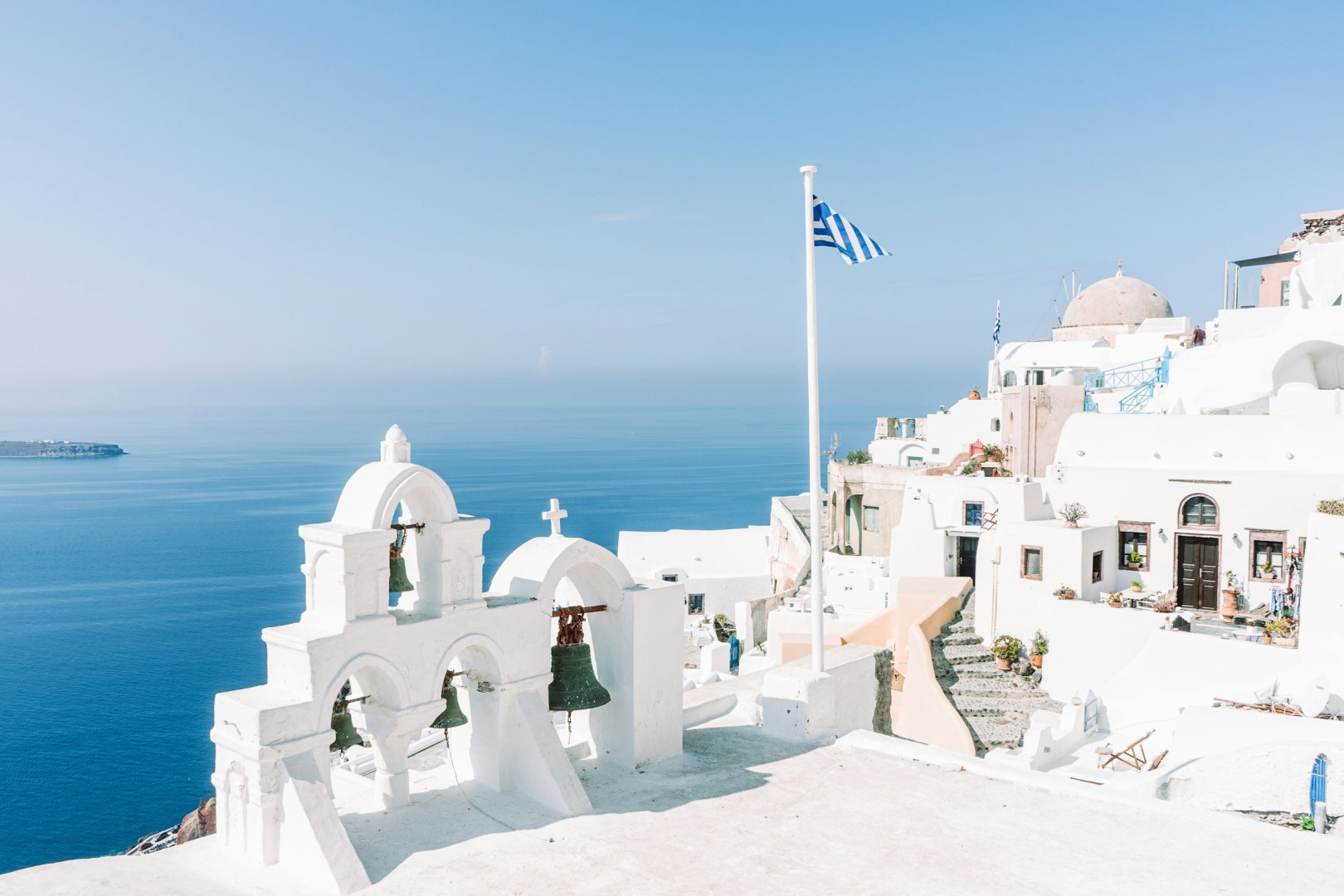
Oia is a historic village on the northern tip of Santorini, built along the steep rim of the island’s volcanic caldera. Its whitewashed houses, cave dwellings, blue-domed churches, and narrow pedestrian lanes follow the contours of the cliffs above the Aegean Sea. The village developed a strong maritime identity through its captains’ houses and seafaring families, many of which are preserved among its traditional buildings.
Itea
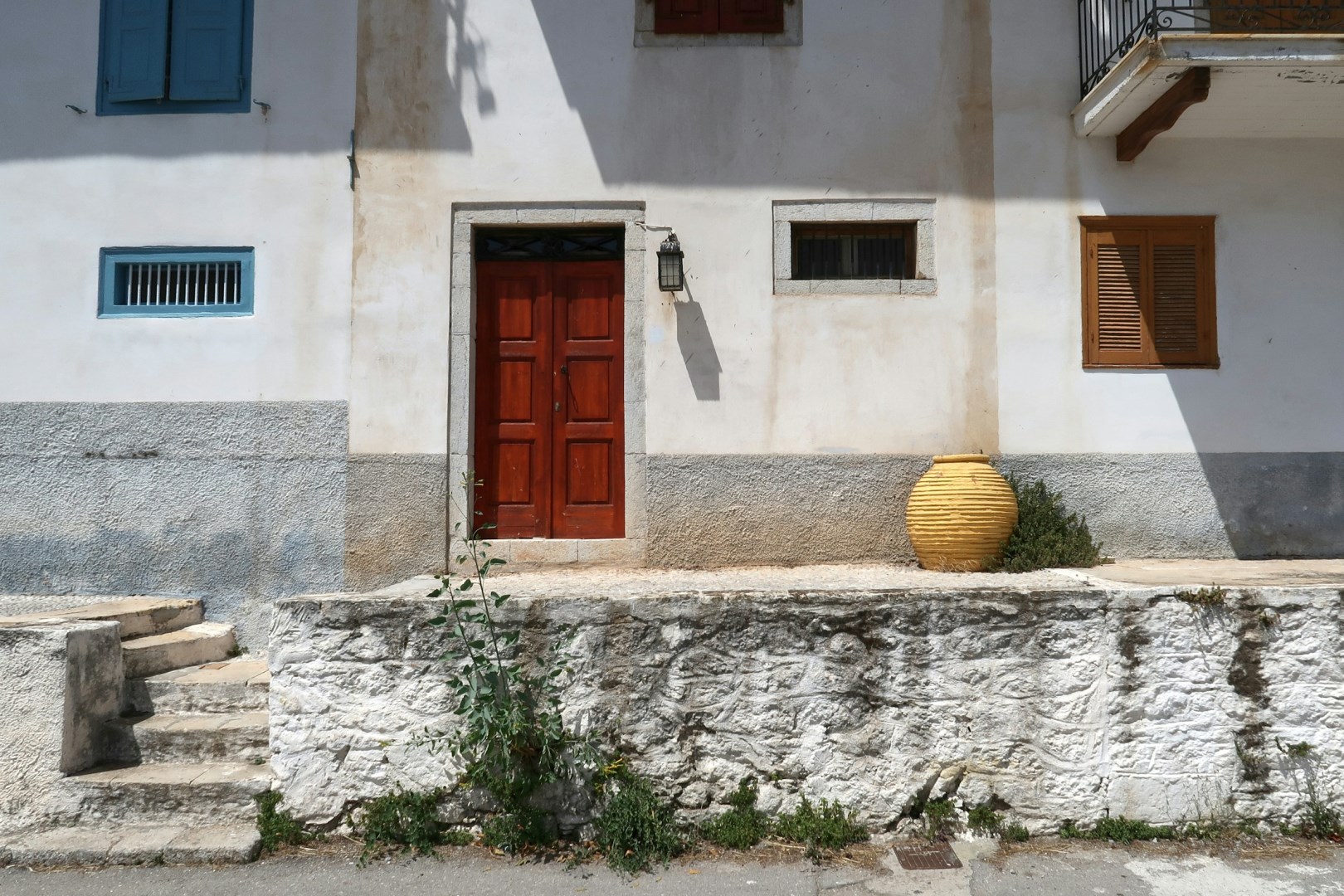
Itea is famous for its honey and olives. That said, it is the perfect little town to stay in as a starting point for day trips to such places as Delphi, one of the most popular and interesting archaeological sites in the world, and Amphissa, the capital of prefecture. Itea is also host to many festivals in the winter and summer months.
Mountain Pine Ridge
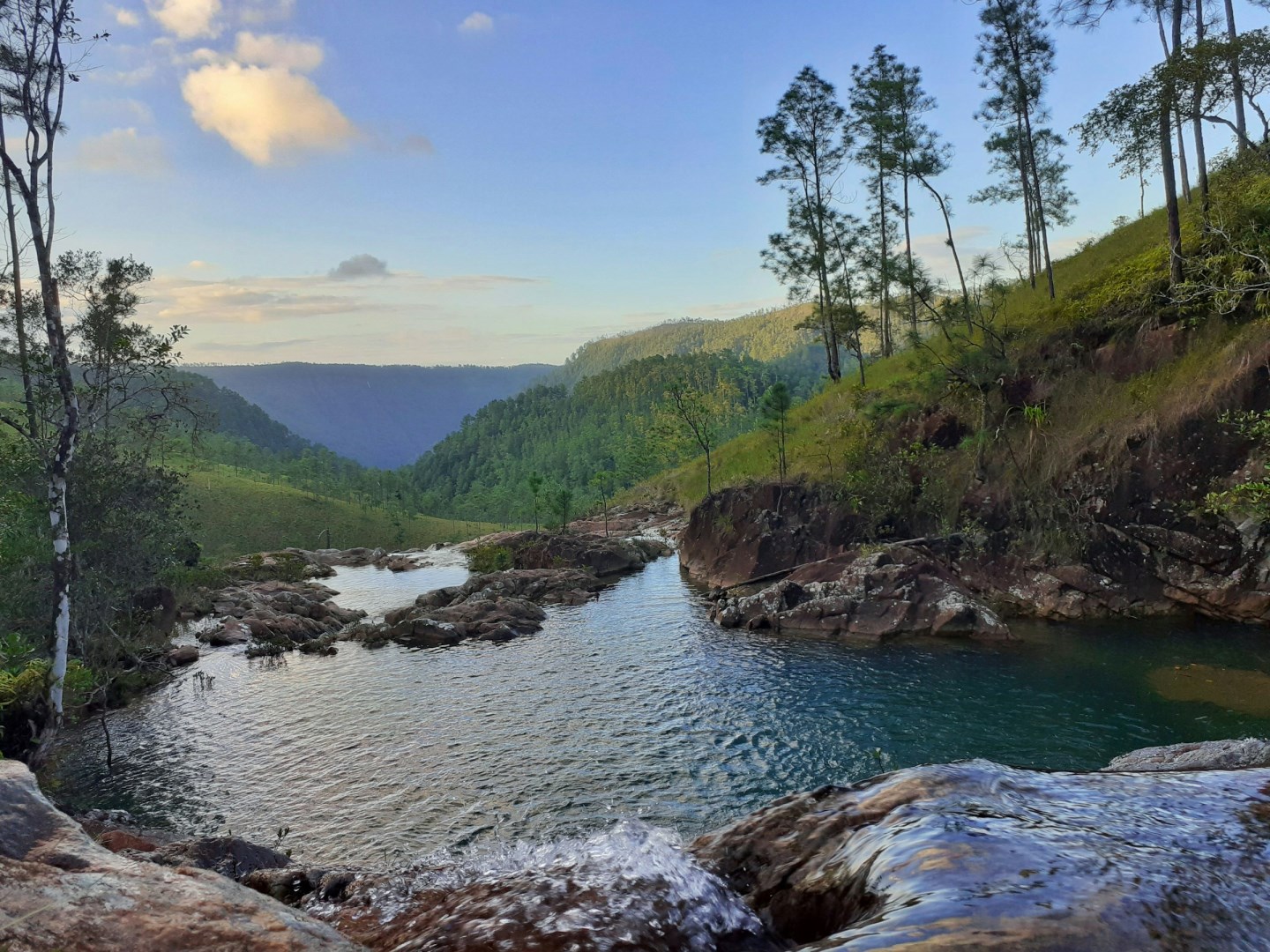
The 300 square mile Mountain Pine Ridge Forest Reserve is reached by taking the Georgeville turnoff at mile 65 of the Western Highway. After going through miles of tropical jungle you will be in a forest of tall pines growing amongst wildflowers and grasses. The area has whitewater rivers, waterfalls and cave systems.
Tjoritja / West MacDonnell National Park
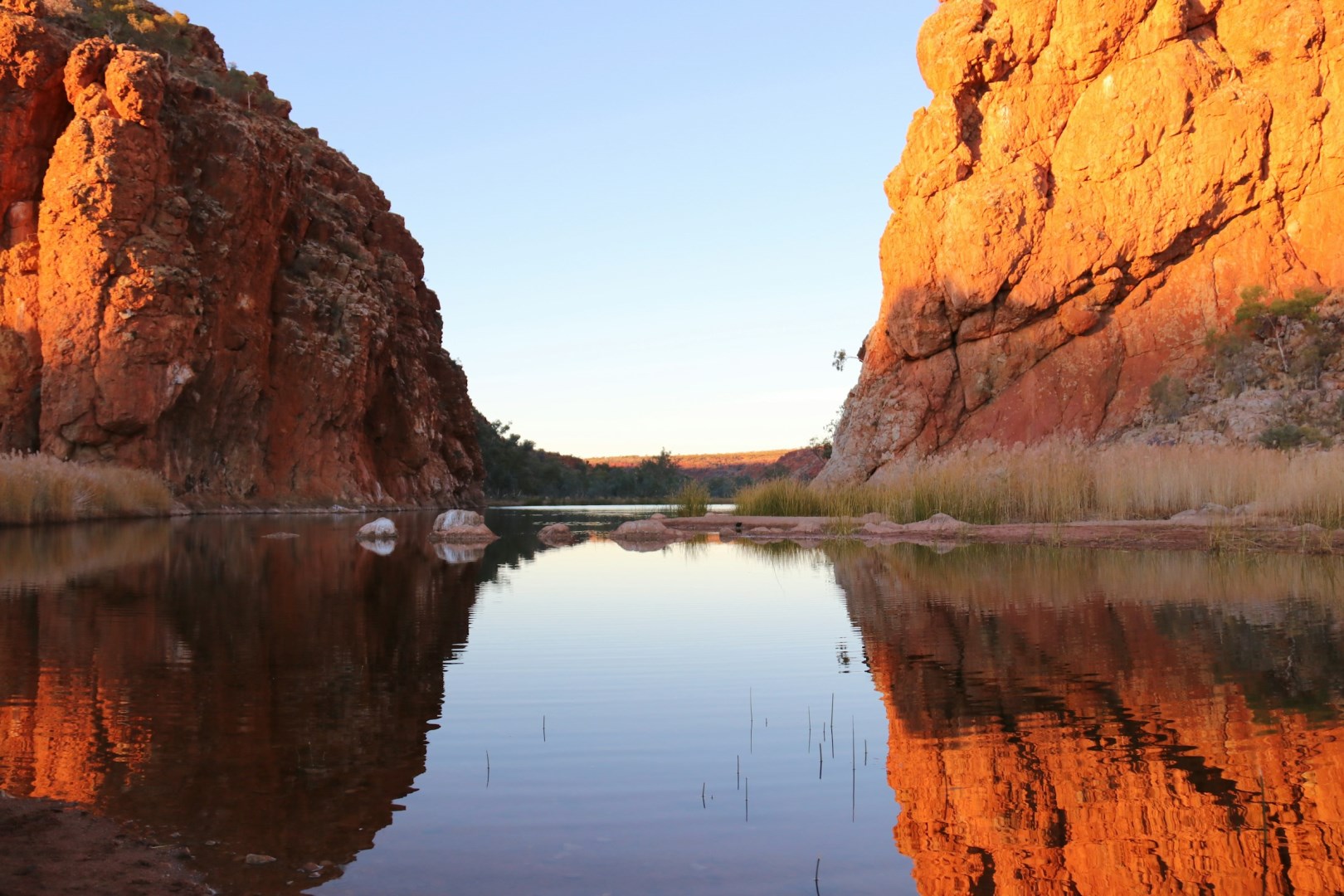
Tjoritja / West MacDonnell National Park lies west of Alice Springs in the Northern Territory, extending for about 161 kilometres along the rugged West MacDonnell Ranges. The park is known for red quartzite ridges, steep-sided gorges, dry riverbeds, and permanent waterholes that provide important refuges for plants and animals. Its landscapes are part of a much older geological setting shaped by erosion and changing climates.