Samburu and Shaba Reserves
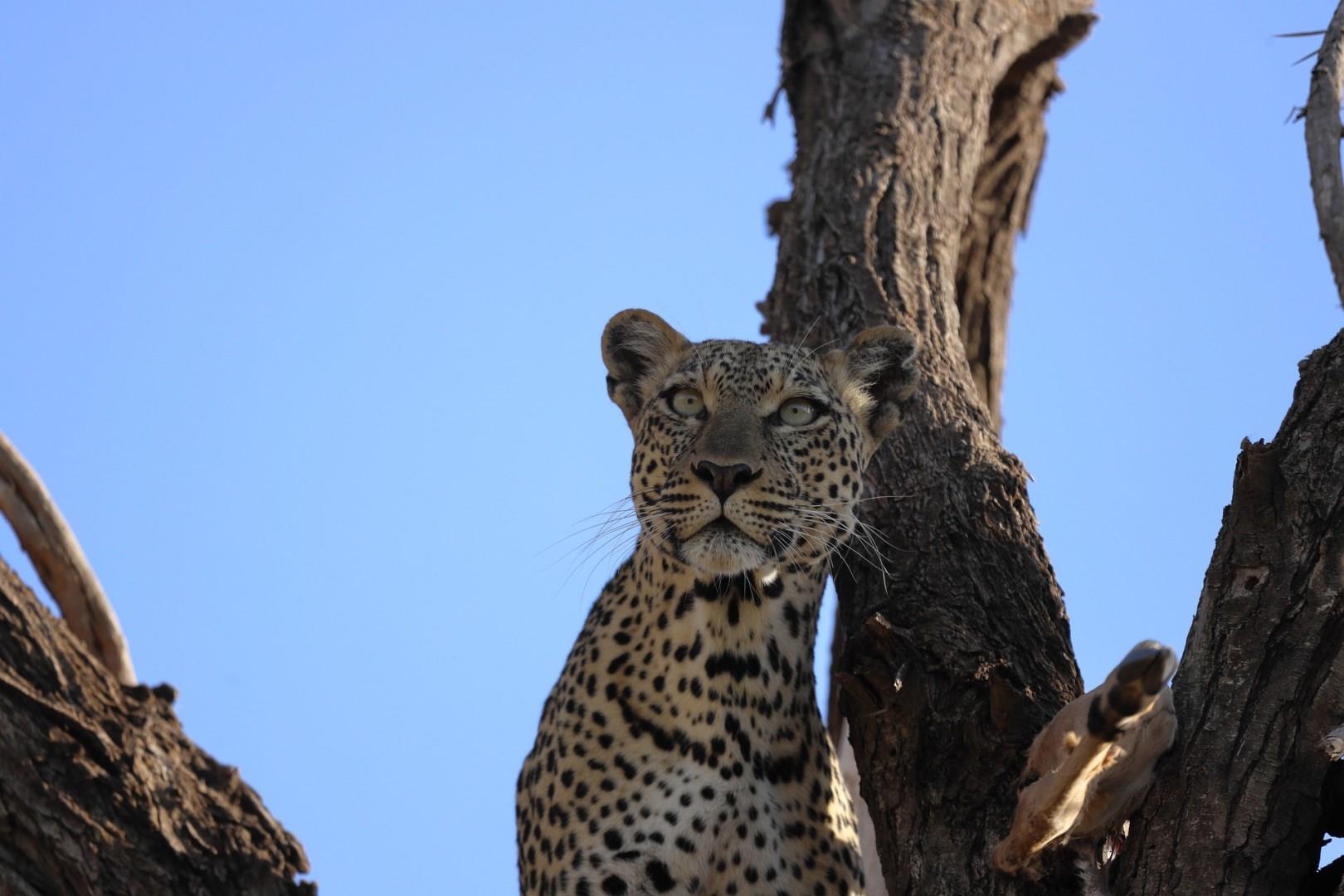
Samburu and Shaba Reserves are some of the most pristine reserves in Kenya, and protect a habitat surprisingly rich in wildlife. The Reserves provide the chance to see many species not found elsewhere in Kenya, such as Grey's zebra, the rare beisa oryx and the Somali ostrich.
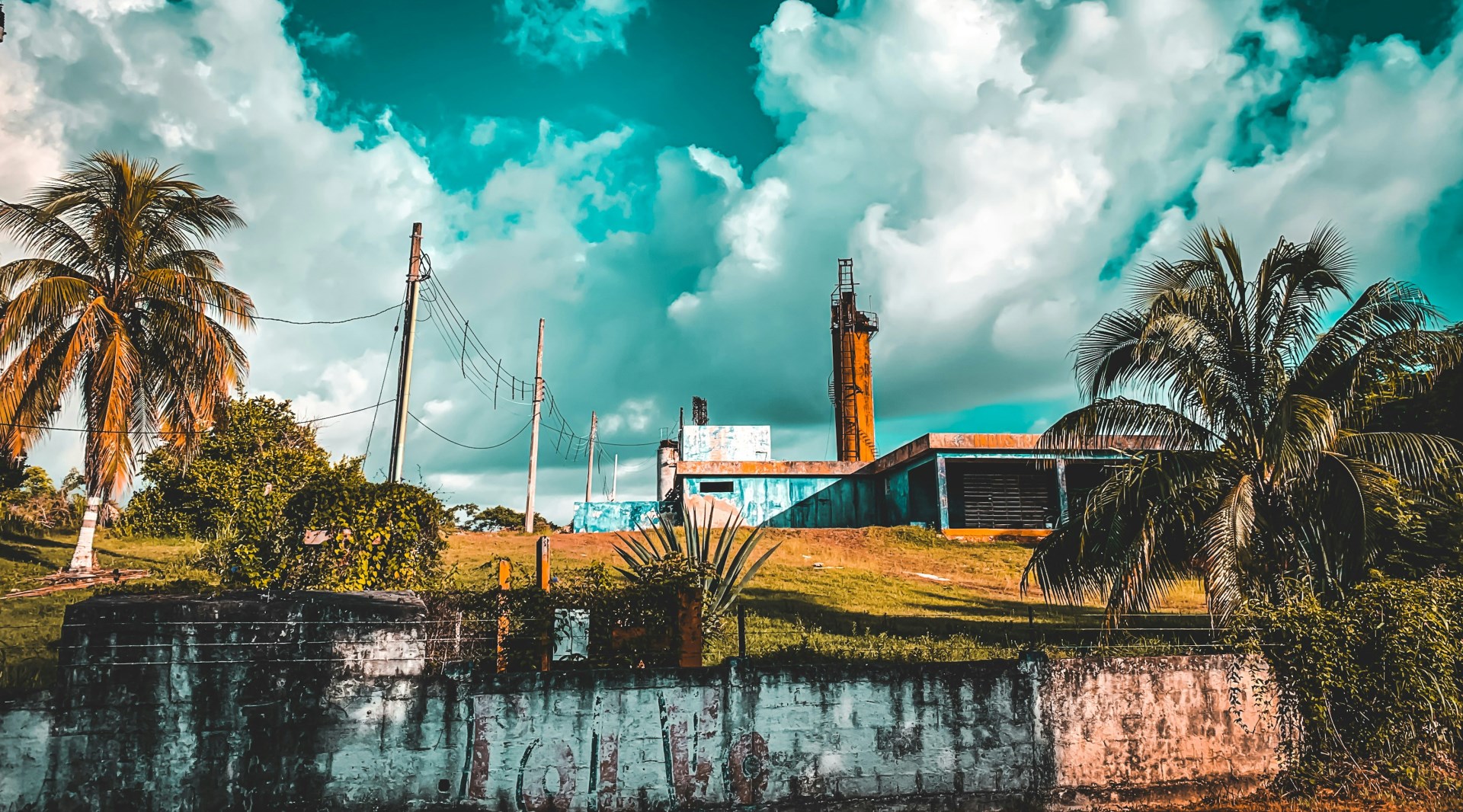
Chetumal
Chetumal is the capital of the Mexican state of Quintana Roo, located near the border with Belize on the western side of Chetumal Bay. Unlike the large resort centers farther north on the Caribbean coast, the city functions primarily as a government, commercial, and cultural center.
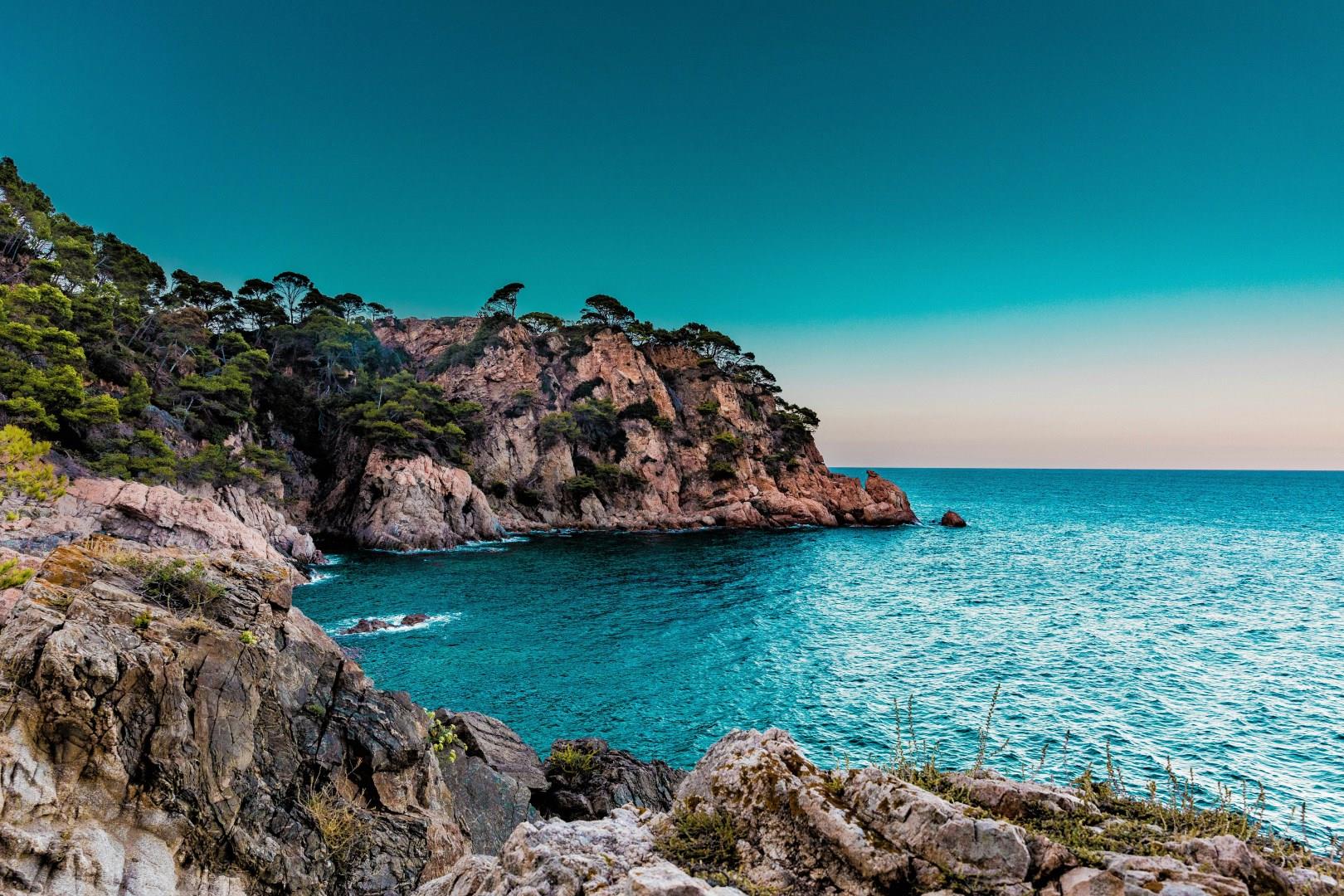
Marbella
Marbella, located between the Mediterranean Sea and the Sierra Blanca mountains, is often associated with its luxury resorts and famous marina, Puerto Banús. But beyond the polished storefronts and designer yachts, the city has a layered past. Its old town, known as Casco Antiguo, is a well-preserved network of narrow streets built during Moorish rule, with whitewashed buildings, flower-filled balconies, and hidden plazas like Plaza de los Naranjos, which dates back to the 15th century.
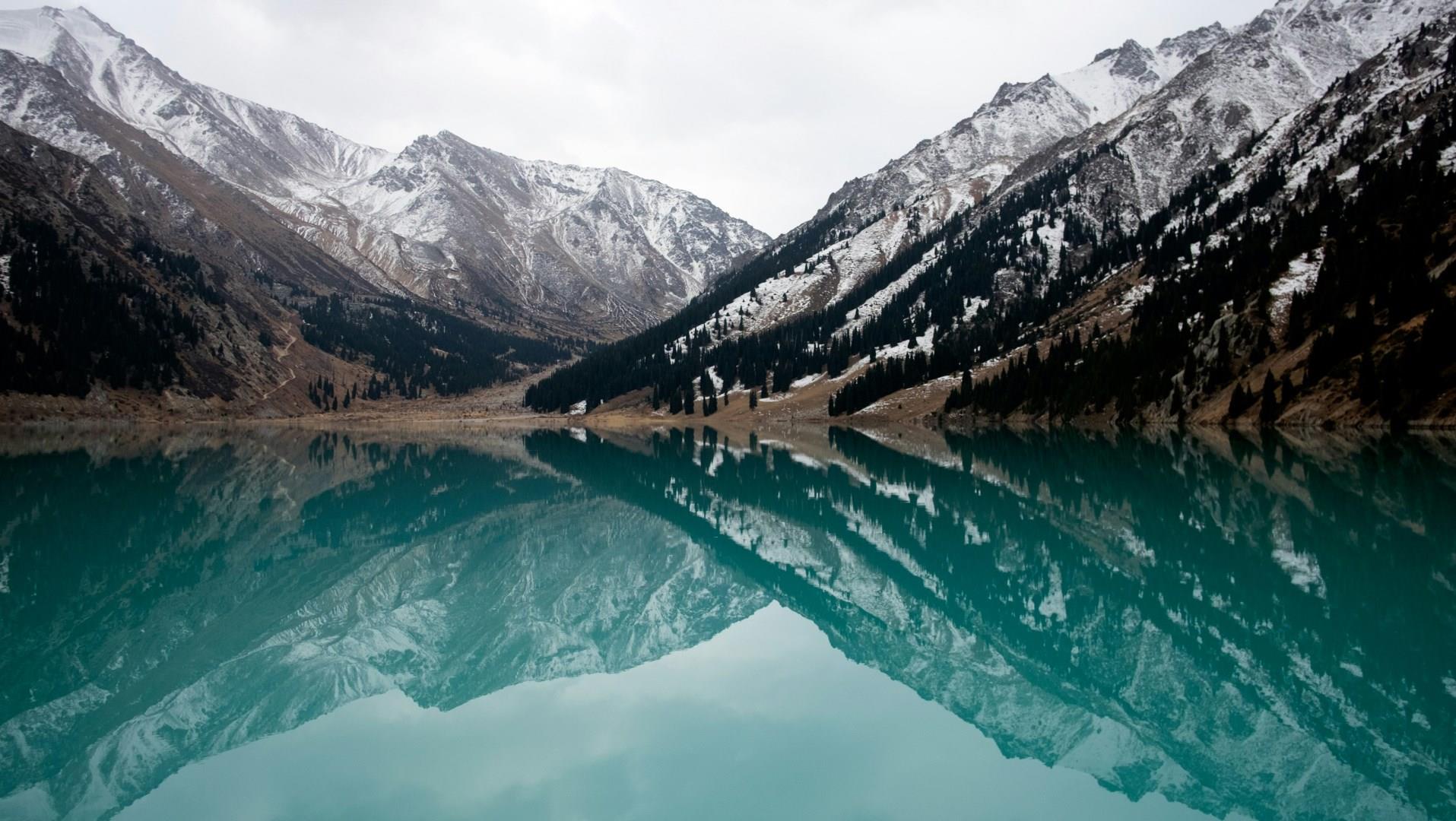
Kazakhstan
Kazakhstan, the world’s ninth-largest country, offers travelers a striking mix of sweeping steppe landscapes, modern cities, and deep-rooted nomadic traditions.

Ishasha
Ishasha, a hidden gem in southwestern Uganda, offers travelers a serene yet thrilling experience within Queen Elizabeth National Park. Known for its famous tree-climbing lions, this remote section of the park attracts wildlife enthusiasts eager to witness these majestic creatures lounging in the branches of fig and acacia trees. The landscape of Ishasha is stunning, with vast savannahs stretching out towards the horizon, dotted with rivers that attract herds of elephants, buffalo, and antelopes.