Liepāja
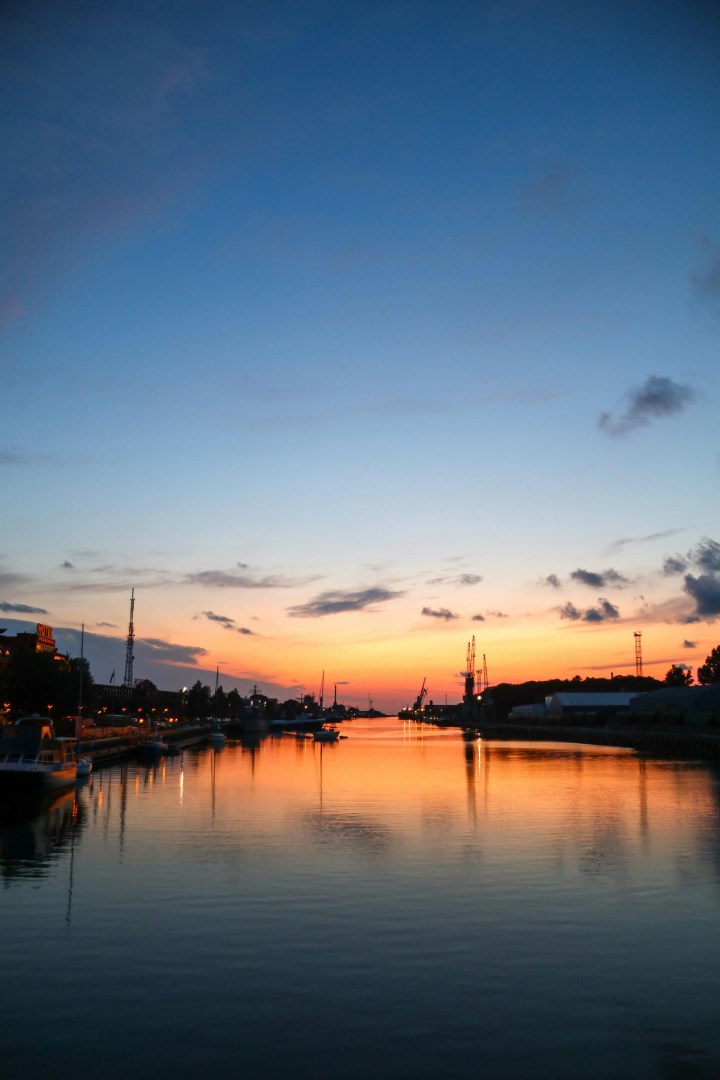
Liepāja is a coastal city in western Latvia, positioned between the Baltic Sea and Lake Liepāja. Its identity has long been shaped by the sea, port activity, industry, and music, while the city center contains a notable collection of wooden and Art Nouveau buildings. A broad sandy beach stretches along the coast, separated from the urban area by the large Seaside Park.

Sapporo
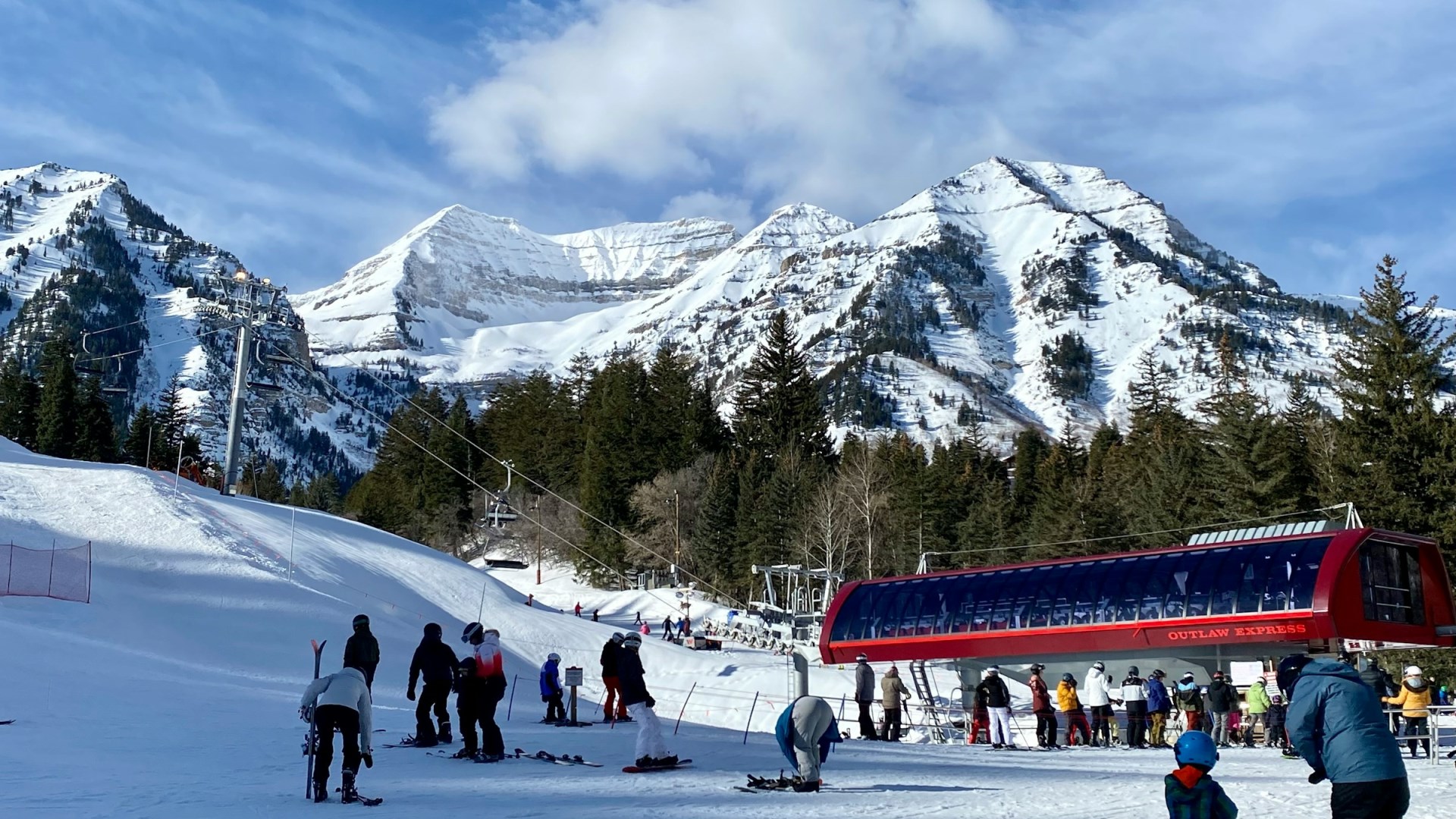
Sapporo, (säp-pô´rô), capital of Hokkaido prefecture, SW Hokkaido, Japan. One of Japan's most rapidly growing urban centers, Sapporo is famous for its annual snow festival. It was the site of the 1972 winter Olympics.

Rarotonga Island
Rarotonga, the vibrant heart of the Cook Islands, offers visitors a chance to experience island life with striking scenery and rich tradition. This volcanic island is only 32 kilometers around, making it easy to explore by scooter or bicycle in a single day. From the lush mountains of the interior to the lagoon that wraps around the coast, Rarotonga feels intimate but never short on discovery.
Long Beach
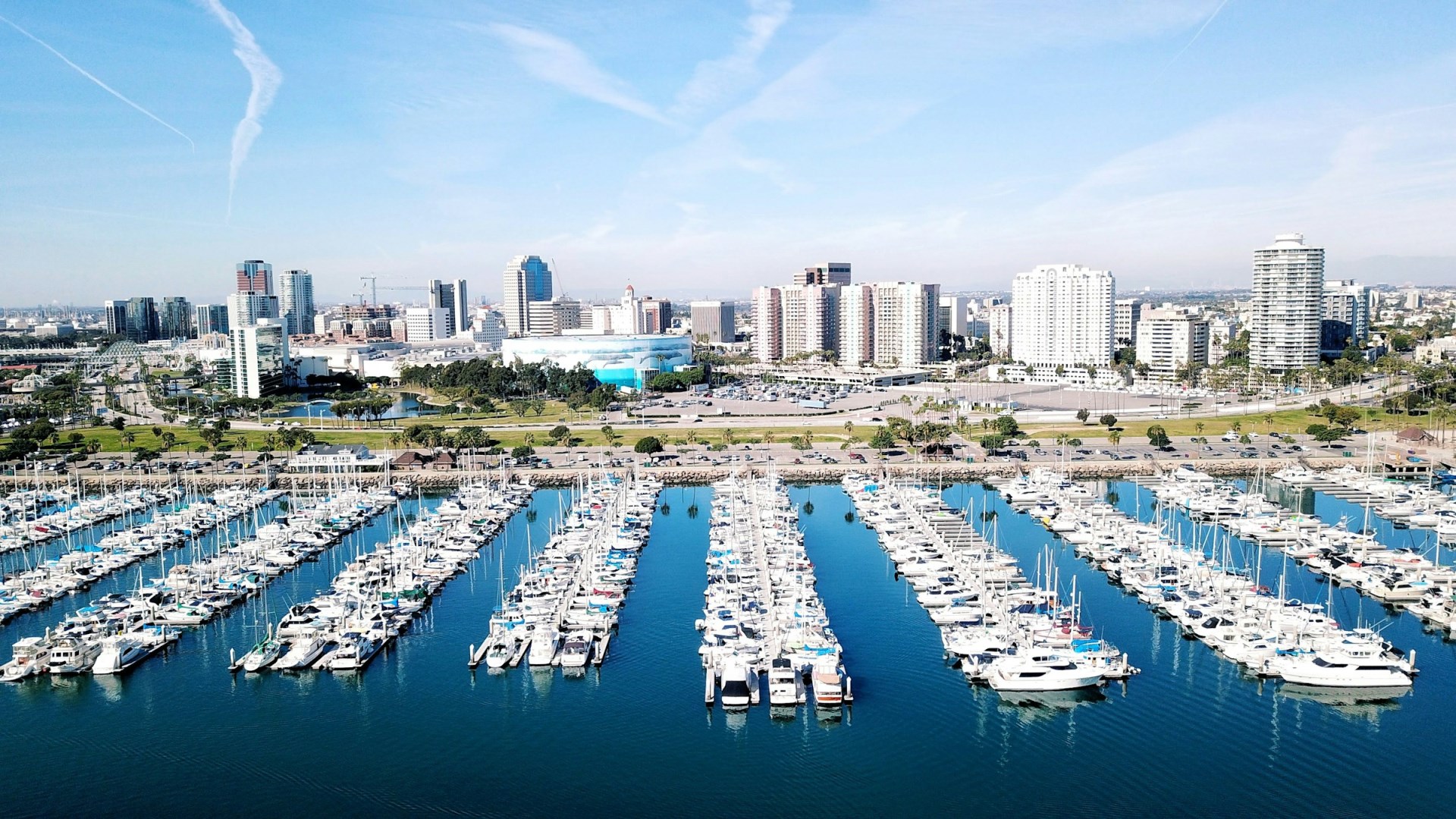
Long Beach is a major coastal city in Southern California, located south of Los Angeles where the Los Angeles River meets the Pacific Ocean. Its waterfront combines sandy beaches, marinas, parks, and a busy harbor with a dense urban center. The city is known for its broad waterfront, diverse neighborhoods, and strong connections to shipping, aviation, and maritime industries.

Kochi
Kochi (formerly Cochin), is a port city on the southwest coast of India and is a frequent stop for cruise ships. Known as the "Gateway to Kerala," Kochi's beaches, delectable seafood, expansive malls, historical sites, and museums make it a popular tourist destination.