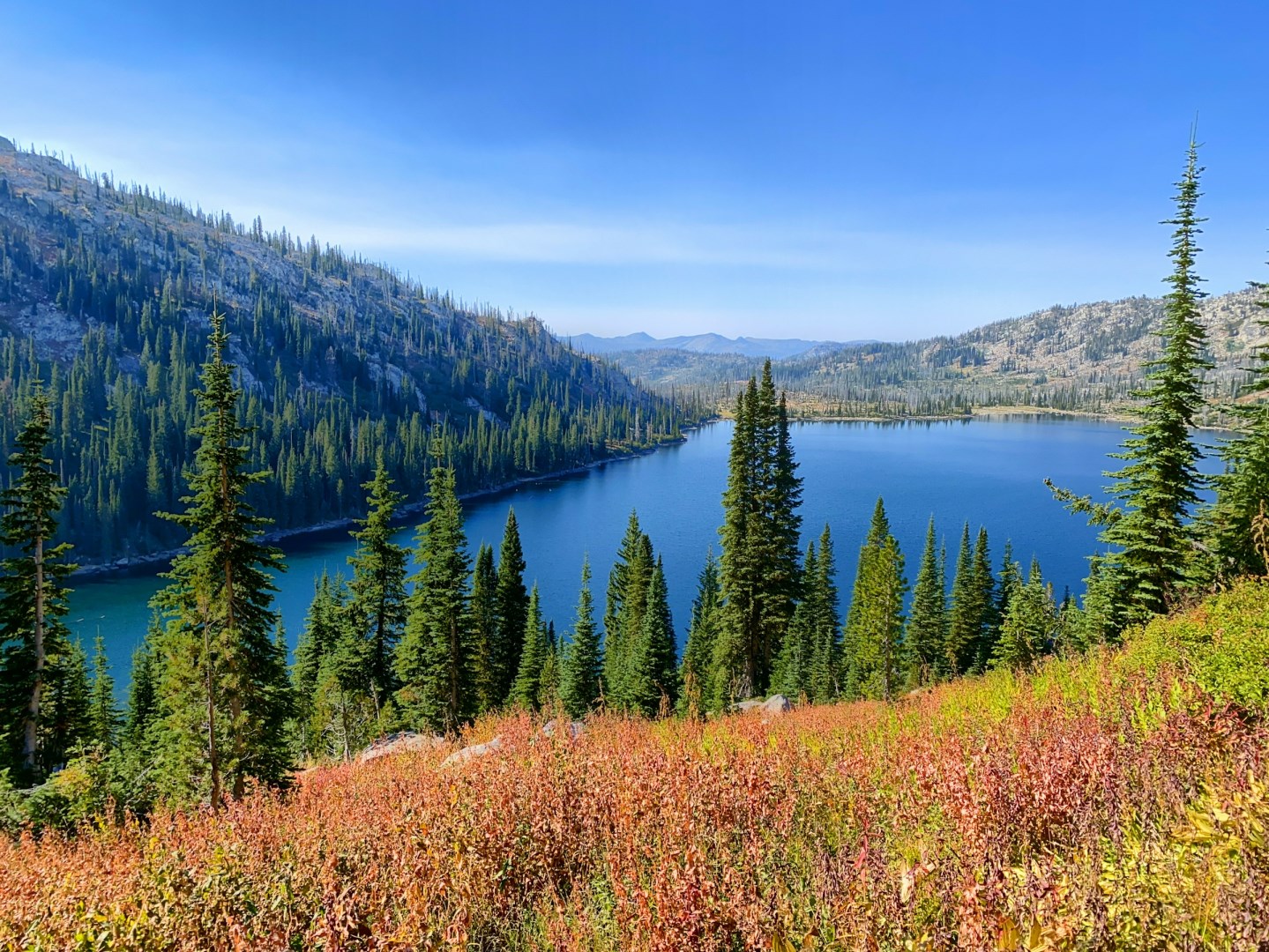
Payette National Forest
Payette National Forest covers a large area of west-central Idaho, extending across the rugged Salmon River Mountains and the western side of the state’s central mountain country. The forest includes alpine ridges, deep river valleys, conifer forests, meadows, and high mountain lakes.
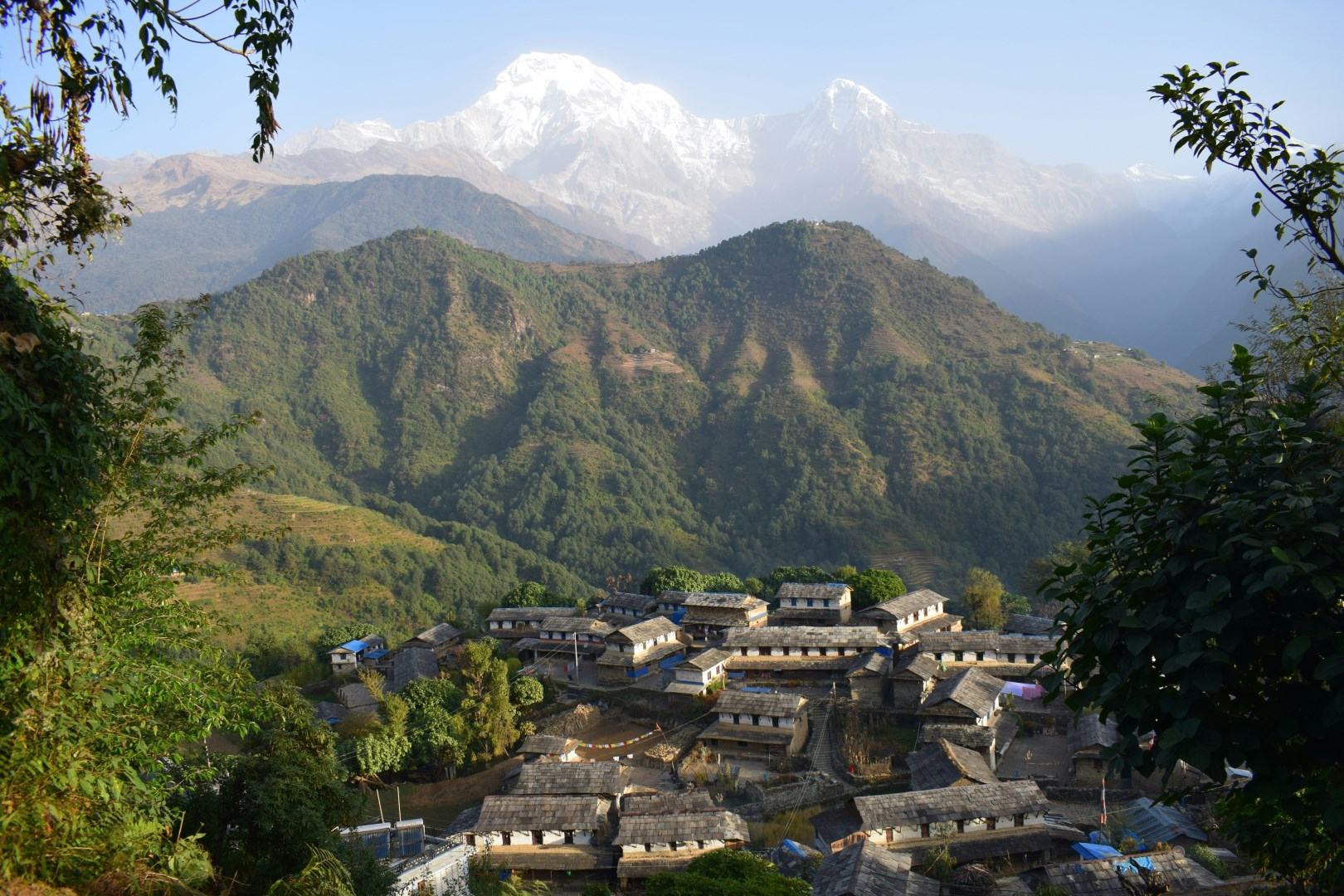
Ghandruk
Ghandruk is a mountain village in Nepal’s Annapurna region, located on terraced hillsides overlooking the Modi Khola Valley. The village is widely recognized for its stone houses, slate roofs, and panoramic views of peaks.

Gulf of Alaska
The Gulf of Alaska, a vast expanse of icy blue waters nestled along the southern coast of Alaska, is a remarkable destination for nature enthusiasts and adventure seekers. This pristine region is renowned for its dramatic fjords, rugged coastline, and majestic glaciers, which contribute to its breathtaking scenery.
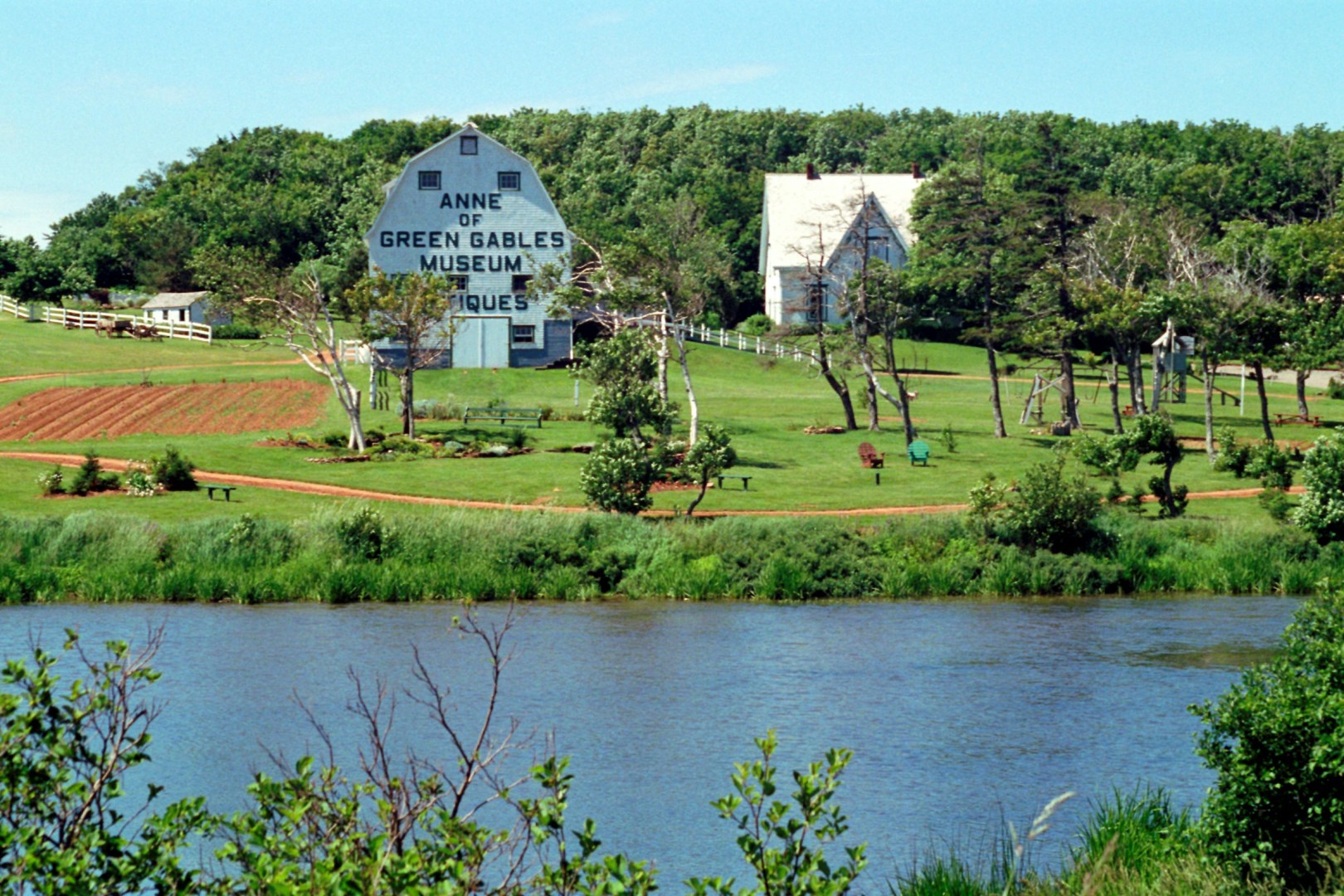
Park Corner
Park Corner is a rural community in Prince Edward Island's Queens County, situated near the shores of New London Bay. The area is closely associated with Lucy Maud Montgomery, the Island author whose Anne of Green Gables stories drew on the landscapes and communities of Prince Edward Island. Park Corner is surrounded by farmland, woodland, and coastal scenery, with the nearby Lake of Shining Waters forming part of the setting connected to Montgomery's writing.

Lima
Lima's sprawling size and unique embrace of both past and present make it an unforgettably unique destination. Colonial architecture, gastronomical delights, and art are all part of the fabric of this city.