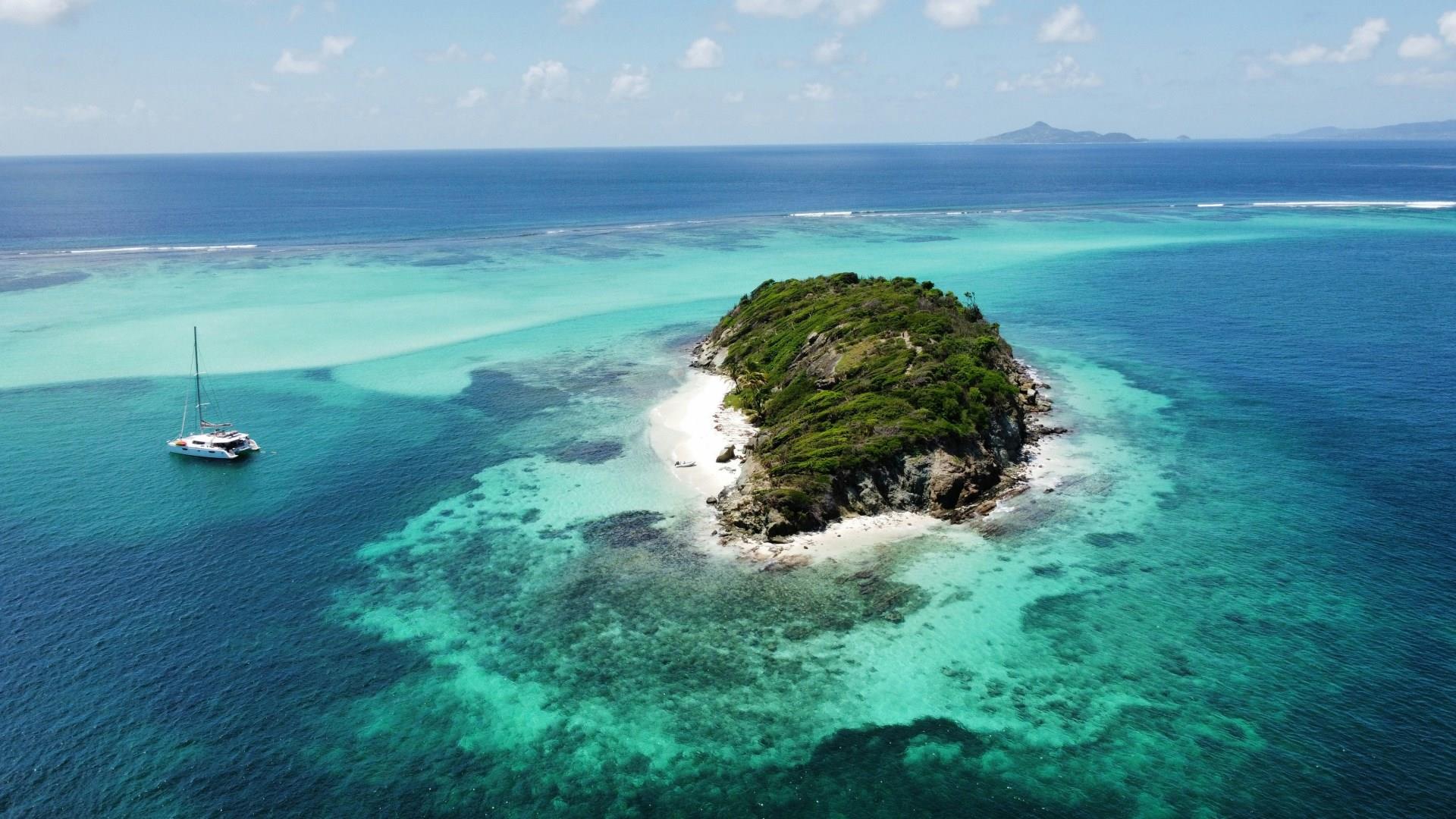
Tobago Cays
The Tobago Cays are a small cluster of uninhabited islands and reefs in the Southern Grenadines, known for their crystalline waters, coral formations, and vibrant marine life.
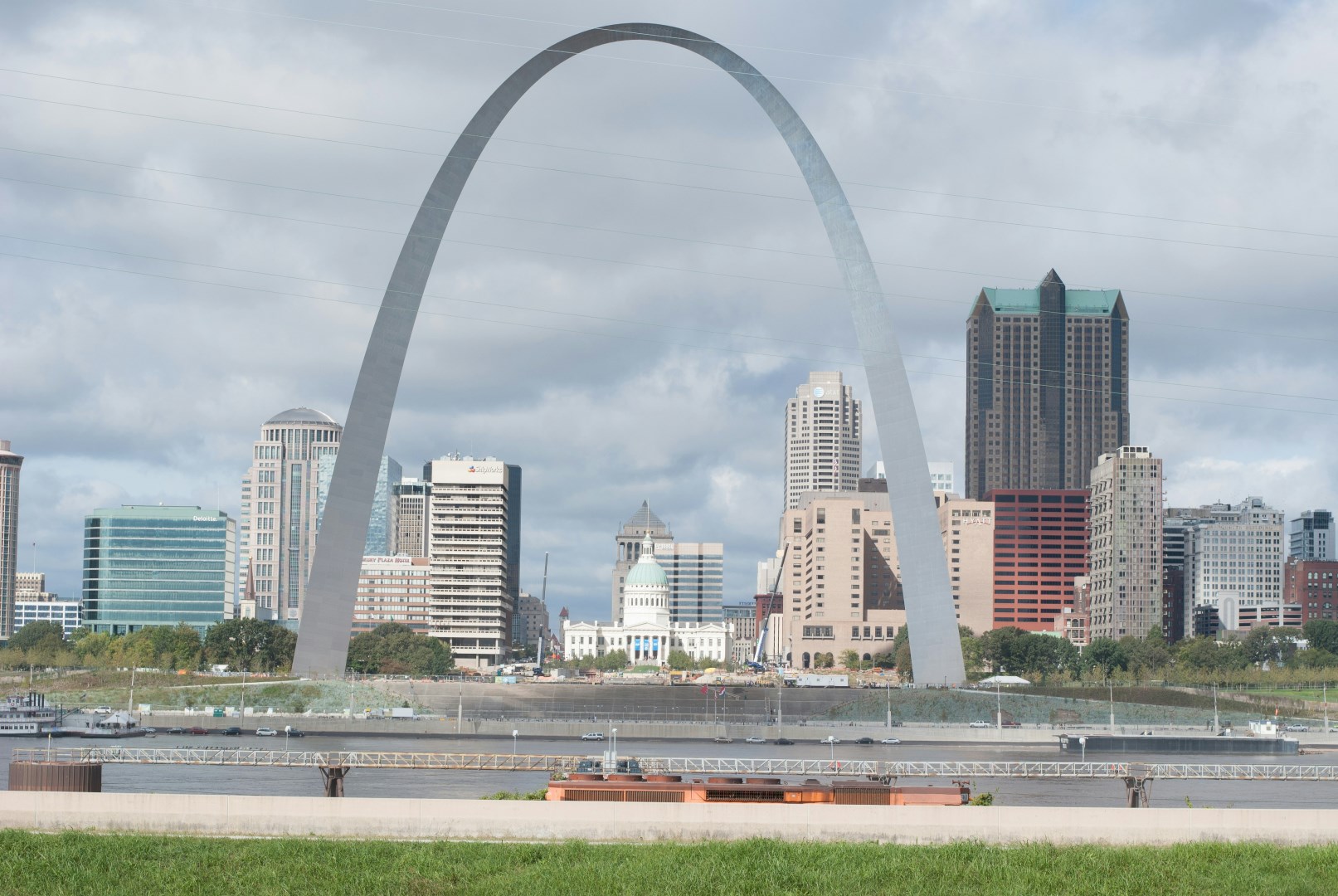
St. Louis
St. Louis is a major city in the state of Missouri, United States, located along the western bank of the Mississippi River. It is widely recognized for the Gateway Arch, which defines its skyline and reflects its historical role as a point of movement toward the western parts of the country.
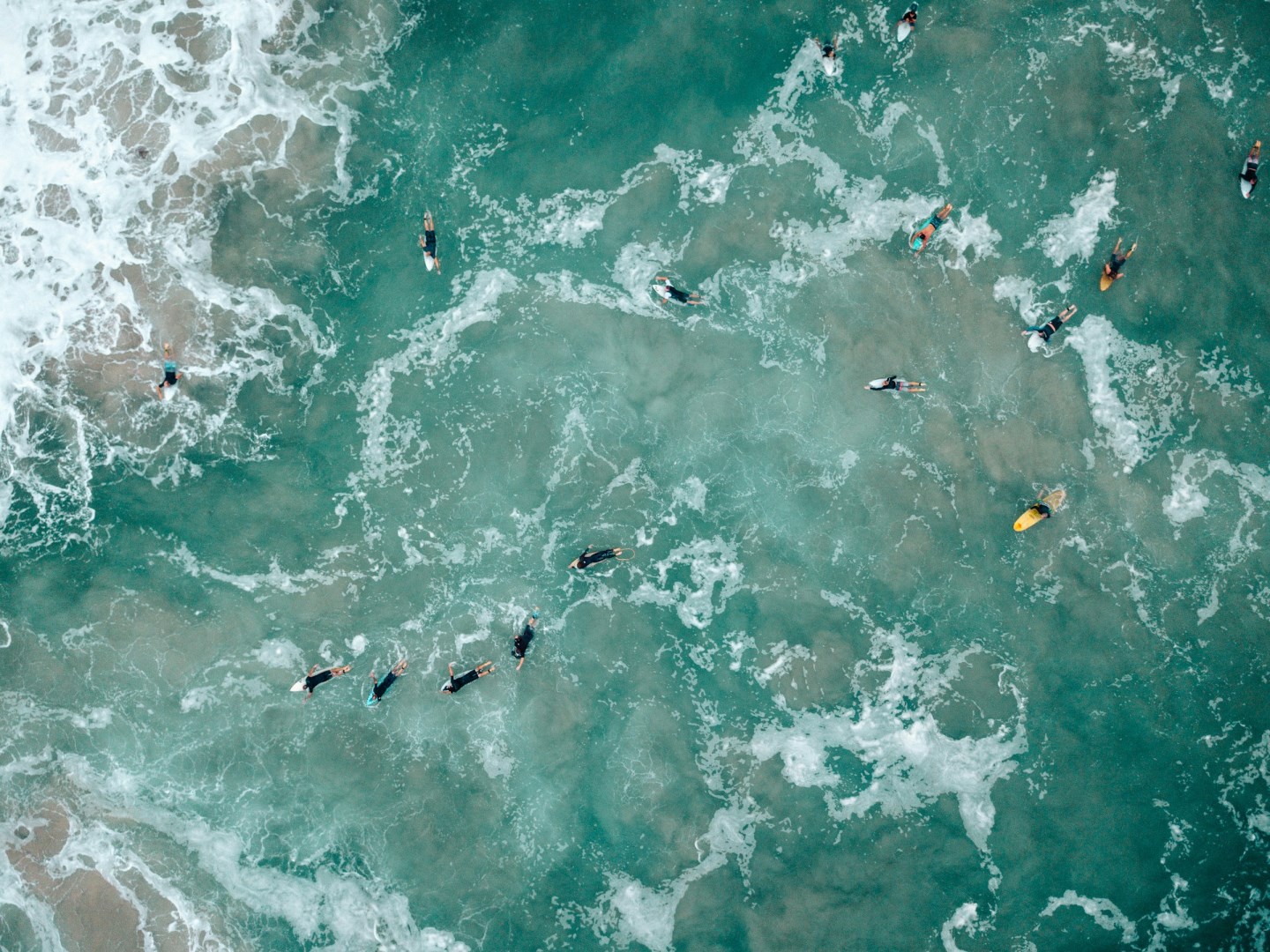
Gold Coast
Australia's Gold Coast is the ideal holiday place for people on the go, or on a go-slow. In one day you can enjoy surfing on golden beaches, bushwalking in subtropical rainforests, cruising down oceanfront boulevards in a fun convertible, or taking a dinner cruise aboard a luxury yacht.
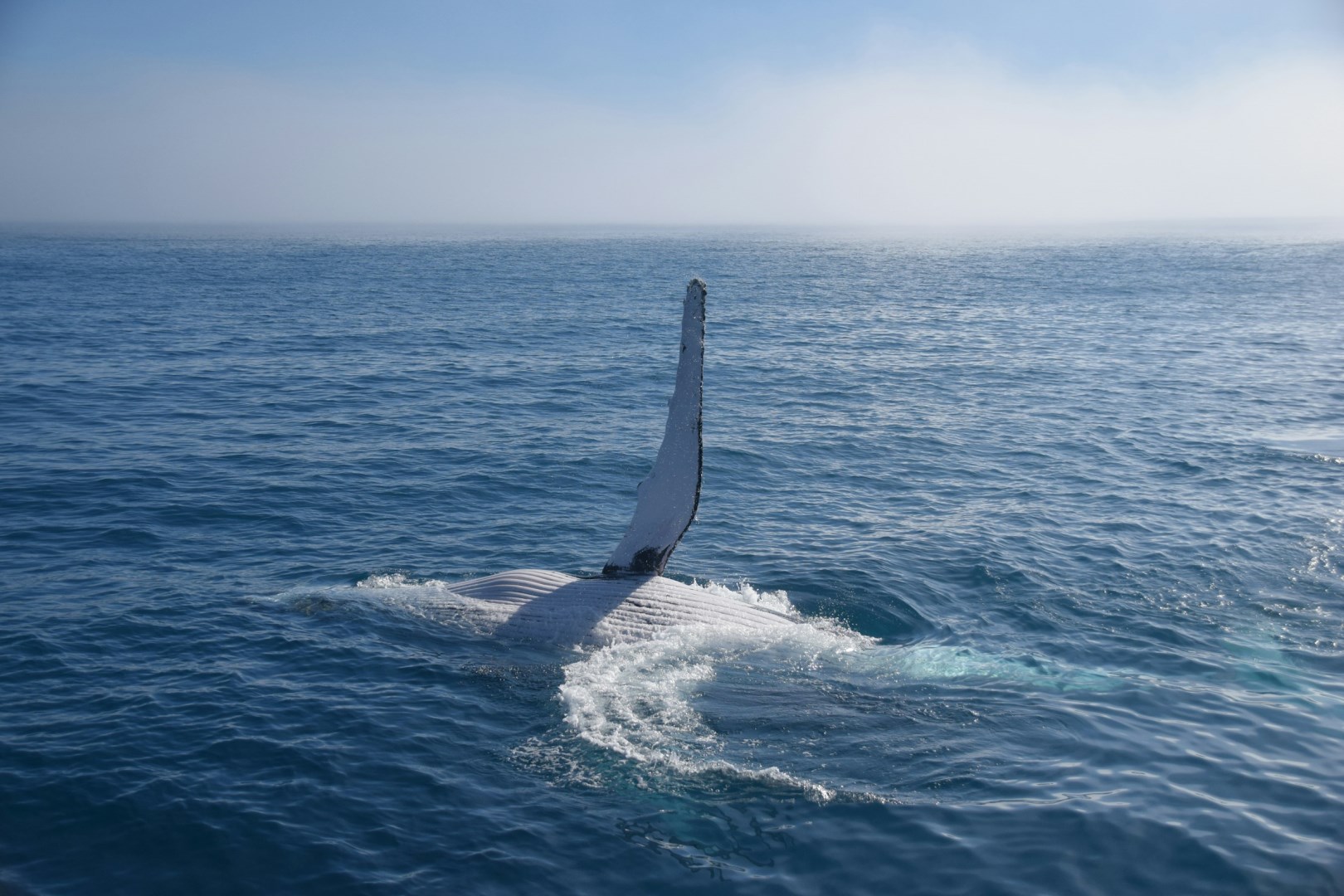
Hervey Bay
Hervey Bay, a rapidly expanding city, situated in sub tropical Queensland, is one of Australia's favorite holiday destinations. With a marvelous climate and wonderful calm water beaches ideal for swimming all year round , it is a well known aquatic playground. Whatever your needs may be: water sports tours of adjacent world heritage Fraser Island, fishing trips, coral viewing trips, diving, scenic flights, whale watching (August to October), or just relaxing, Hervey Bay is ideally situated.
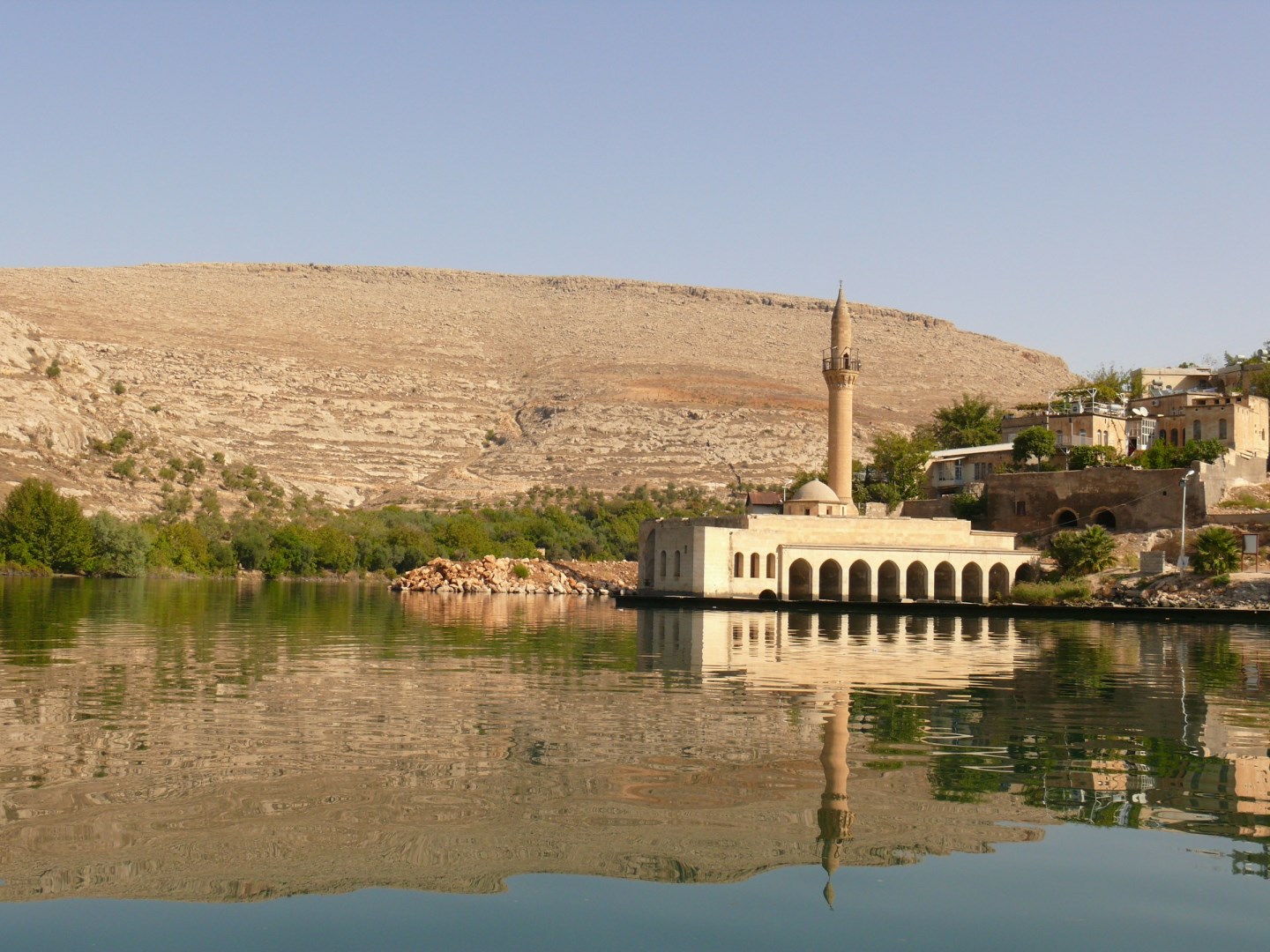
Urfa
Urfa proudly exhibits the legacy of all civilizations that have prospered in this region. In the second millenium B.C., it was a city of a Hurrite state. Tradition relates that Abraham was born in a cave near the area where the Mevlid Mosque now stands.