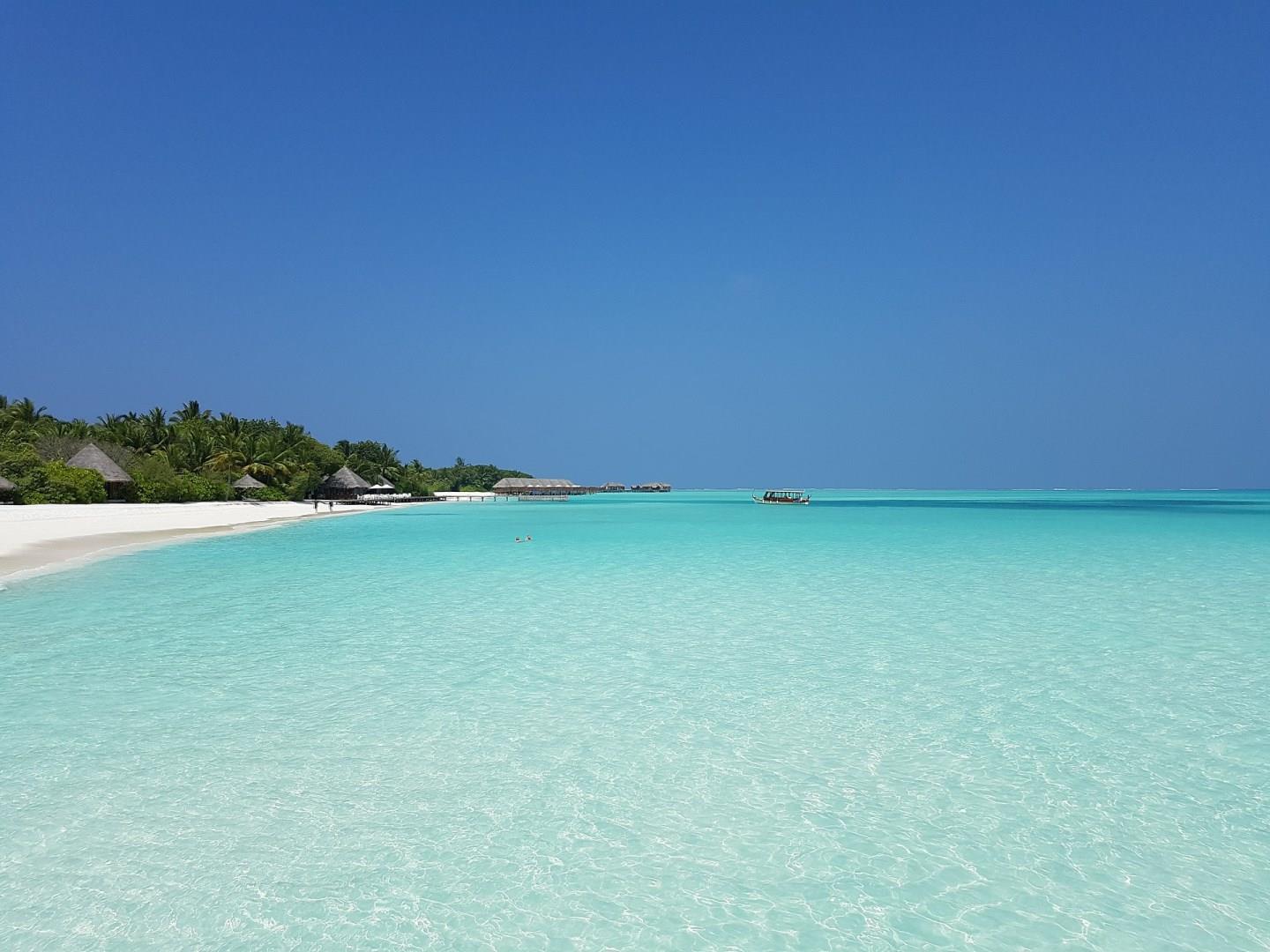
Maldives
The Maldives, a nation of islands scattered across the Indian Ocean, is known for its dazzling turquoise waters, white-sand beaches, and vibrant coral reefs. Stretching across 26 atolls, this tropical paradise is often described as one of the most beautiful places on Earth.
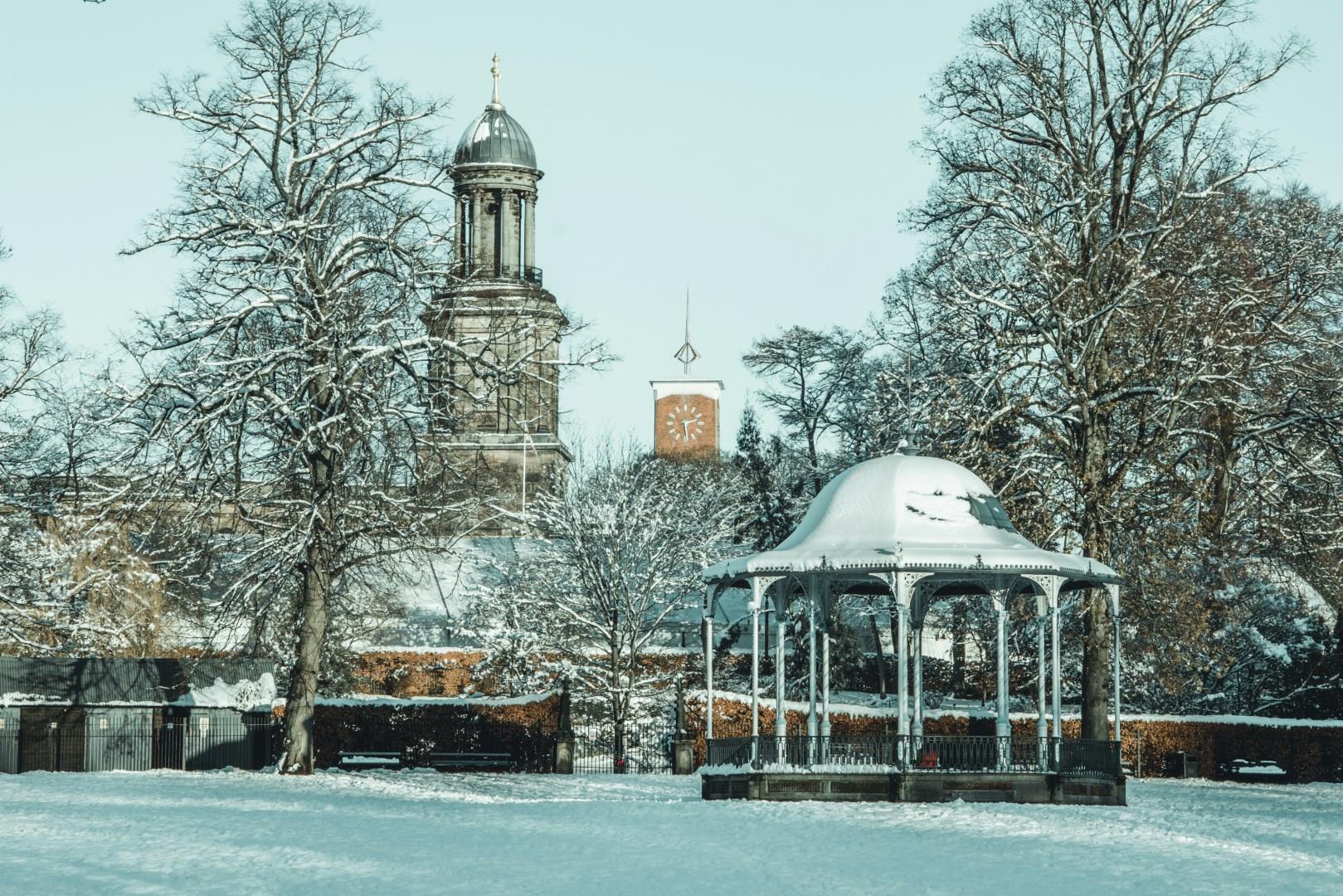
Shrewsbury
Shrewsbury, a picturesque market town in Shropshire, England, is celebrated for its medieval charm, riverside setting, and remarkably well-preserved architecture. Encircled almost entirely by a loop of the River Severn, the town’s winding streets and timber-framed buildings transport visitors back through centuries of English history.
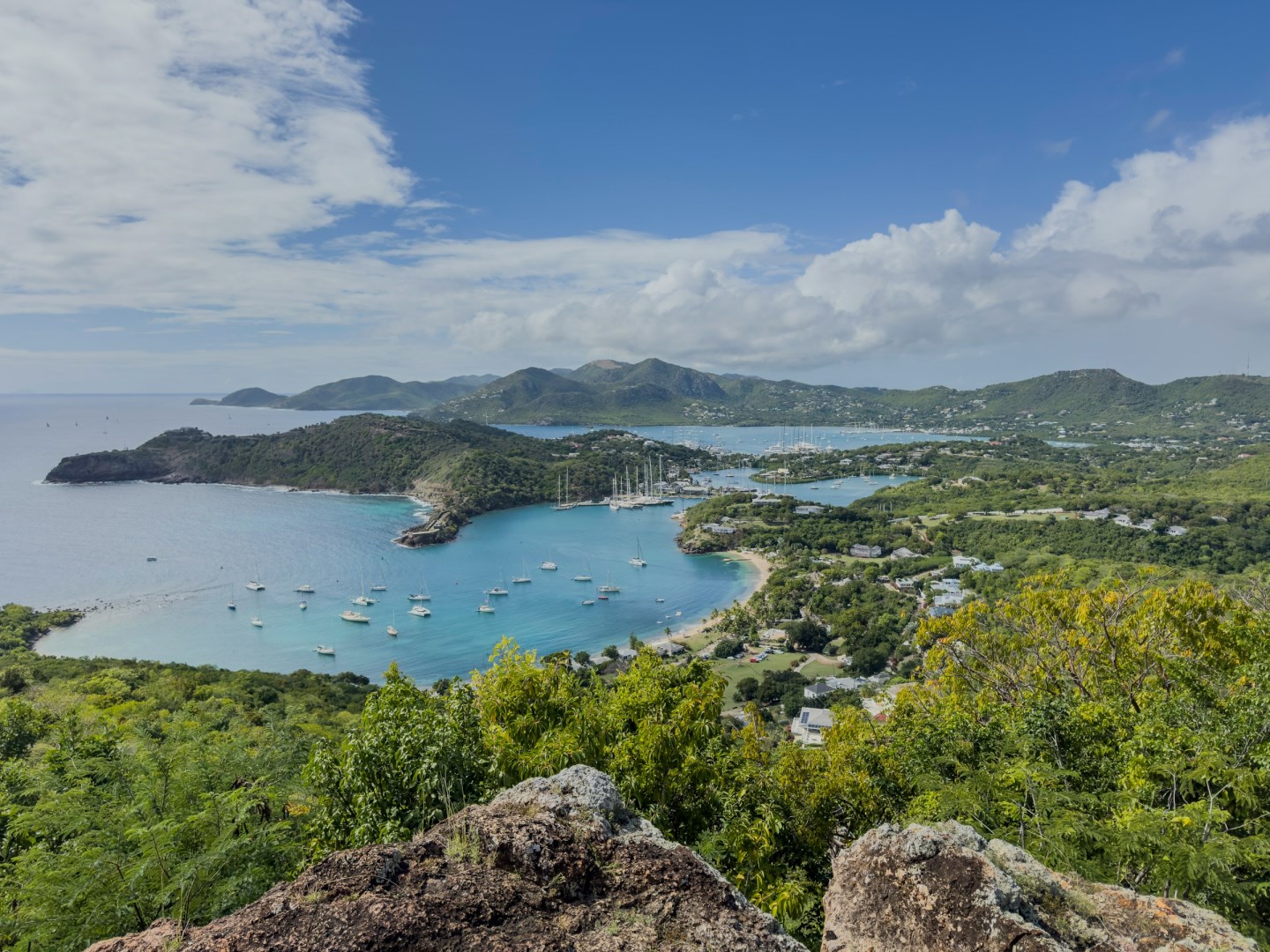
English Harbour
English Harbour is a historic harbour district on the southeastern coast of Antigua, known for its sheltered bay, maritime heritage, and surrounding hills. The area is closely associated with Nelson's Dockyard, a preserved Georgian naval complex that remains one of Antigua and Barbuda's best-known heritage sites.
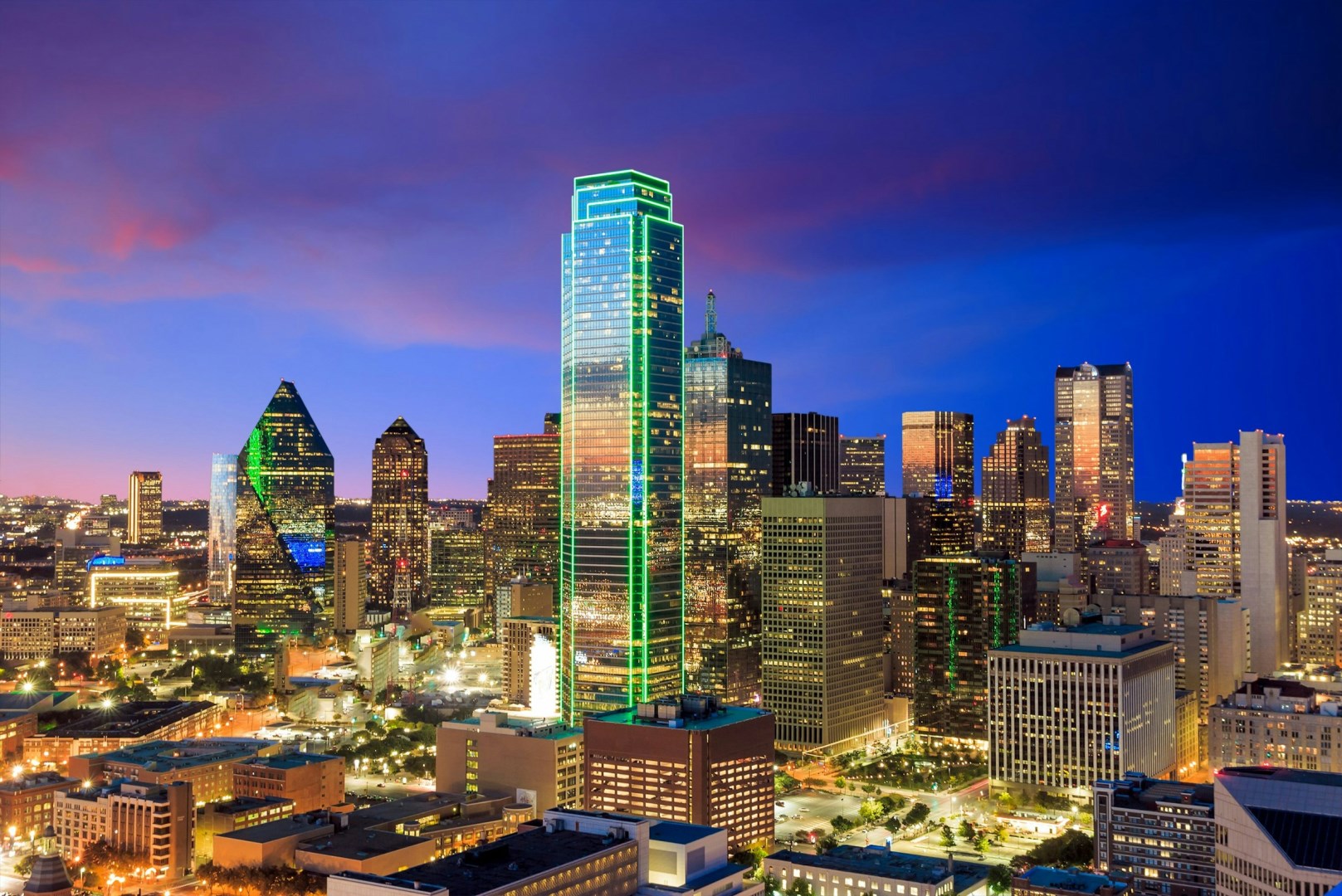
Dallas
Dallas is a major city in North Texas, situated within the broad prairie and wooded creek landscapes of the Trinity River region. Its urban area includes a dense downtown, established residential neighborhoods, modern business districts, and extensive parks and trails. The city is part of the larger Dallas-Fort Worth metropolitan area and has developed as a major center for business, transportation, technology, arts, and culture.
Linköping
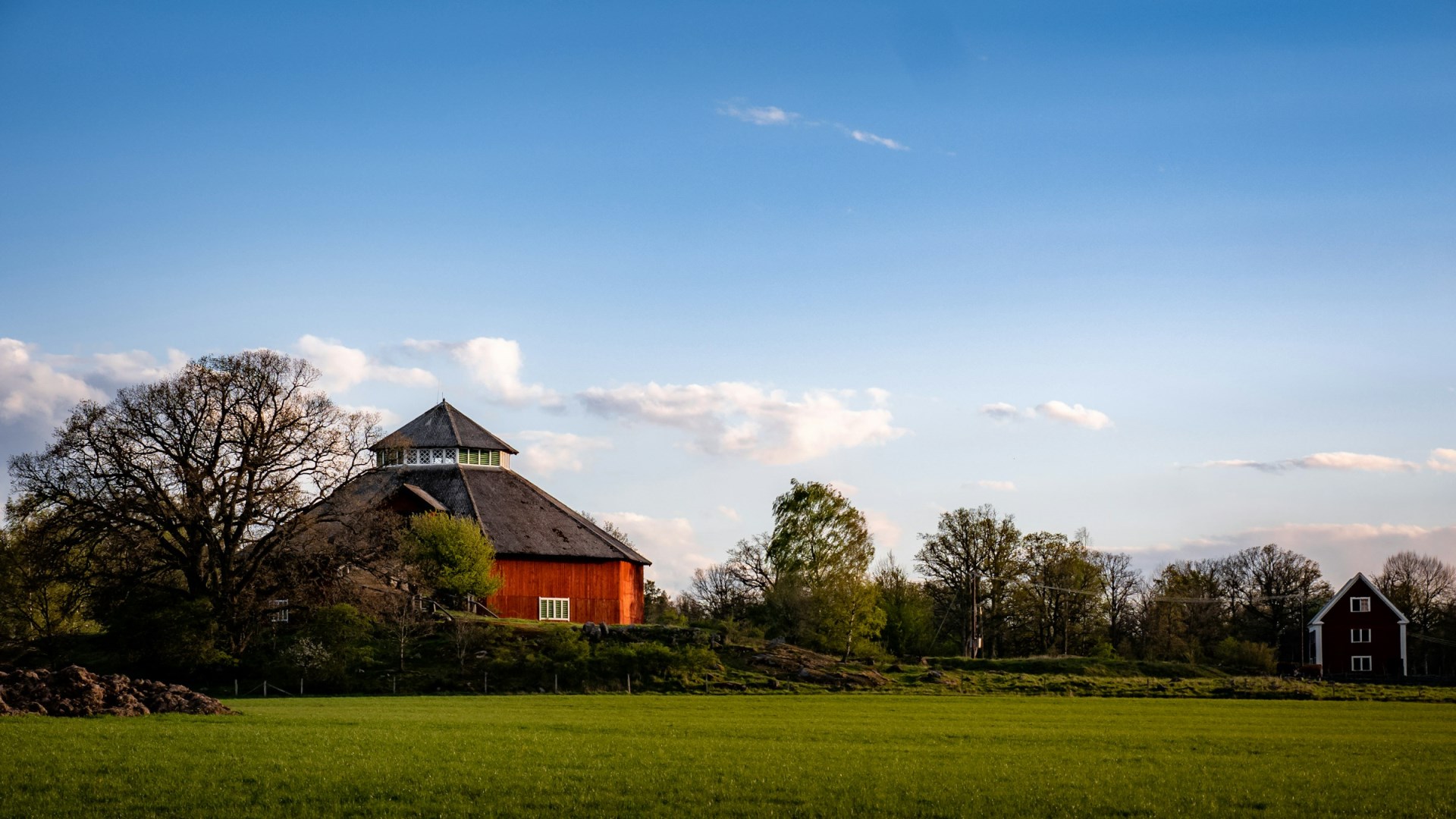
Even though Linköping has developed into an industrial center and is Sweden's fifth-largest city, it maintains a small-town atmosphere. Old Linköping is the restored town center with preserved buildings from the 18th and 19th centuries. The tower of the impressive Linköping Cathedral, which took nearly 300 years to complete, can be seen from a distance of more than 10 kilometers.