Llandudno
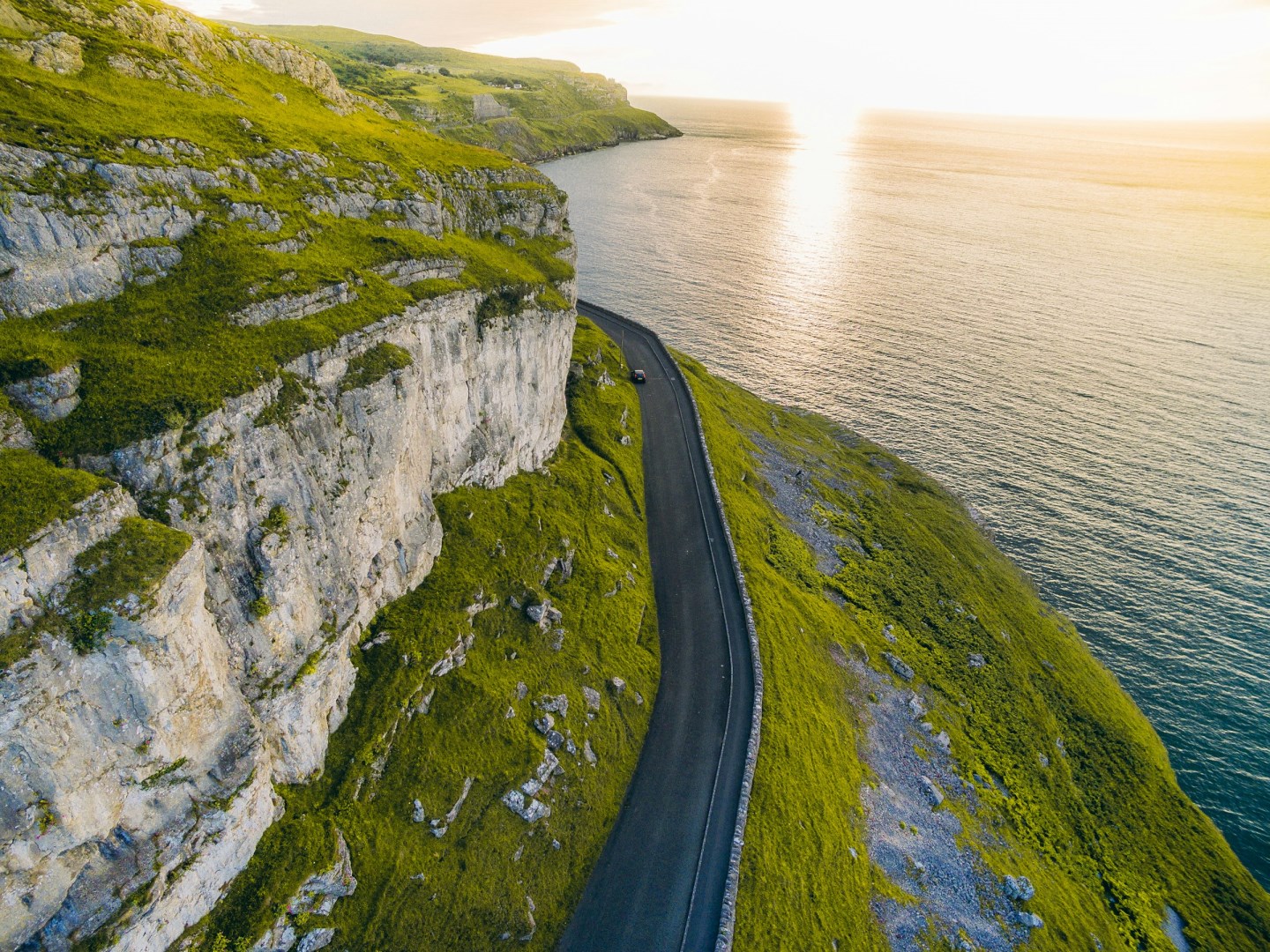
Llandudno has two beaches on either side of the town. The quieter West Shore with it's sandy beach has a view of the Conwy Estuary, Isle of Anglesy and Puffin Island, site of a Cistercian monastery. Spanning over two miles of the crescent bay is the North Shore. On the pier there are places of amusement including Professor Peabody's Playplace containing supervised activities for the children. On the opposite side is Craig-Y-Don, a paddling pool for the toddlers.
Hermanus
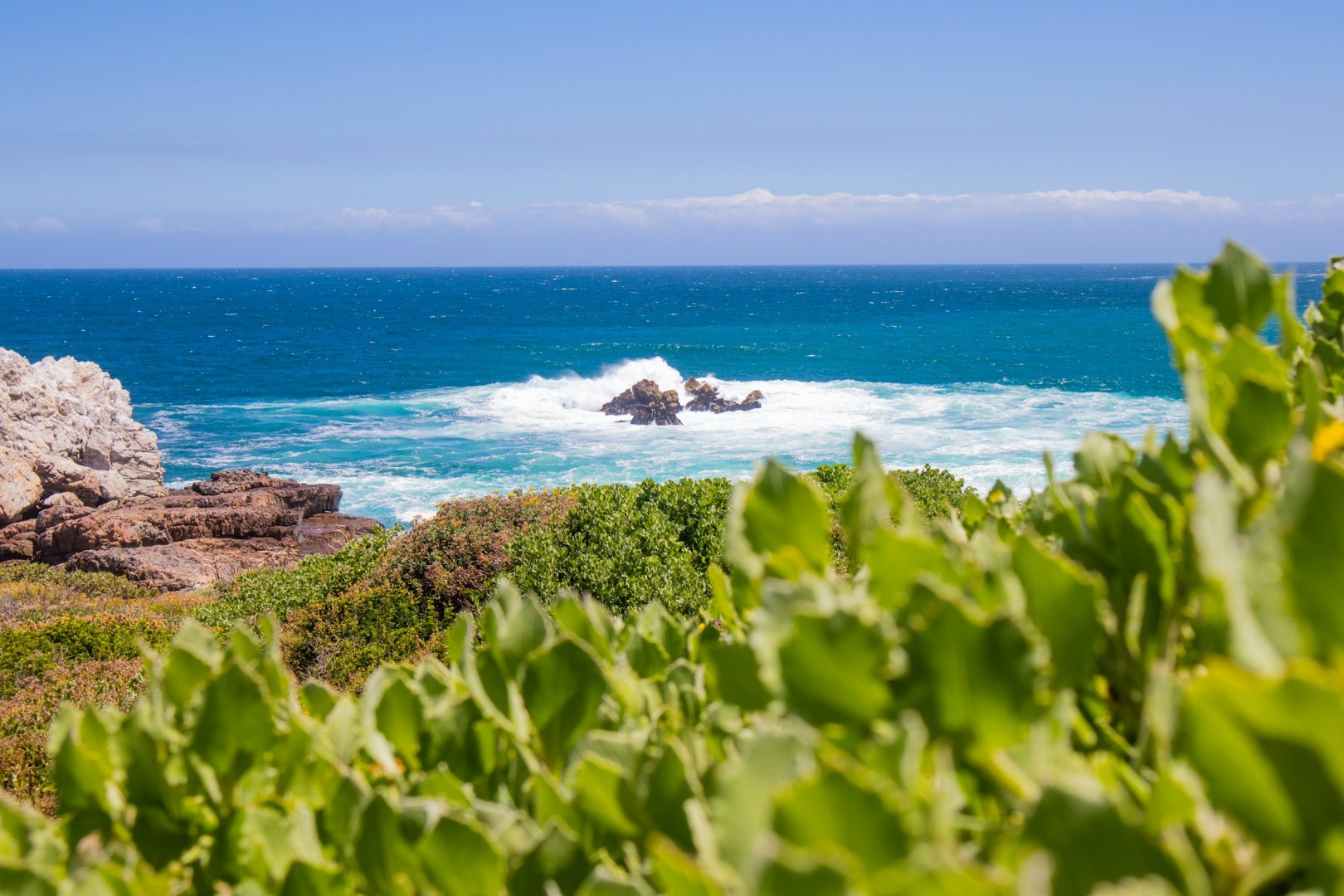
Hermanus is a coastal town in the Western Cape, set along Walker Bay between the Kleinrivier Mountains and the Atlantic Ocean. It is best known for its land-based whale watching, with southern right whales regularly entering the sheltered waters of the bay. The town combines a compact centre with a long coastal cliff path, beaches, coves, and residential areas extending along the shoreline.

Imatra
Imatra, Finland, is a hidden gem nestled near the Russian border, known for its stunning natural beauty and rich history. A key draw is the Imatrankoski Rapids, one of Finland's oldest tourist attractions dating back to the 18th century. These powerful rapids, located on the Vuoksi River, have captivated visitors for centuries, including Russian nobility like Catherine the Great.
Auxerre
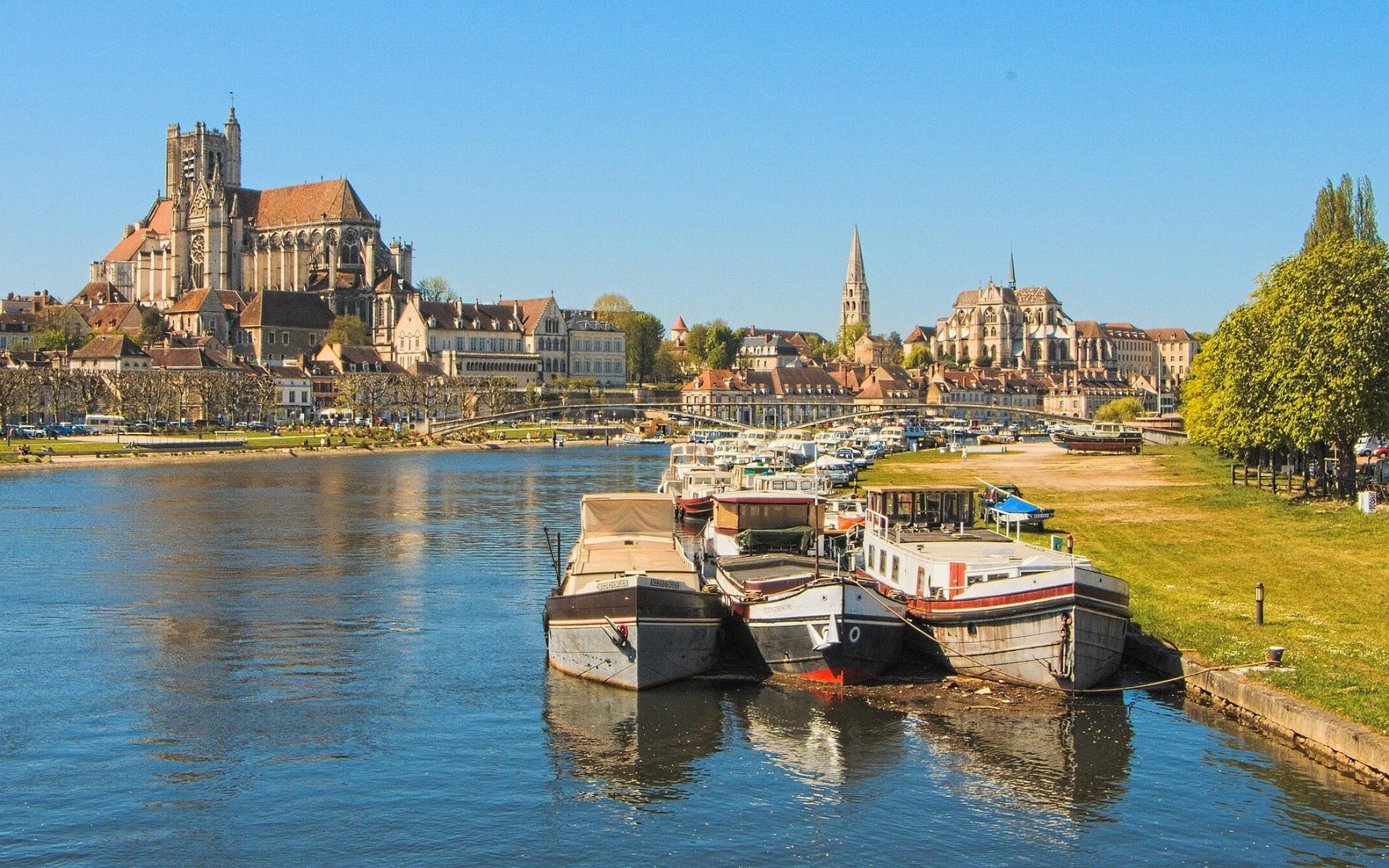
Auxerre is a picturesque city located southeast of Paris and is the capital of the Yonne department.

Cornwall
Cornwall, a captivating coastal county in the southwest of England, offers a breathtaking blend of rugged landscapes, charming seaside villages, and rich cultural heritage. Known for its dramatic cliffs, golden beaches, and the turquoise waters of the Atlantic, Cornwall is a haven for nature lovers and adventure seekers alike. The iconic Land's End, the westernmost point of mainland England, offers sweeping ocean views and is perfect for scenic walks along the South West Coast Path.