Dominica
Dominica, known as the “Nature Island of the Caribbean,” is a haven for eco-tourists and adventure seekers. Nestled between the French islands of Guadeloupe and Martinique, this lush island boasts a remarkable landscape of volcanic mountains, dense rainforests, and stunning waterfalls. Dominica’s most iconic natural wonder is the Boiling Lake, the second-largest hot spring in the world.

Brno
Brno, the vibrant heart of the Czech Republic's Moravian region, offers a captivating blend of historical charm and modern dynamism. As the second-largest city in the country, Brno is known for its striking architecture, including the Špilberk Castle, which overlooks the city from its hilltop perch. Originally a medieval fortress, Špilberk Castle has evolved into a cultural and historical museum, showcasing exhibits on the city’s rich past and providing panoramic views of Brno.
Sandwich
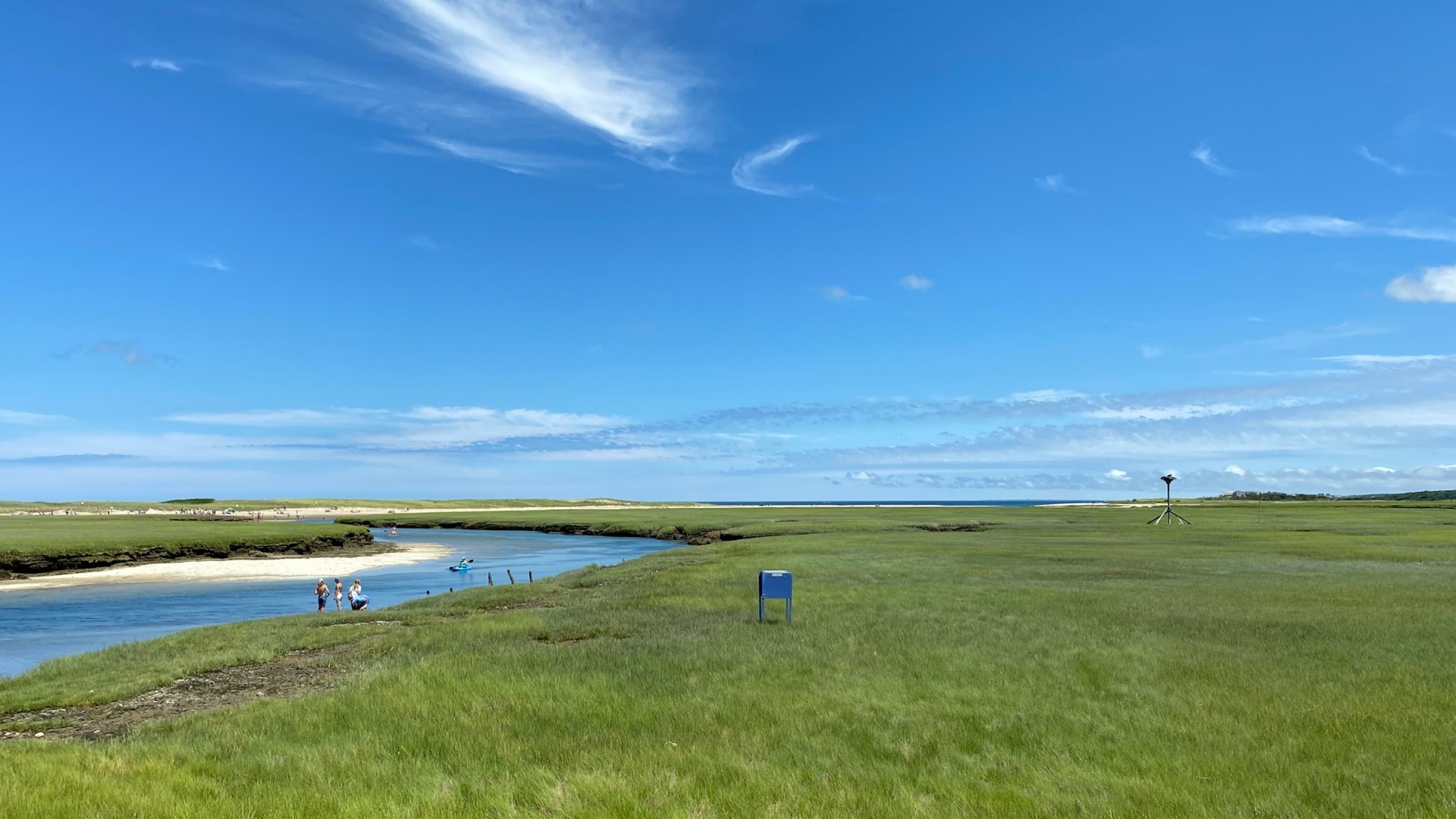
Sandwich, Massachusetts, occupies the Upper Cape near the eastern end of the Cape Cod Canal and is recognized as the oldest town on Cape Cod. Its historic center combines colonial-era homes, a village common, small shops, galleries, and landmarks around Shawme Pond. The town extends from inland woodlands and freshwater ponds to salt marshes and Cape Cod Bay, giving it a varied coastal landscape.
Bielefeld
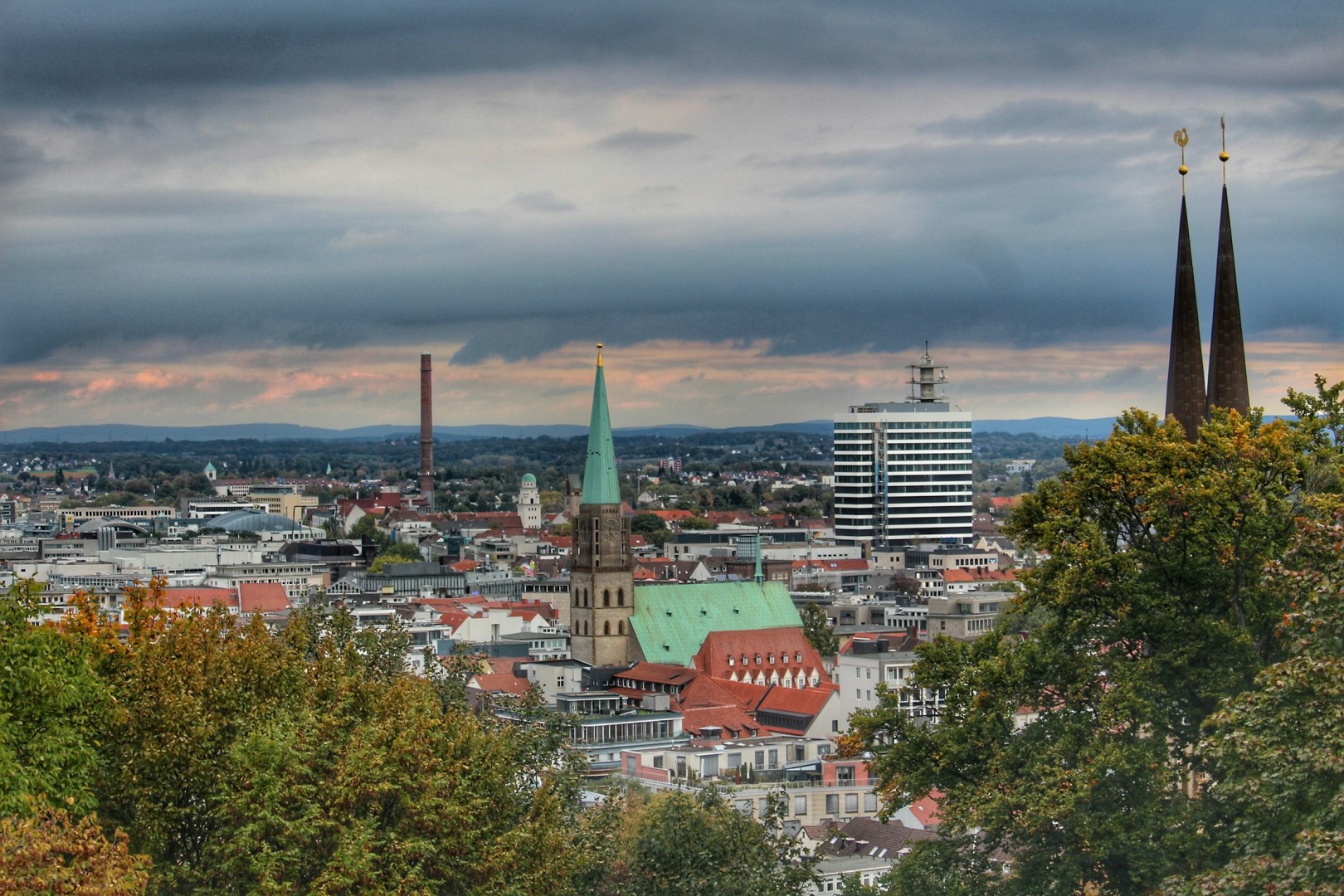
Southwest of Hannover in western Germany, Bielefeld lies near the Teutoberg Forest, the site of the 9th century Battle of Teutoberg Forest.
Sao Tome Island
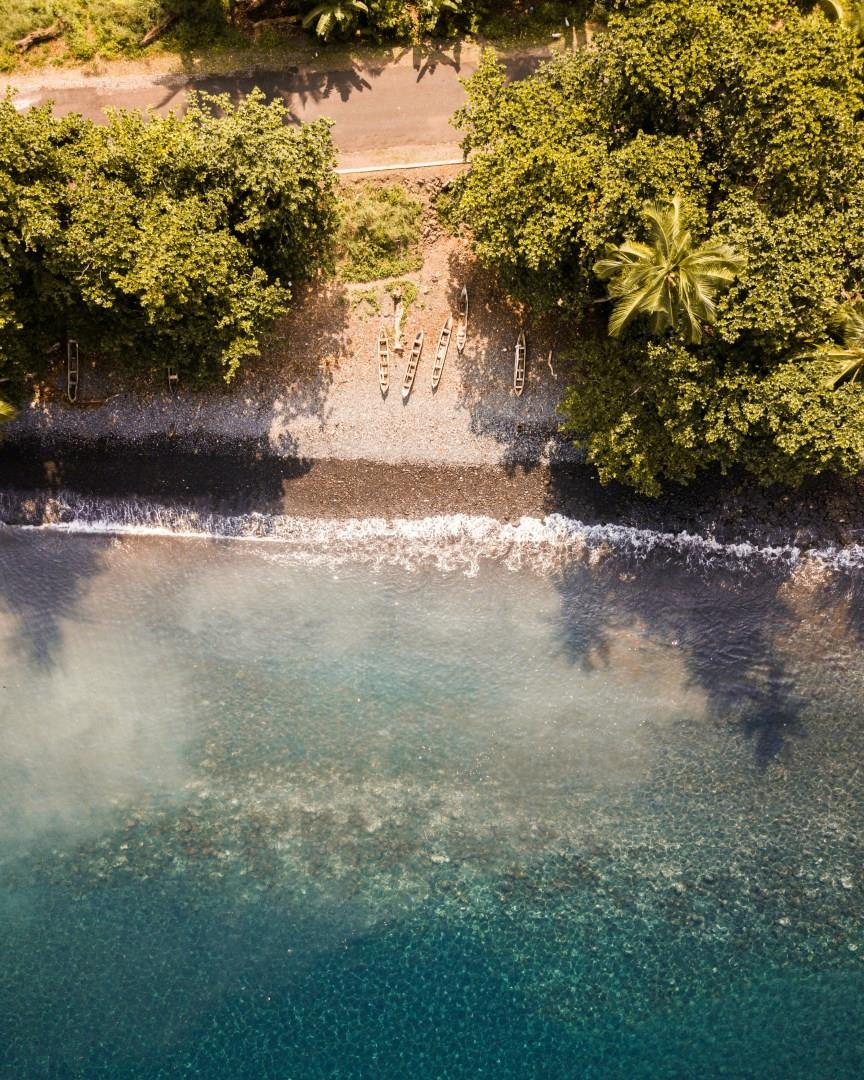
São Tomé Island, the larger of the two islands in São Tomé & Príncipe, offers travelers a balance of culture, history, and dramatic natural scenery. Its capital, São Tomé city, is a coastal hub filled with colonial architecture, lively markets, and a welcoming atmosphere.