Les Anses-d'Arlet
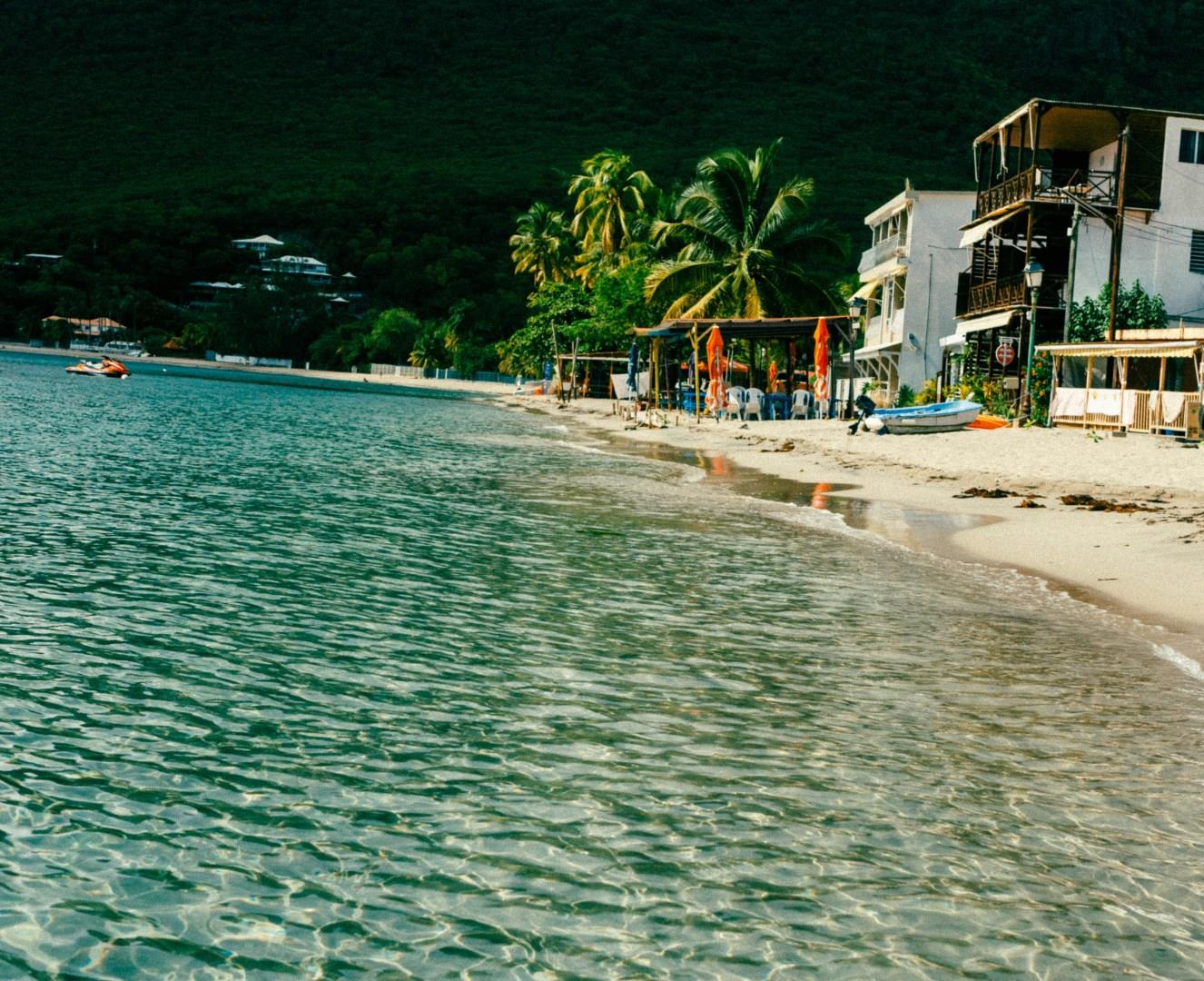
Les Anses-d’Arlet, a charming fishing village on Martinique’s southern coast, is known for its picture-perfect blend of Caribbean warmth and local tradition. Its centerpiece is a white-sand beach backed by brightly painted houses and the landmark Church of St. Henry, whose steeple aligns beautifully with the sea when viewed from the pier.
Landshut
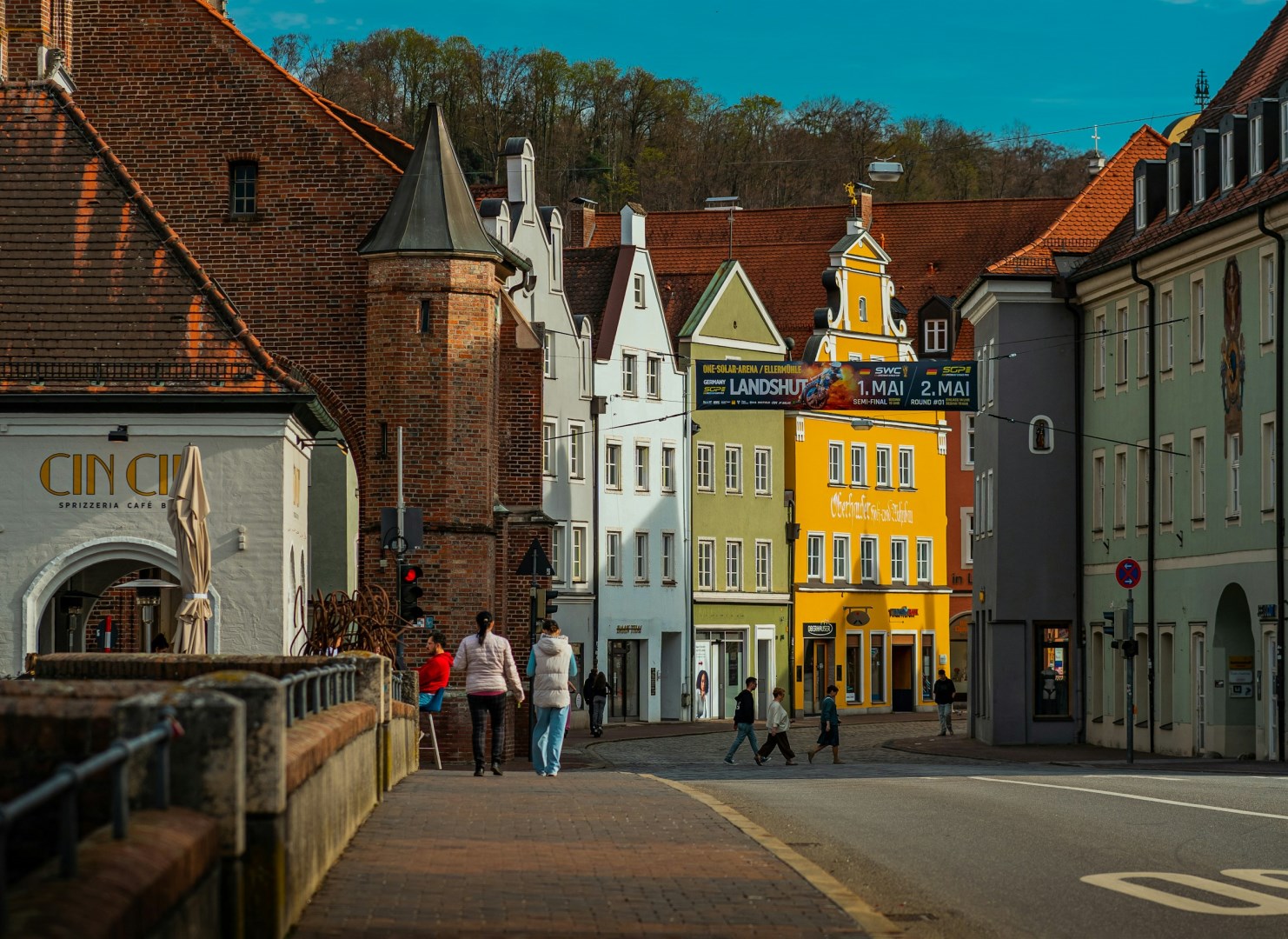
Landshut has the epithet "the three helmet city", lead back to the coat of arms of the city, which shows three helmets, like they were worn by the city guards in the middle age. The armours, produced by the so-called "plattners", were known and popular far over the frontiers of Landshut, at that time.

Kandy
Nestled in the heart of Sri Lanka’s hill country, Kandy is a city steeped in history, culture, and natural beauty. As the last capital of the ancient kings of Sri Lanka, Kandy holds a unique charm that blends its colonial past with a rich, vibrant heritage. The city’s crown jewel is the Temple of the Sacred Tooth Relic, a UNESCO World Heritage site that houses a relic believed to be the tooth of the Buddha.
Congaree National Park
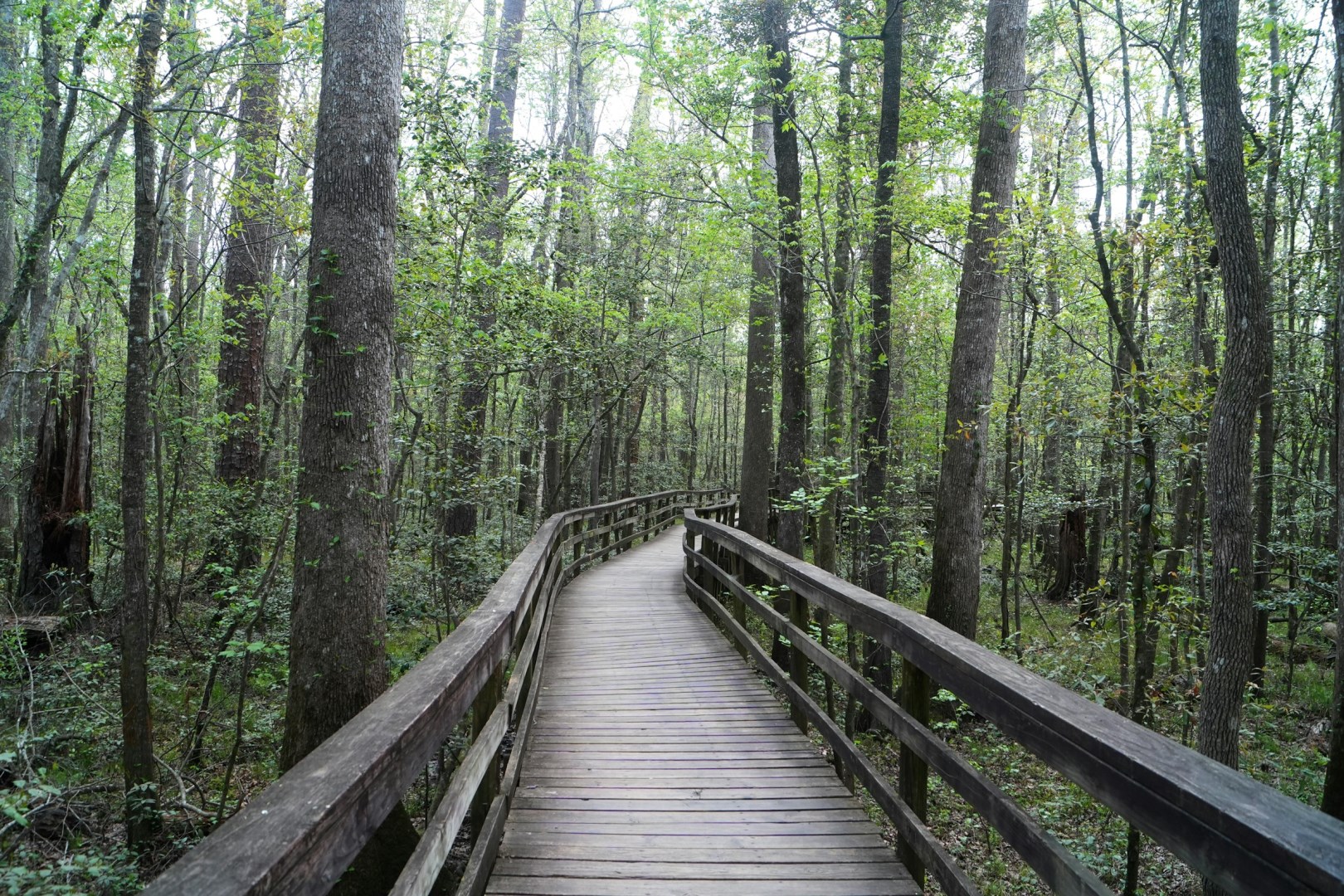
Imagine standing in complete stillness as thousands of tiny lights blink in perfect harmony around you. Every spring in Congaree National Park, this bioluminescent ballet plays out under the forest canopy. This is nature’s very own light show, and it lasts only two magical weeks. Time your visit right, and you’ll be part of a glowing experience few ever witness.

Suez
Suez, Egypt, is a city of historical significance and strategic importance, making it an intriguing destination for travelers. Located at the southern end of the Suez Canal, this city has been a key player in global trade and naval history for over a century. Suez is not only a gateway to the world-renowned canal but also a place rich in history and culture.